
Tagged: Pauker winery
wine and war
I am tired and sick of war. Its glory is all moonshine.
War is hell !!!
General William Tecumseh Sherman
Wine was always a part of WAR, since antiquity. Wine was a highly valued war prize, functioning as a symbol of wealth, acted as a crucial component of military logistics and a declaration of cultural superiority.
Wine was part of standard military rations in Rome often as posca—a mix of water and sour wine it provided nutrients and served as a disinfectant when mixed with local water. Securing enemy wine supplies allowed armies to maintain their own troops health and wealth: used as part payment to the soldiers, a part of a medicinal additive to the soldiers daily diet, It was frequently looted, gifted, and traded in contexts of war. in the Greek and Roman worlds it was both an everyday necessity and a marker of status, and so local vintners were amongst the first to suffer amongst civilian casualties. Looting and damaging local wine was part of all wars throughout the ages since antiquity till nowadays, including the recent war we’re experiencing in the middle east, in which wineries and vineyards suffered great loses.
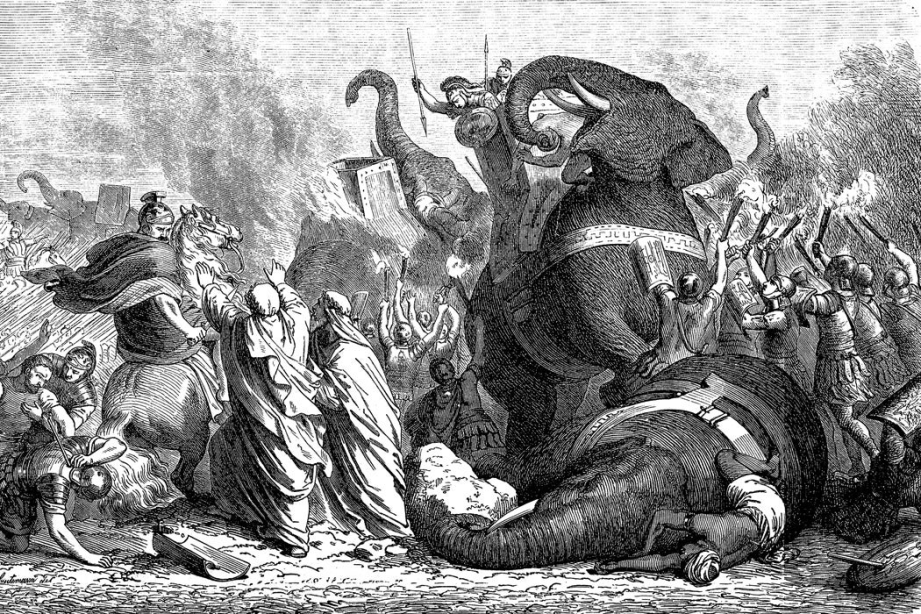
The current war in the middle east can certainly be described for all sides, as A “Pyrrhic victory“, named after King Pyrrhus of Epirus, who suffered severe losses while defeating the Romans in 279 BC, after the battle, Pyrrhus reportedly said, “One more such victory and we are lost.”
So this term describes any war not worth the high price paid, often resulting in long-term failure.
“Pyrrhic victory“ :
in Arabic is best translated as: انتصار باهظ الثمن (intisar bahiz al-thaman) or نصر باهظ الثمن (nasr bahiz al-thaman.)
In Hebrew ניצחון פירוס,(Nitzachon Pirus) and in Persian is best translated as «پیروزی پرهزینه» (Piroozi-ye por-hazineh), all three mean a “costly victory” , signifying a success achieved at such a high cost—in lives, resources, or reputation—that it feels more like a defeat.
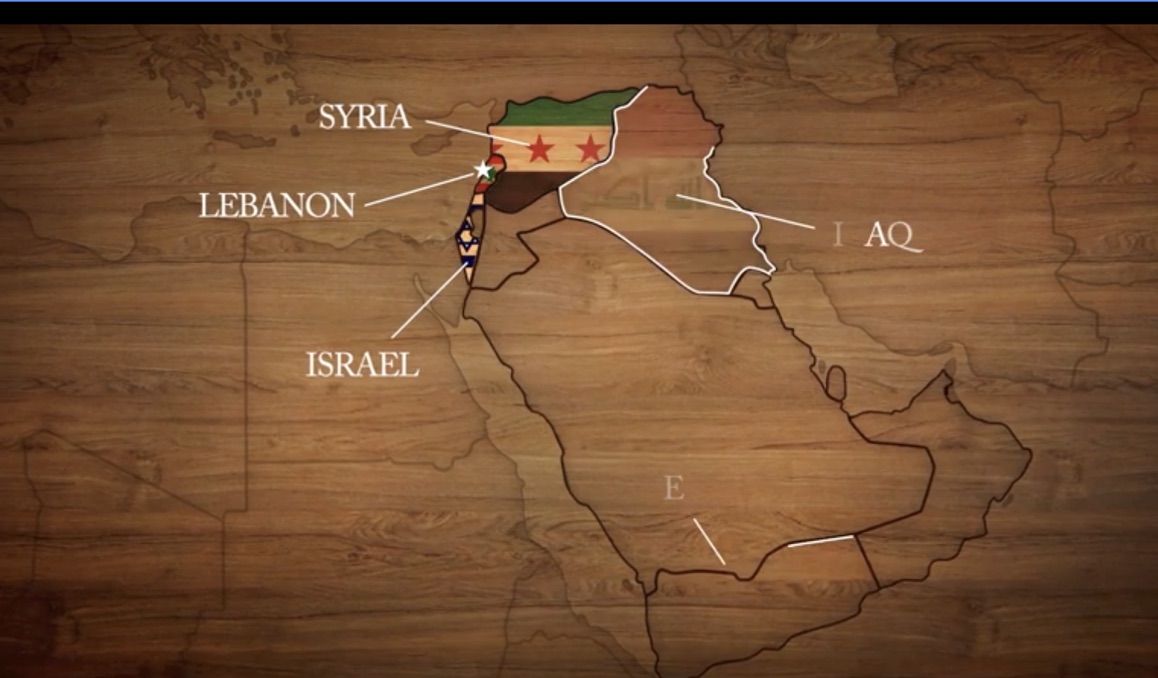
I’m the writing the meaning of pyrrhic victory – the fallacy of war to describe the current war between Iran, Israel, and Hizbollah in Lebanon in all 3 languages In the hope that enough people within these nations (on all 3 sides), of the current hatred driven, futile war, will lend a listening ear and open the minds of enough innocent people on all sides, and maybe influence their leaders to put an end to their WAR GAMES.
War usually causes most damage to ordinary civilians: children, the elderly, women and men who simply want to go about their daily lives putting politics aside, and maybe their cry will bring cessation soon and forever to wars between the sides. (but as things go between us, Israel and it’s Arab neighbors and Iran are not promising cessation of hostilities any time soon, what a shame!)
In our age of “politically correctness” it is called : “Collateral damage” a linguistic term that tries to conceals what is actually going on! An abstract term a euphemism, so that even if people succeeded in associating it with a real act or event, would be insulated from any feelings of repulsion or moral outrage !!! A beautify term to describe unintentional deaths, injuries, or destruction of property caused during military operations, often involving civilians or non-combatant infrastructure.
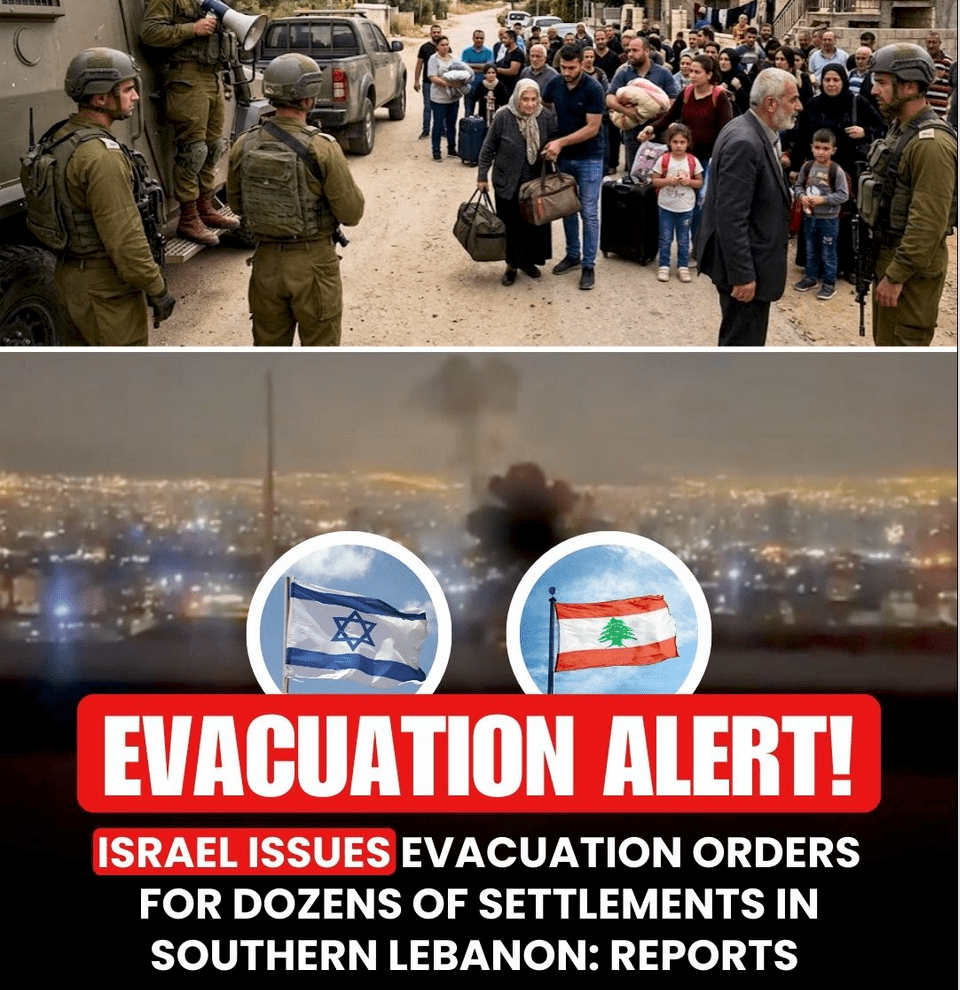
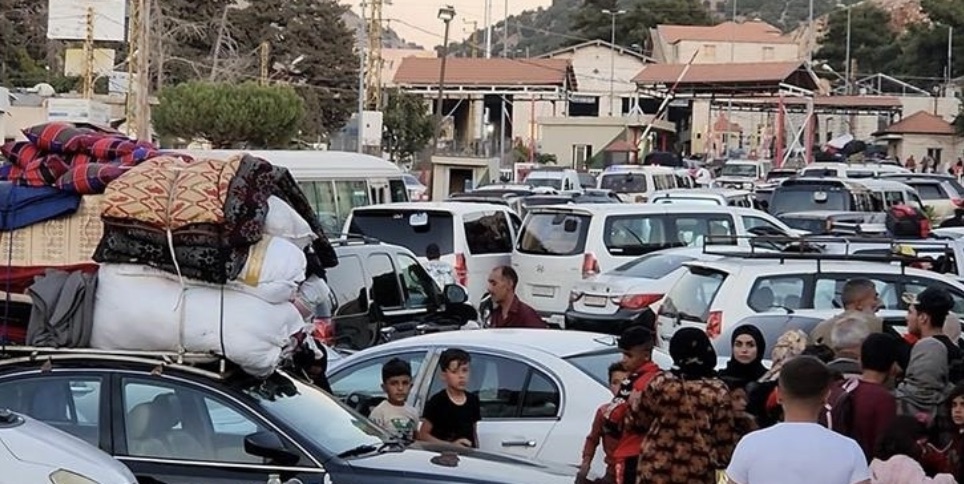


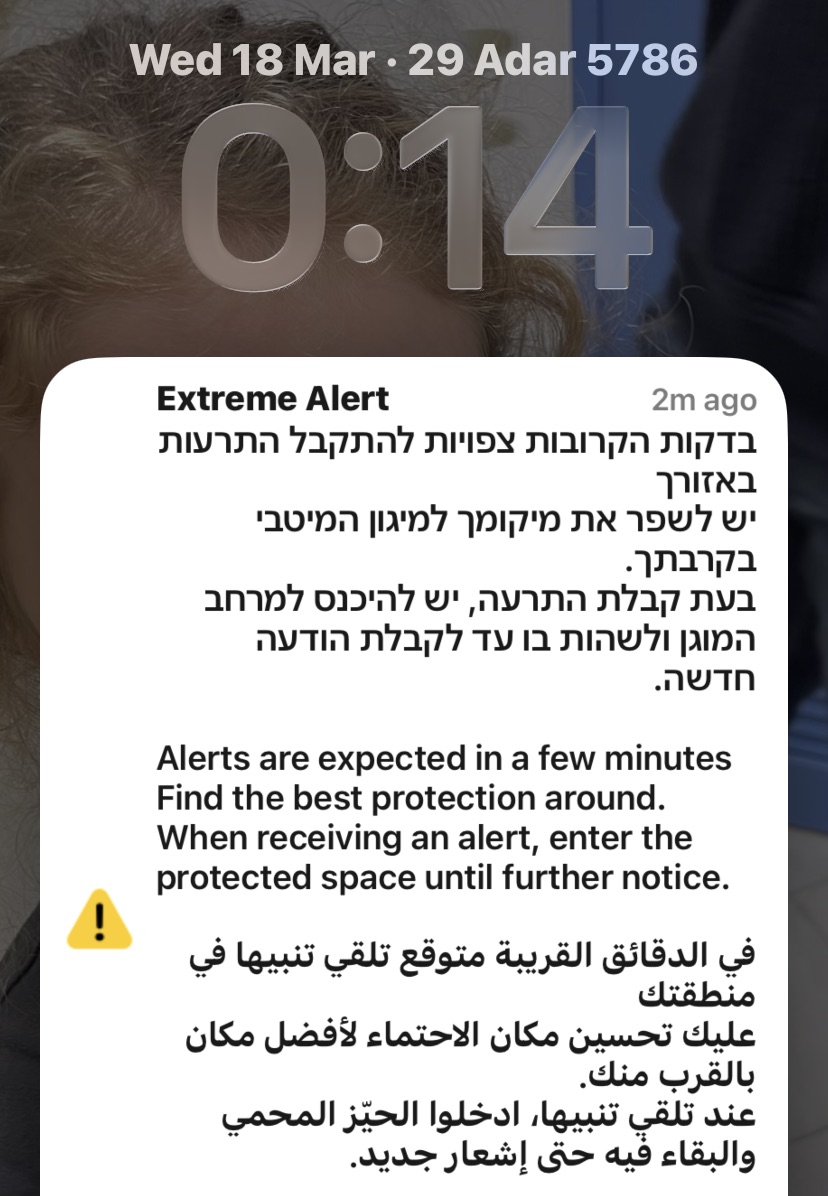
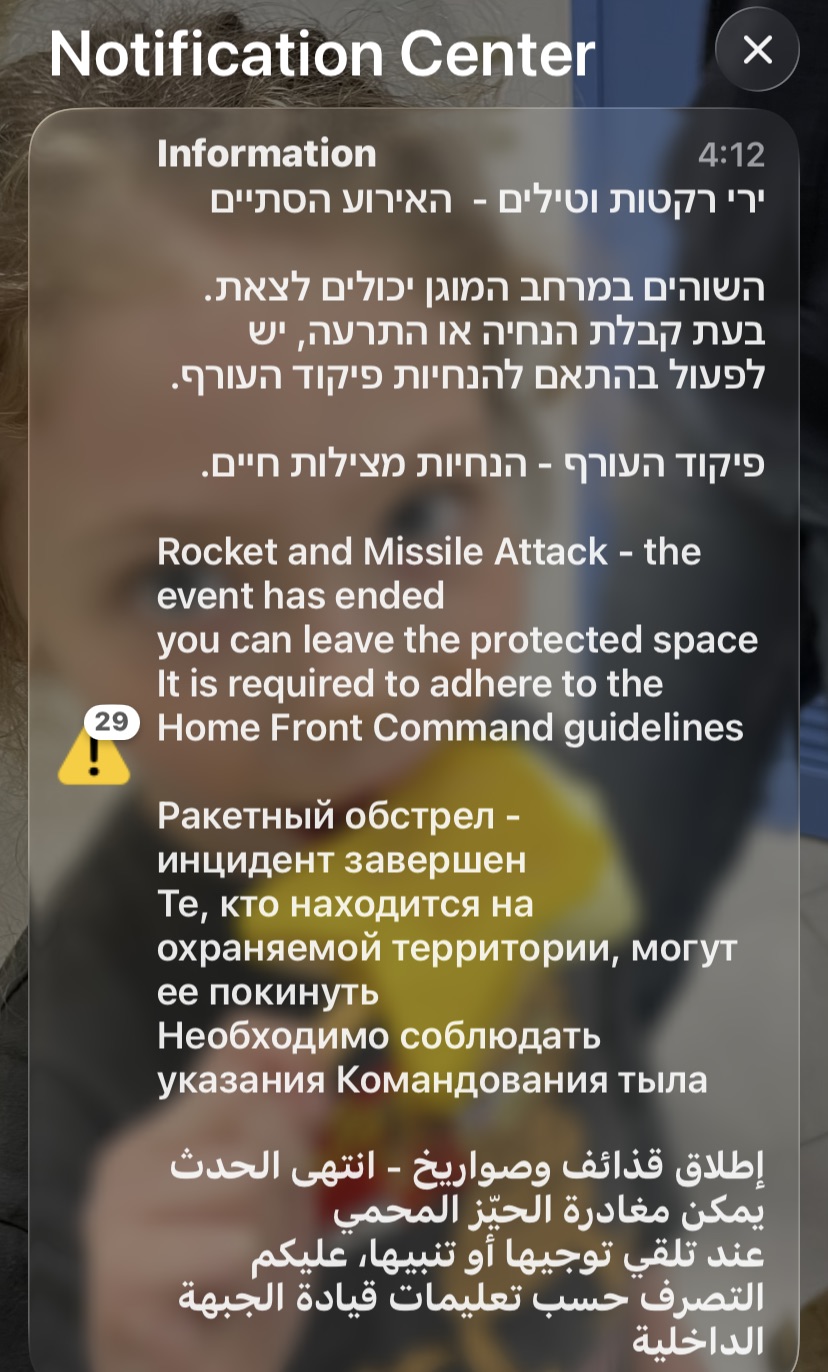
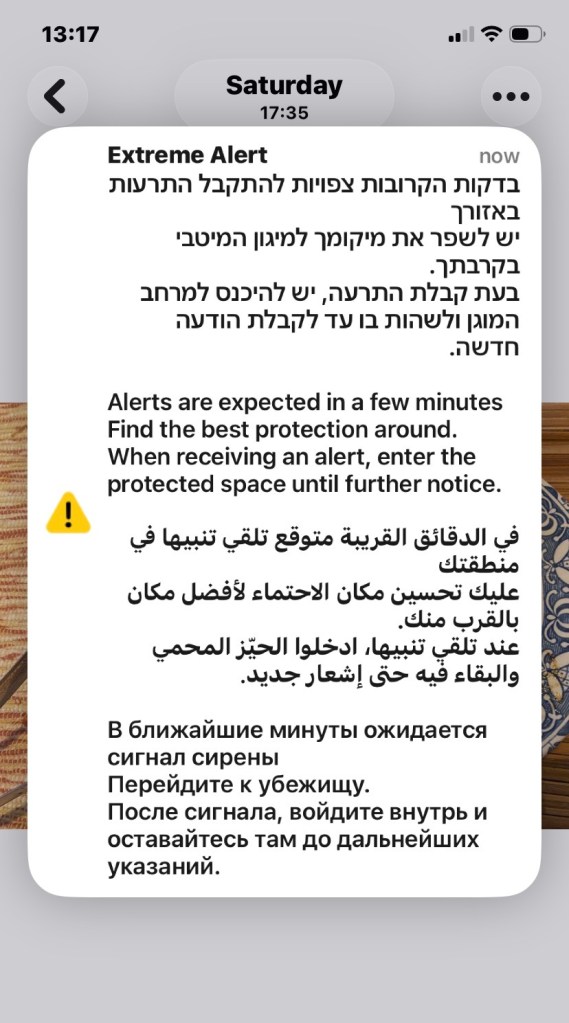
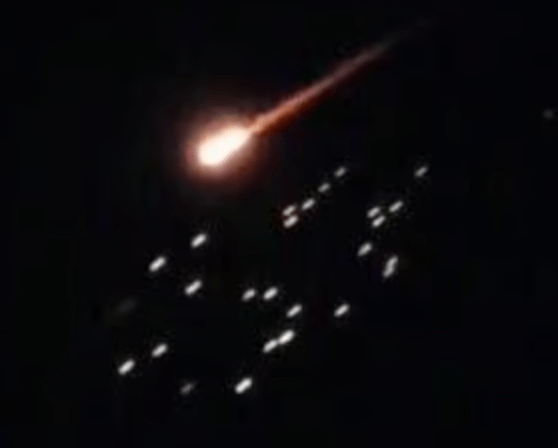
For the last few months we had to rush to our bomb shelter a few times every night. Incoming missiles and anti missile rockets exploding above our heads, the earth shaking at times, waiting impatiently for the release message.
Our bomb shelter being well underground, was “converted” into my wine cellar, about 35 years ago at time of reasonable calm from WAR. And so our bomb shelter (which is obligatory to every house in Israel) was converted into a wine cellar because it is : Underground, and has a Temperature and humidity control system. It has more than 500 bottles, I think it satisfies the wine cellar “definition”.
Alas now the cellar had to be restored to it’s original function: protection against bomb and missile attack. Since we spent a fair amount of time of this war surrounded by wines, the connection between wine and war could not be avoided.
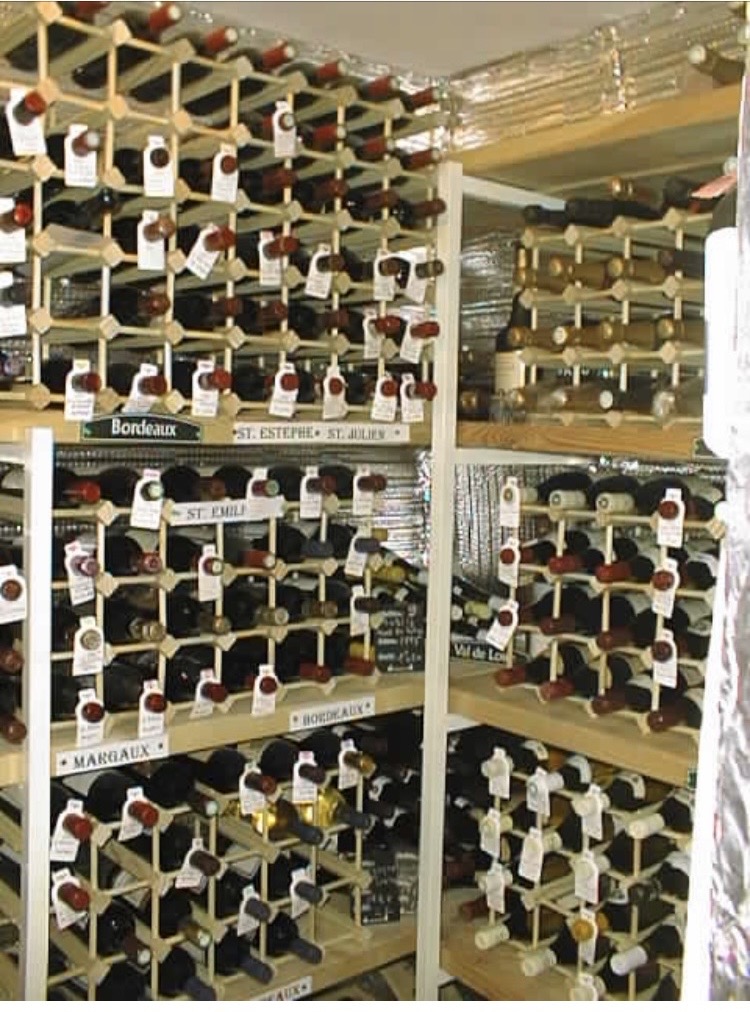
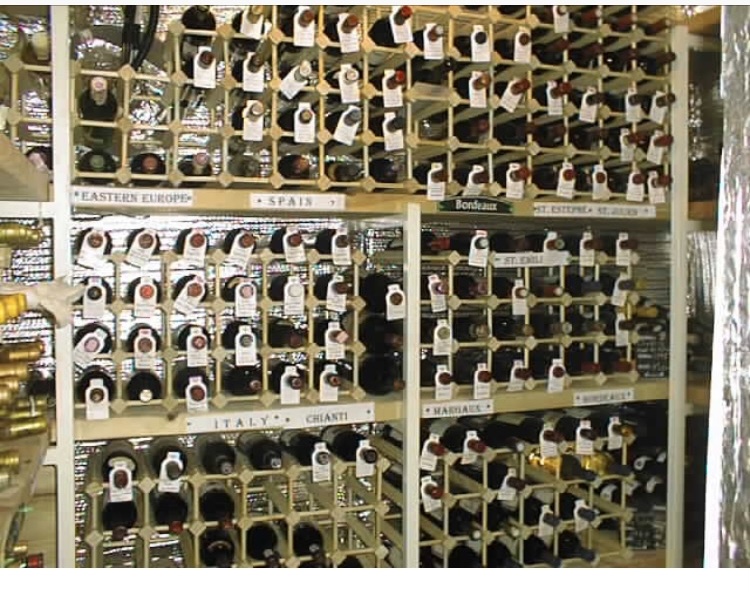
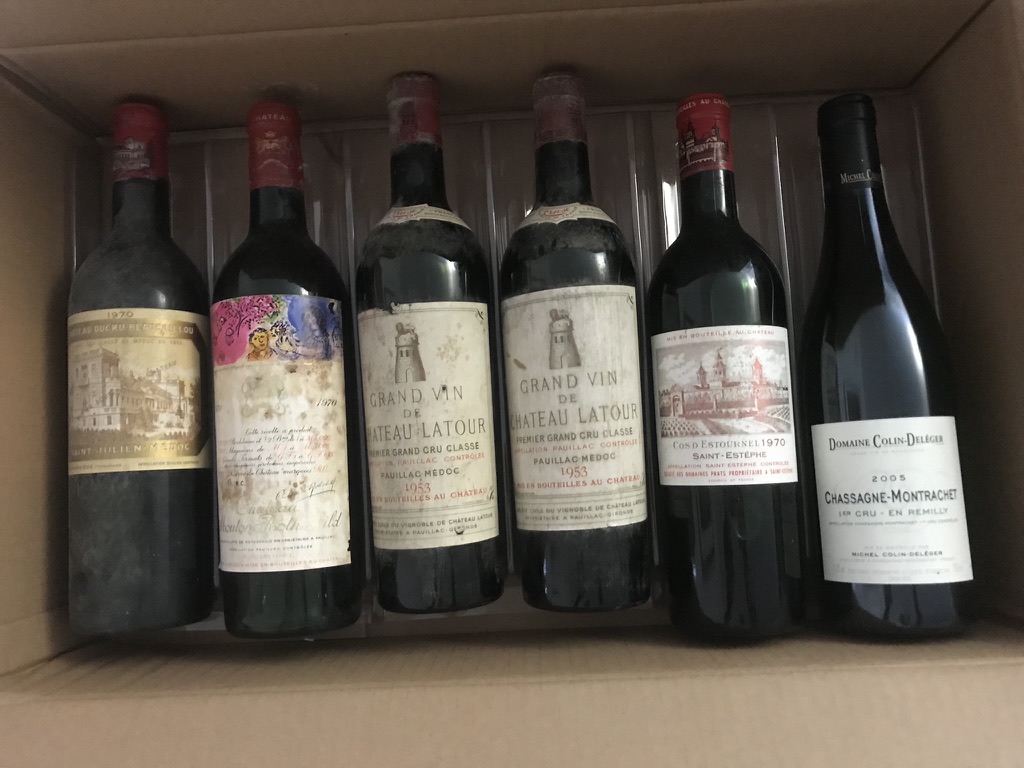
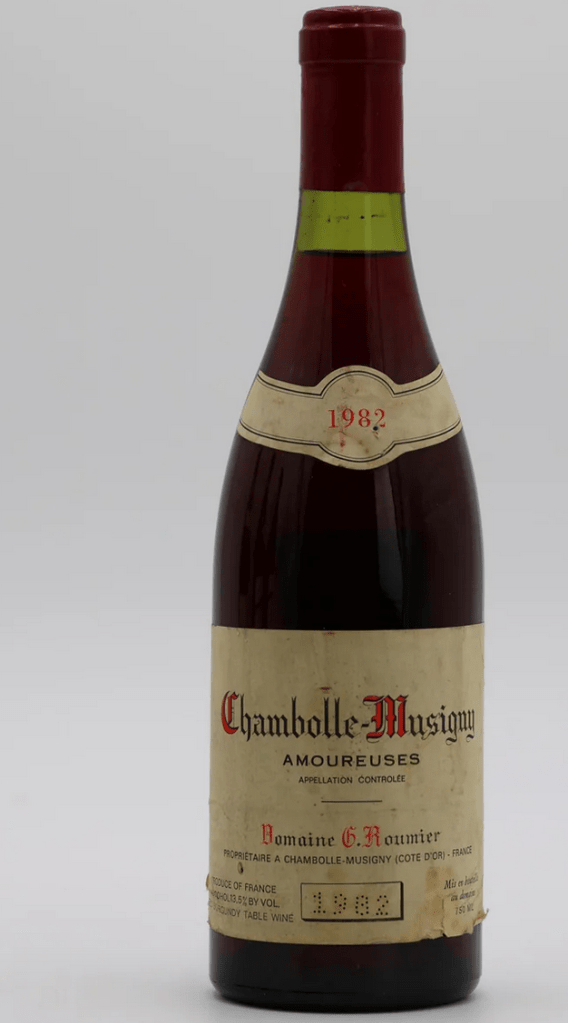
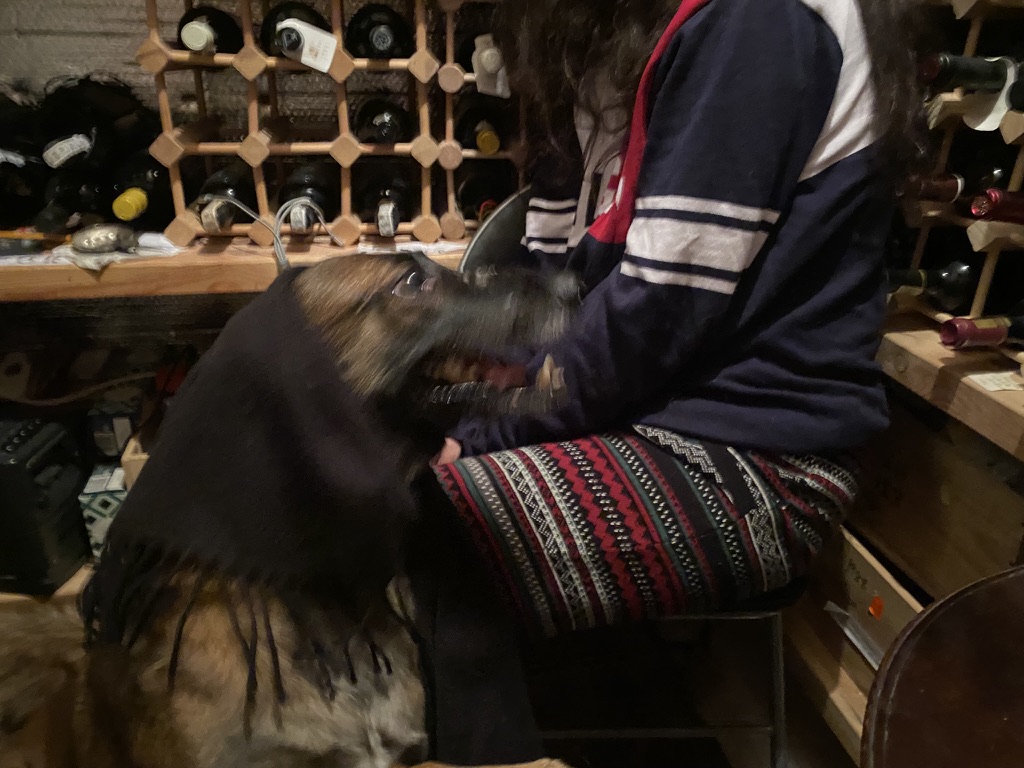
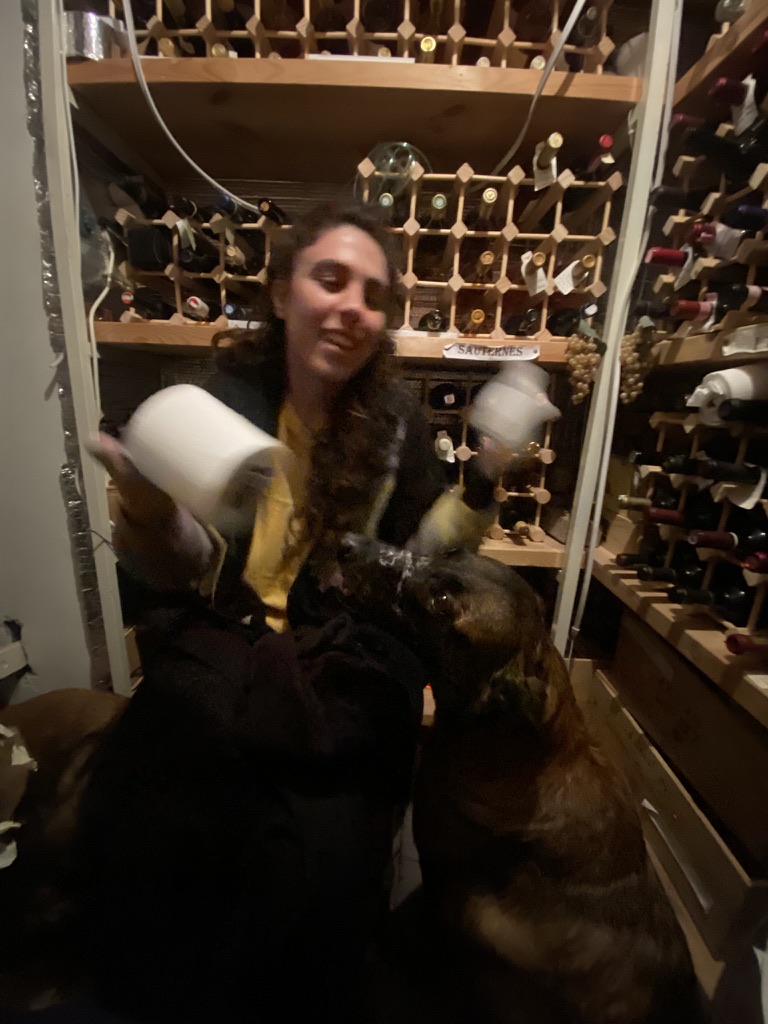
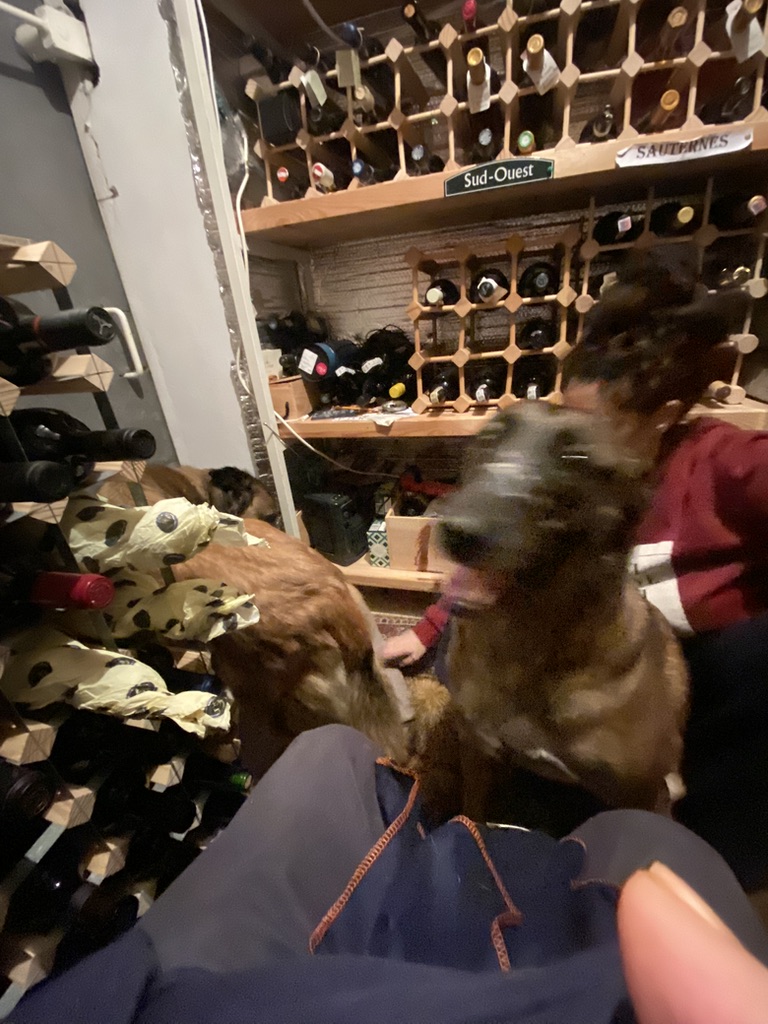
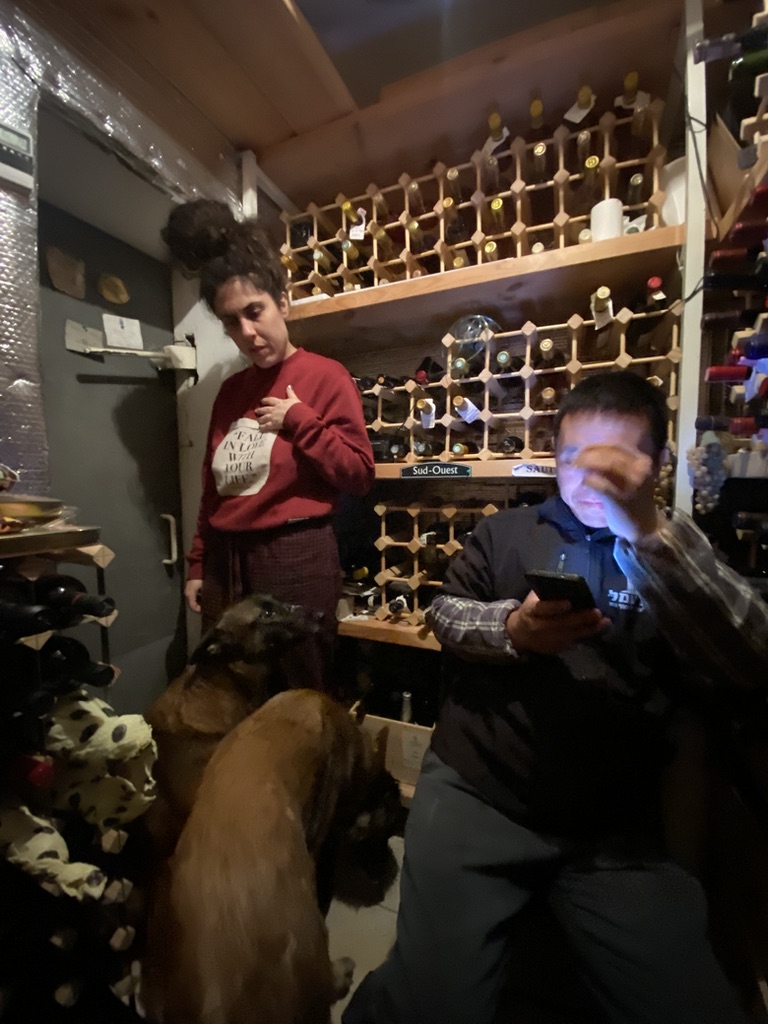
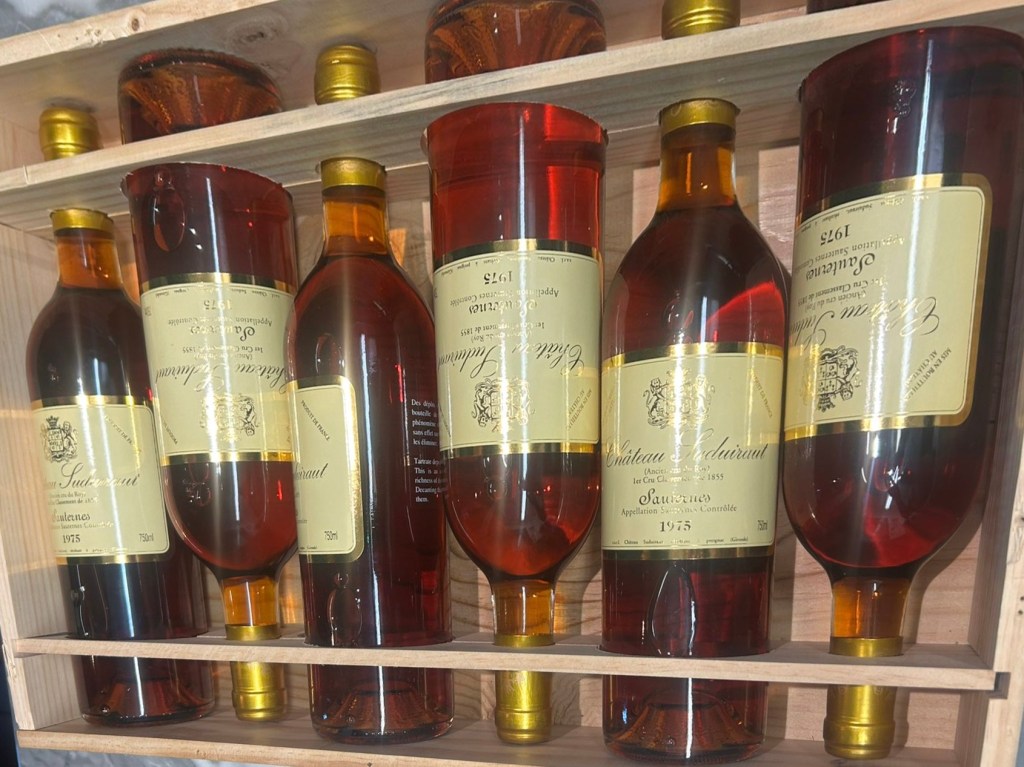

It houses a lot of quality wines I collected through the years since 1979 when I moved to London for a few years and wine prices where reasonable , suitable for every pocket… (for instance a case-12 bots of Chamoblle Musigny 1er Cru – Amoureuses, Domain G. Roumier 1982 for around 200 GBP (the case!!!) and other gems…) I know most of you like “names” so I will tell you what I do not have. You will not find a Petrus or any DRC’s, but you will find Great Bordeaux’s from amazing Vintage years 1970,79,82,83,85,86,88,90, and on… some single bottles cause I drink my wines, some full or half cases. Lovely Sauterns, spanning over almost 45 years (Yes I have D’yquem’s), but mainly Rieussec, and Suduiraut from the 70’s onwards, Excellent Vintage Ports from 1937 onwards (mainly super Vintages), some great Vouvrey, Vintage Champagnes from 1979 onwards, White and Red Bourgognes etc. It is a live cellar wines flow in and out and it is always a great pleasure to open a great wine with a good company for a meal. Lets say the amount of entries in my “Cellar Book” is much larger then the wines I physically have in, at any given moment. I have no regrets ONLY great memories!
This post is dedicated to the brave wine makers and
wineries, on both the Lebanese and Israeli side.
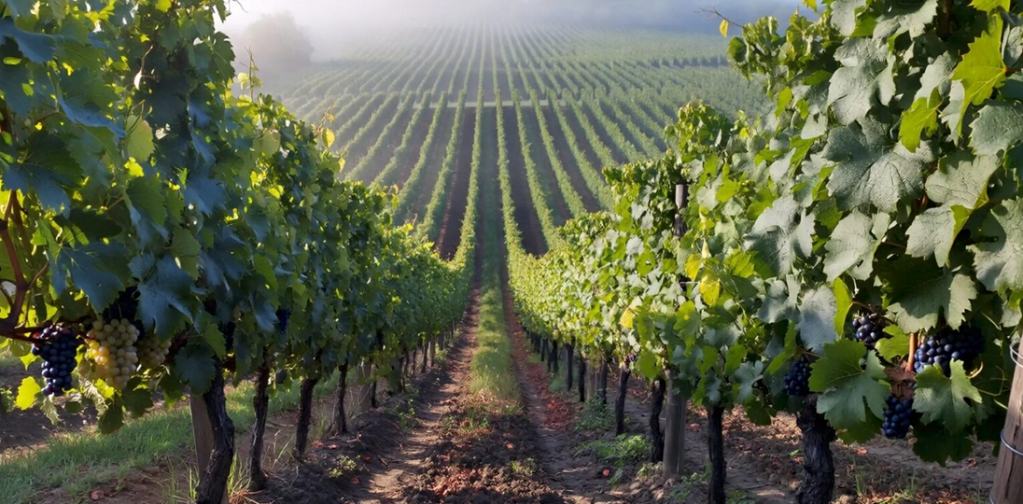
some were hit as a “collateral damage” of yet another unnecessary war, they suffered great losses some (whole vintages) went down the drain with their life’s hopes, aspirations, talent, love, blood, sweat, injuries and, tears.
All because politicians, religious leaders who have no understanding of the written scriptures they recite day and night, their ignorant followers and Masters of War (as Bob Dylan called them), are driven by the lust for power and religious hatred and vengeance . (and this is what this war and all the previous ones of the last 100 years or so are all about)
Masters of War, Bob Dylan -1963
Come you masters of war, You that build the big guns,
You that build the death planes, You that build all the bombs,
You that hide behind walls, You that hide behind desks…
Then you sit back and watch, When the death count gets higher,
You hide in your mansion While the young people’s blood, Flows out of their bodies, And is buried in the mud.
You’ve thrown the worst fear, That can ever be hurled,
Fear to bring children Into the world…
But there’s one thing I know, Though I’m younger than you,
hat even Jesus would never Forgive what you do,
Let me ask you one question, Is your money that good?
Will it buy you forgiveness, Do you think that it could?
I think you will find, When your death takes its toll, All the money you made, Will never buy back your soul
And I hope that you die, And your death will come soon,
I’ll follow your casket, By the pale afternoon, And I’ll watch while you’re lowered, Down to your deathbed.
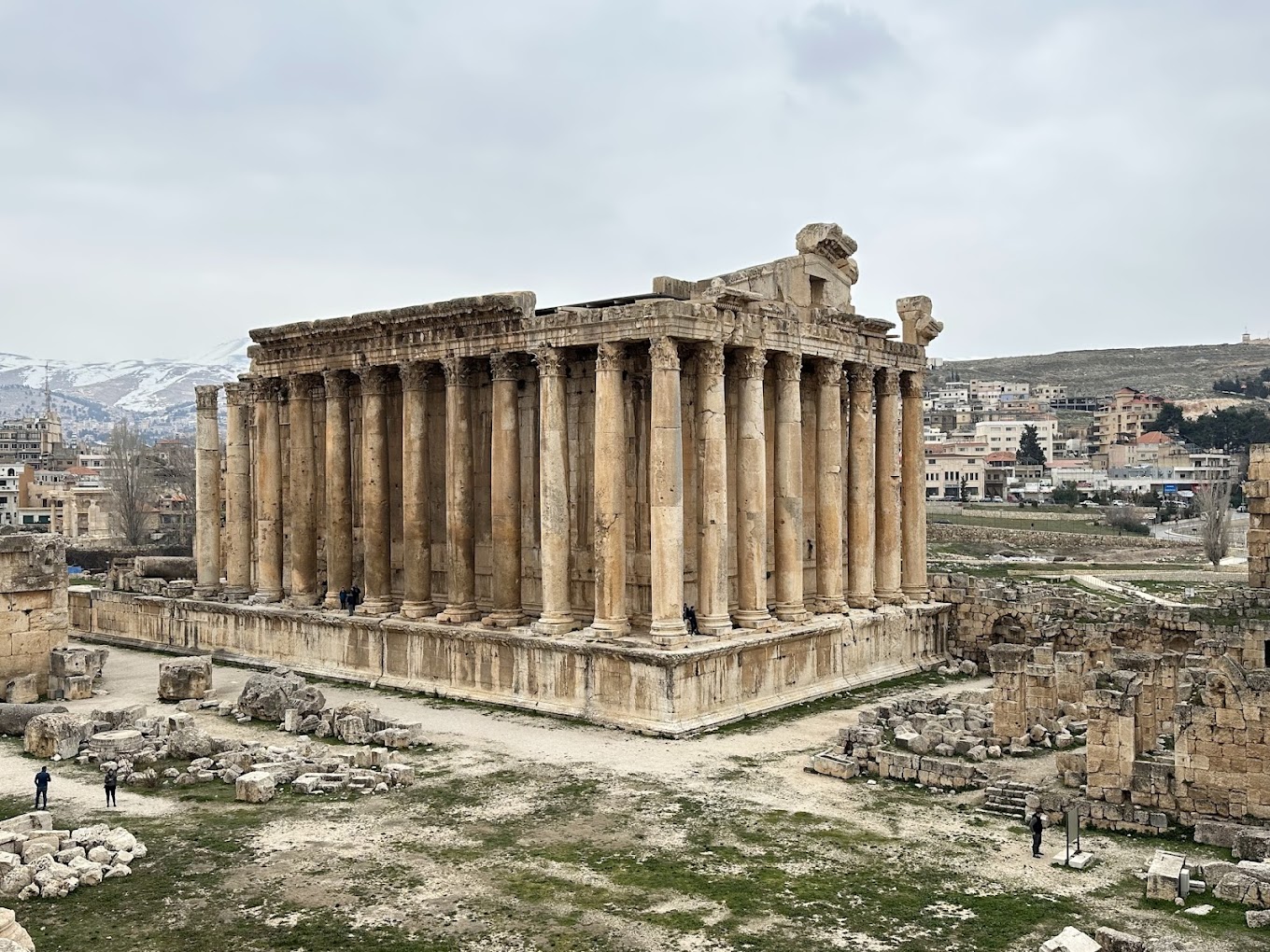
We, in our shelter, and some of the wine growers and wineries on both sides, were protected by the Gods of Wine; Dionysus and Bacchus, maybe due to the proximity to the temple of Bacchus in Baalbek in Lebanon .
The temple of Bacchus dedicated to Bacchus the Greek god of wine (also known as Dionysus the Roman god of wine), It is considered one of the best preserved Roman temples in the world. It is larger than the Parthenon in Greece, though much less famous, it is one of the most magnificent complex of temples of classical antiquity, it was commissioned by Roman Emperor Antoninus Pius around 150 AD.
The decorations in the temple in Ba’elbak, which include vines, grape clusters and dancing figures, are designed to remind visitors that joy and liberation are a path to higher wisdom.
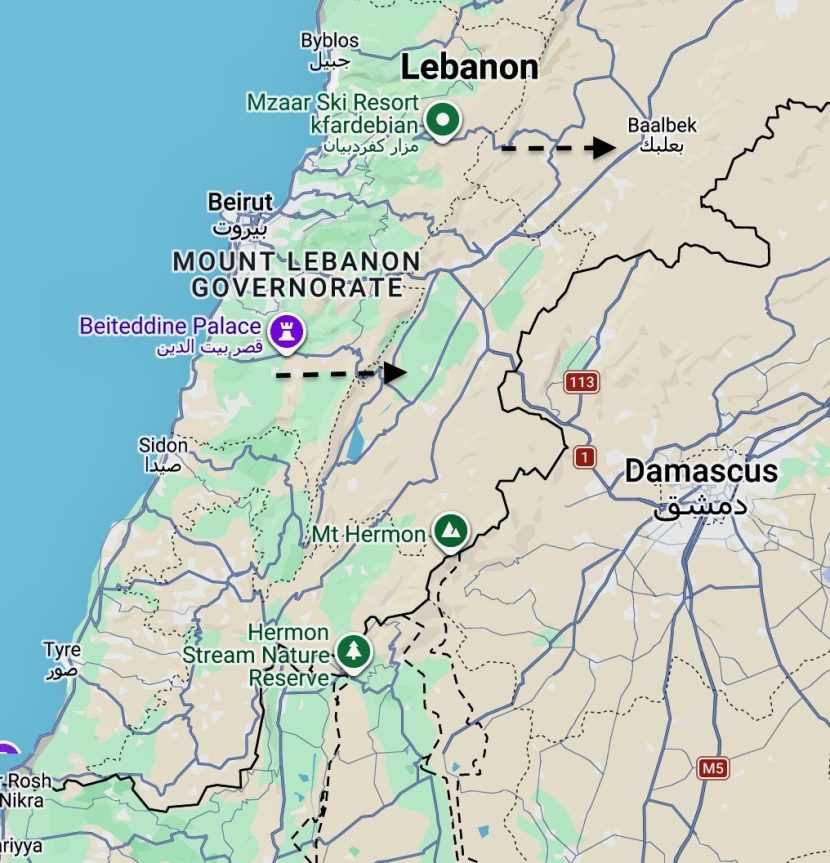
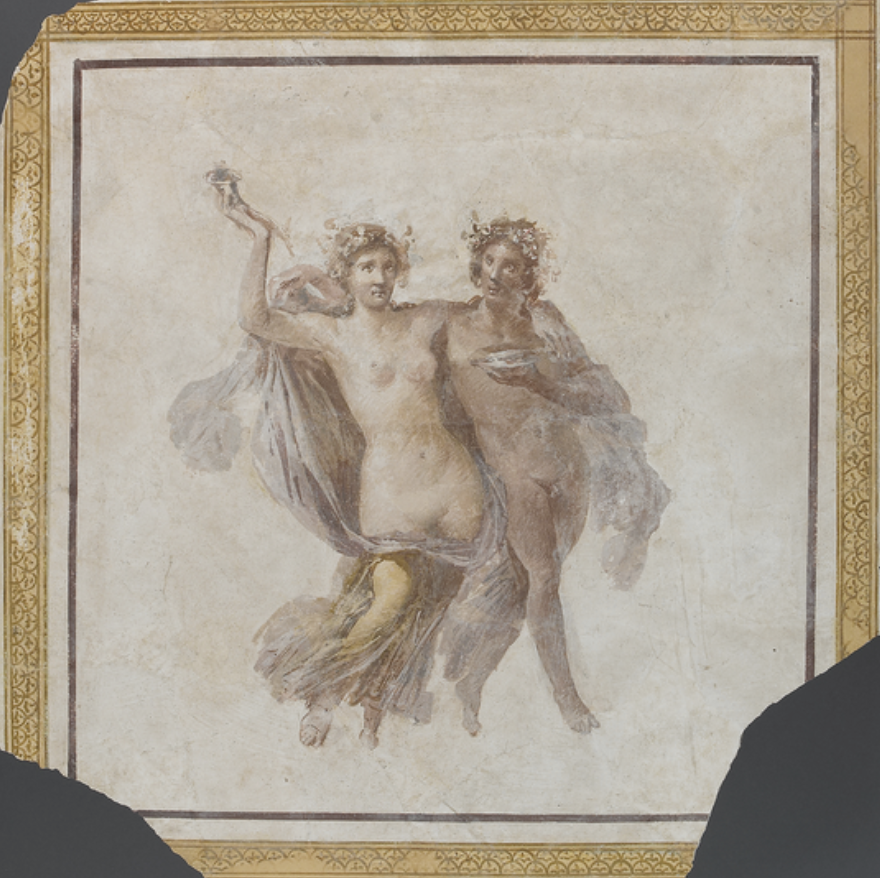
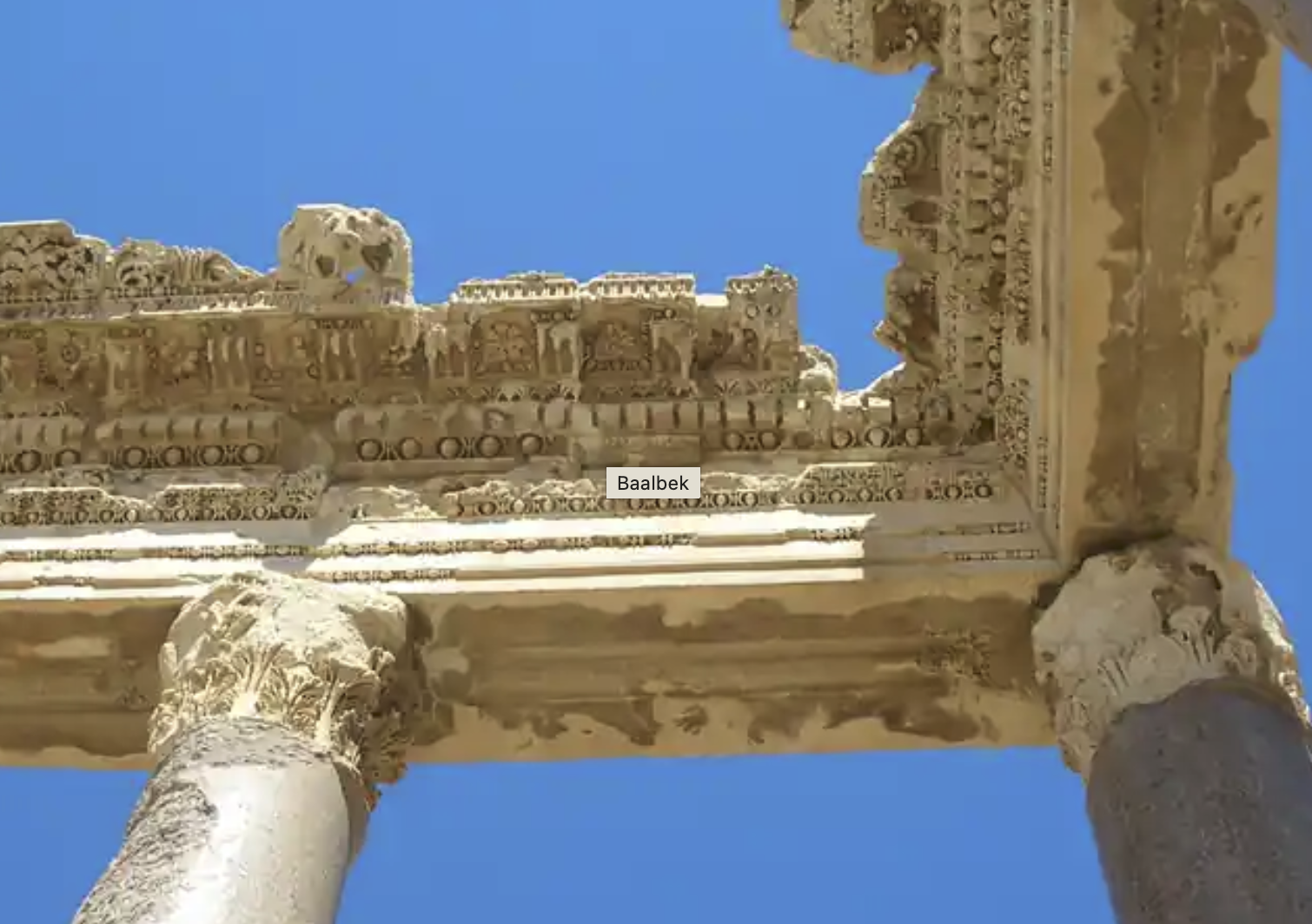
Others were not so lucky and were hit both in the vineyards and the wineries. Were they not spared maybe because the war prevented them from celebrating Anthesteria?
Anthesteria is one of the several Athenian festivals in honour of Dionysus, Bacchus the wine GODS? Anthesteria festival is held annually for three days in the month of Anthesterion (around February–March) to celebrate the beginning of spring and the maturing of the wine stored at the previous vintage.
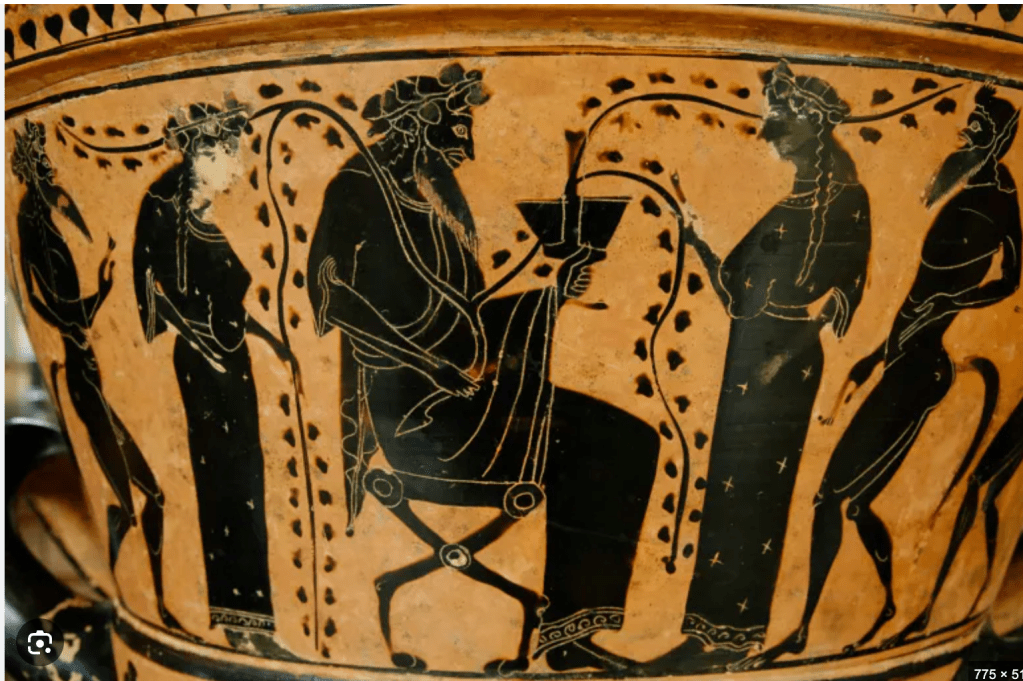
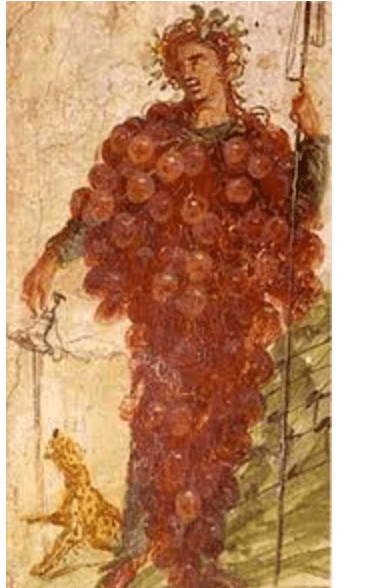
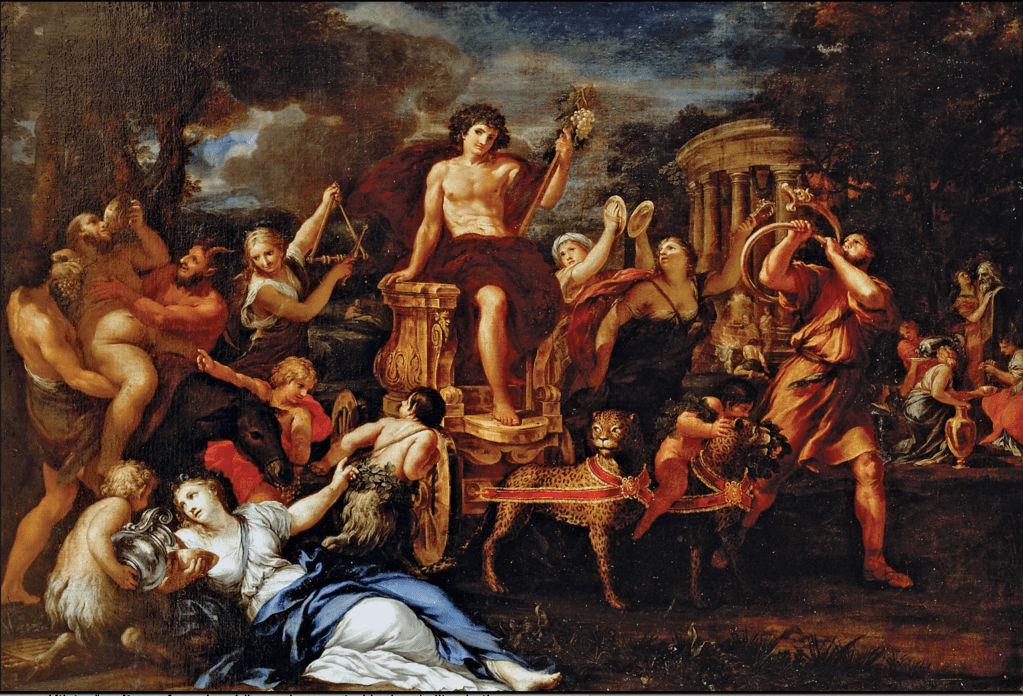
For the ancient believers in the temple of Bacchus in Lebanon at Baalbek in eastern Lebanon, wine was not only a beverage, but also a tool for achieving ecstasy and spiritual ascension through consumption of wine :
Being the primary festivals of wine of ancient Greek honoring the god Dionysus, were focused on vines and fertility. These festivals included massive wine-drinking, processions, theatrical performances, and masked rites. It Was a three-day festival (February–March) celebrating the new spring wine and the maturing of the previous vintage.
Day 1 (Pithoigia): The “Jar Opening” where new wine was dedicated to Dionysus.
Day 2 (Choes): “Wine Jugs,” characterized by drinking contests, processions, and a sacred marriage of Dionysus to the wife of the king archon.
Day 3 (Chytroi): “Pots,” a day for honoring the dead.
During these 3 days the barriers between Man and God disappear, man is freed from his daily limitations, and enters ecstatic mode under the affect of excessive wine / alcohol, consumption. Deep insights can be reached, that are not accessible in a state of complete soberness.
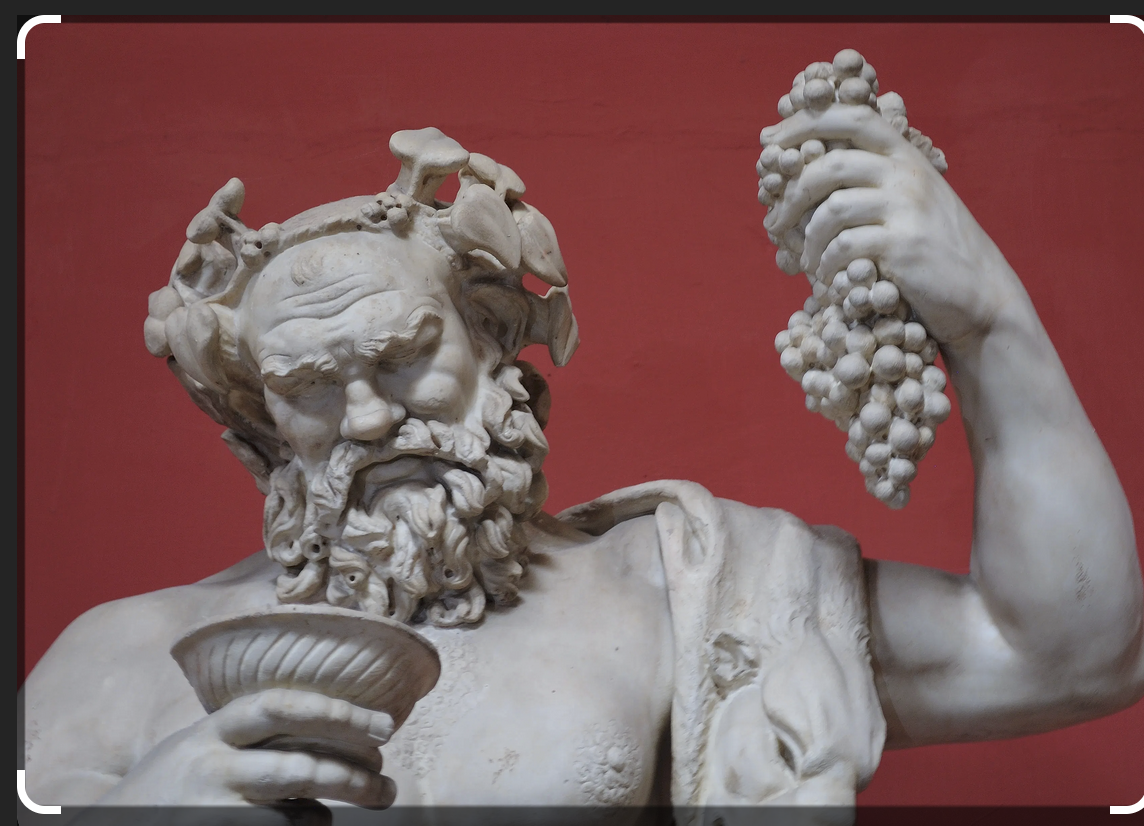
In Israel the most prominent archaeological evidence for this specific cult comes from Beth Shean (Roman Scythopolis) (in modern-day Israel) Statues of Dionysus was found in the ancient city of Beth Shan, because he was worshiped as the city’s divine founder and patron god, especially during the Roman period. Known in Greek as Dionysus ktistes (founder), he was tied to local mythology. The inscription from Beth Shean and evidence from other sites suggest the “Dionysos Ktistes” cult was formal, public, and supported by local elites in the Roman provincial setting.
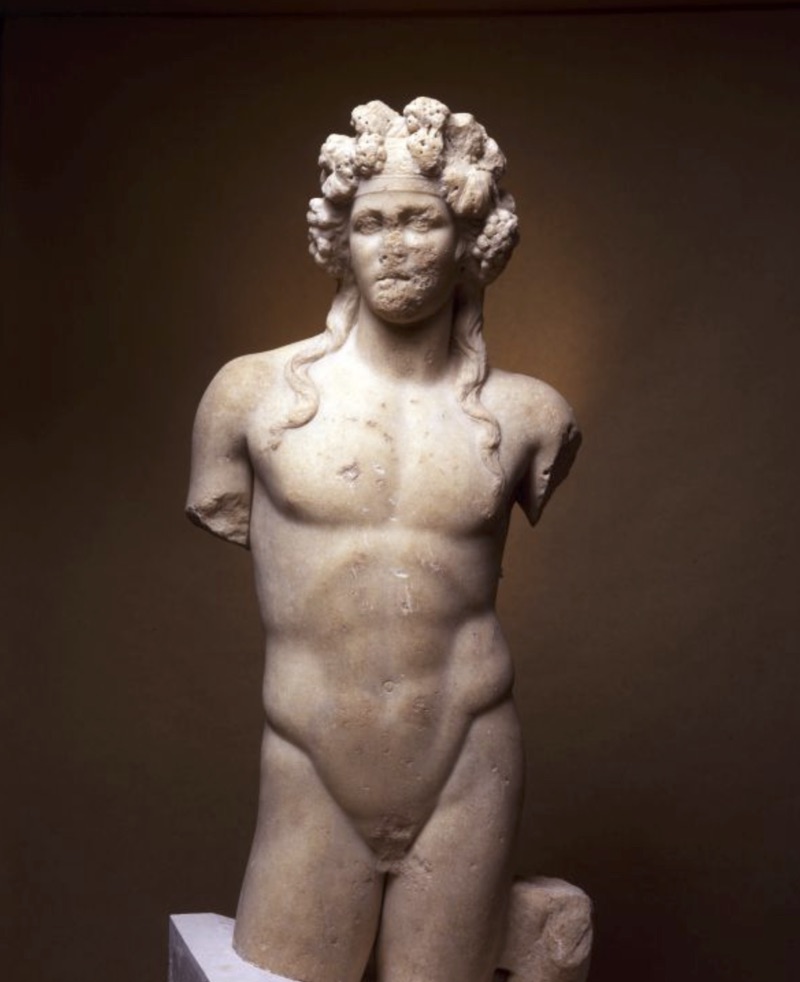
Status of Dionysus , Israel museum
Both centers of wine worshiping exist across the border between Israel and Lebanon. Although each side feels the damage they have suffered is more significant than the other side, but this war is affecting both sides as reported in press world wide:
The UK Guardian: ‘The grapes won’t wait’: Lebanese winemakers fight to survive as war rages.”
https://www.theguardian.com/world/2025/mar/01/lebanese-winemakers-war-bekaa-valley-israeli-strikes
Mid east Al-Monitor: “Israeli wineries near Lebanon fear ruined crop as war looms”
https://www.al-monitor.com/originals/2024/02/israeli-wineries-near-lebanon-fear-ruined-crop-war-looms
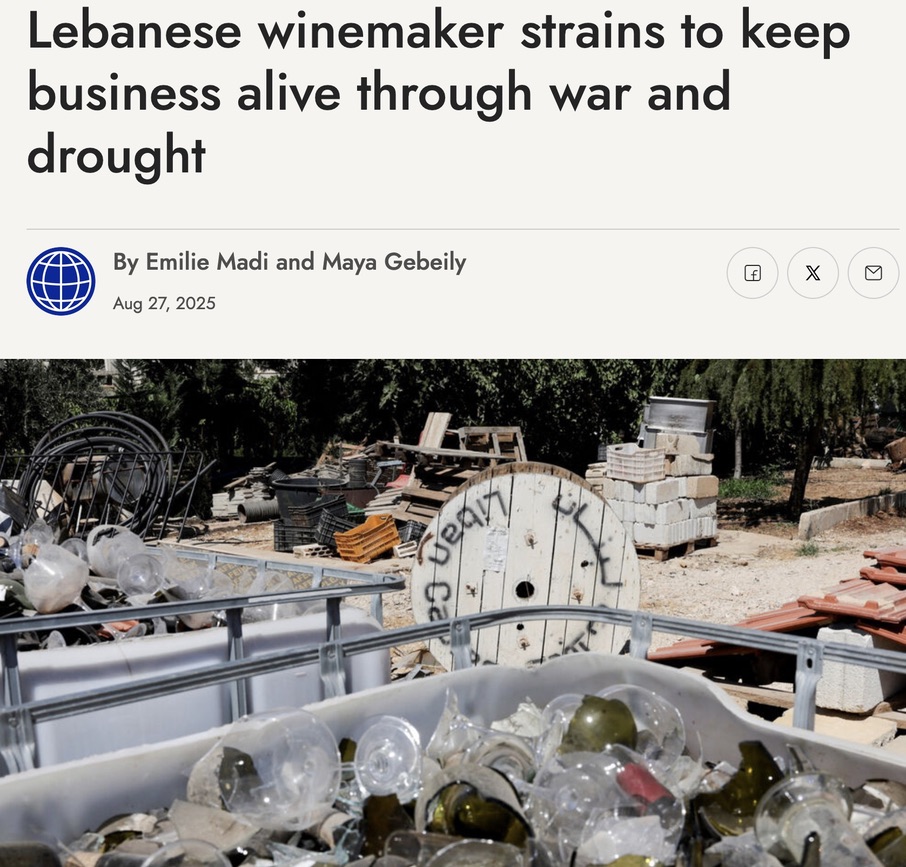
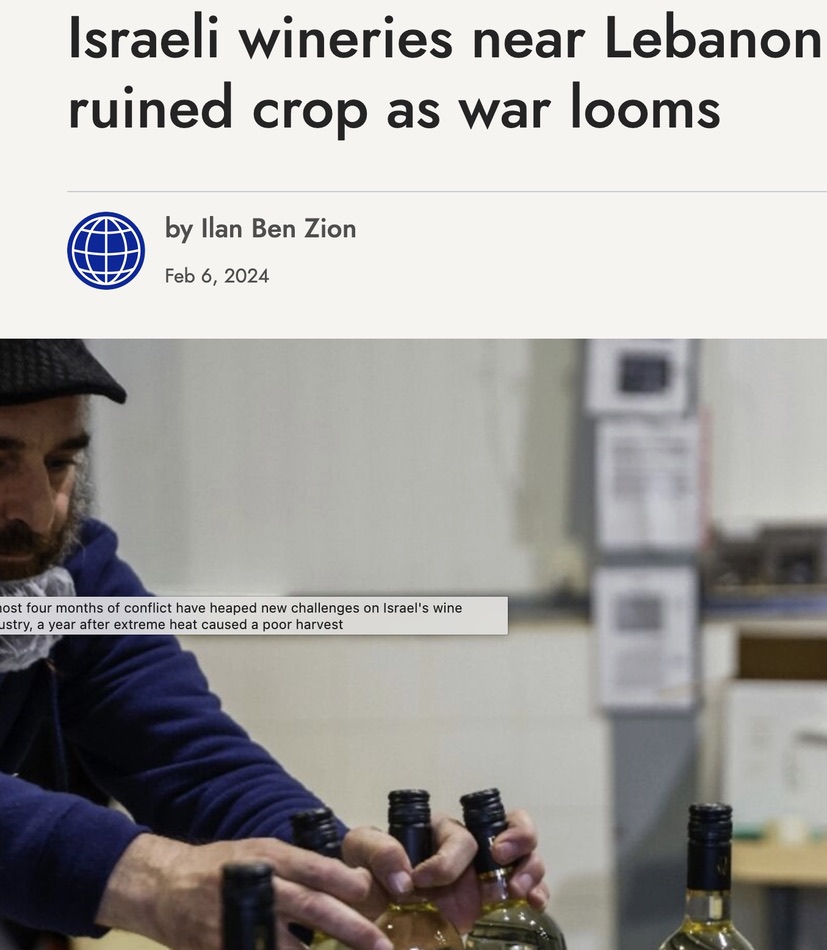
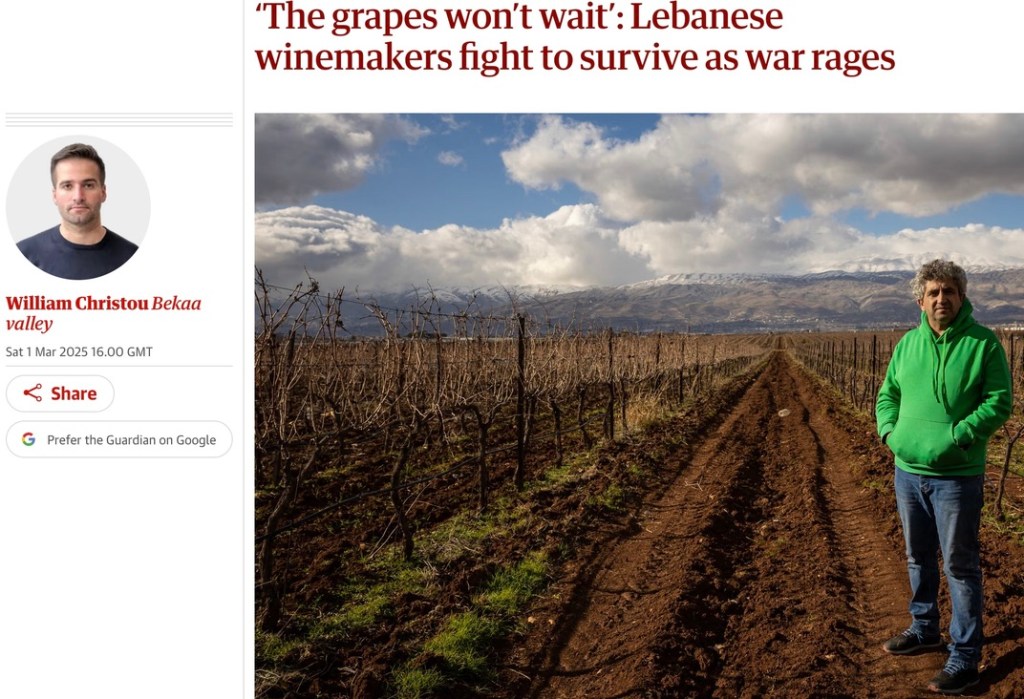
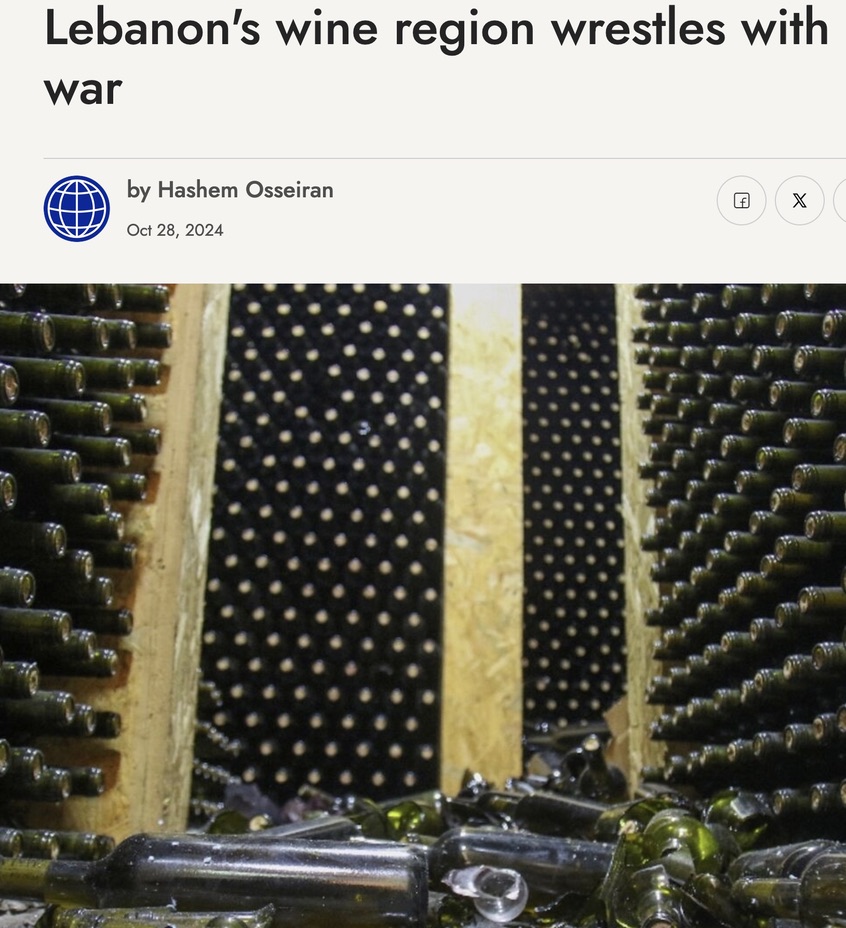
Mid East Al-Monitior: “Lebanese winemaker strains to keep business alive through war and drought”
https://www.al-monitor.com/originals/2025/08/lebanese-winemaker-strains-keep-business-alive-through-war-and-drought
Lebanon’s wine region wrestles with war
The eastern Bekaa Valley, a vast agricultural area that accounts for the bulk of Lebanon’s world-renowned wine production, is one of the parts of the country hardest hit by recent Israeli strikes.
Israel says it is targeting Hezbollah positions in the area which borders Syria, and the air raids usually come without warning.
https://www.al-monitor.com/originals/2024/10/lebanons-wine-region-wrestles-war
Even Iran another major side in this war is represented by this story;
For Iranian refugees, French wine harvest part of anti-government ‘struggle’
https://www.al-monitor.com/originals/2023/10/iranian-refugees-french-wine-harvest-part-anti-government-strug
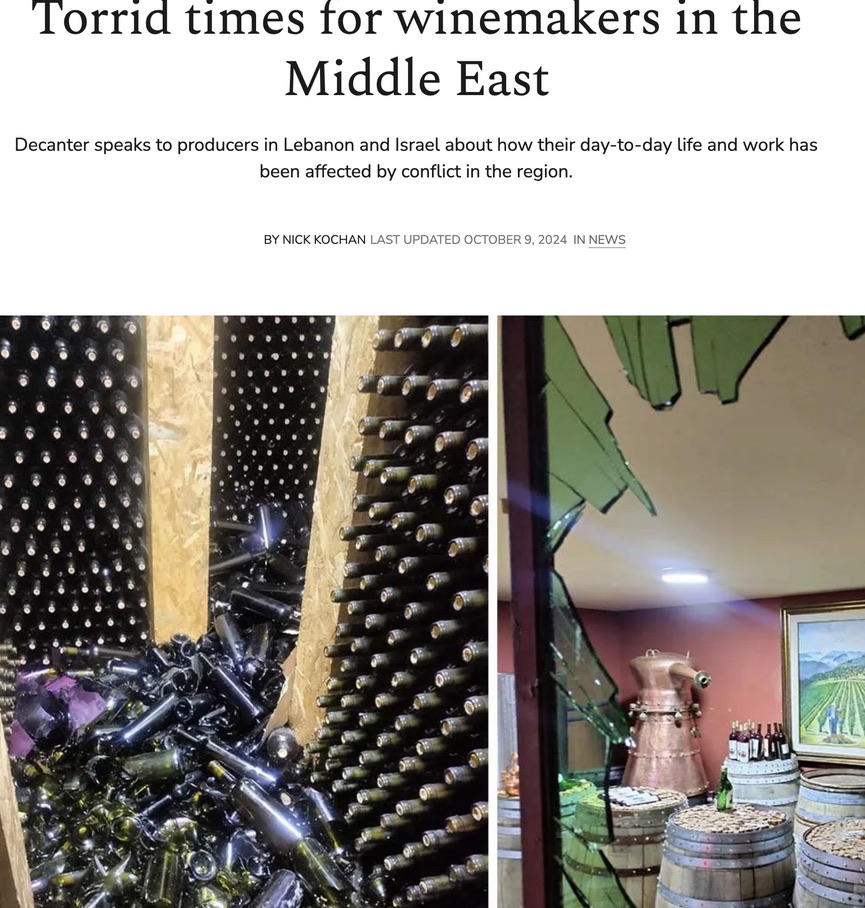
Decanter Wine Magazine: “Torrid times for winemakers in the Middle East”
An article describing damages to wineries on both sides that concludes:
A unity around wine is perhaps the best hope for both warring parties. ‘We hope we can get through this quickly and resume our lives and spread the message of love through our bottles to the world,’
https://www.decanter.com/wine-news/torrid-times-for-winemakers-in-the-middle-east-540466/
Damage to wineries on the Israeli side:
Pelter Winery
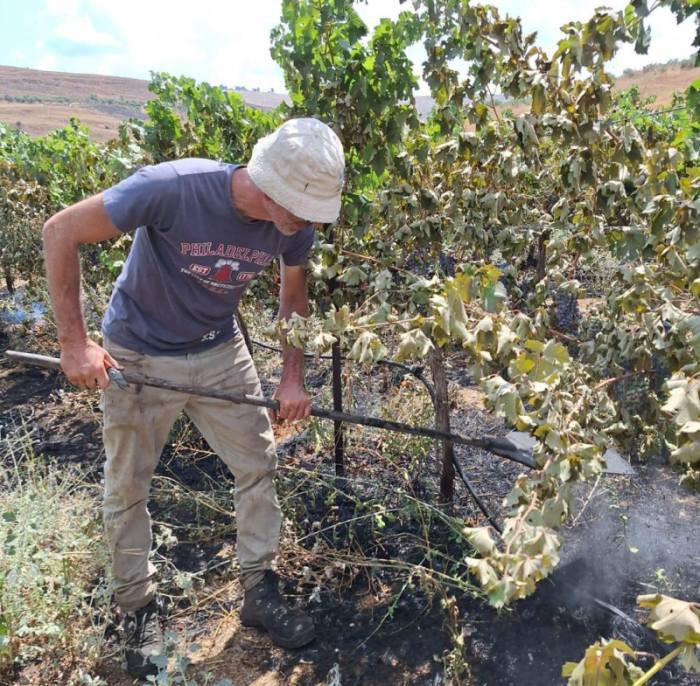
Pelter Winery in the Israeli Golan Heights reported a direct damage to its vineyard on the Lebanese border and 20 dunams of Cabernet Sauvignon and Shiraz grapes were burned.
Wine vineyards caught fire, hundreds of hectares of vineyards and fruit orchards burned down: huge economic damage in the north of Israel, due to Hezbollah’s constant firing rocket that led to fires in open areas, which directly damaged wine vineyards, Infrastructure damage: Beyond the burning of the vines themselves, the falls destroy irrigation systems, fences and infrastructure essential for the processing of the vineyard.
Economic damage: The destruction of vineyards leads to the loss of an immediate crop and long-term damage to the production capacity of wine vineyards.
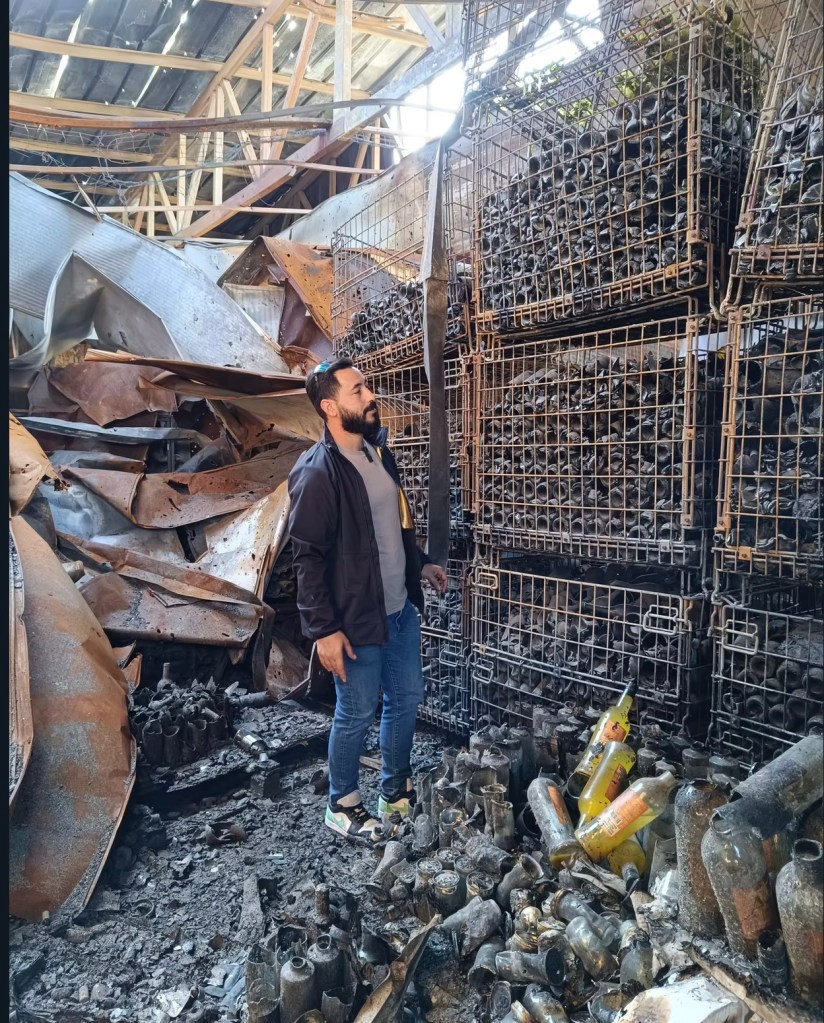
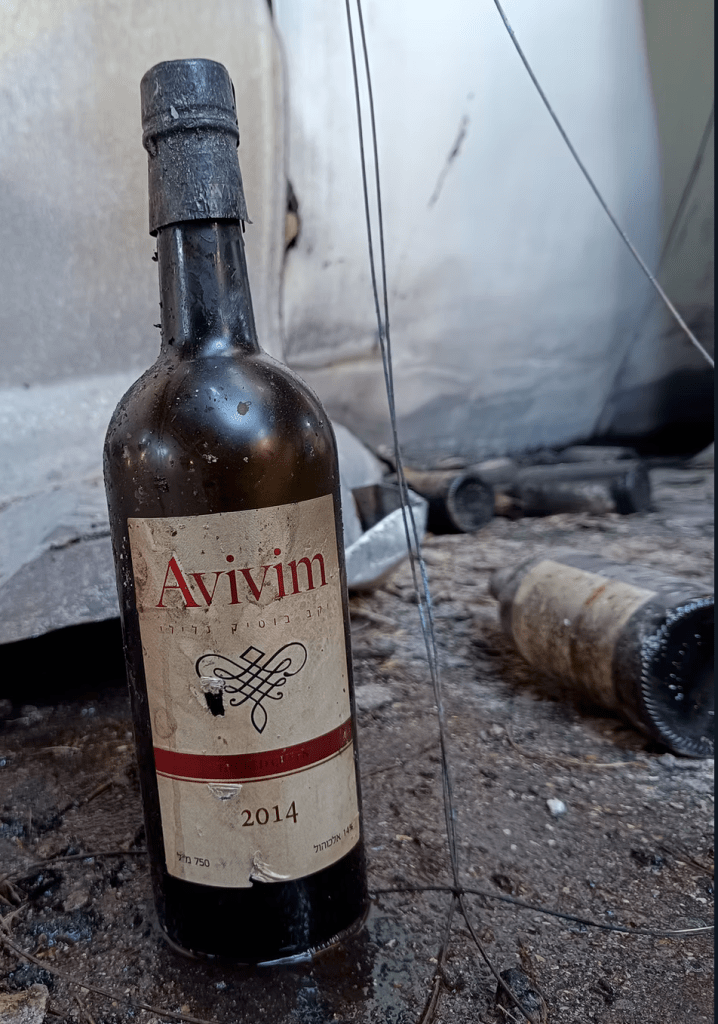
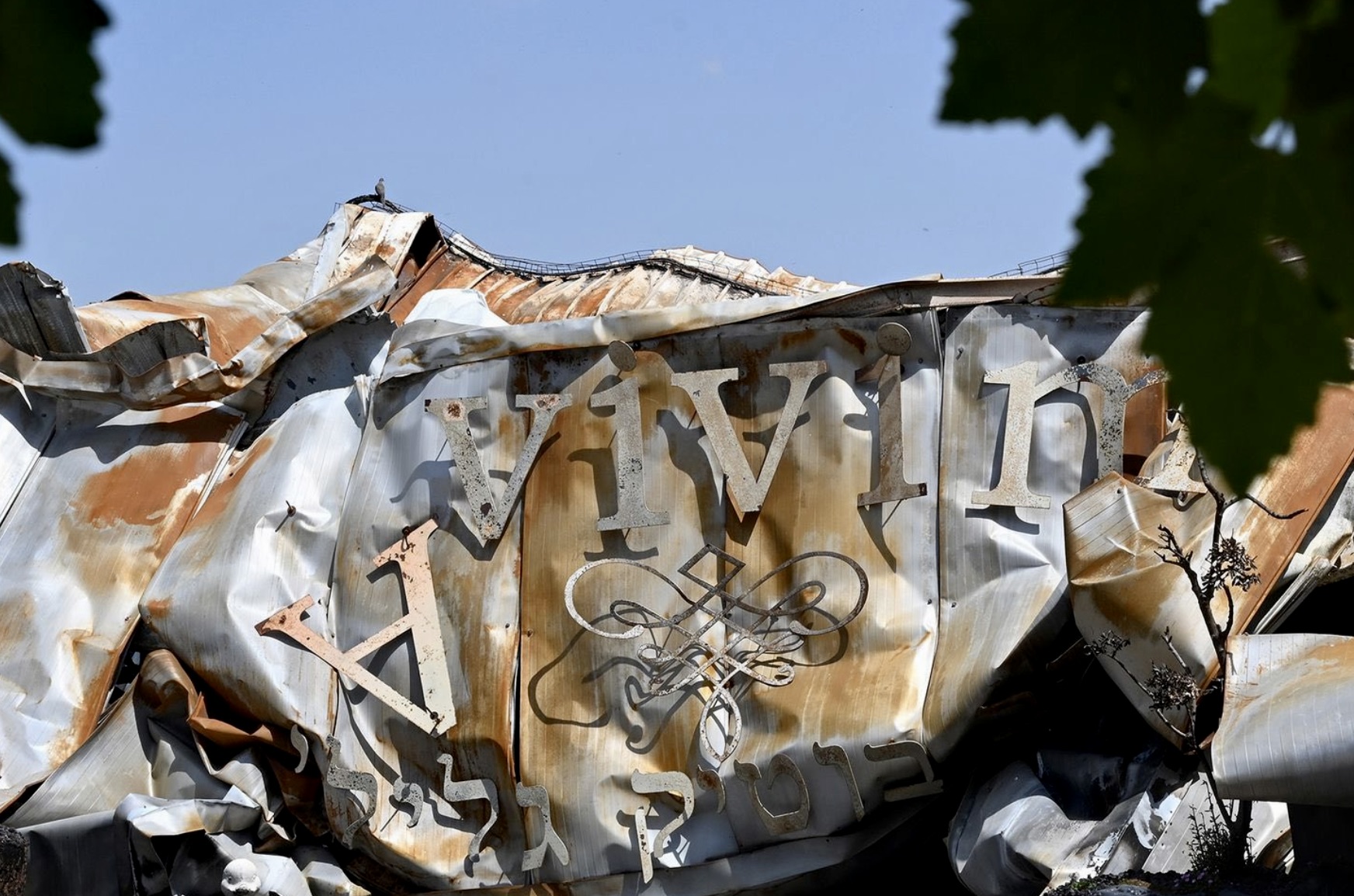
Avivim Winery right on the Lebanese border was Reduced to Ashes by a Hezbollah missile which destroyed the Biton family’s life’s work in Moshav Avivim. The winery, which it established over seven decades, was burned to the ground. An incident that only by a miracle ended without casualties. But left family torn between the desire to hold on to the ground, and a longing for a quiet life away from the burning northern Israeli border.
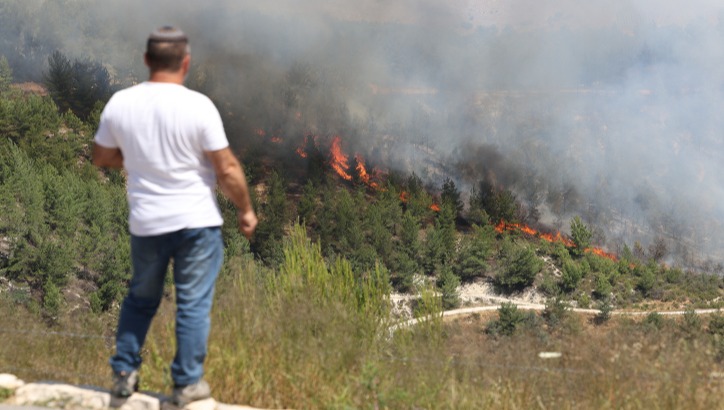
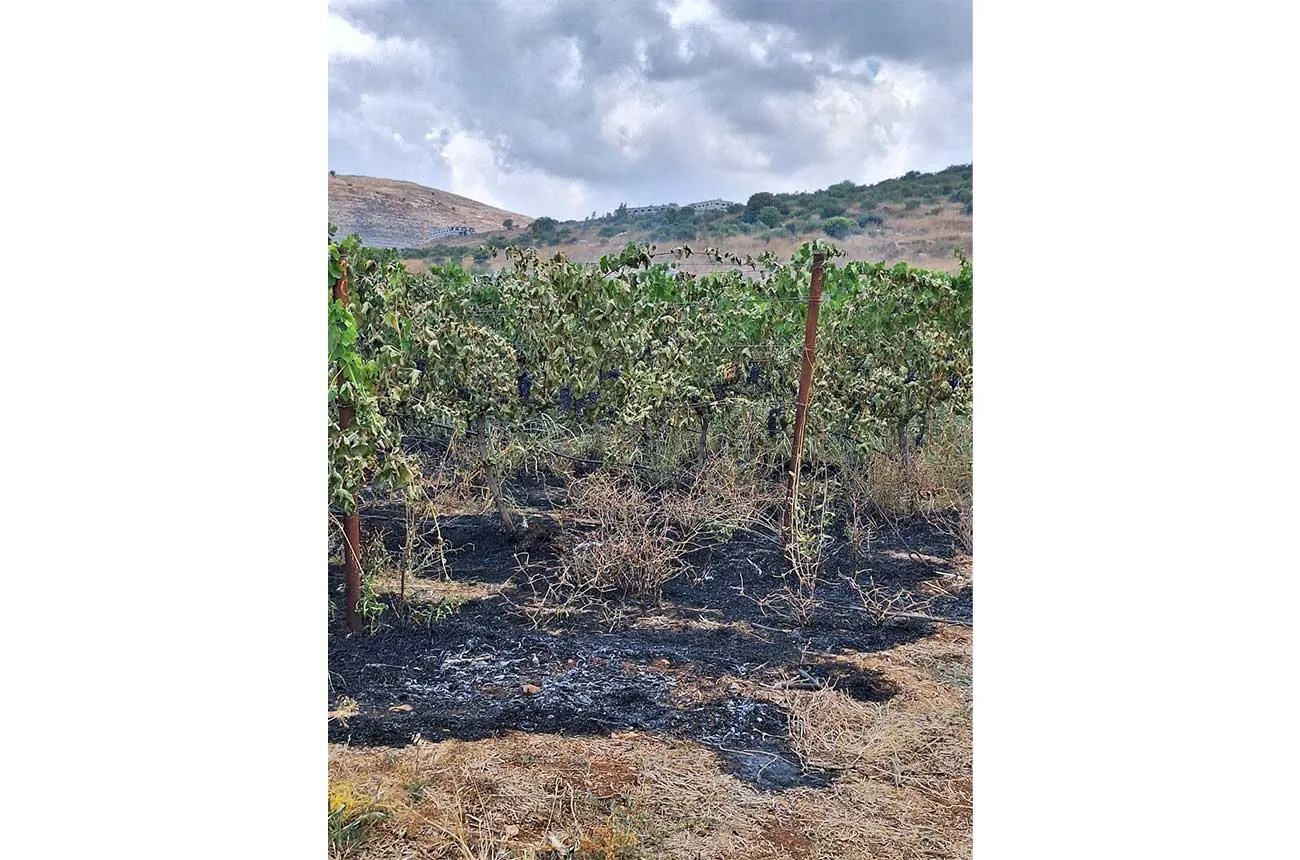
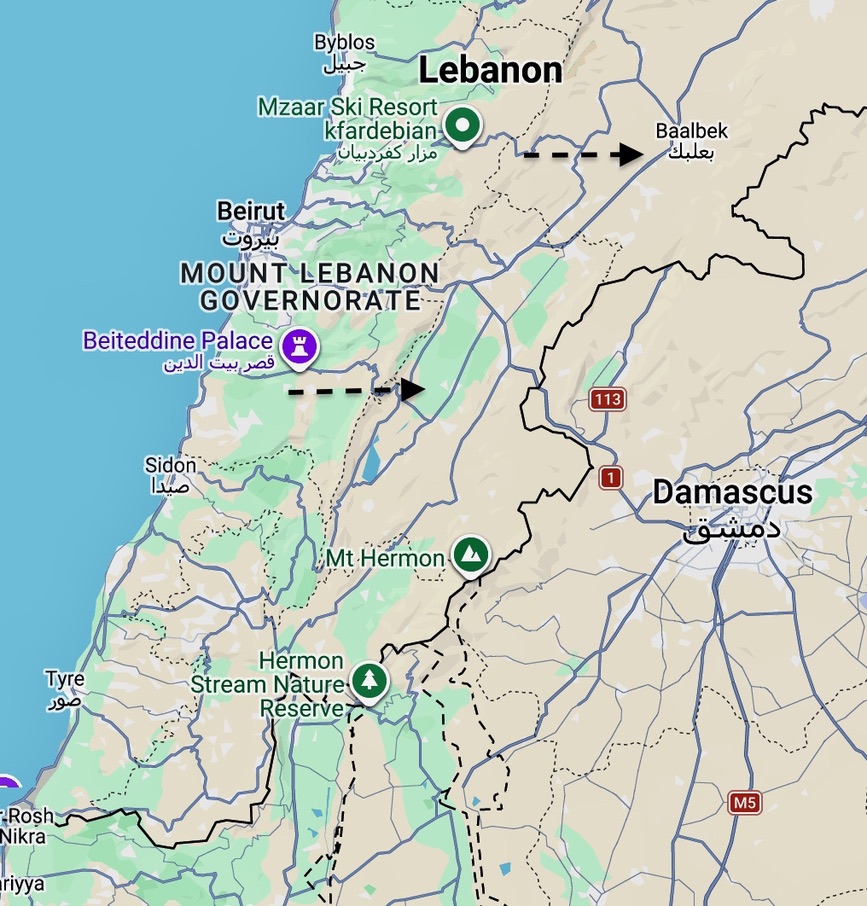
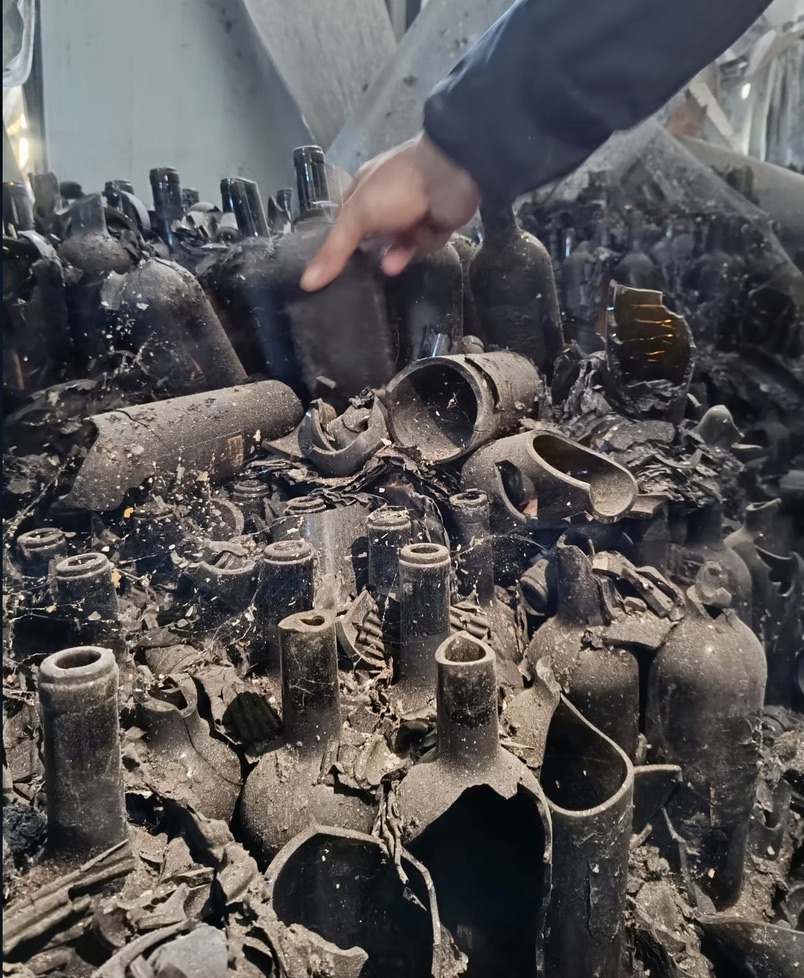
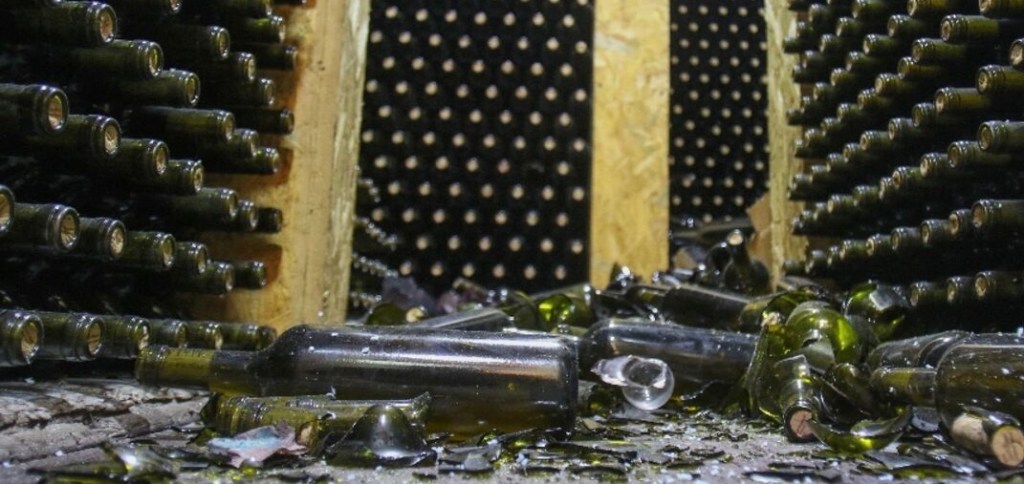
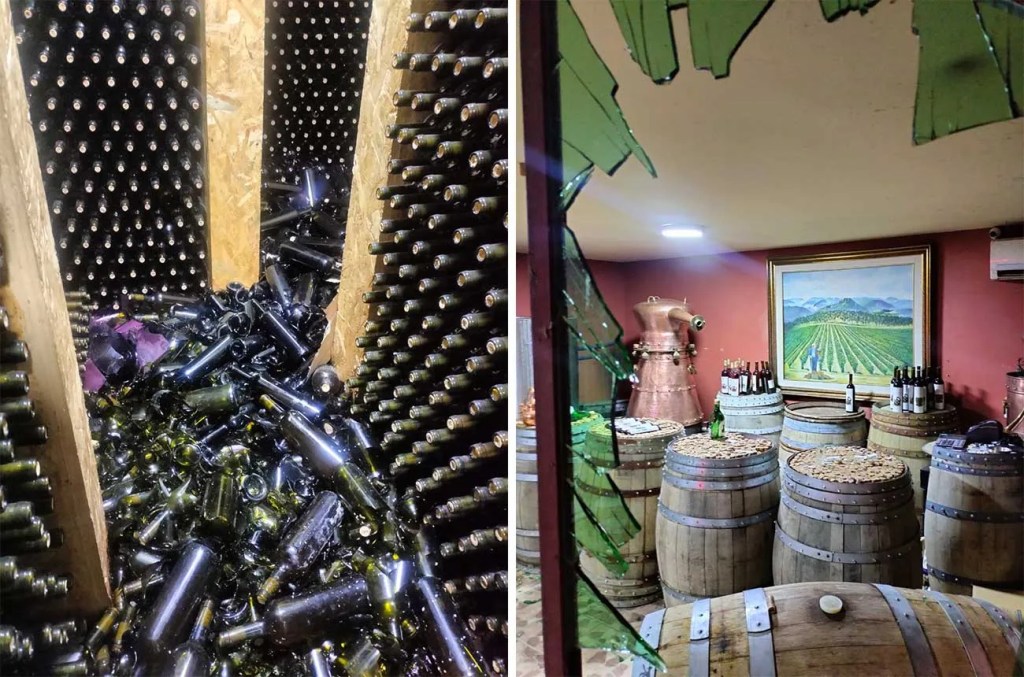
On the other side of the border in Lebanon Lebanese wineries, particularly in the Bekaa Valley, face severe disruption from intensified Israeli airstrikes during the 2024–2025 conflict. Bombing during peak harvest (September) caused significant production losses, damaged infrastructure, and shattered hundreds of thousands of bottles at producers like Chateau Rayak. Their Vineyard access was blocked,
Others, such as Coteaux Du Liban in the Bekaa, reported up to 20% grape losses.
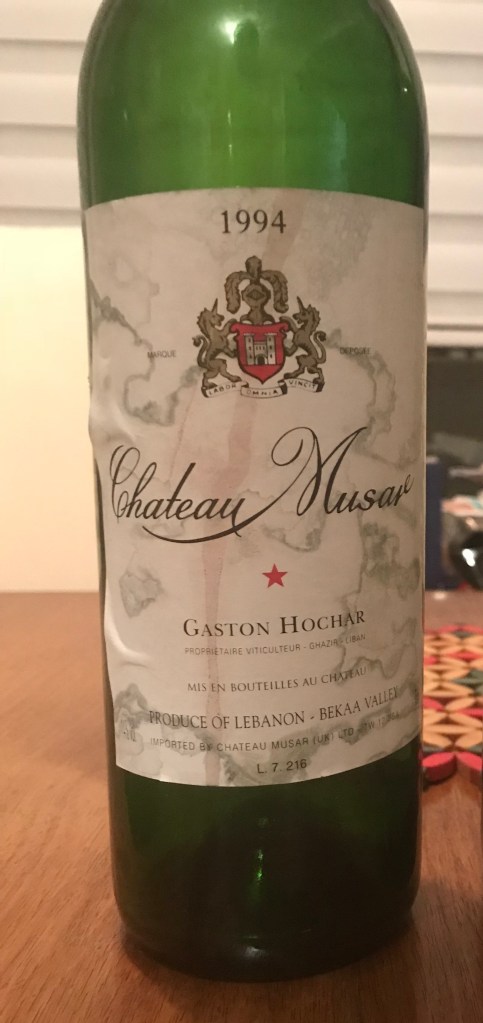
Chateau Musar
For the last 50 years Musar winery – Chateau Musar struggled to survive between inner and external wars. During the Lebanese civil war of 1975 to 1990. It was a formative time for their wine and for its creator, Serge Hochar, who was only just beginning to trust his grapes (as he famously said) to ‘become what they wanted to be’.
From 1975, he had no choice. They were harvested when the shelling paused; their 35-40 Km transit from the Bekka valley to the winery in Ghazir (24 kilometres north of the capital Beirut), avoiding militia check-points took a long time (sometimes days!!), and winemaking could only happen when the coast road was clear and Serge could reach the winery.
The wine he made during this time had to find its own way past the delays and disruption caused by war, and miraculously it did so. Serge called his 1982 ‘a pure wine of war’.
Than 80 hectares of Hochar vineyards in the Beka’a Valley became the frontline for Israeli and Syrian tanks, the grapes only harvested by chance when a break in fighting allowed the loyal Bedouin grape-pickers to dash in and collect what they could. And yet the wine was to become an elegant, mellow red full of soft fruits and pomegranate charm – Andrew Jefford called it ‘typically Musar in its enigmatic simplicity/complexity’.
Their Lebanese heritage, charted right the way back to Phoenician times, over 4,000 years ago, has had a dramatic influence on the way the vine is grown in our land. The Phoenicians were the first to cultivate the vine professionally and to trade wine internationally; they then taught the Greeks their oenological skills, and earned the admiration of the Romans for their links to market. from https://chateaumusar.com/
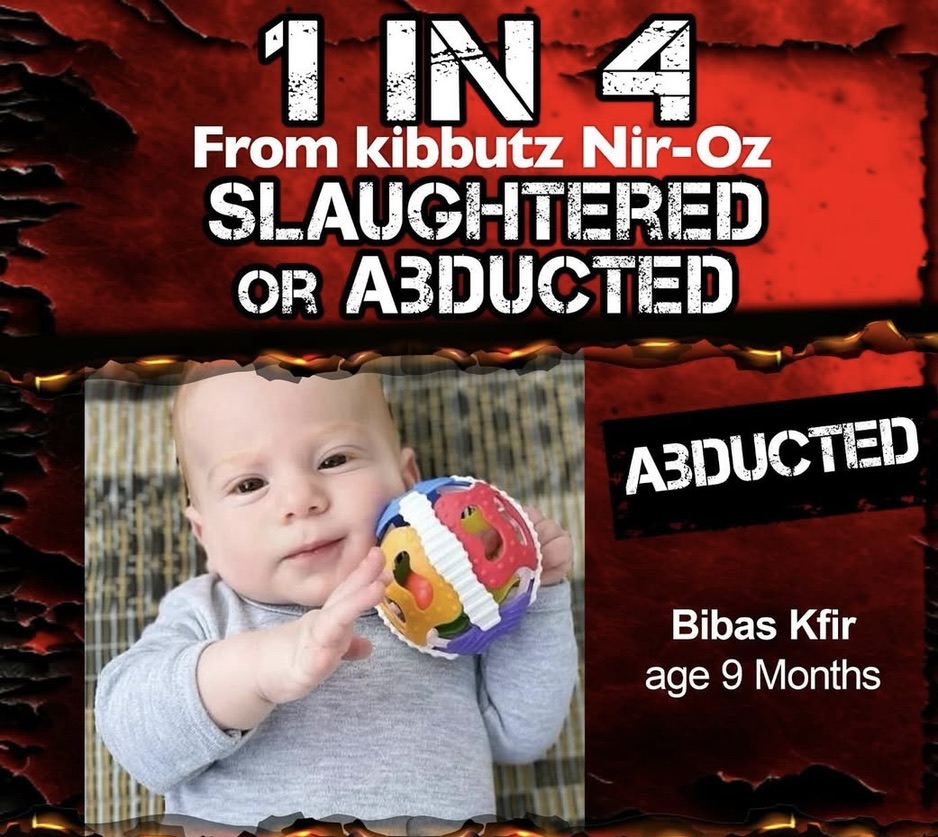
Back to the Israeli side this time down south in the Negev desert a few meters from the Israel-Gaza Border the story of a winery in Kibutz – Nir Oz, the most affected Israeli settlement by the 7/10/23 Hamas surprise attack / massacre on Israel.
Gideon Fauker Alongside his public work, cultivated a personal dream, he plant a small vineyard and created wine from it. In 2006, Gideon turned the dream into a reality, and together with his friends, Haim Perry, Yoram Metzger,Gadi Moses they founded the Nir Oz Winery, which was a space for creativity, making wine from grapes that they grew with difficulty in a harsh terroir, and cultivated in the dessert a hobby filled with love for their pleasure of their Kibutz friends and colleagues.
The surprise Hamas attack on Israel a massacre took place all along the Israeli settlements bordering the Gaza Strip, especially in Kibutz Nir Oz, in which Hamas terrorists murdered 50 members of the kibbutz and kidnapped 76 members to the Gaza Strip (a total of about a third of the total members of the kibbutz). 14 of the hostages were subsequently murdered in captivity, a total of 64 dead innocent people.
As John Steinbeck said :
“War is a symptom of man’s failure as a thinking animal.”
Of the four members of the kibbutz who founded the “Nir Oz Winery”, three were murdered on October 7 in Hamas captivity – Gideon Fauker, Haim Perry and Yoram Metzger, The fourth partner Gadi Moses was released from PIJ captivity after 482 days.
In their memory the children and grandchildren of Gideon Pauker, founder of the winery and as a continuation of the path of their father-grandfather, who loved the land and wine and saw them as a way of life. They chose to continue Gideon’s path. Thus was born a new winery and vineyard in the western Negev, Pauker winery which continues and perpetuates Gideon’s work, vision, passion and aspiration.
https://pauker.co.il/
Another wine angle relating to Kibutz Nir Oz and wine is The Lifshitz Family, who’s father / Grandfather Oded (age 83), was murdered in Hamas captivity and his wife Yocheved the family’s Grandmother (age 85) was amongst the first to be released on “ Humanitarian ground” back on October 23rd 2023 (day 17 of the War).
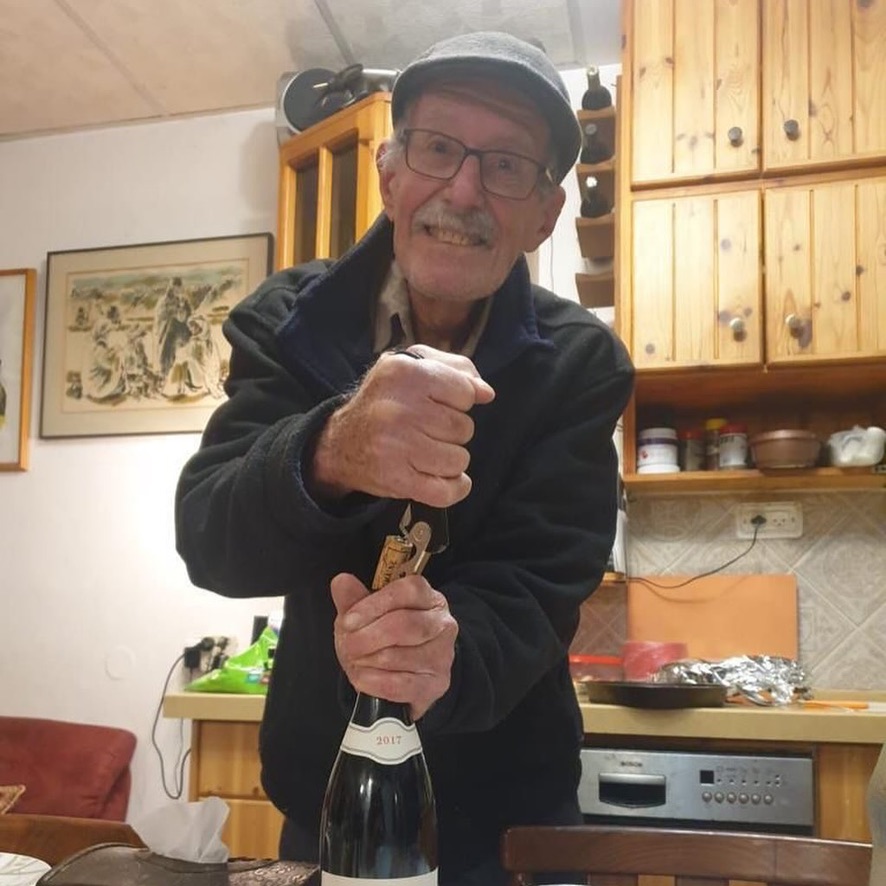
Oded Lifshitz RIP
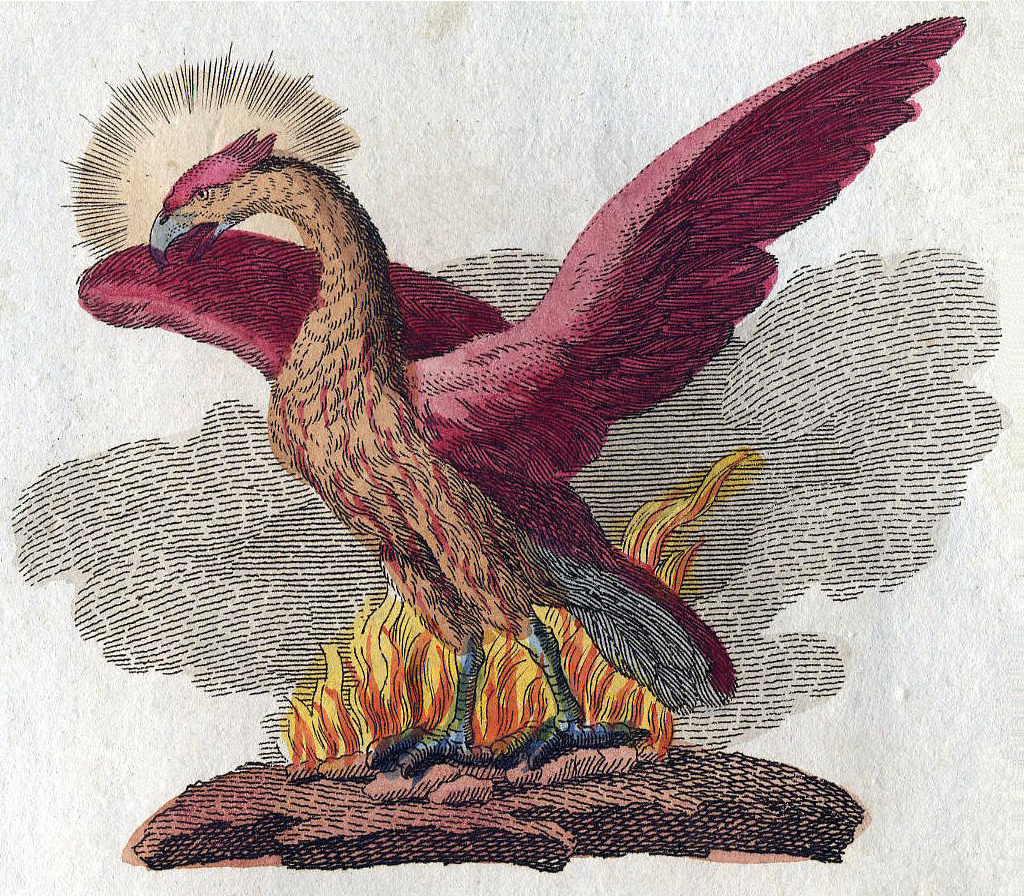
Her grandson Daniel Lifshitz is the founder, of Bourgogne Crown (wine imports). He looked for tiny and promising wineries in Bourgogne, along with the wineries that have already made themselves a name. Nowadays Daniel, together with Assaf Rosenthal, are in constant search for the special wines that express the unique line they are looking for. The collection of wines that entered the portfolio was carefully selected and offered at a fair price on a global scale. They express a combination of classical and innovative, lightness and elegance, and especially respect those who create them and those who drink them. https://bourgognecrown.co.il This is the ultimate symbol that “wine people” always rise from the ashes, exactly like phoenix the mythical bird known for regenerating from its own ashes. Stories from all wine-makers on both side of a conflict who suffer from war, are a living testimony to their inner strength and vigor all to make sure wine making MUST GO ON.

I guess I’m trying to show, with very little success (being personally involved) that:
“in war all sides are losers” War has a catastrophic impact of conflict on human civilization, surly the destruction of life and resources is too high a price for political goals. Only the dead have seen the end of war.
To conclude others said it much better than I can:
The war… might have been avoided if forbearance and wisdom had been practiced on both sides. — Robert E. Lee
Religion isn’t the cause of wars, it’s the excuse. ― Jasper Fforde
War is what happens when language fails. ― Margaret Atwood
And a warning :
I know not with what weapons World War III will be fought, but World War IV will be fought with sticks and stones. — Albert Einstein
with a broken heart and hope for a better future
Your wine guide

