
Category: WINE & FOOD
PIZZA with a twist, Bless the Dough
Homemade PIZZA and other stuff
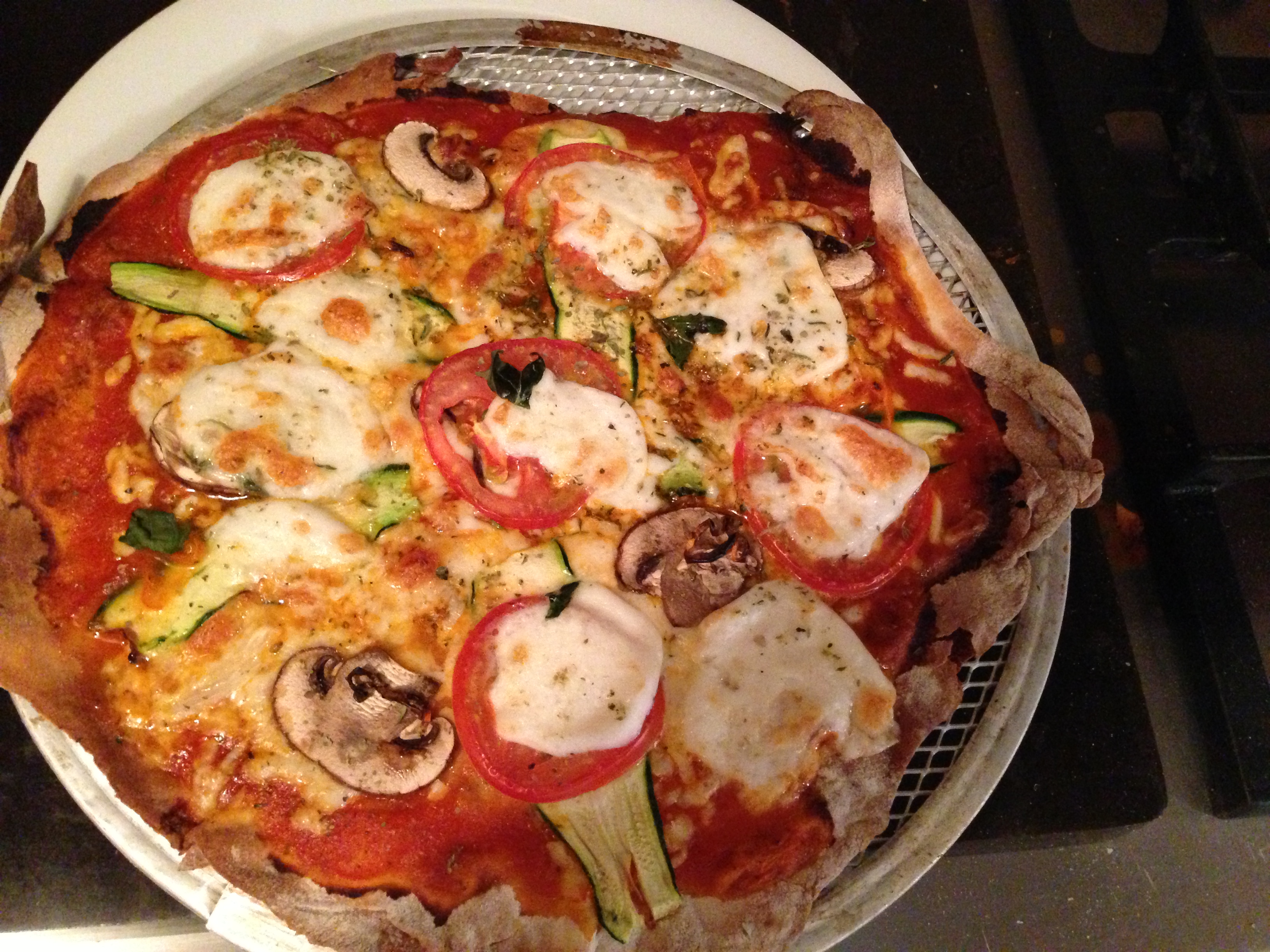

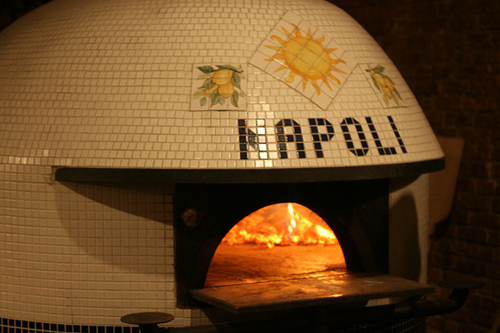 Legend attributes modern pizza to a baker from Naples Raffaele Esposito. In 1889, Esposito who owned a restaurant named: The Pizzeria di Pietro, baked what he called “pizza” especially for the visit of the Italian King Umberto I and his Queen Margherita. Of the three different pizzas he created, the Queen
  preferred the pie with the colors of the Italian flag: red (tomato), green (basil), and white (mozzarella).The legend continues that this kind of pizza was then
  named after the Queen: Pizza Margherita. This legend as all legends go, is a nice story with no real references and remains a pretty Urban Tale.
Modern pizza originated in Italy as Neapolitan flatbread. Since most Neapolitans could only afford inexpensive food, flatbreads with various toppings: Pizza, became popular and was eaten for any meal and sold on every street corner. Early pizzas consumed by Naples’ poor, featured the tasty garnishes, such as tomatoes, cheese, oil, anchovies garlic and local herbs mainly Oregano and Basil.
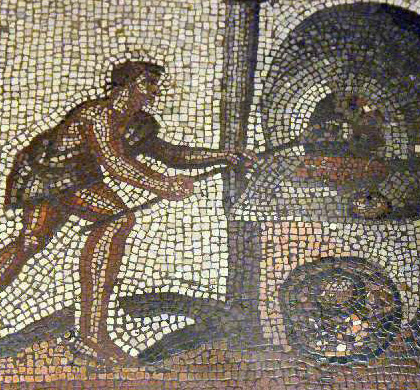 Some say the word pizza from the Latin verb Pìnsere, to press, or Greek in origin from the Greek pēktos, (meaning “solid” or “clotted”), The ancient Greeks covered their bread with oils, herbs and cheese. The Romans developed placenta, a sheet of dough topped with cheese and honey and flavored with bay leaves. In Byzantine Greek, the word was spelled πίτα, pita, meaning pie. The word has also spread to Romanian as pită, Turkish as pide, Bulgarian, Croatian and Serbian called it pita, Albanian as pite and Modern Hebrew pittā.. (Wikipedia)
History of Pita, extends far into antiquity, all over the ancient world, flatbreads, leavened or not, are among the most ancient breads, requiring no oven or utensils to make. Pita or pita bread is as you know a round pocket bread widely consumed throughout the Middle Eastern countries, in Cyprus, even the Balkans, North Africa, the Levant, Iran, Armenia, Turkey, and parts of the India as chapatti or Naan. The “pocket” in pita bread is created by steam, which puffs up the dough. As the bread cools and flattens, a pocket is left in the middle. But flattened dough of varying thicknesses baked in ovens, Tandoors or tanoors with various toppings exist in most culinary cultures around the world.
 Armenian spicy meat pies called Lahmajoon and are made sold in all Armenian streets, the dough at the base is almost paper-thin (similar to a Mexican flour tortilla) and tender with crisp edges; rolled up in a piece of paper served fresh out of the oven, it is basically an Armenian “personal pizza” with very thin crust and a spiced ground lamb and pine kernels topping. Same as the Armenian LAHMAJOON are the Turkish LAHMACUN, or Arab Lahmajoon لحم بعجي, lahm bi’ajīn “meat with dough sold and eaten all over the middle east countries. It is again, a round, thin piece of baked dough topped with fried minced meat (most commonly lamb) and diced vegetables onions, tomatoes and parsley and herbs including, Lahm Bi’ajīn is often served sprinkled with roasted pine kernels.To name just a few non Italian still same part of the world / Mediterranean examples. Pizza like dishes were eaten by many peoples in the Mediterranean including the ancient Greeks and Egyptians.
 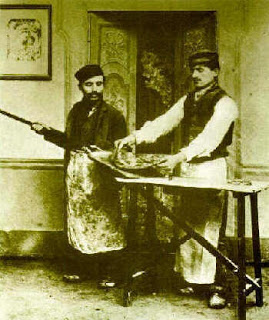 Pizza is considered a peasant’s meal in Italy for centuries. Still each person rich or poor has his own preferences and will visit regularly his “Local” favorite Pizza place which obviously serves “THE BEST PIZZA“. They will all agree that the most important features of Pizza are the touch of the baked dough, and the quality and taste of the sauce.
My preference for home baking is the Basic Pizza recipe by Antonio Carluccio from the book Complete Italian Food, what a wonderful cookbook, a version of which could be found in: http://www.antonio-carluccio.com/pizza
Makes 4 x 28cm (11 inch) pizzas (I make them thinner and slightly larger making 5-6 pizzas:
 220 ml warm water
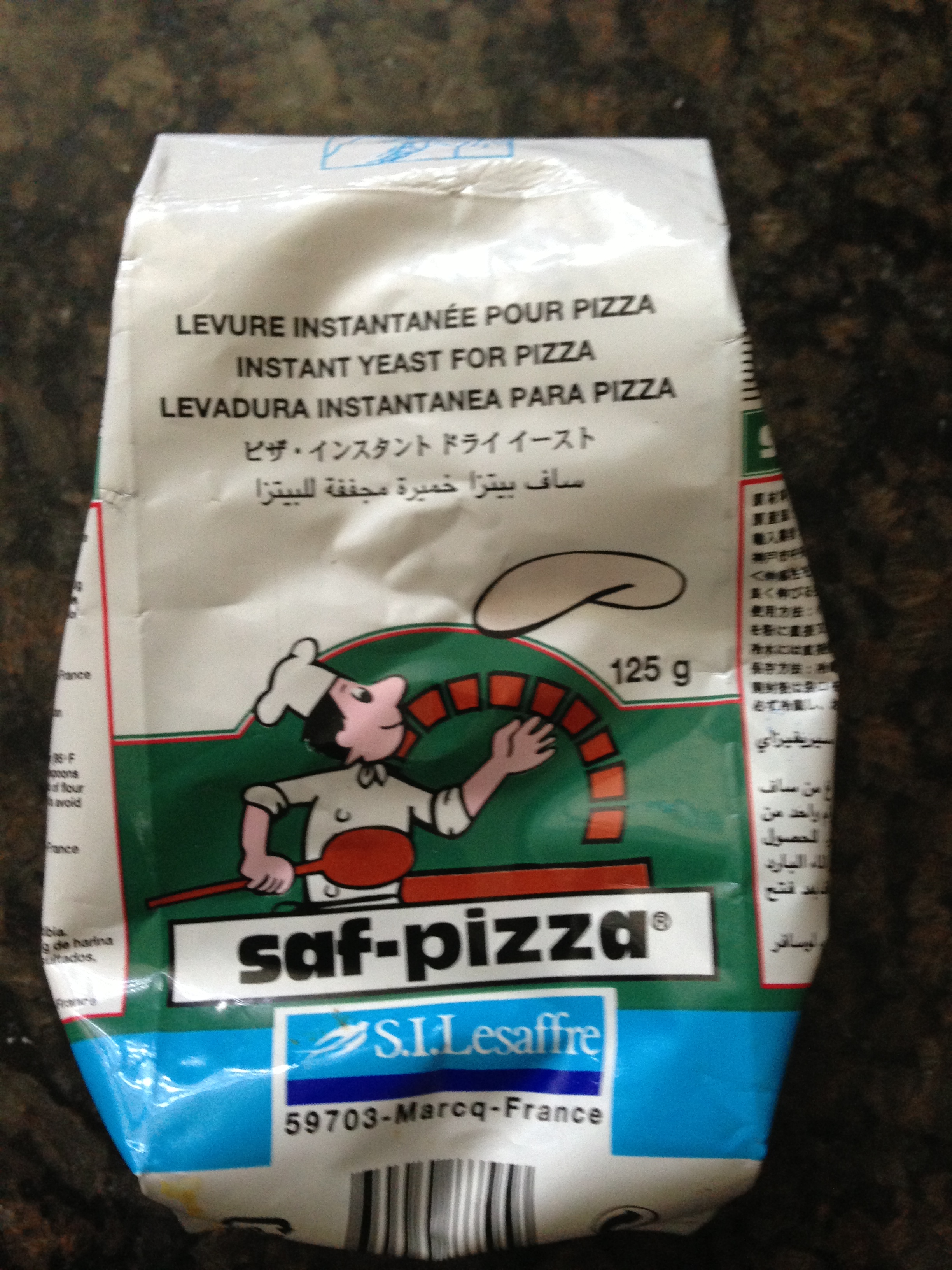
30g fresh yeast or the dried equivalent, (quantity of dried yeast: see the maker’s instructions per amount of flour)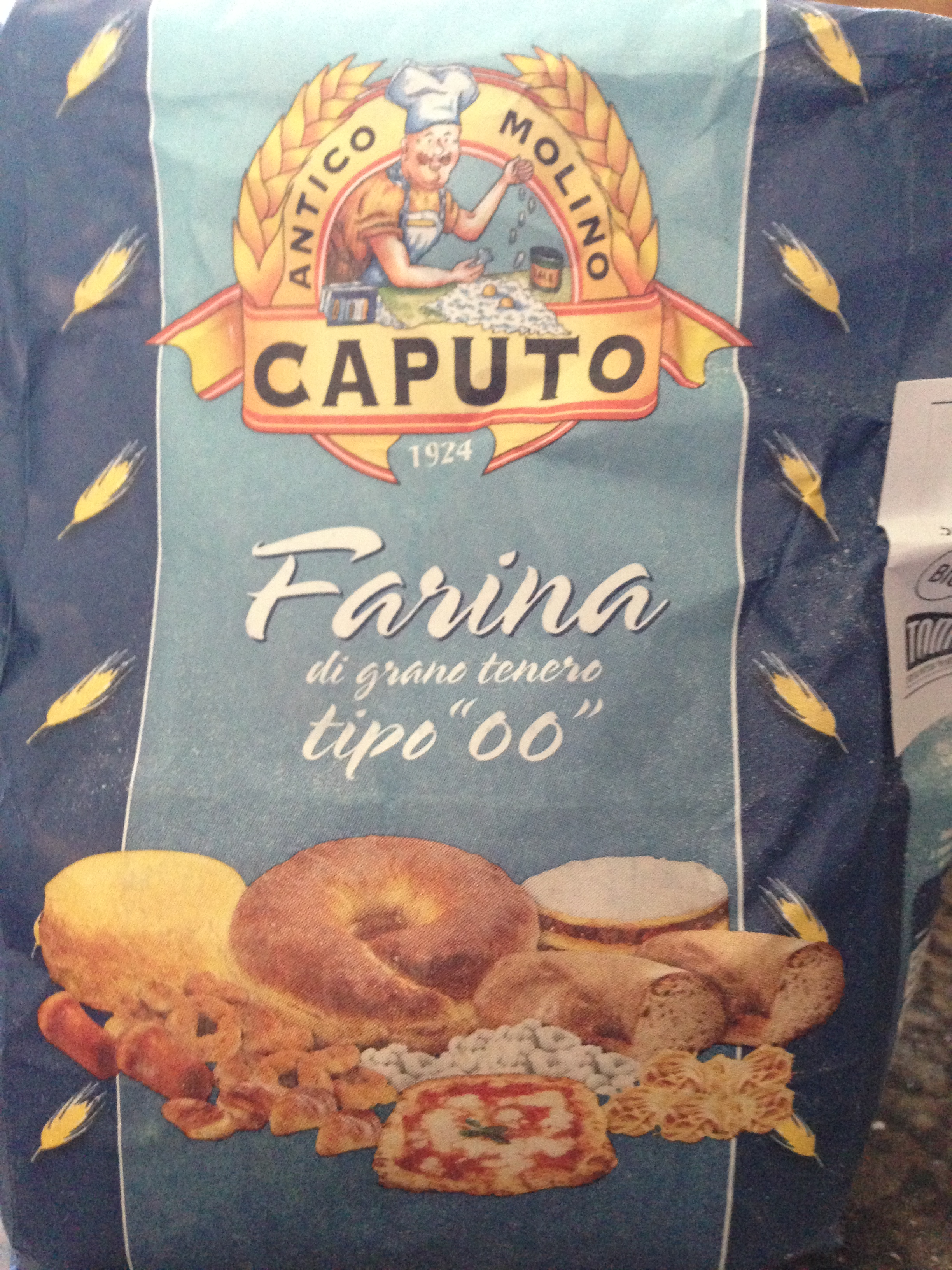
1 tsp Sugar
A pinch of salt
3 tbsp olive oil, plus extra for greasing
500g ’00’ flour (Doppio zero), plus extra for dusting
1 tbsp dried Oregano (Only if you want some oregano smell in the dough)
Dissolve the yeast in the warm water to which you have added the sugar Leave to froth, about 10 minutes. Pour the flour and salt into a mound on a clean work surface and make a hole in the centre of it (or use a mixer with the dough hook). Add the yeast mixture and olive oil drop by drop into the centre of the flour, mixing with your hands until all the liquid is absorbed, forming large lumps. Knead the dough with your hands until it has a smooth texture, then roll it into a ball. “A good pizza depends on the quality of the dough used” (Antonio Carluccio and me).
Next, sprinkle some extra flour into a large bowl, and place the dough in it, spreading a little oil over the top to prevent a crust forming. Cover the bowl with a dry linen cloth and leave to rise for an hour in a warm place – not less than 20 C/ 68 F. (“It was at this stage that my grandmother used to ‘bless’ the dough by making the sign of the cross in order that it should turn out well” Antonio Carluccio) I guess she was giving thanks to St. Honoré, the patron saint of bakers and pastry chefs. After this time the dough should have increased in volume by about three times.
A homemade pizza should have it’s personal signature just like any professional Pizzeria or “favorite pizza place”, my Pizza sauce is this signature. I am sure you can find or concoct any good old tomato based pizza sauce mine has a twist enhancing the wonderfull fragrance of the sauce and not relaying solely on the quality of herbs (Oregano, Basil etc.)
Bell Peppers Pizza Sauce:
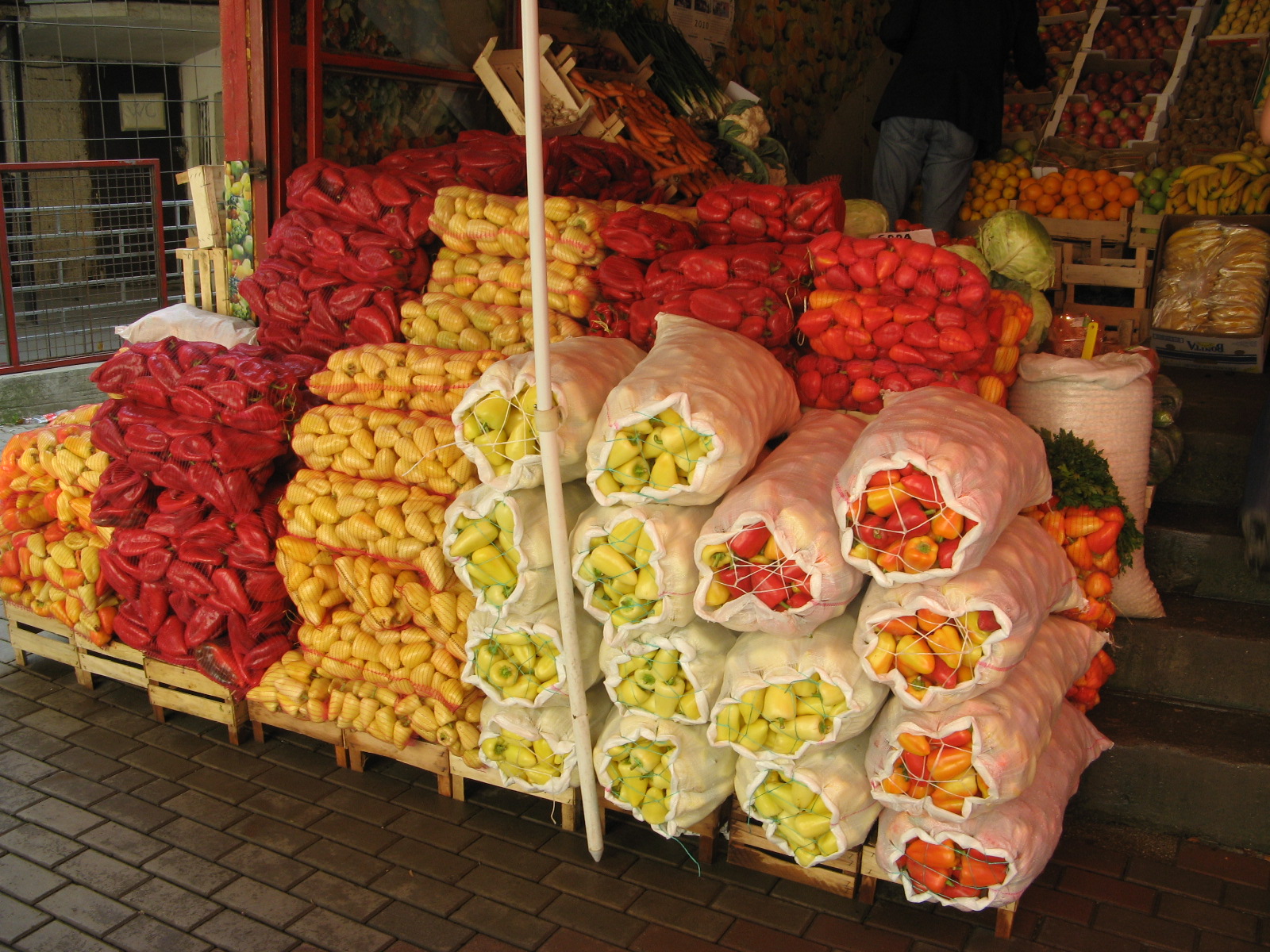 This is an easy sauce to prepare. Use only Red, Orange and Yellow Bell peppers, the specific scent of Orange peppers is the key.
Olive oil to line a good size pot
2 Onions cut roughly (quarters)
6-8 large Red, Yellow, Orange bell peppers (cleaned and cut to 3-4 cm squares)
2 garlic clove, chopped
Half of red chilly (or less if too hot) 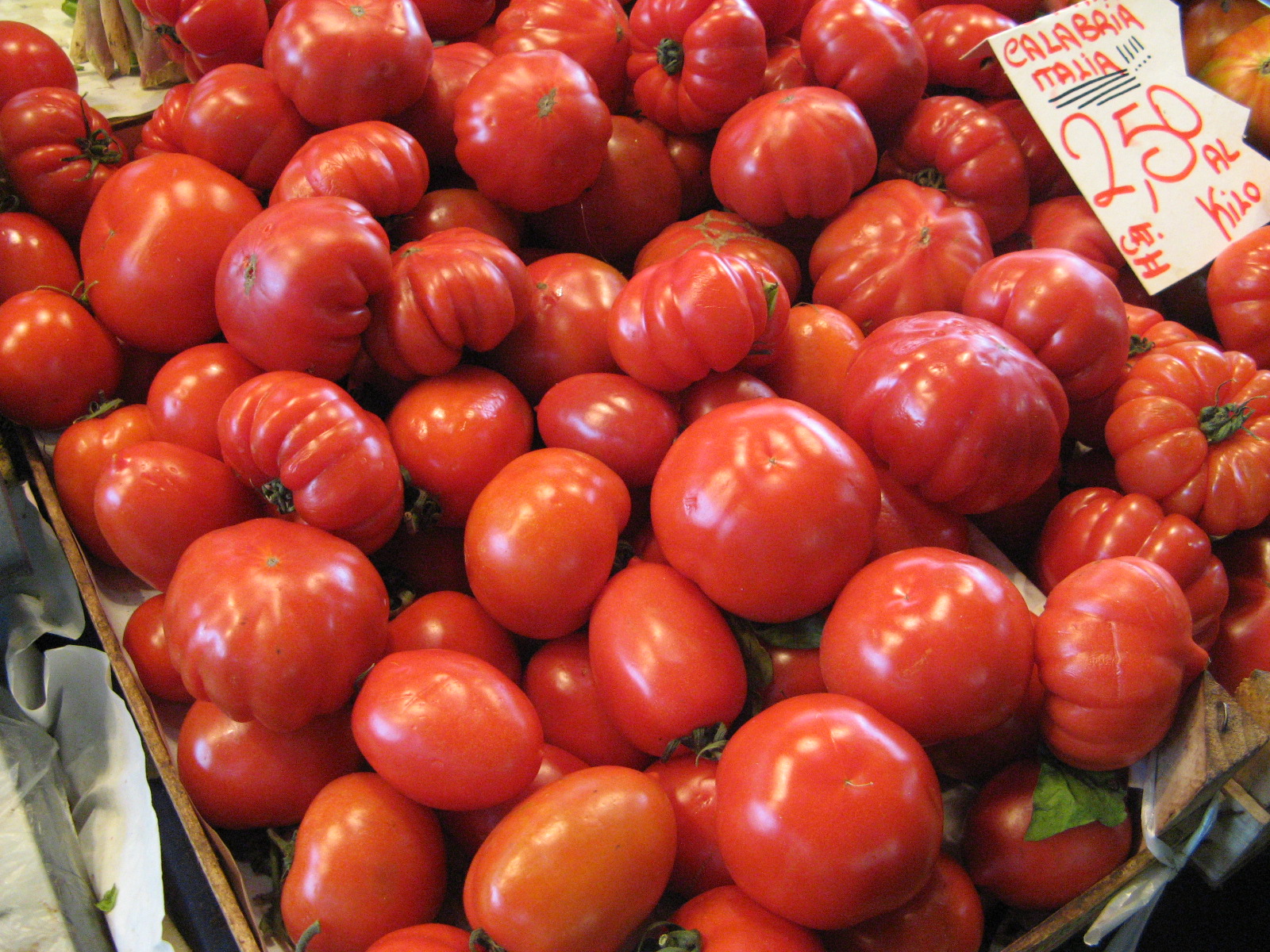
4 ripe plum tomatoes, skinned and halved, or half a can peeled plum tomatoes, chopped in the can, or polpa di pomodoro.
Half glass of wine (white or red)
6-8 stalks of fresh Thyme
10 stalks of fresh Oregano
1 Bay leaf
2 tsp dried quality oregano (I use dried Sicilian Oregano for best quality and strength of smell)
Salt and pepper to taste
For the sauce, heat the oil in a pan, fry the Onions constantly stirring, until lightly browned, you want to get the sweetness out of the onions than add the Bell peppers increase the heat and try to lightly scorch (not burn) their skins, than add the garlic for just a few seconds and then add the tomatoes make sure you have enough but not too much liquid, (eventually after sieving the sauce, you want to achieve a thick sauce). Simmer the sauce, add the green herbs, season with salt and pepper (taste from time to time to adjust seasoning to your taste), keep stirring from time to time, for 15-20 minutes depending on the amount of liquid you need to “loose”
 Once ready take off the heat and let it cool down, in the meantime you can dig out the green herbs by their stalks but this is up to you. I Blitz everything in a food processor
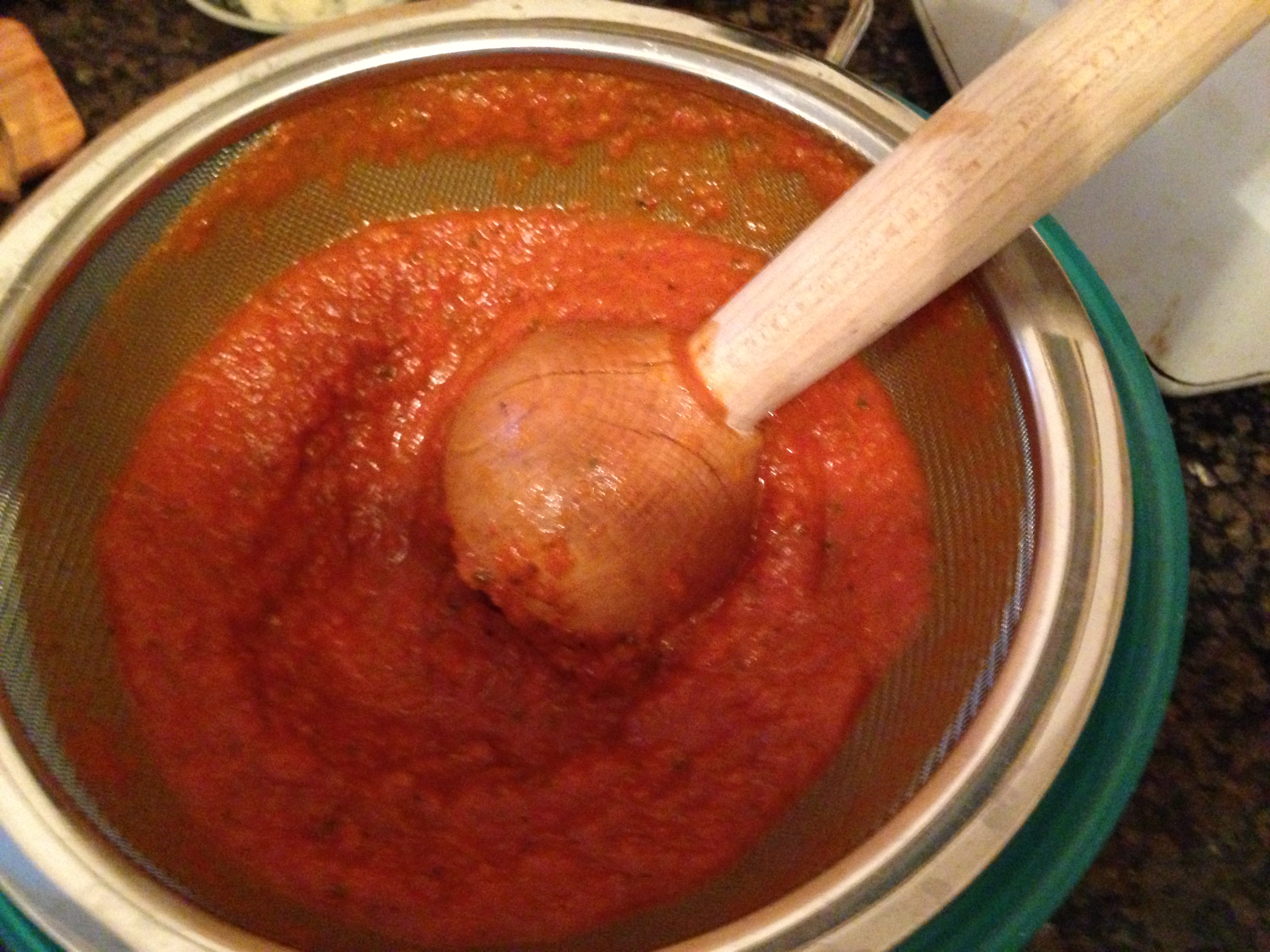 (solids first to achieve smooth paste than add remaining liquids to receive the sauce, strain well and hard in a fine sieve and a wooden ball a bit at a time and discard of all the “solids remains”. Collect the strained sauce in a bowl and keep aside. Prepare a “Mise en place” of all the ingredients you require to make youe pizza toppings

1. The sauce
2. 250 grms of low-moisture mozzarella
2-3 large balls of Mozzarella di Bufala (buffalo mozzarella) sliced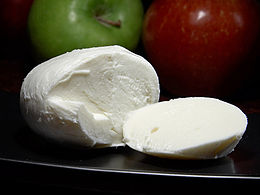
Fresh and dried Herbs: Oregano Basil, Thyme
Very thin slices of ripe tomato
Thin slices of zucchini (sliced with a potato peeler)
Thinly sliced mushrooms (Portobello or brown button)
Zucchini Flowers if in season (Fiori di zucca)
Ultra thin slices of garlic and chilly
Any other topping of your choice
Making the Pizza
Preheat oven to 230-240º C Gas mark 8-9
Divide the dough into four and form into pizzas. Grease each pizza 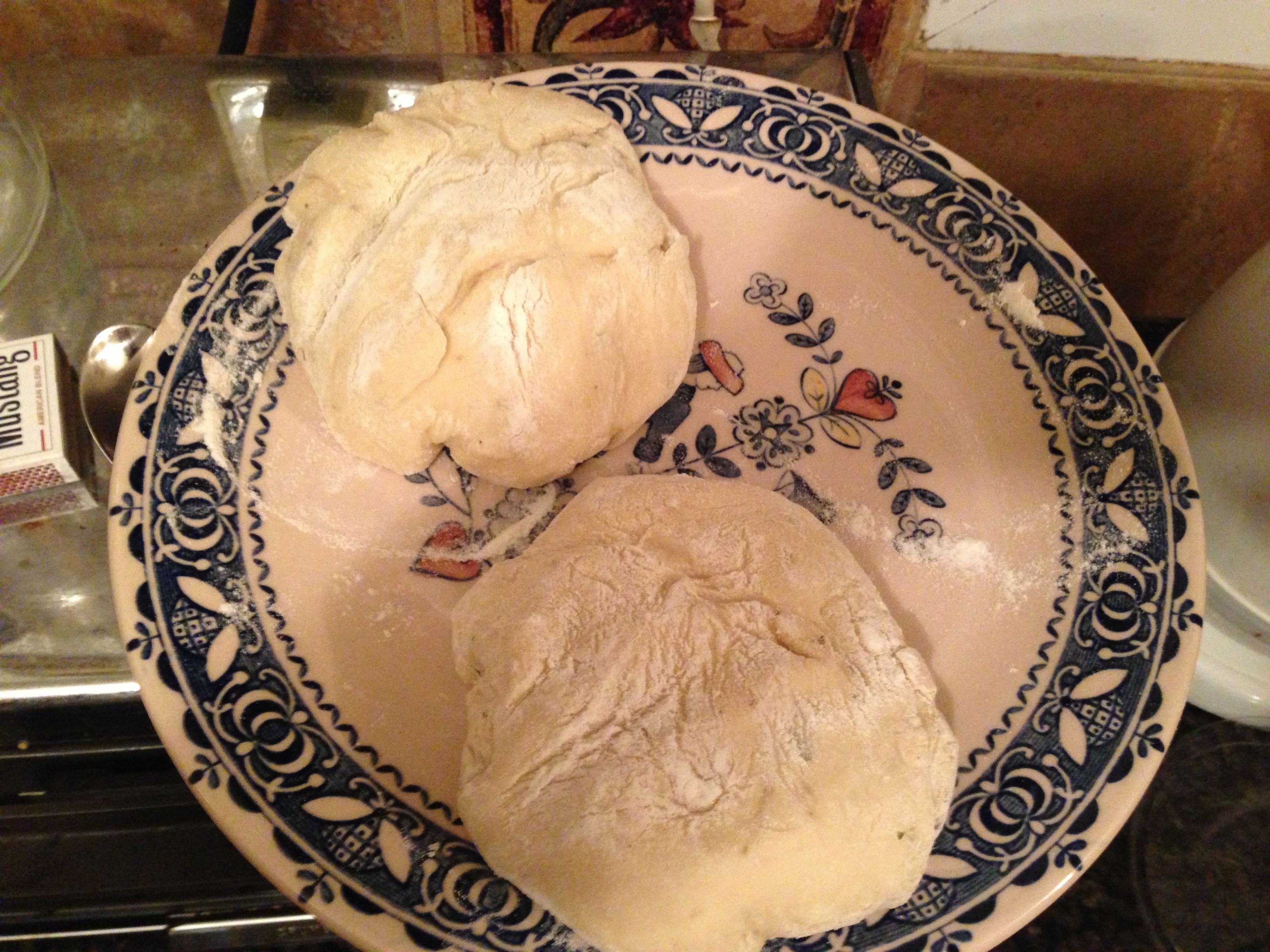 rolled dough with a brush dipped in oil, Place the dough circles on the round metal pizza mesh or on trays. and prebake the base for 1-2 minuts or intill light brown bubbles appear on the surface stay by the oven make sure they don’t burn! Take out of the oven (use gloves), spread on each circle of dough about two spoonfuls of the pizza sauce use the spoon/ladle to circles around to cover the dough. Sprinkle with grated low moisture mozzarella, than your toppings of choice. Spread around some discs of buffalo mozzarella (on top of each tomato slice, sprinkle over the fresh and dried herbs even some salt. Pour a sprinkle of olive oil over the top of each and place in the preheated oven for about 6-10 minutes depending on your oven, until you see the edges become a golden colour, and the buffalo mozzarella bubbling with brownish edges.
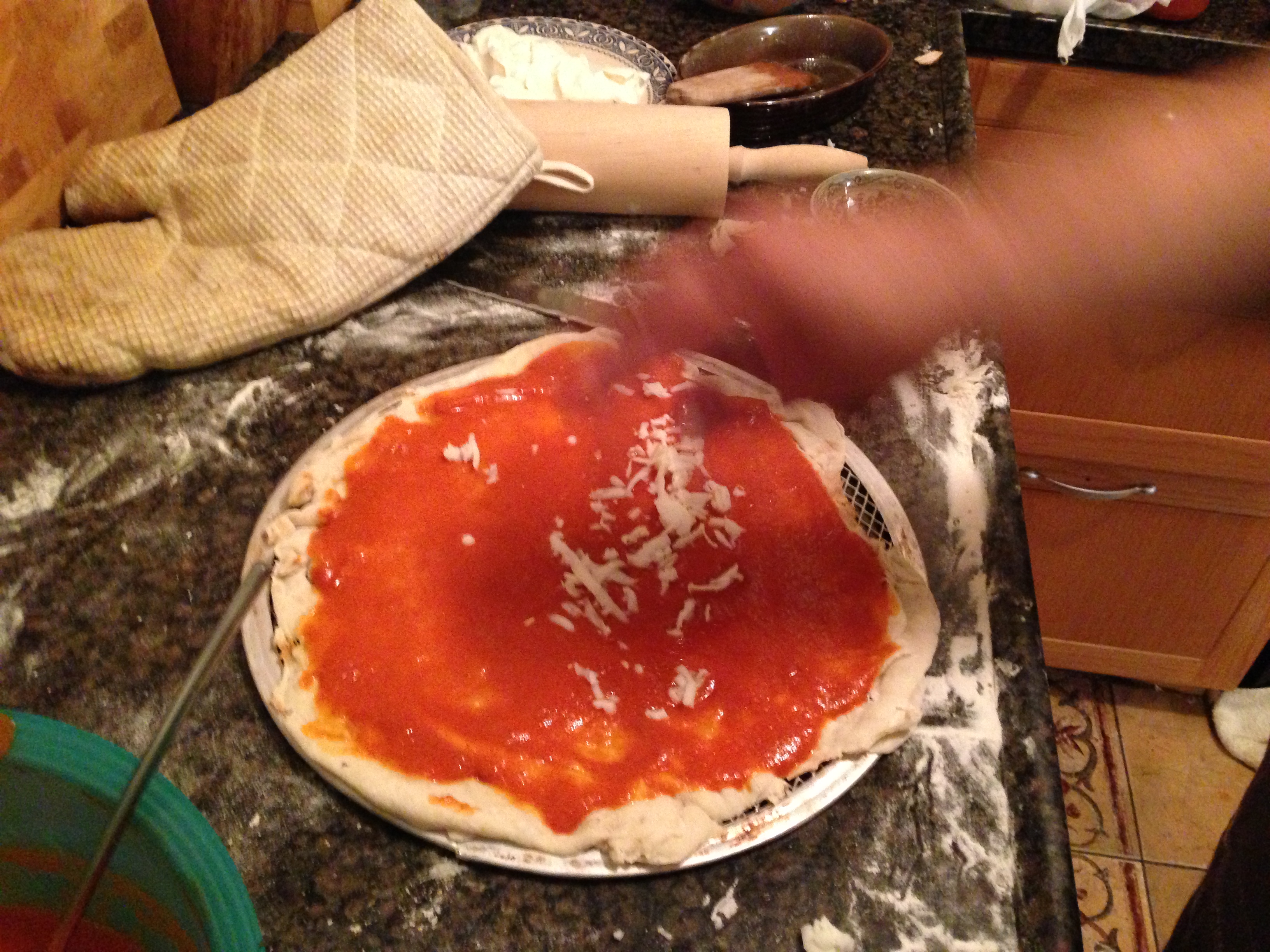
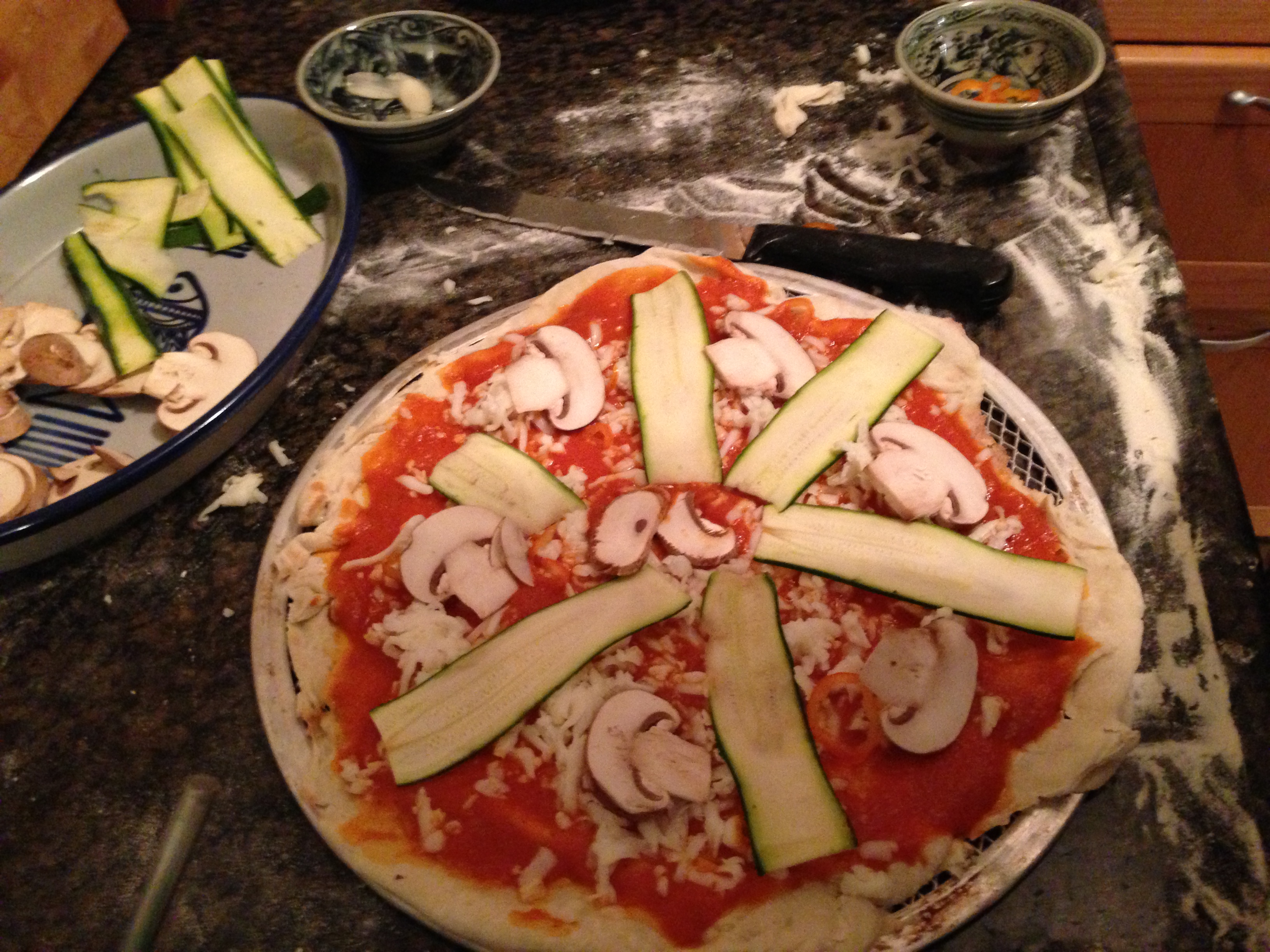
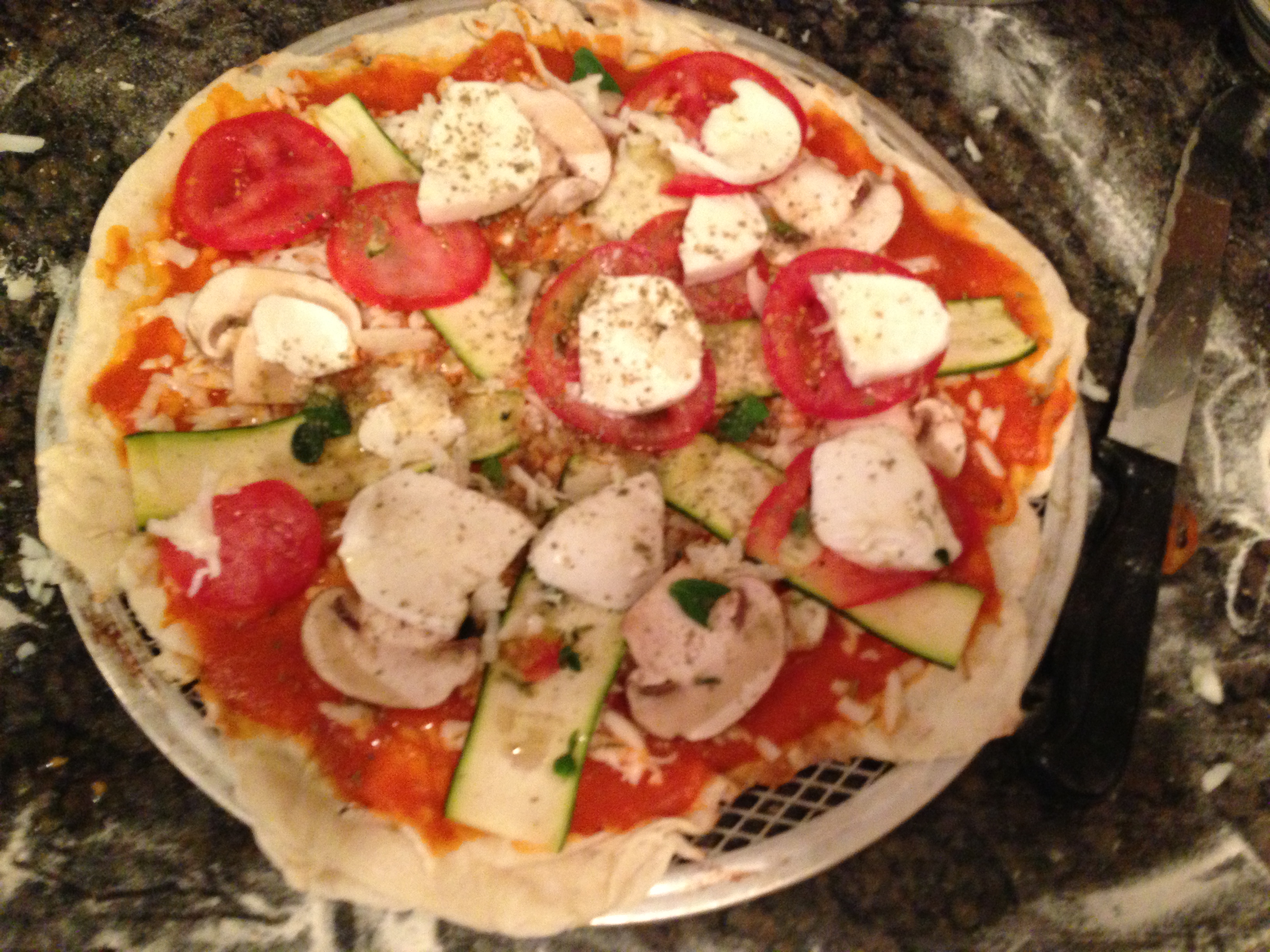
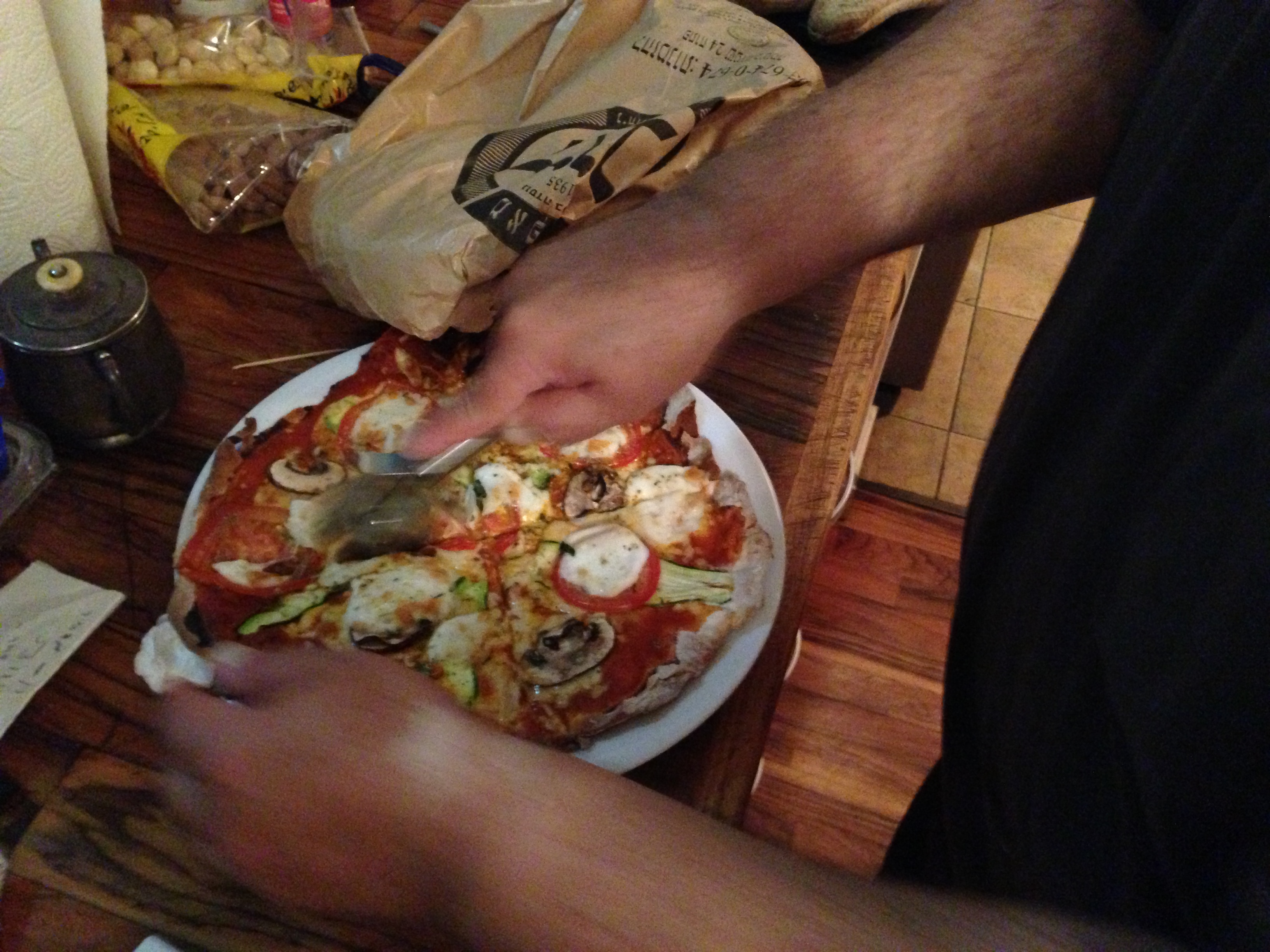 Cut pizza to 4-6 slices serve and make the next one while the first is consumed you can make 2 at a time but the bottom pizza will have to “move” to top oven shelve when the first one is ready
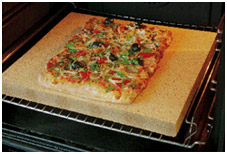 You can also use “Regular fireclay (Chamotte) brick for Pizza” This block of stone does not require the double baking method but good means to lay down the pizza on the fresh dough on the preheated block. Chamotte bricks for Pizza come in varying shapes for various temperatures, alternatively use the round pizza metal mesh (also in various sizes), both can be found in any cooking utensil shops.
Chamotte is not a natural stone it is an artificial stone made from various ceramic materials with high heat resistance, forming a heat resistance surface that is suitable for baking, even heat spread adding crunchiness to the Pizza crust.
The most popular cheeses to use on pizza are mozzarella, provolone, and parmesan. Romano and Ricotta are often used as toppings mainly in white pizzas (no tomato/pepper sauce used)
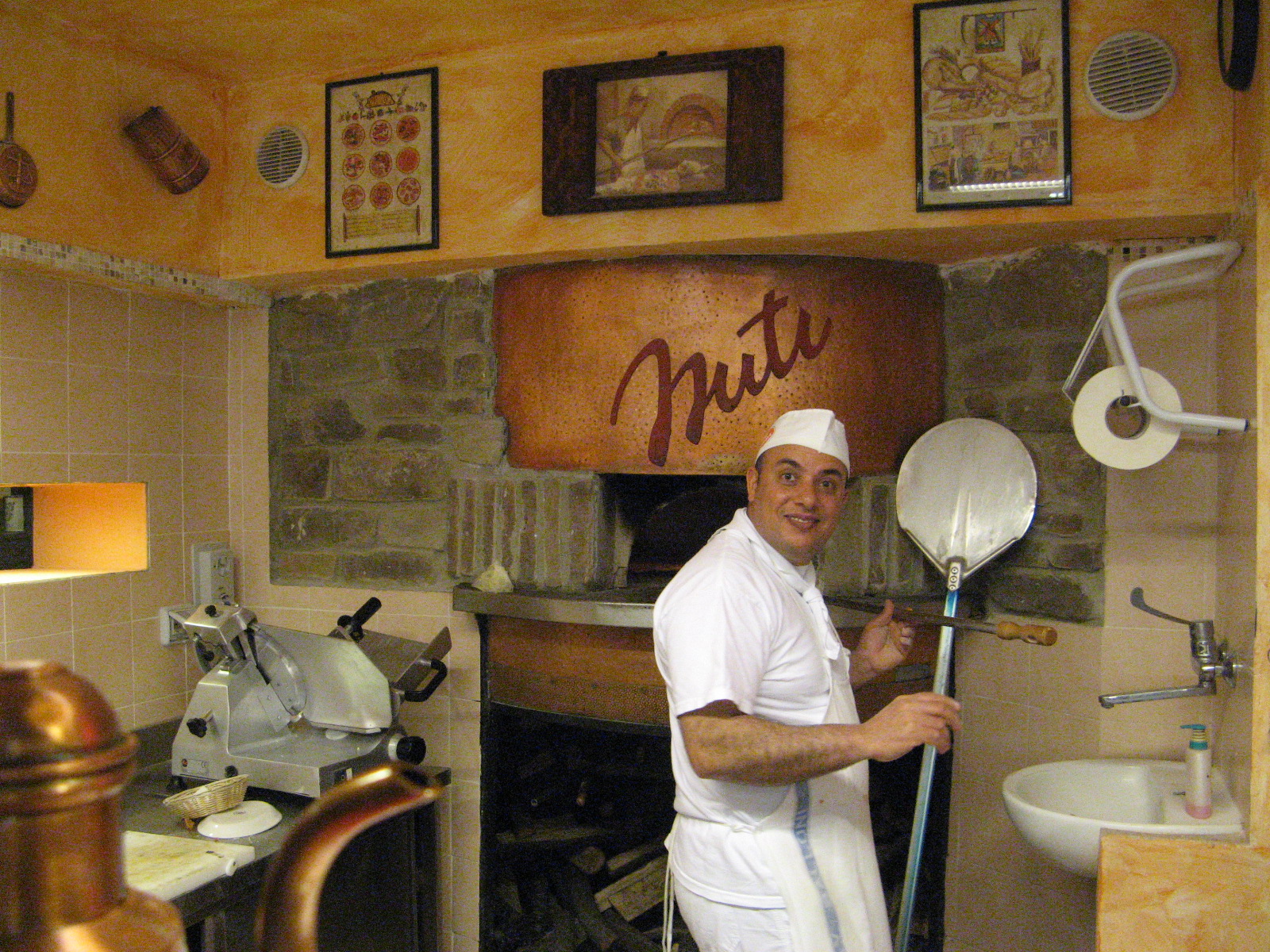 My first excellent Pizza baked in a wood oven was Nuti in Firenze (Florence) in the early 1970’s, The owner has changed since but the Pizza oven (the main asset of the Pizzeria is still working well.
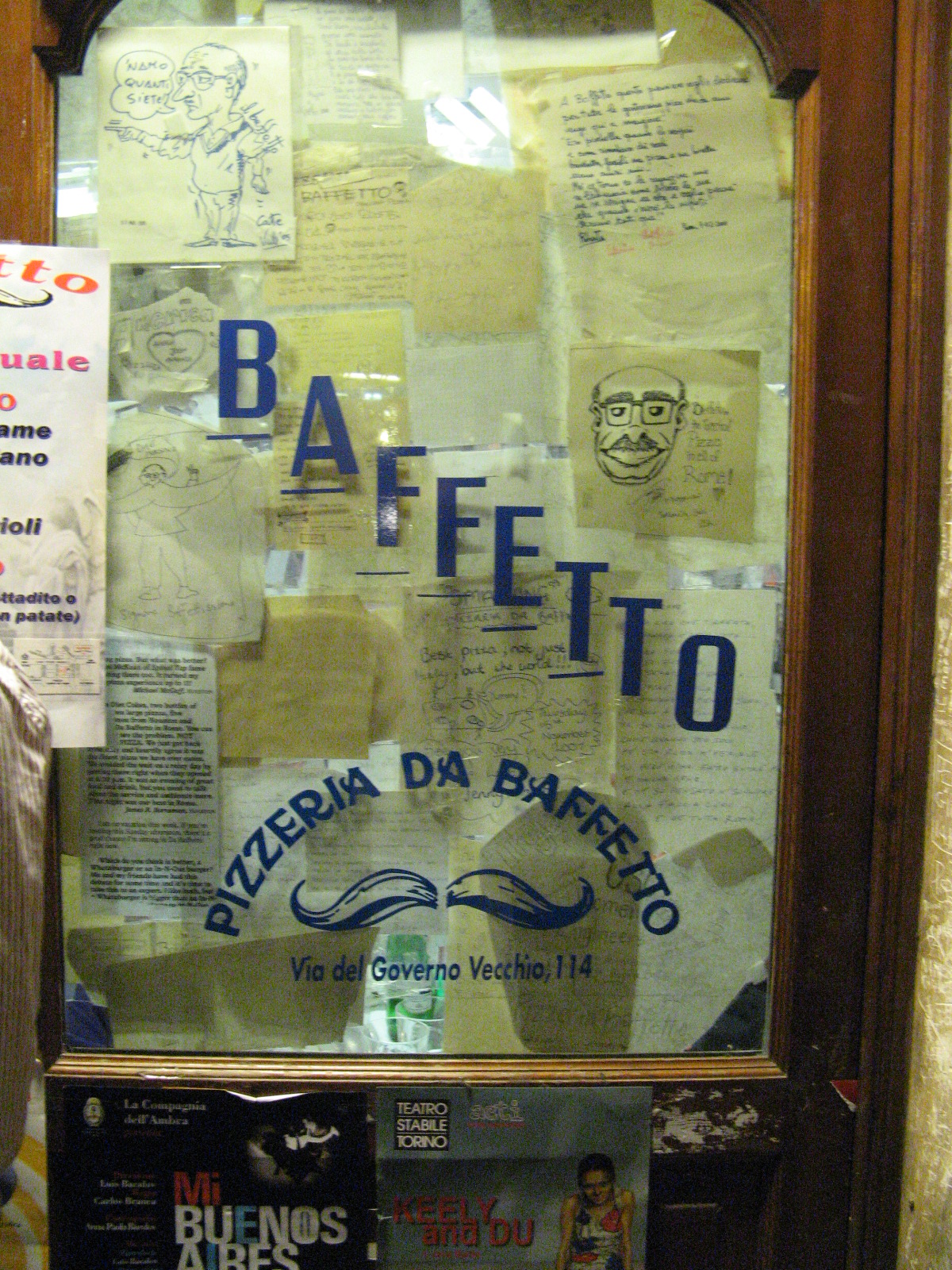 My Favorite Pizza is made in Pizzeria Da Baffetto in Via del Governo vecchio 114 Rome. The line of waiting locals and tourists alike speaks for itself and the Pizza is Perfect by all counts, until you have a chance to visit here are some photos to open your appetite. (press thumbnail to enlarge photos)
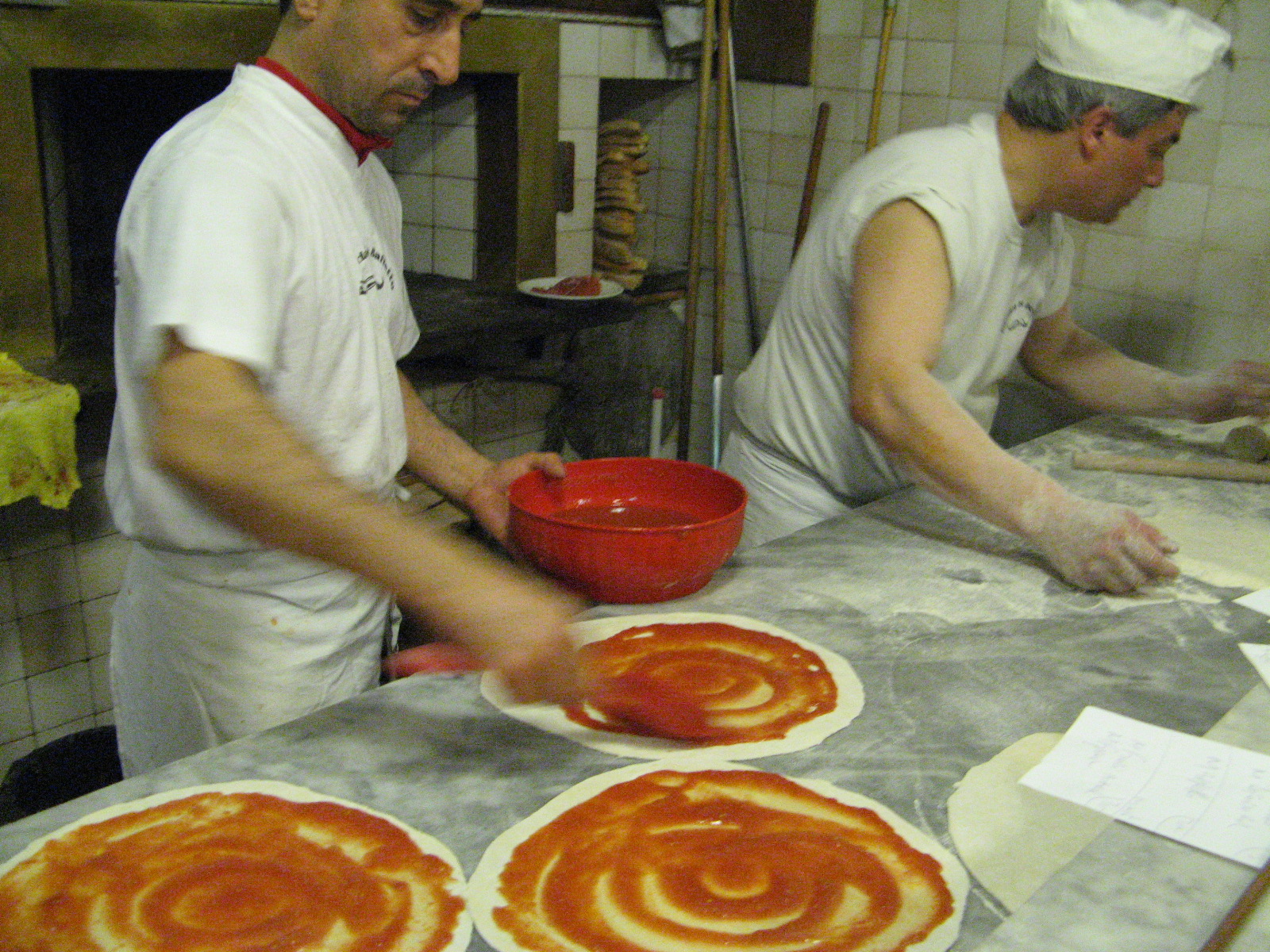
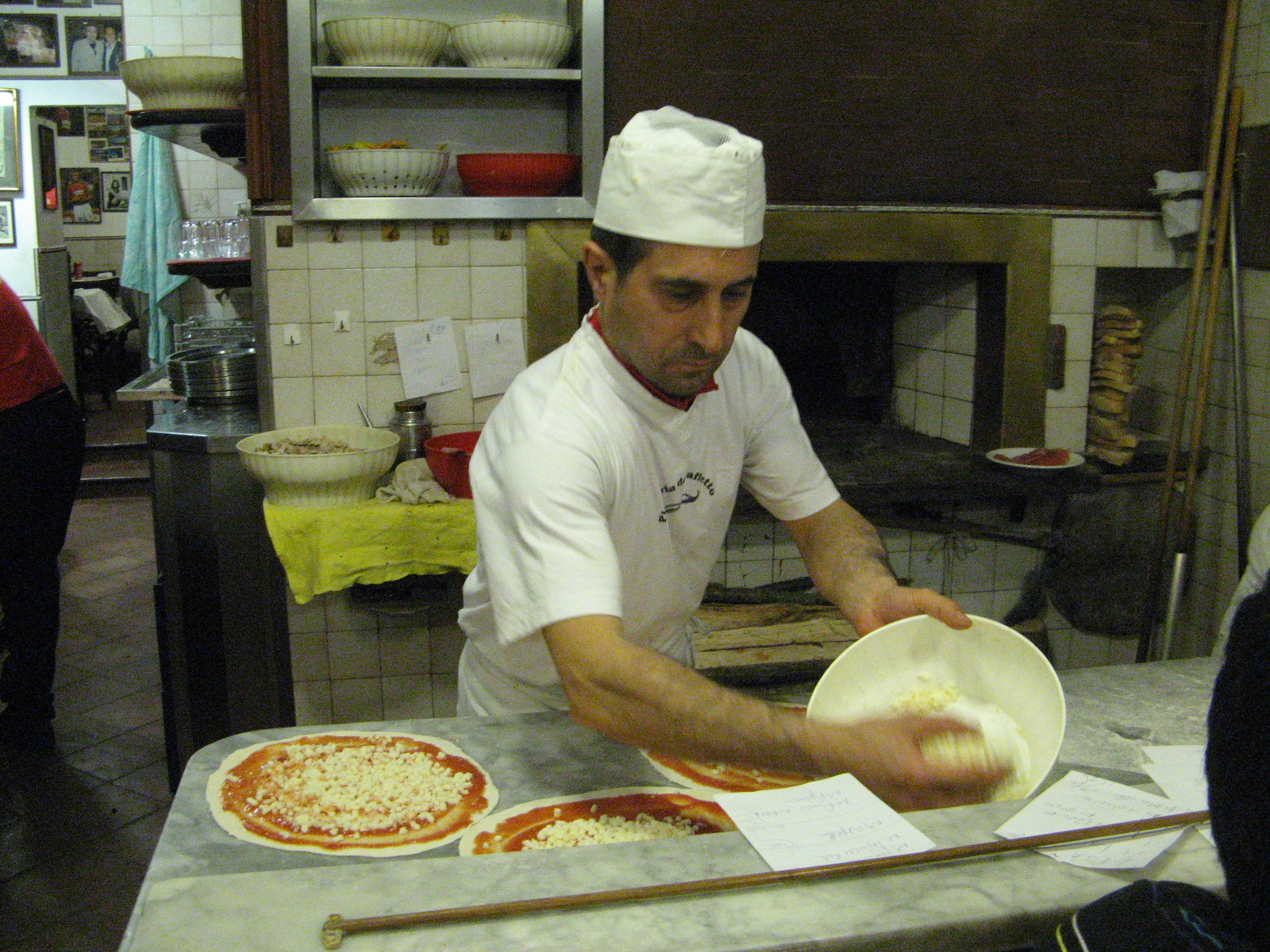

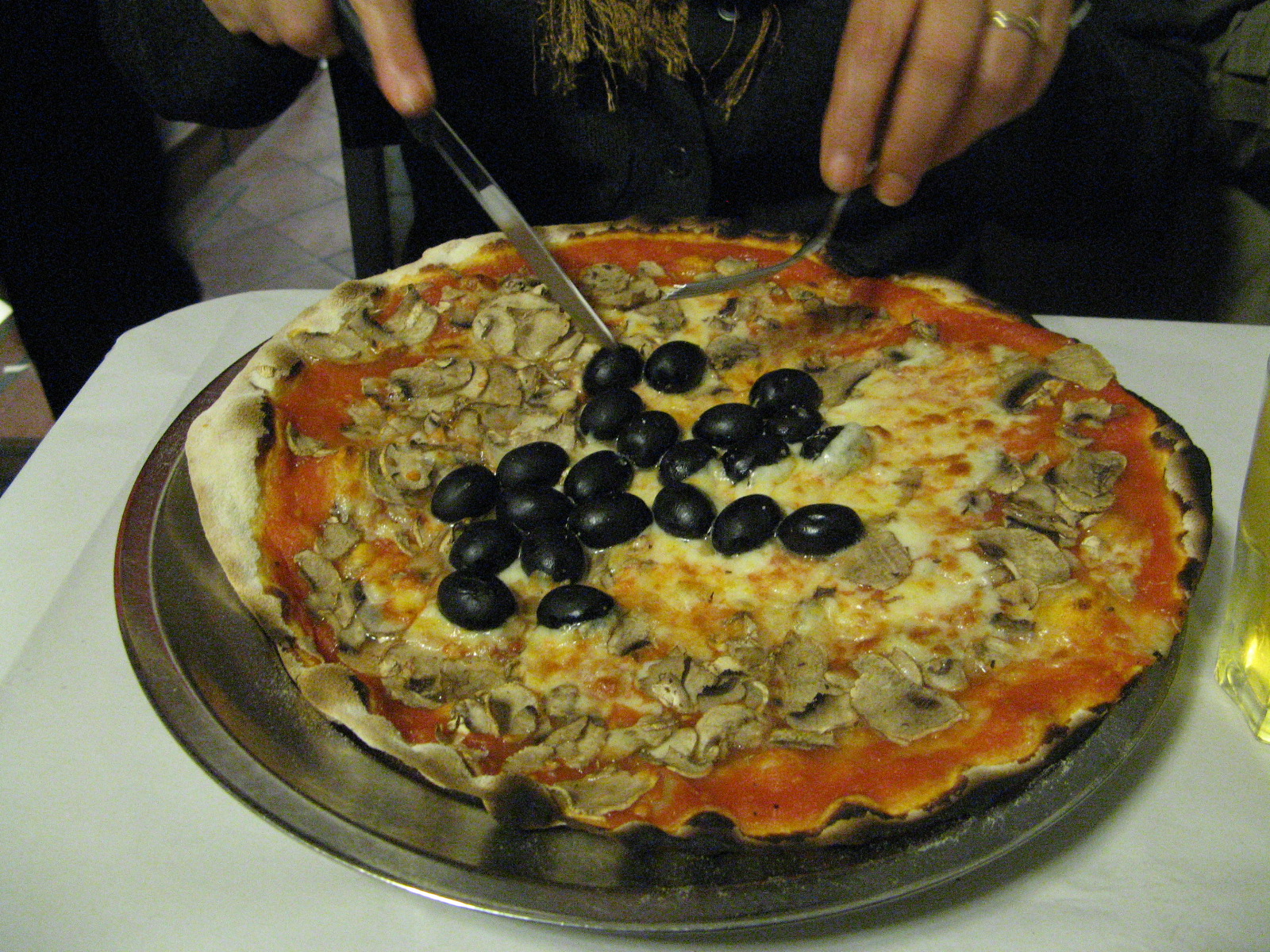
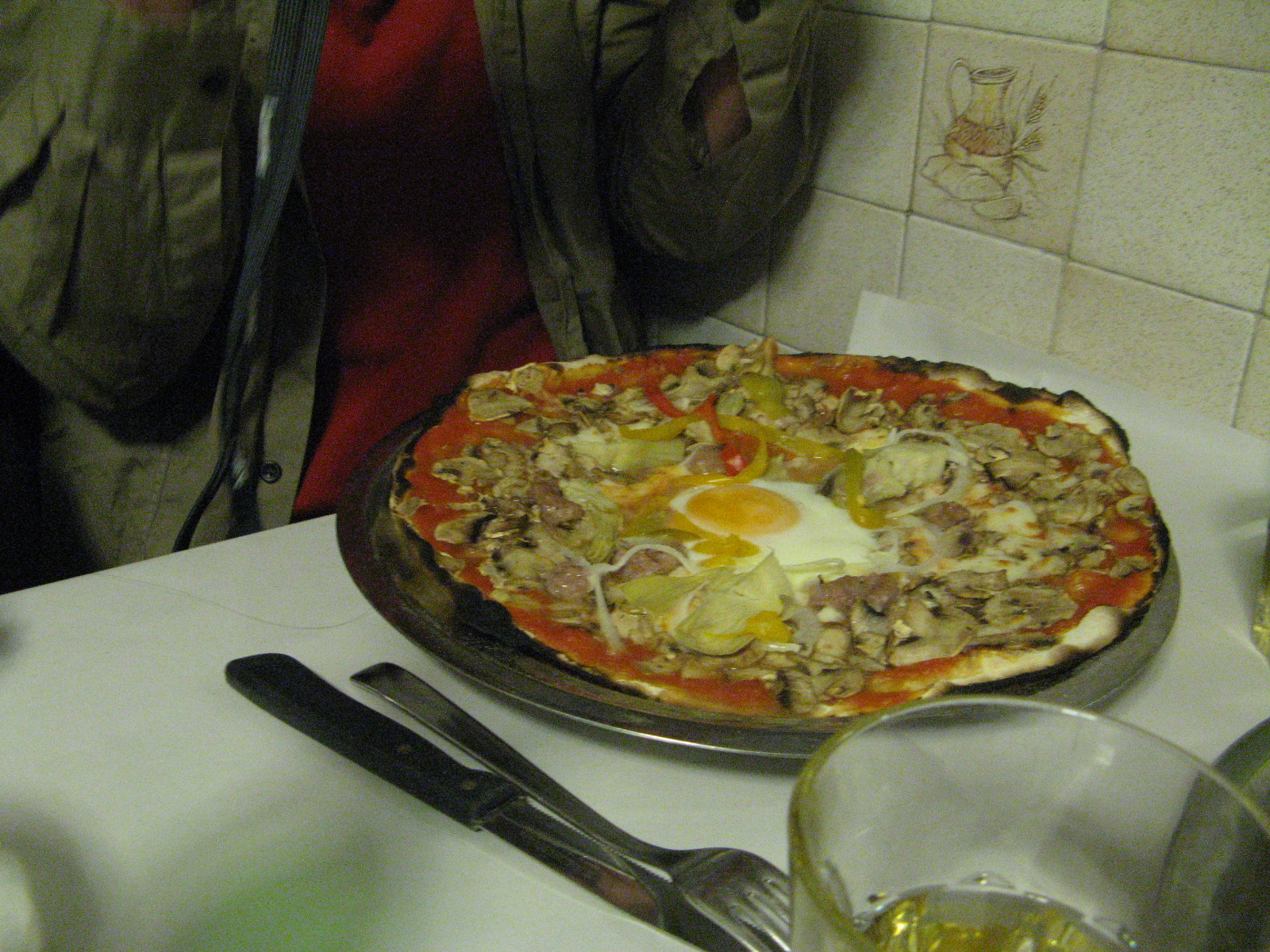
Regarding the notion of wine pairing for Pizza… you don’t have to stick to Italian wines if you prefer or have a different wine I am glad to say that Pizza goes with any wine red or white, just please after such an elaborated work do not drink plonk wine with OUR Pizza, (give it and yourself some proper respect)
As the Italians say: Buon Appetito
YOUR WINEGUIDE

A Birthday Party with the High Commissioner of Palestine.
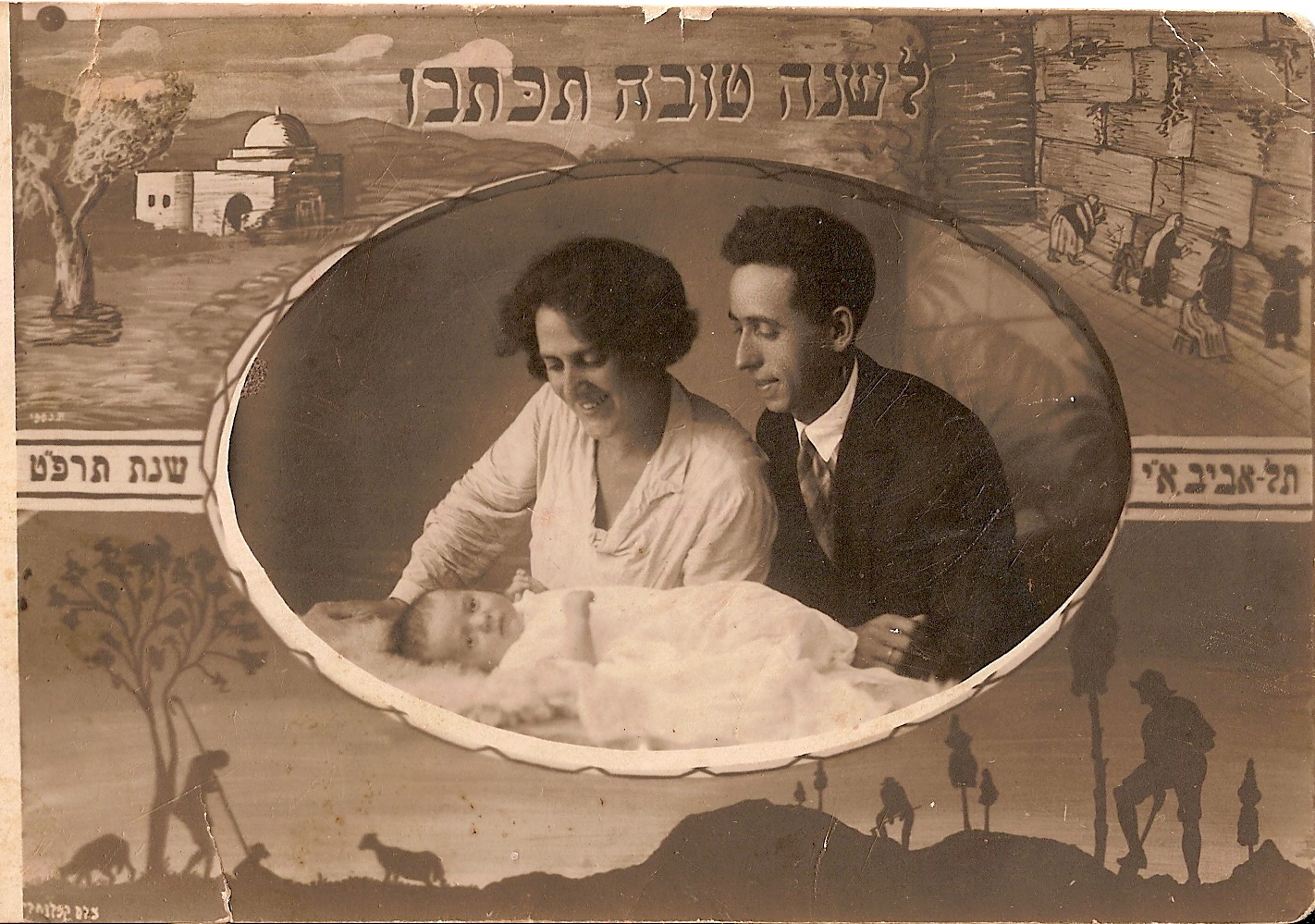 85 years ago (20/4/1928) my mum Aviva Sarnat, was born in Tel-Aviv, Palestine, to my Grandparents Esther and Meir Zagel, fresh new immigrants from Zamość, Poland, who had the sense to leave Poland (1924 or 1927) long before WW2 started. They did not leave in fear they left following their beliefs, arriving to a desert land with mainly sand (some camels to a city evolving in the dunes), no country of their own (just a “homeland” as promised by Lord Balfour).
 Zamość is a town in southeastern Poland in the south-western part of county Lublin. Zamość is a unique example of a Renaissance town in Central Europe, consistently designed and built in accordance with the Italian theories of the “ideal town” on the basis of a plan which was the result of perfect cooperation between the open-minded founder, Jan Zamoyski, and the outstanding architect, Bernardo Morando. The utopian concept of an Ideal City as described in Sir Thomas More book: Utopia, (as described in a previous post:https://wine4soul.com/2012/05/27/utopia-the-wines-of-isole-e-olena/ ) . Indeed they say Zamość is an outstanding example of an innovative approach to town planning, combining the functions of an urban ensemble, a residence, and a fortress in accordance with a consistently implemented Renaissance concept. The result of this is a stylistically homogeneous urban composition with a high level of architectural and landscape values. A real asset of this great construction was its creative enhancement with local artistic architectural achievements. (From http://whc.unesco.org/en/list/564 ).
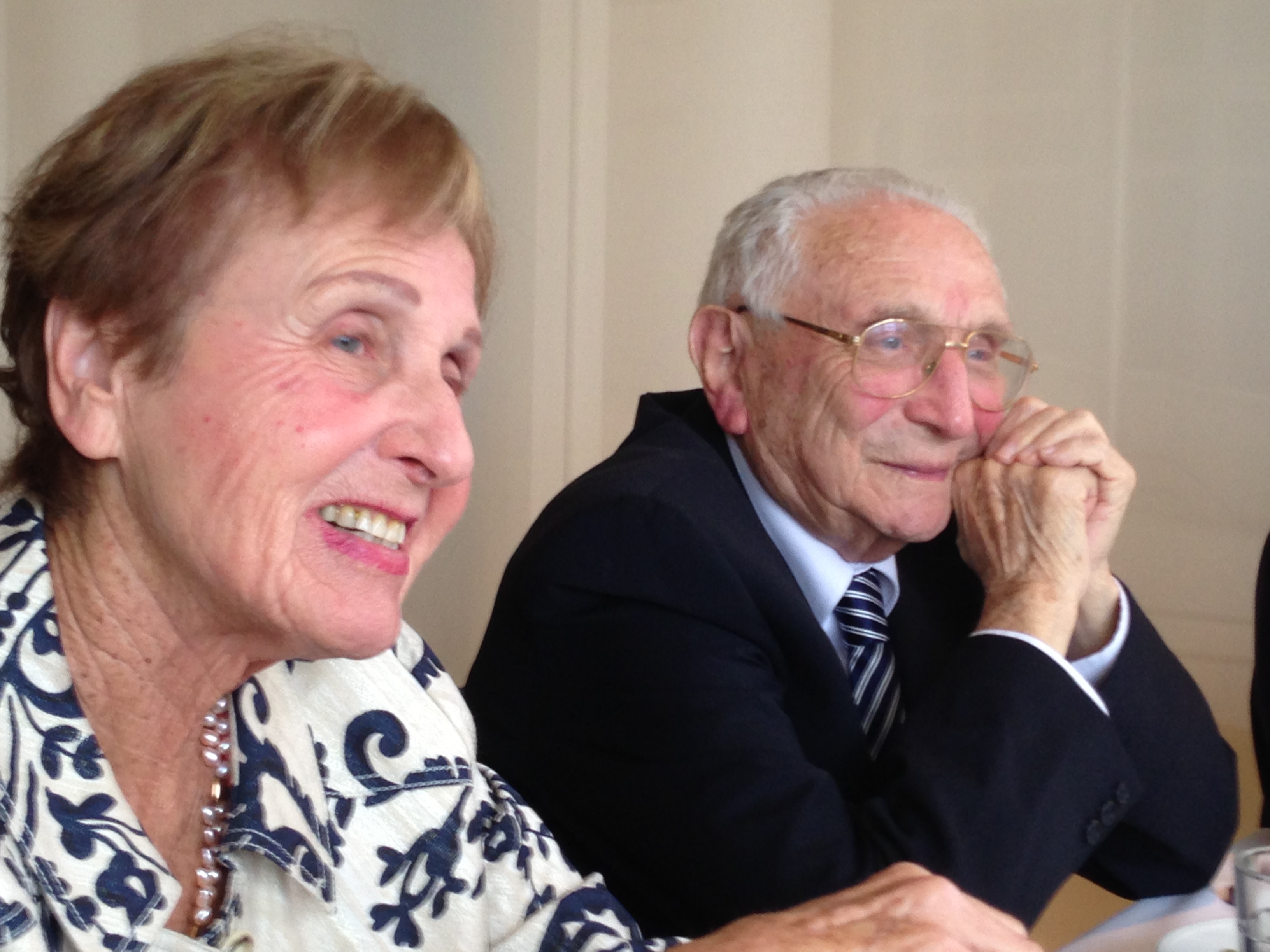
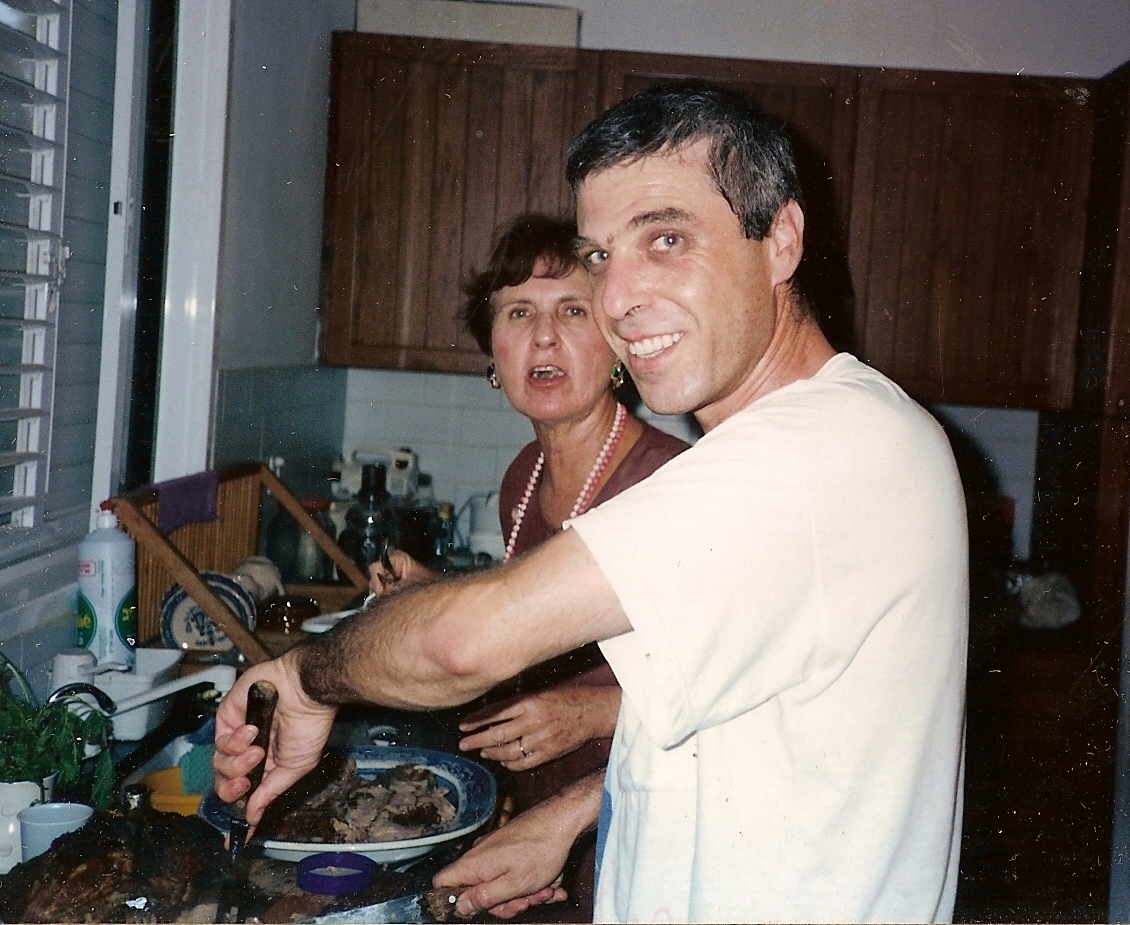 My mum and I, we go along together for 60 years now, amongst other qualities, she is a great cook and most of what I know food/cooking wise is derived from her approach to food and cooking, though we have different styles. I know I have learned a lot from her, now…for her 80th birthday we printed a cookbook from her dishes favoured by each and every member of the family (endorded by Chef Yonathan Roshfeld from one great chef to a great cook, and today, Saturday April 20th is her 85th Birthday.
We marked the occasion at a family favorite restaurant and one of the BEST in Tel-Aviv Herbert Samuel. 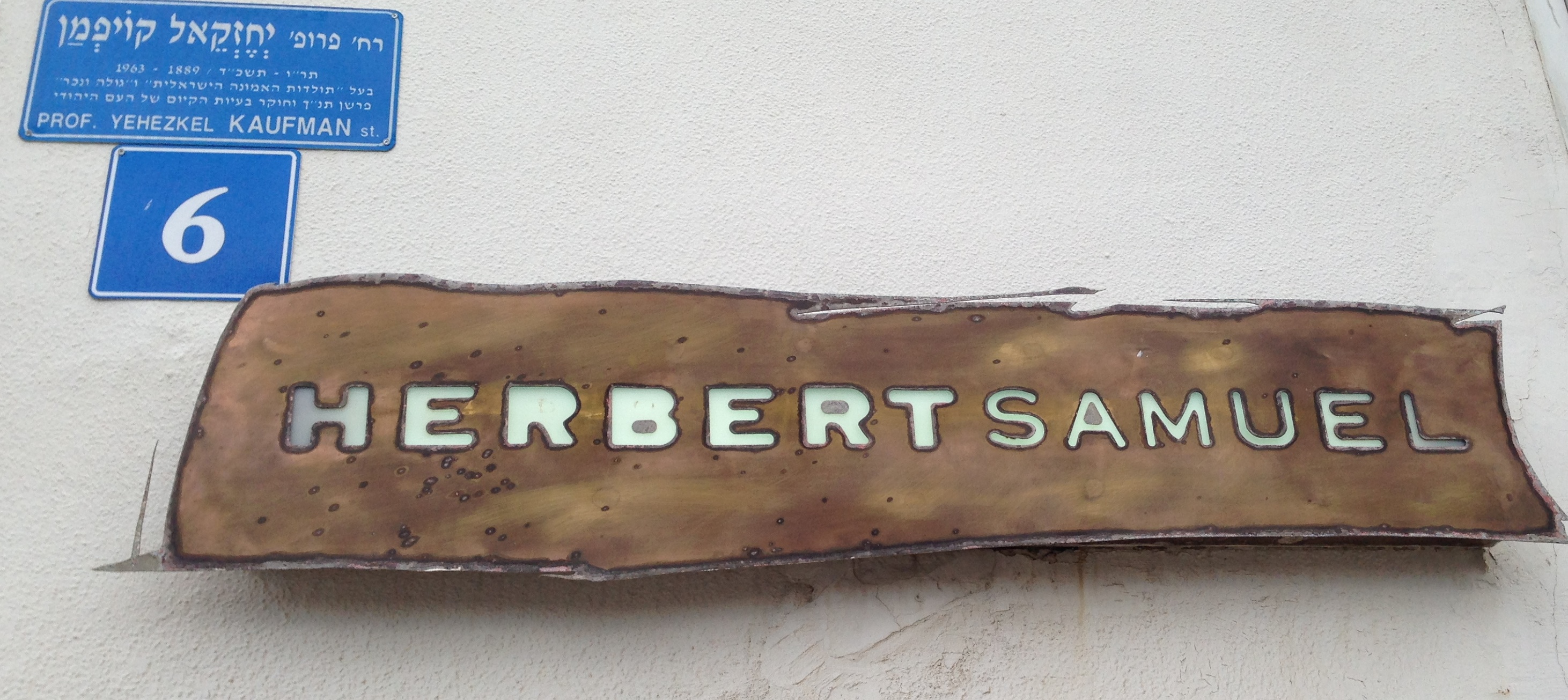

The 1st Viscount Herbert Samuel a British Diplomat and a Zionist Jew, was appointed to the position of High Commissioner of Palestine in 1920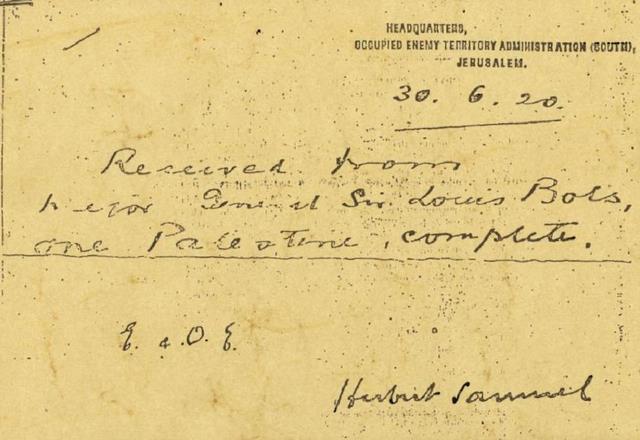 and served until 1925. He received the post from Sir Louis Bols of the “Occupied Enemy Territory Administration”. Who handed over Palestine to the First Civil High Commissioner, Herbert Samuel. In return, Samuel signed a “receipt” stating he had received “one Palestine, complete.”
 Chef Jonathan Roshfeld (Jon), cooked for us at our house several times once 9 years ago for my Father’s Arye Sarnat 80th Birthday, than about 6 years ago, just a few months before Herbert Samuel was opened with all the staff, chef, sous chef and all… eager to cook and no kitchen to cook in, they came to our house, (for Abi’s 22 Birthday but really, just a cause for celebration, we have a semi professional kitchen, and above average large ovens and powerful gas hobs, and they cooked the entire planned first menu of the restaurant, since than our family revisited the restaurant for special occasions and just ordinary everyday meal many a times, never disappointed may I add.
 Jon (Yonatan) and I go a very long time together since his days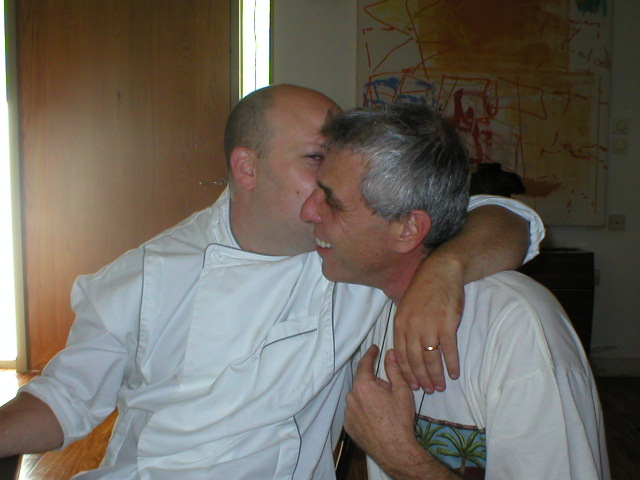
as a very young sous-chef at the “Golden Apple” (In the 80’s the only proper, food worthy restaurant, in Tel-Aviv). Our family connection with Herbert Samuel restaurant is, you can say from the “womb” (the days even before the restaurant was born), I guess you should take part in the photographic highlights of that pre Herbert meal, it seems such a long long time ago:


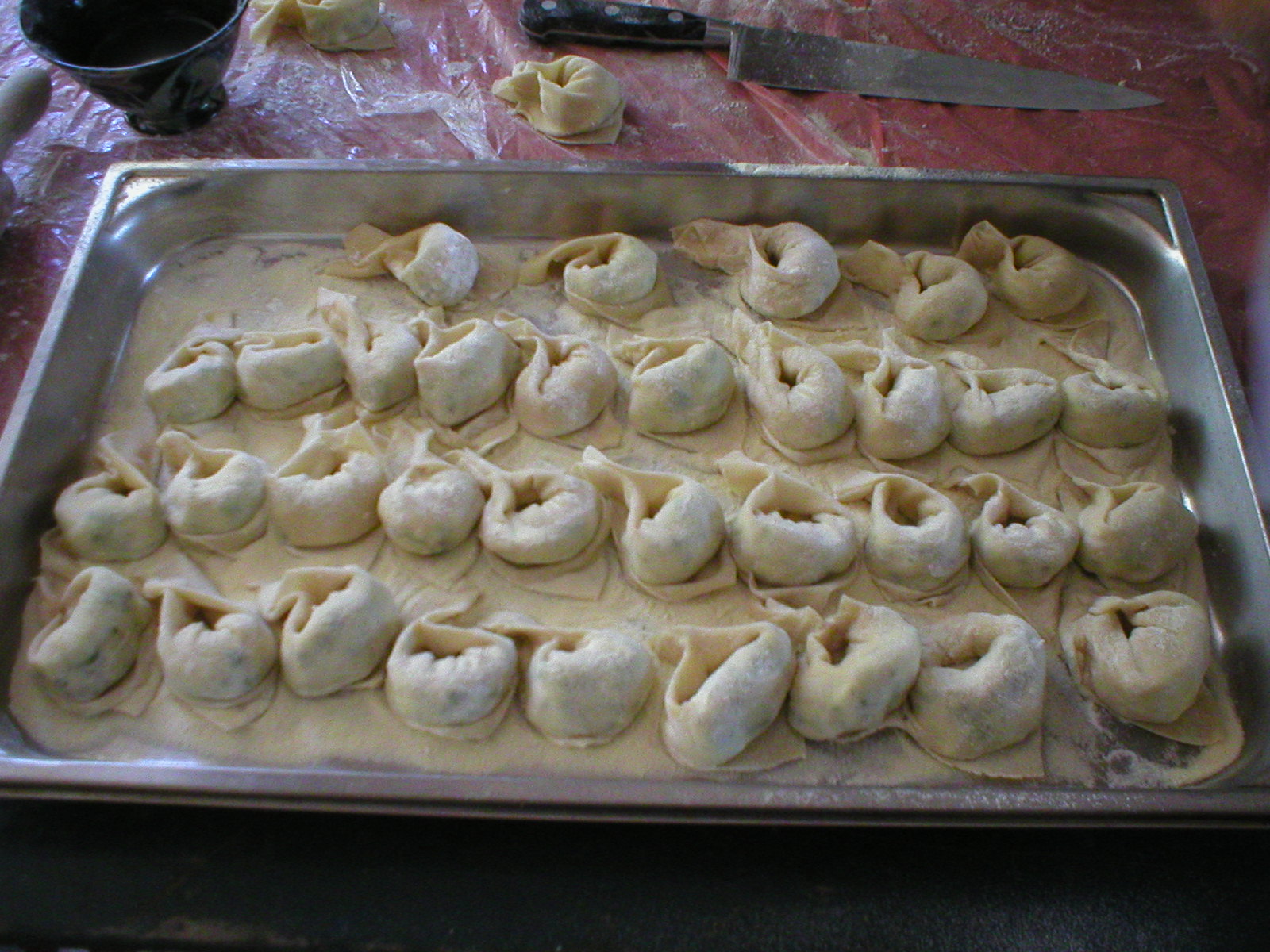


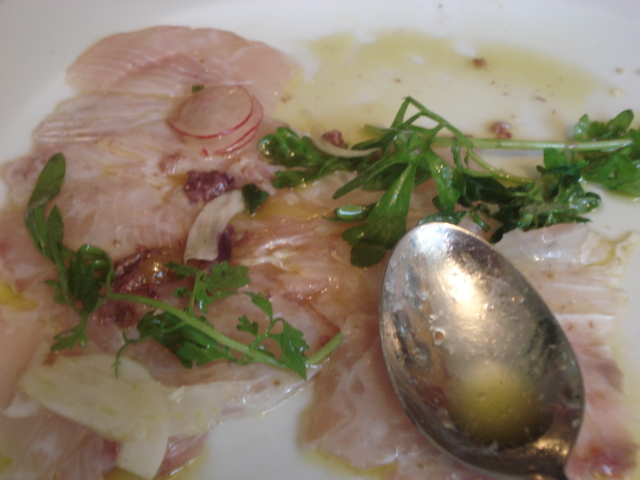
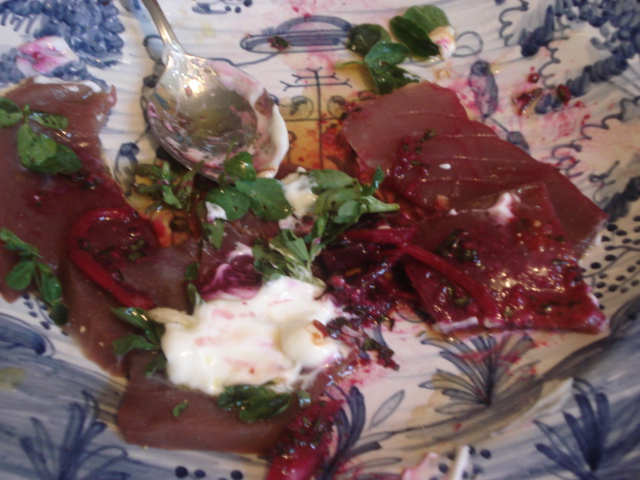
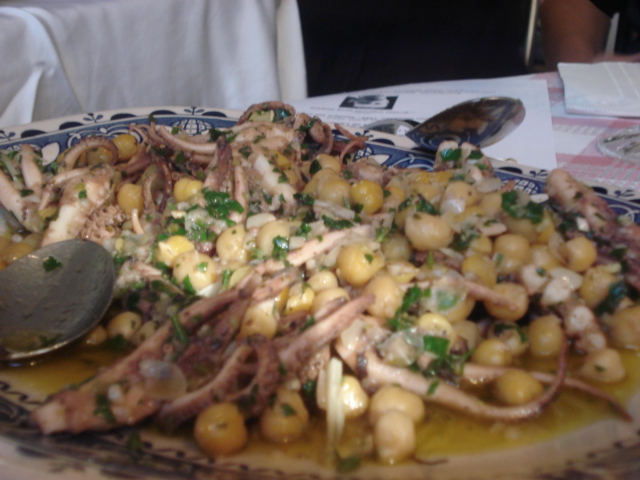
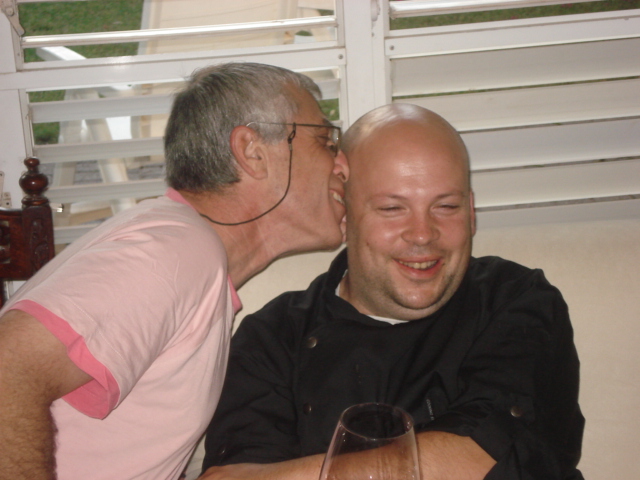

 For our present celebration, Jon surprised us all by actually coming on a Saturday to cook a special dish, not in the menu yet again, “JUST FOR US” (a touching gesture that did not pass by, unappreciated, by all present)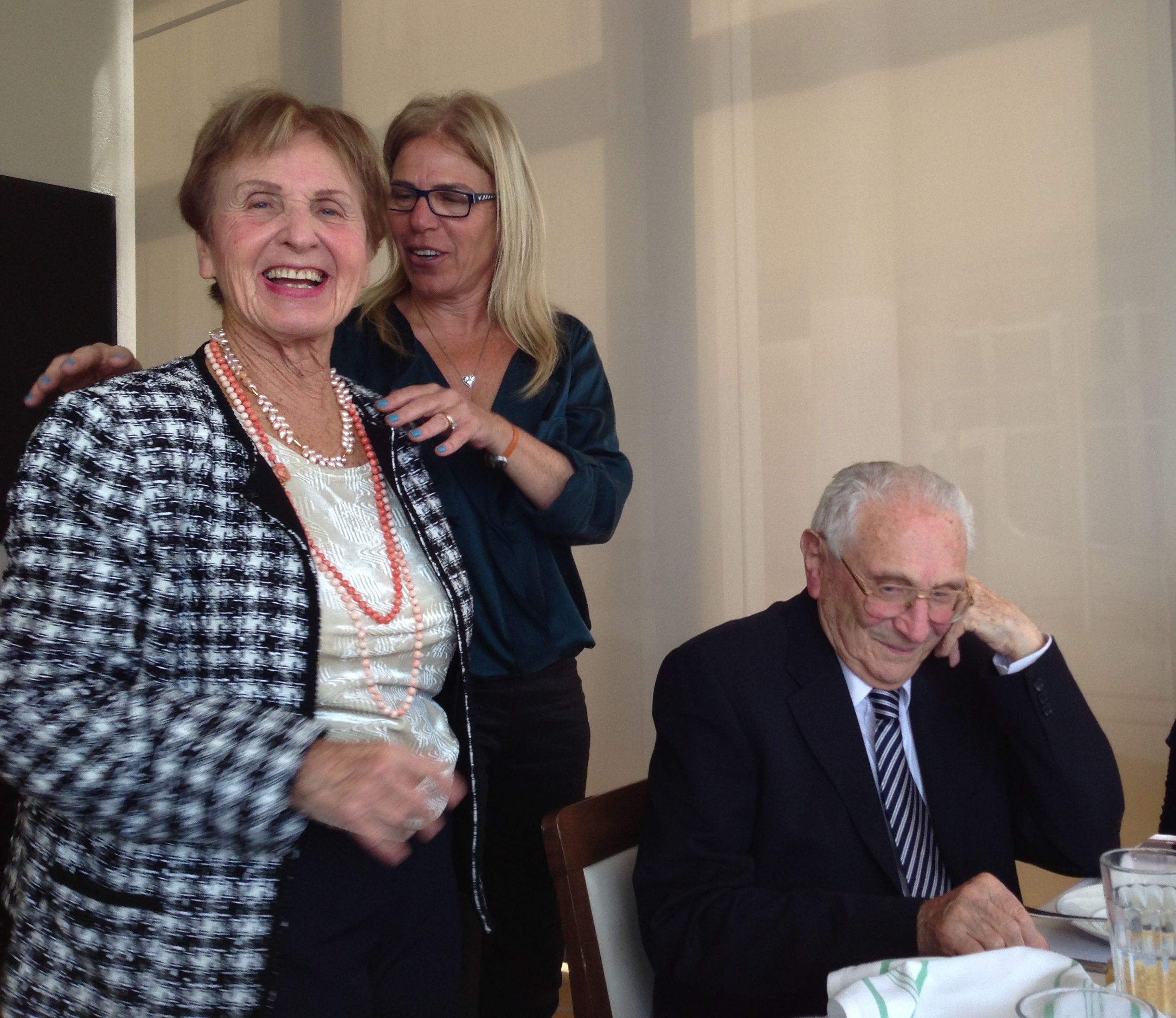
Everyone came fully prepared, some with some written words, some with wines: Moët & Chandon Rosé Champagne, Laurent Perrier Rosé Champagne and several bottles of my new find the 2010 – Simon Bize Bourgogne Blanc Les Champlains, we even had a present courtesy of my young sister Dana.
My I say that all dishes were prepared and presented to perfection, a right balance between traditional French taste and local products, For first course we had:
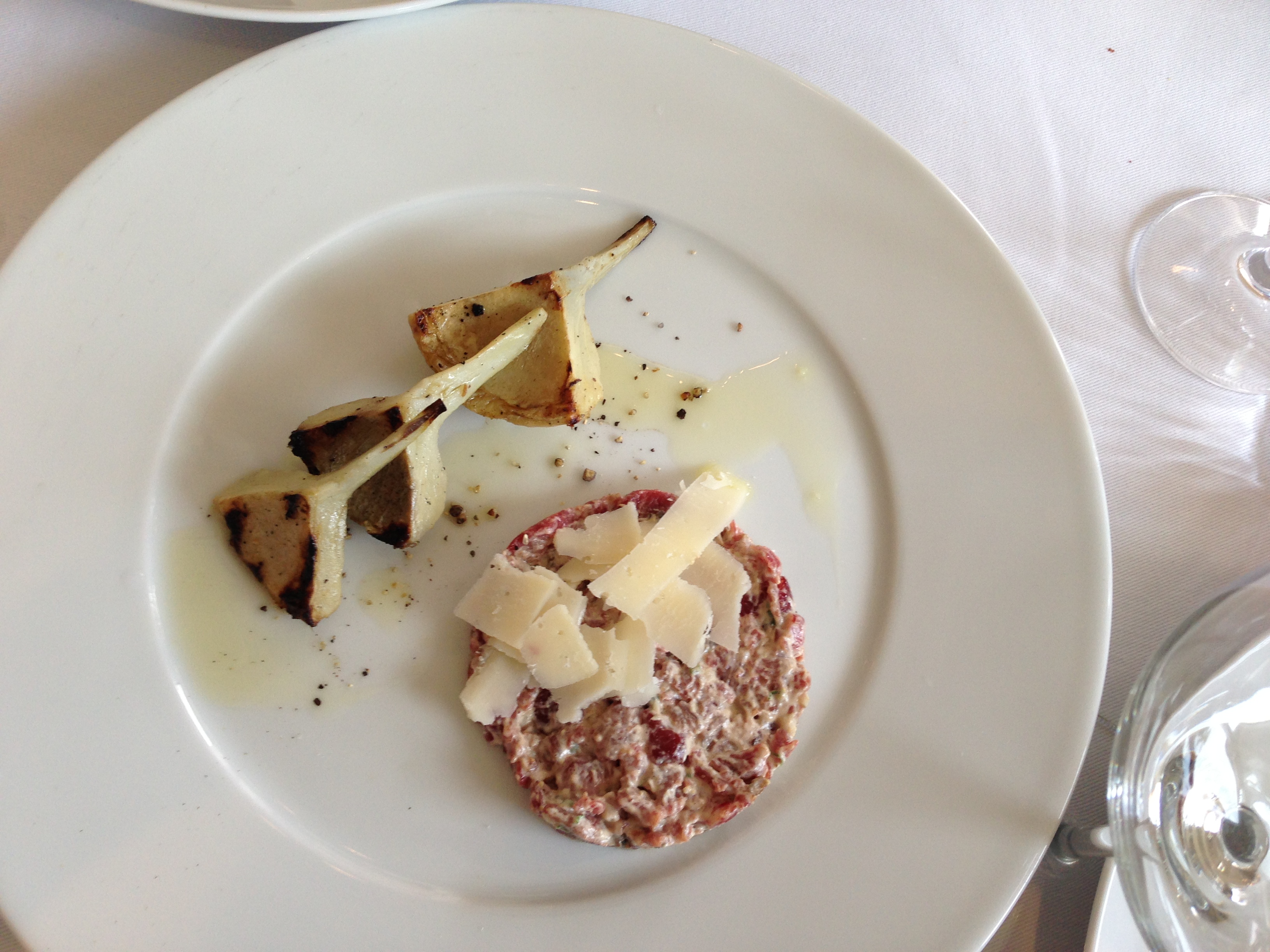 Fresh Beef Tartar (hand cut), Garlic cream and truffles.
A Perfect balance between the meat and the cream, without the garlic “raising its head “too strongly”, and a nice light chilly touch on the finish, roasted Artichoke hearts and shaved parmesan cheese on top refreshing “twist” on the traditional recipe.
Shrimps Taj Mahal
Fresh shrimps a la plancha, lying on a base of ringed “Avocado salad”. soaked in light lassi cream (yoghurt lightly spiced with curry and chili powder, chillies and lemon grass sugar syrup), domed by juliennes of beetroot giving it a Raja feel and look, but mainly tasty and alluring (for the next bite).
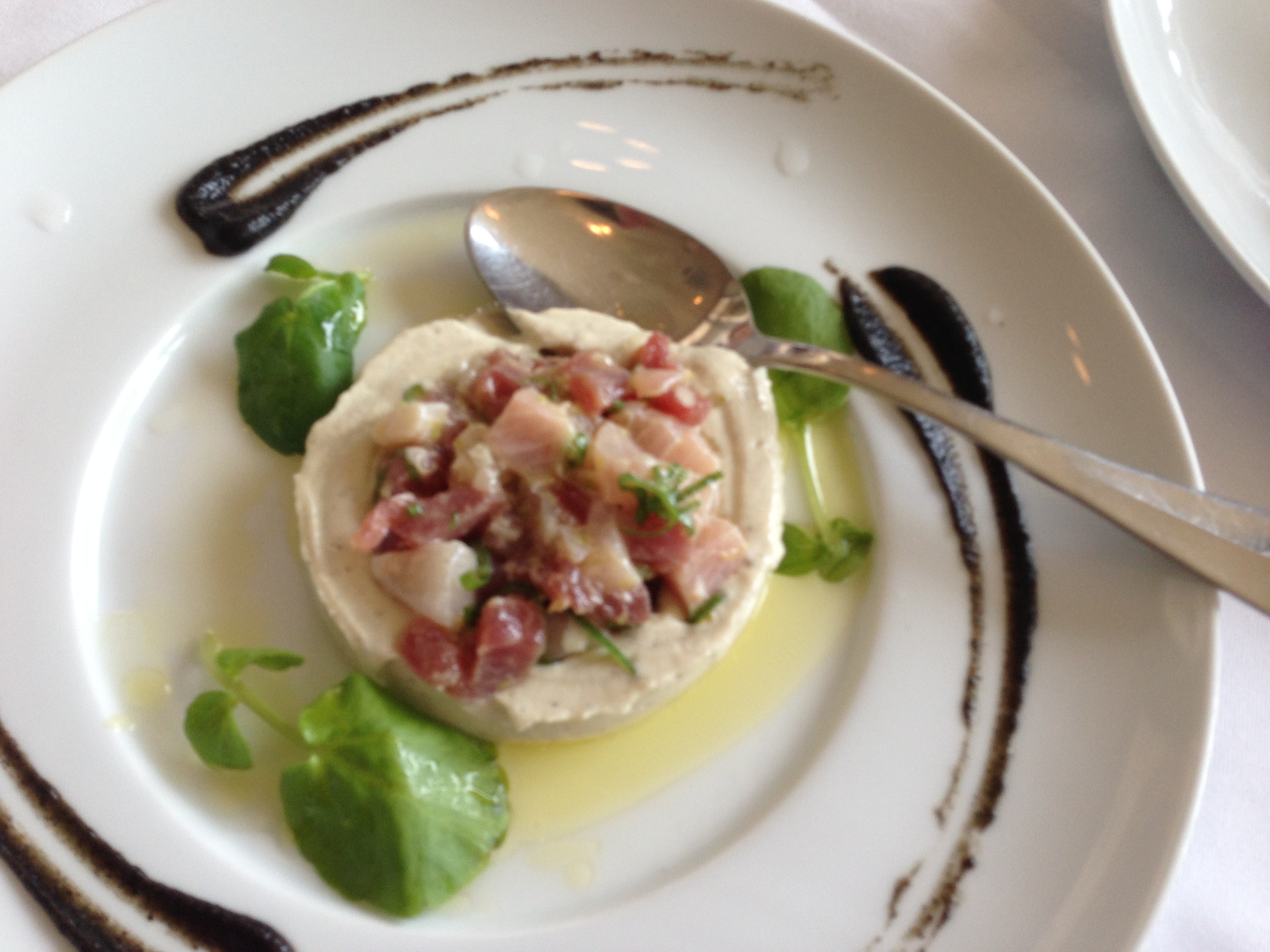 Fresh fish crudo
Nice fresh chunks of Ultra fresh raw Tuna and another white flesh fish (maybe Intiass- greater amberjack) on a bed of thick base of ground roasted eggplants and well spiced “Labaneh” cheese, (a sour middle eastern thick yoghurt fresh white cheese).
And the legendary HS Tomatoes Salad (the one “all town is trying to imitate”), grilled and fresh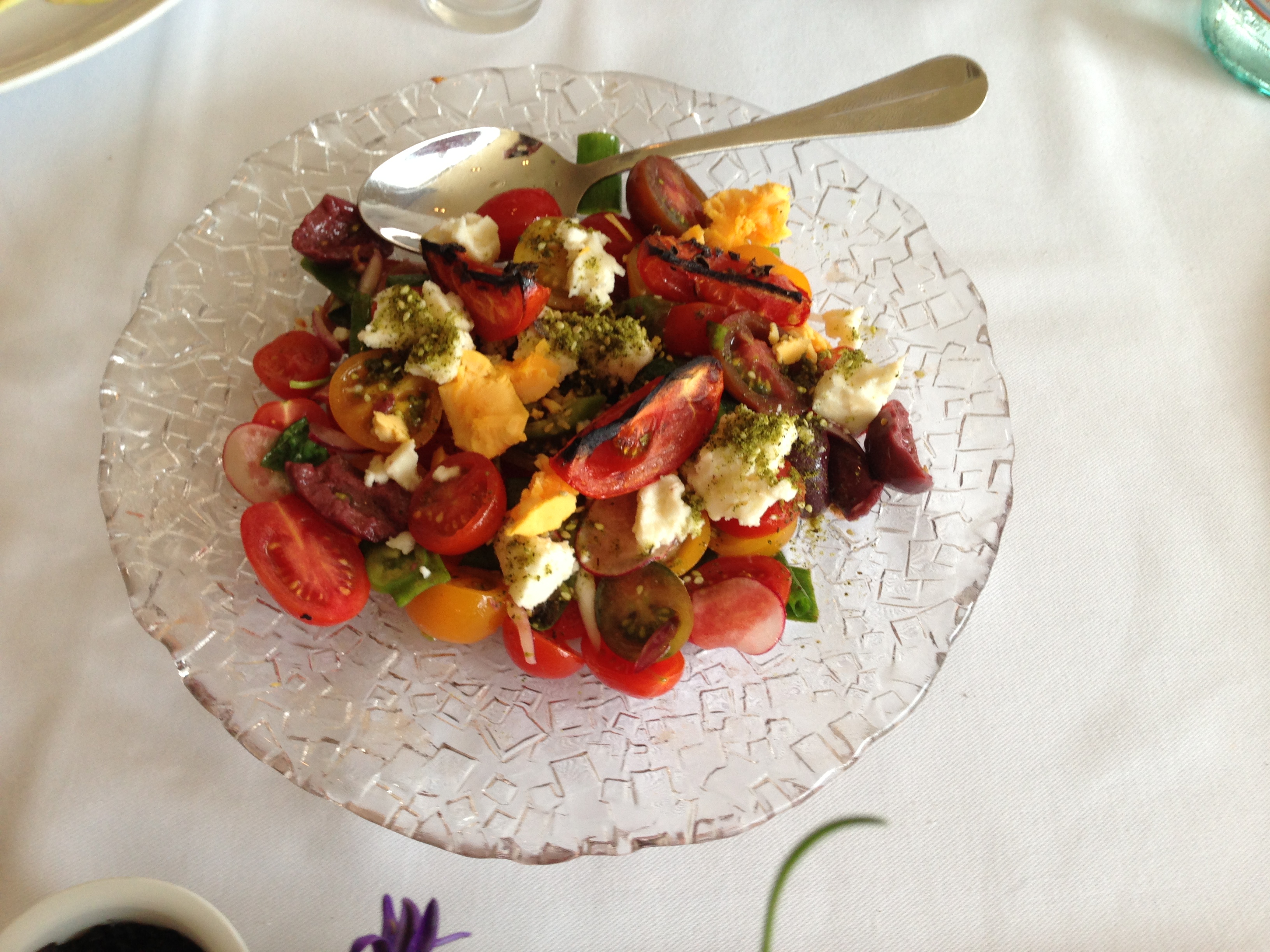 various types of tomatoes of all colours and types, Kalamata olives, green chillies, Basil and quality Tulum cheese, Very refreshing almost a mouth cleanser…
Needless to say all first course dishes were devoured by all present including as many extra helpings as requested and there were more than some exstras.
The menu main courses came before the main course specially prepared for the occasion, these were:
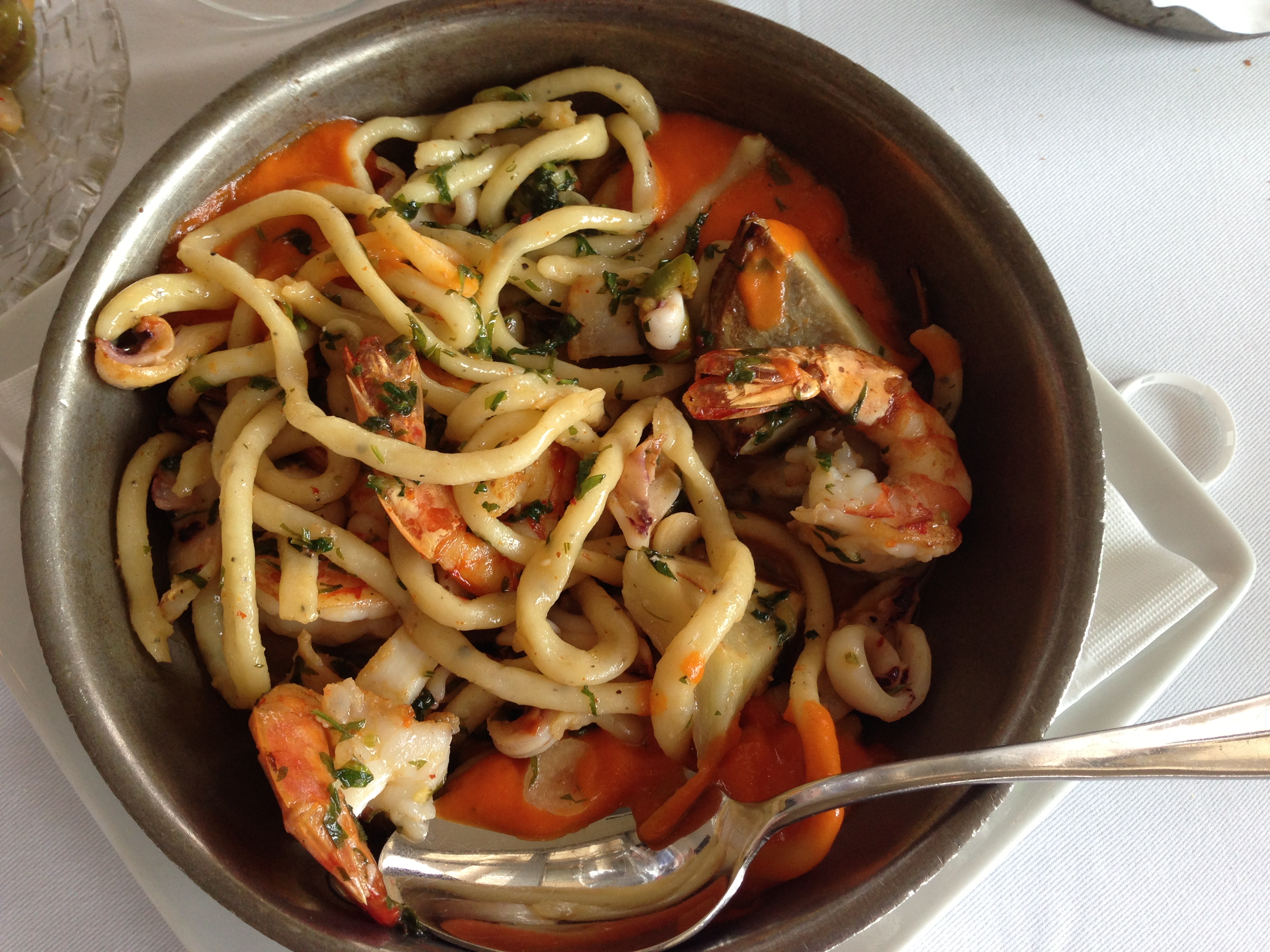 Seafood (shrimp and Calamari) fresh artichokes Lesbos Noodles , these noodles remind me more of Strangozzi or the hand rolled, hard, south Toscan Pici. Stringozzi is an Italian wheat pasta, from the border between the region of Umbria and Toscana, These are slightly harder in touch when cooked, they are as you see long, rectangular cross-section uneven, handmade noodles. The name of the pasta is drawn from its resemblance to shoelaces – stringhe in Italian, in a wonderfully perfumed sauce I wonder if some red and orange bell peppers were “thrown in” while making the sauce (that’s how I make it). Although according to the menu the noodles owe their “claim to fame” to the Island of Lesbos Greece this is a 100% Italian dish…
MILK VEAL Cannelloni, Chard, and Parmigiano-Reggiano, in creamy Veal thick sauce.
This is a perfect Cannelloni, in fact, my favorites. The dough is more like a crepe leaf, with a perfectly cooked milk veal hot pot diced adding some of the juices,mixed with Chard, to lighten the weight of the pot roast. Chard; (Beta vulgaris) is a leafy green vegetable often used in Mediterranean cooking. This rolled crepe (cannelloni) with the slightly (onion sweet brown sauce is a delight, (I ordered an extra helping, could not resist the temptation).
 Potatoes Gnocchi, Truffle oil, King of the forest mushrooms and peas.
The King oyster mushroom is not the tastiest of mushrooms simply because it has little taste (looking almost like elongated  cep or porchini The Boletus edulis) and tasting or smelling none like them, but they are so absorbent they take any flavour you give them, which in many cases is an advantage when cooking…) This dish would not feel a stranger in any restaurant of Umbria or Toscana and would be admired even by the most experienced Roman connoisseur, Italians like home style cooking and this is a very “comforting dish”, a “reminiscence of childhood “

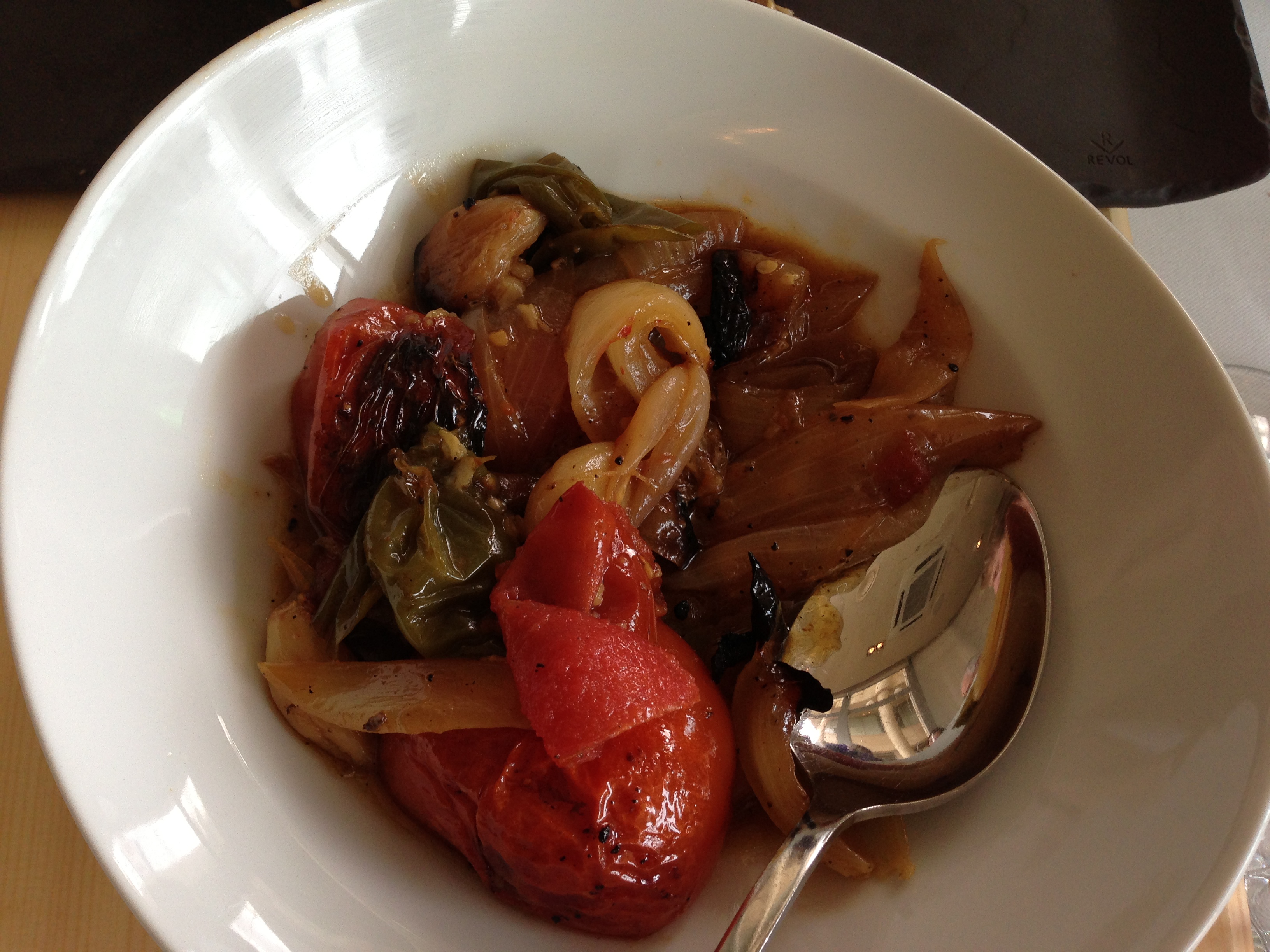

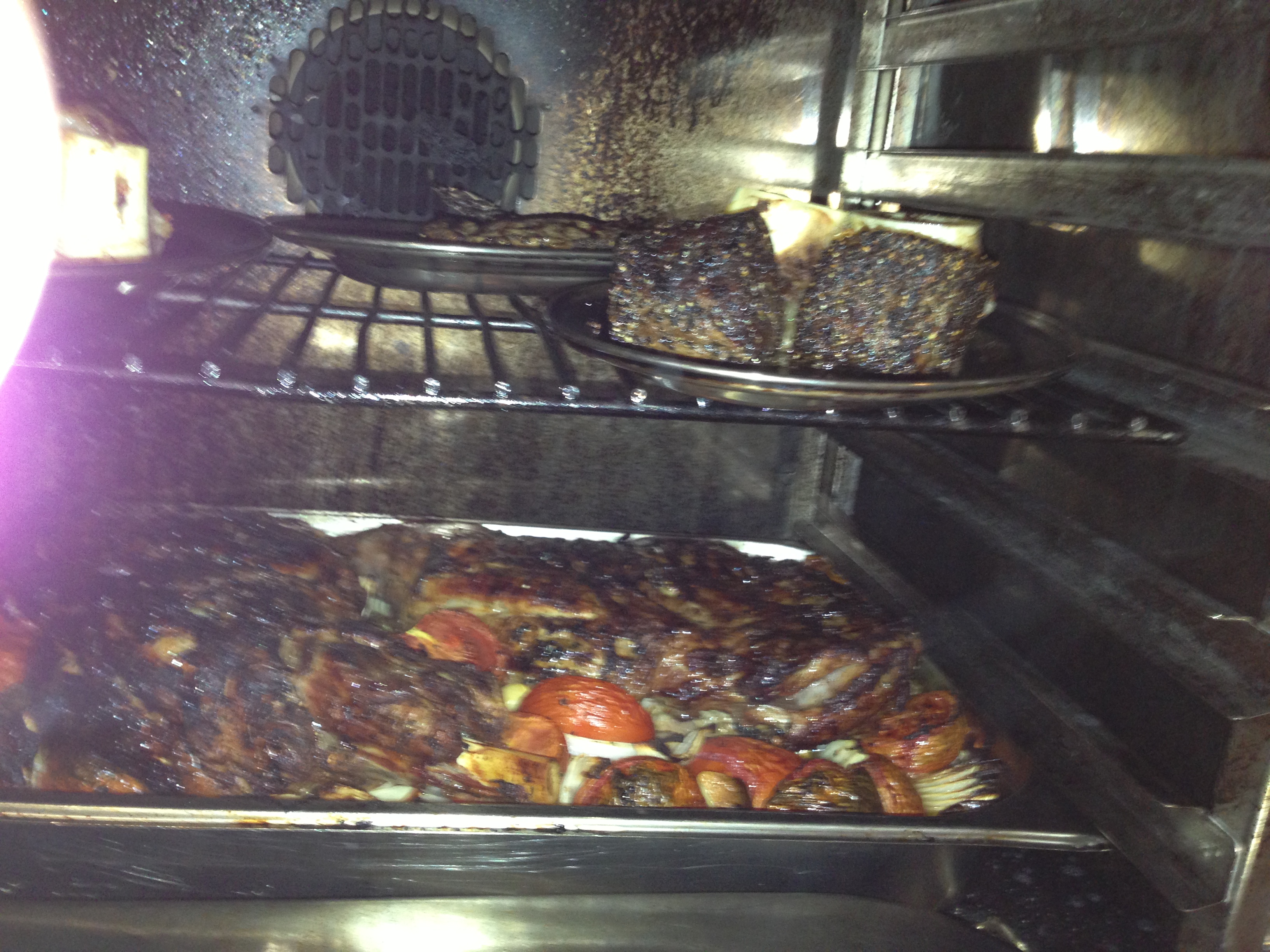
Roasted Leg of Lamb root vegetables and tomatoes and green chillies, Roast Rata Potatoes.
The lunch’s “special” a personal dish cooked ONLY for our table was unfortunately served only after we were beginning to fill up… with it cane the fish dish:
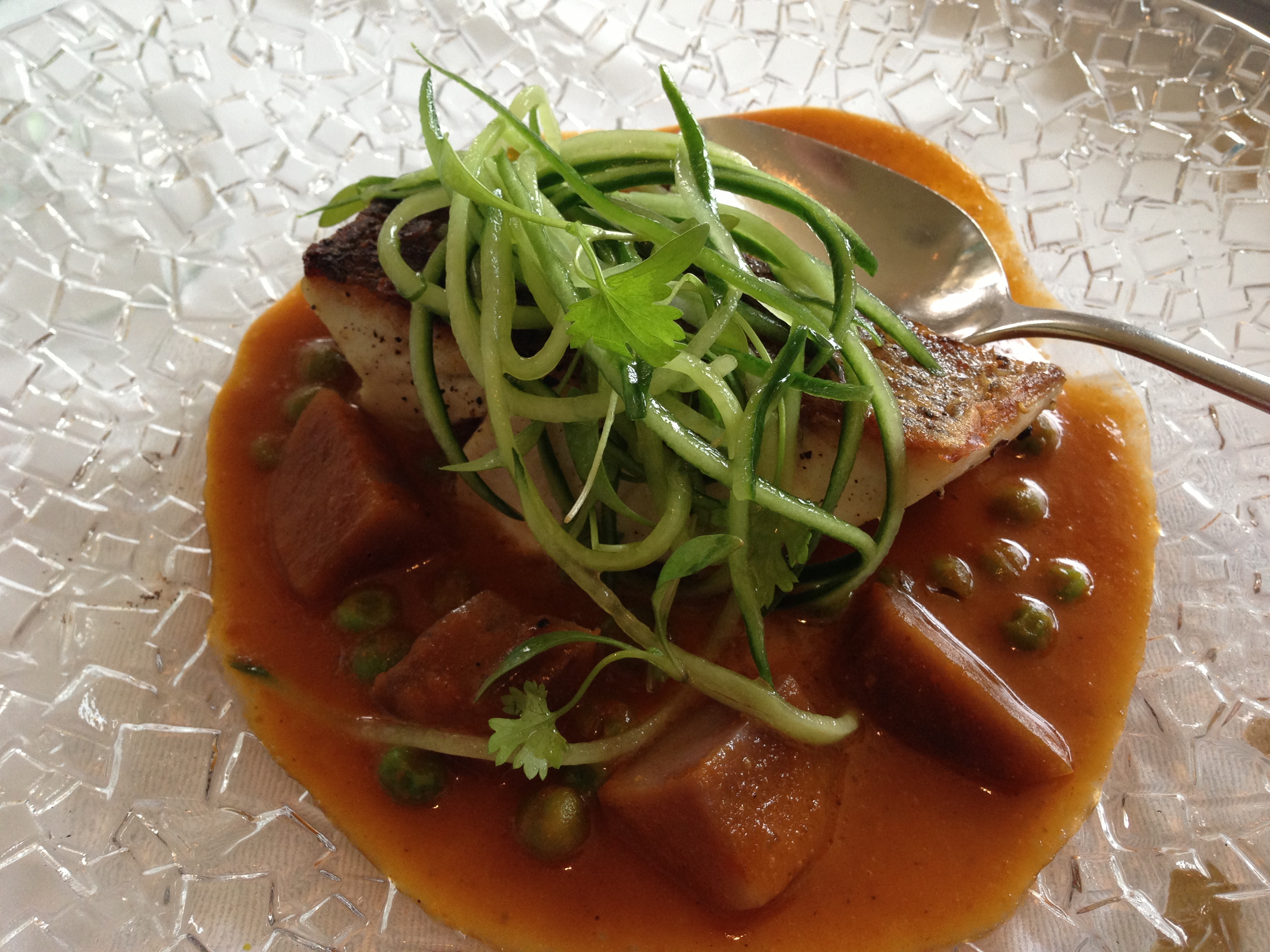 Meager or drum fish (Musar around our shores) in spiced tomatoes fish stock (Jungle curry) and white rice. The sauce was divine, fried fish fillets “swimming in this red tropical sea, freshened up with cucumber Juliennes.
Coffees and deserts


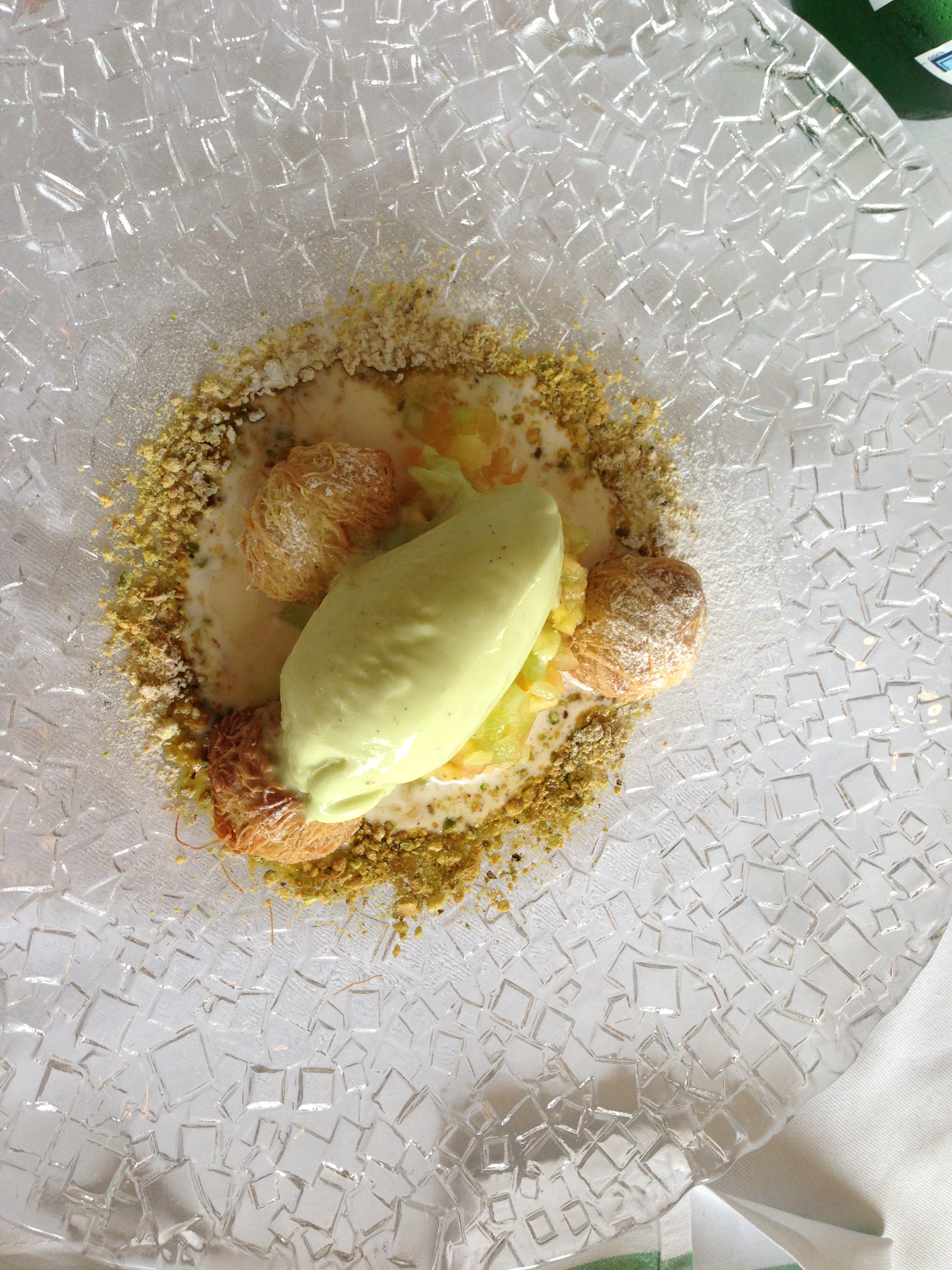
Cheese Cake Luis 14th style
Chocolate Nemesis in seasalt caramel / toffee and Ice cream
The House of Pistachio (Fistook) with pistachio Kulfi
And we were so pleased and FULL!
The WINES
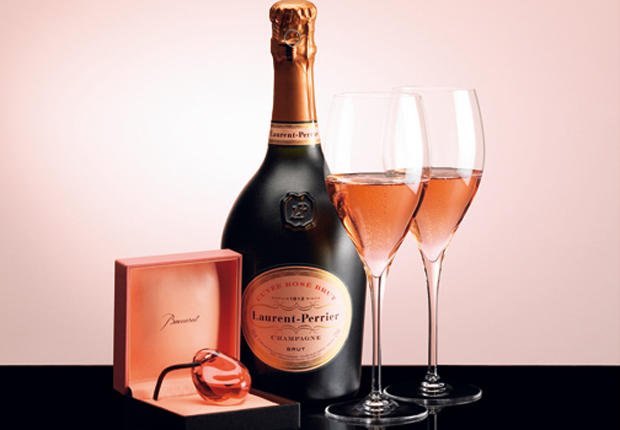 Laurent Perrier Rose Champagne is a salmon colored rosé Champagne crisp and fruity. with aromas of strawberries, raspberries, the Laurent Perrier Rosé Champagne is made using maceration technique, giving it richness without losing its elegance . A fresh, delightful rosé, excellent fit for the occasion.
Moët & Chandon Rosé Champagne,This over 10 year old NV is a Moët & Chandon’s excellent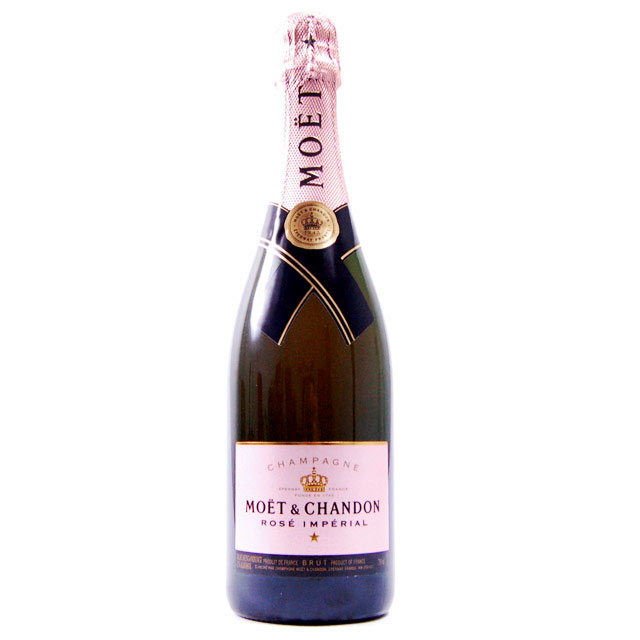 non-vintage pink champagne retained its fresh pink colour. It has all the usual approachable unsophisticated Moët touch yet it comes with a twist of emphasis on red berry scent with light red summer fruit flavours.
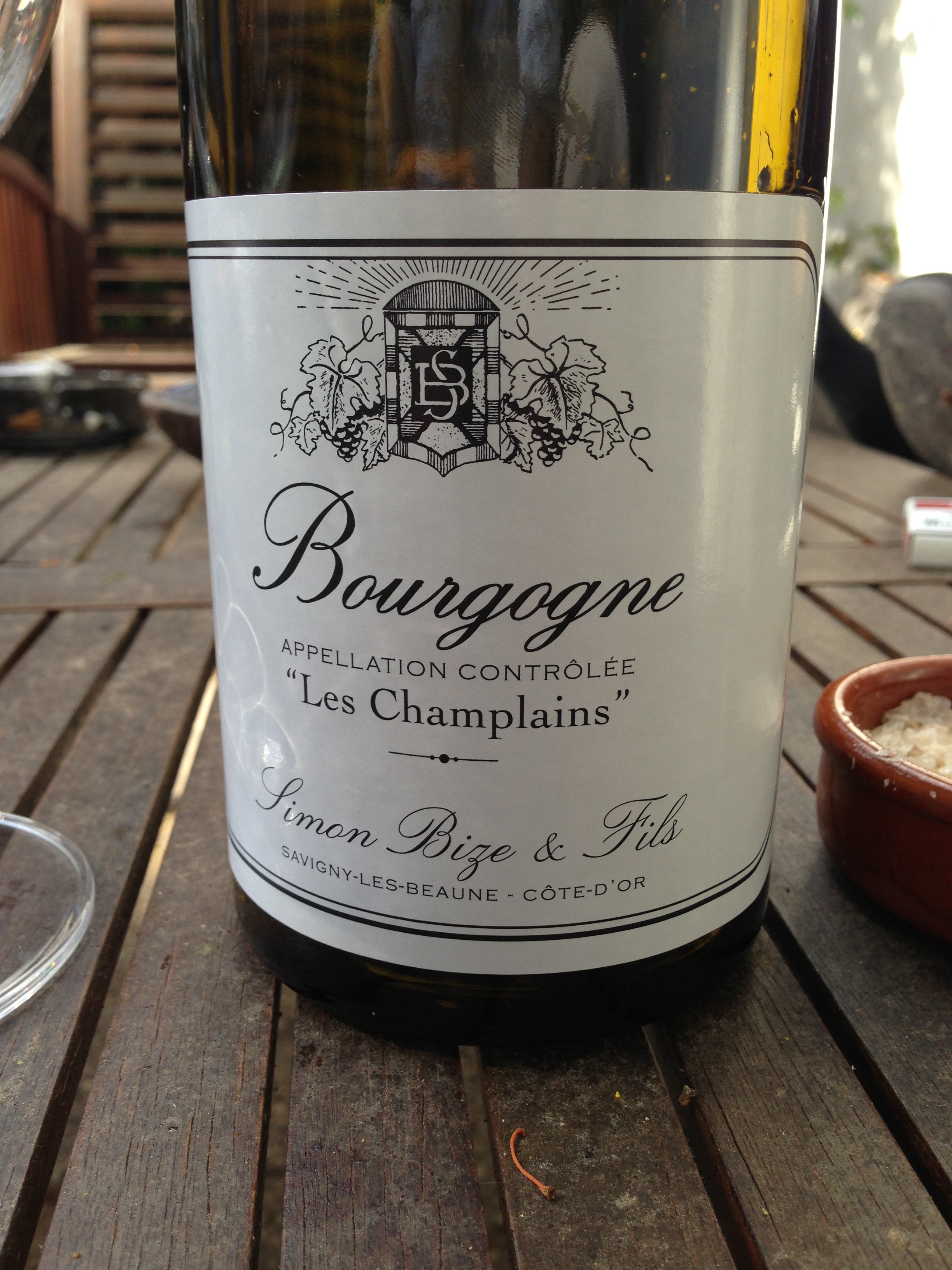 2010 – Simon Bize Bourgogne Blanc Les Champlains, as it went with the BBQ see; https://wine4soul.com/2013/04/19/bbq-for-independence-day/ everyone enjoyed the wine immensely, so much so that I miss calculated the number of bottles required, never mind sometimes less is more…
Thanks Jonathan Roshfeld for your special gesture, coming to cook for us on you free day, for arranging such a perfect Lunch, a lunch to remember and leave good memories of yet another special BIRTHDAY PARTY with Jon, and special thanks to all the restaurant stuff for the effort, the wonderful and caring service making us yet again feel at home. I know this is not our last family celebration with Yonathan and his highly able crew.
Herbert Samuel , 6 Koifman Street (Gaon House), Tel-Aviv Tel: 03-5166516
YOUR WINEGUIDE
BBQ for Independence Day
No one really knows when or why a tradition of celebrating Independence day around charcoal grills started. If you ask me it is a “borrowing” of the American modern 4th of July tradition (also) of unknown origin.
BBQ was not invented in America and no one knows who invented the barbecue. The word ‘Barbecue’ might come from the Taino Indian word ‘barbacoa’ meaning meat-smoking apparatus. ‘Barbecue‘ could have also originated from the French word “Barbe a queue” which means “whiskers-to-tail.” When all parts of an animal where used for preparing meat dishes on fire or smoke. (wiki)
Ancient man song by Daphne Sarnat from: http://daphodil-music.co.uk/the-ancient-man-song-number-8/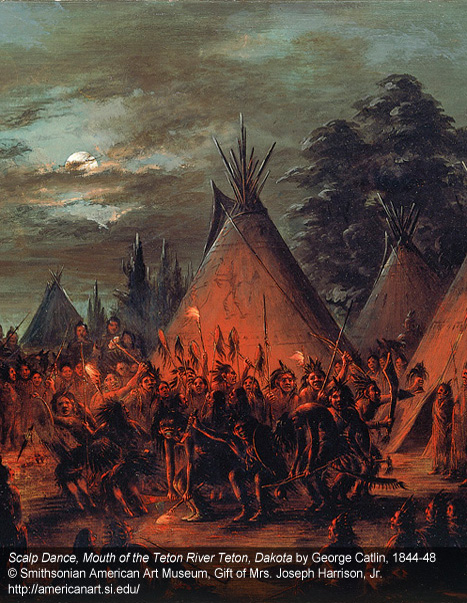
We have to go way back to prehistoric times to dig out the origin of slow cooking on fire Barbecue. Fire’s general use, according to paleontological and archaeolgical records, began only about 40,000 to 50,000 years ago. But after cooking, many undesirable substances present in plants and vegetables are deactivated and starch and other nutrients in the plants become absorbable by the digestive tract. All of the major domesticated plant foods, such as wheat, barley, rice, millet, rye, and potatoes, require cooking before they are suitable for human consumption.
From: Cambridge World History of Food, Kenneth F. Kiple and Kriemhild Conee Ornelas [Cambridge University Press:Cambridge] 2000 (p. 1571)
It is possible that men first ate meat that had been charred or cooked by virtue of being caught in a natural forest fire (a positive accident). They might have otherwise eaten raw meat, if necessary, but we can also imagine that our earliest digestive systems rebelled against eating raw meat.

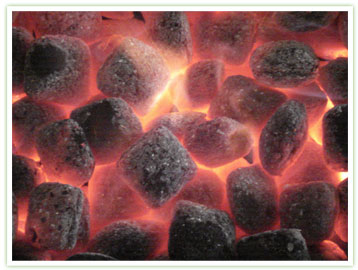

Nowadays, to barbecue means to slow-cook meat at a low temperature for a long time over wood or charcoal. In America, barbecue (or BBQ) originated in the late 1800’s during Western cattle drives. The cowboys were not allowed “perfect cuts” of meat, mainly brisket that required many hours of cooking to tenderize. As they sat after sunset around wood fires, meat and other foods were prepared on charcoals.
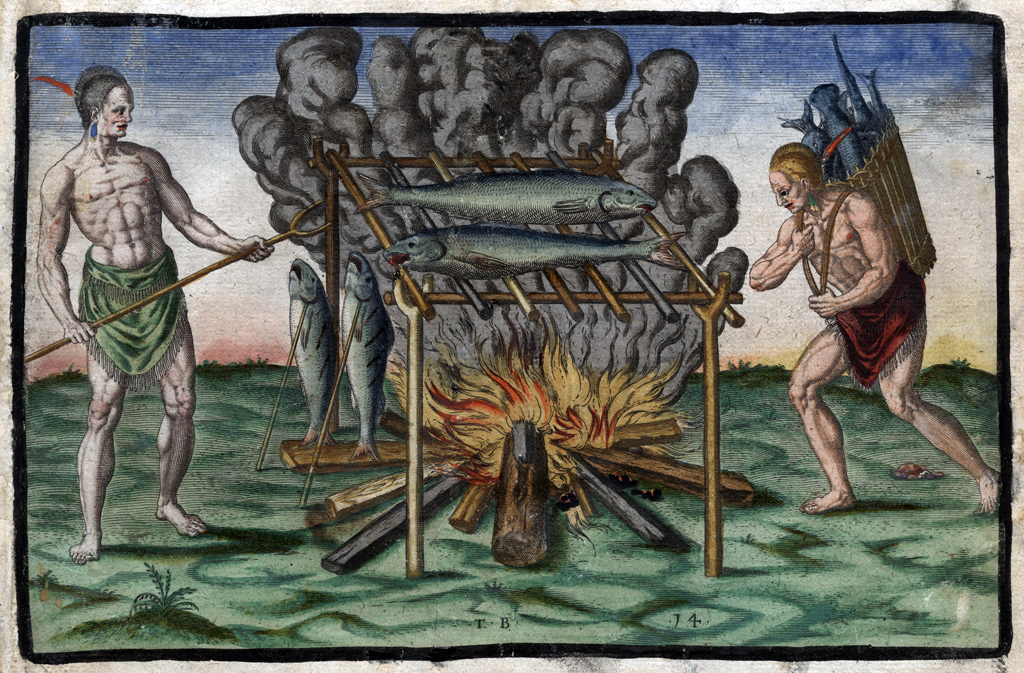 There is a romantic notion regarding “Cowboys and Indians” the open plains and the wild prairie, an Indian tribe cooking meat over fire after the hunt (smoking and drying the rest for future use), town folks eating huge steaks at the local restaurant as portrayed in the John Ford 1962 movie The Man Who
 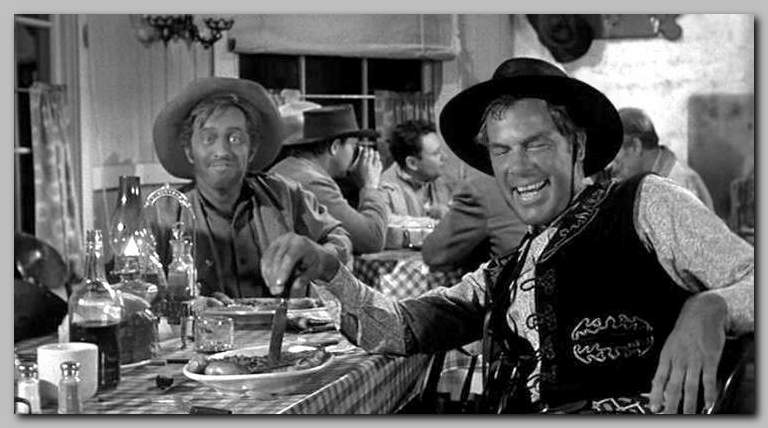 Shot Liberty Valance, including a fight over meat, with Ranse (James Stewart) waiting table, Liberty (Lee Marvin) making trouble, and Tom (John Wayne) booting Strother Martin, in an outrageous confrontation over a steak. I was always amazed by the sheer size of the “wild west” huge steak cuts.
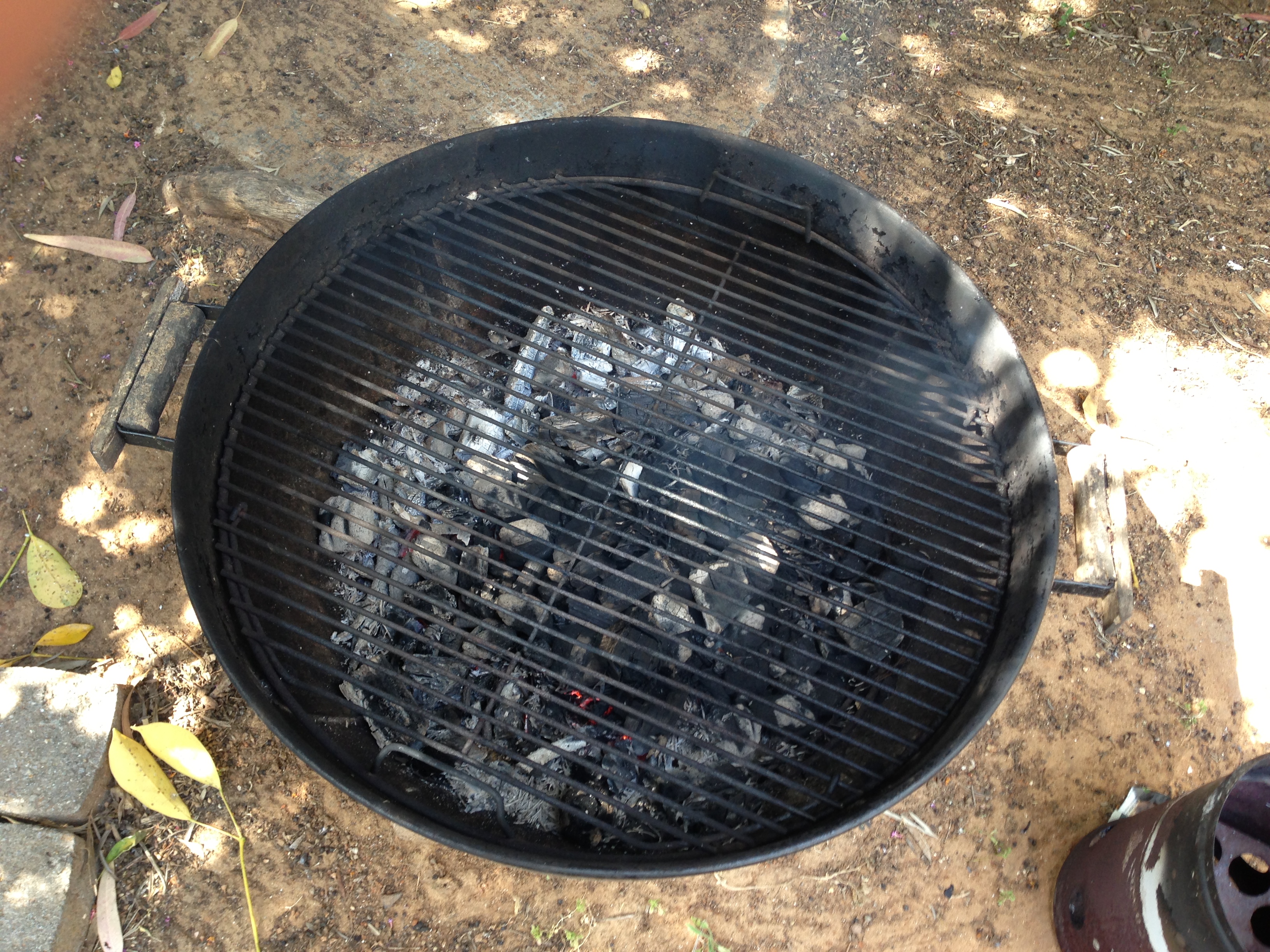
My old Weber grill has long lost its legs but still performs miracles for BBQ grilling all you need is a good bunch of red hot charcoal wood or charcoal briquettes and your prepared or marinated meat, fish, seafood, vegetables etc.
We had :

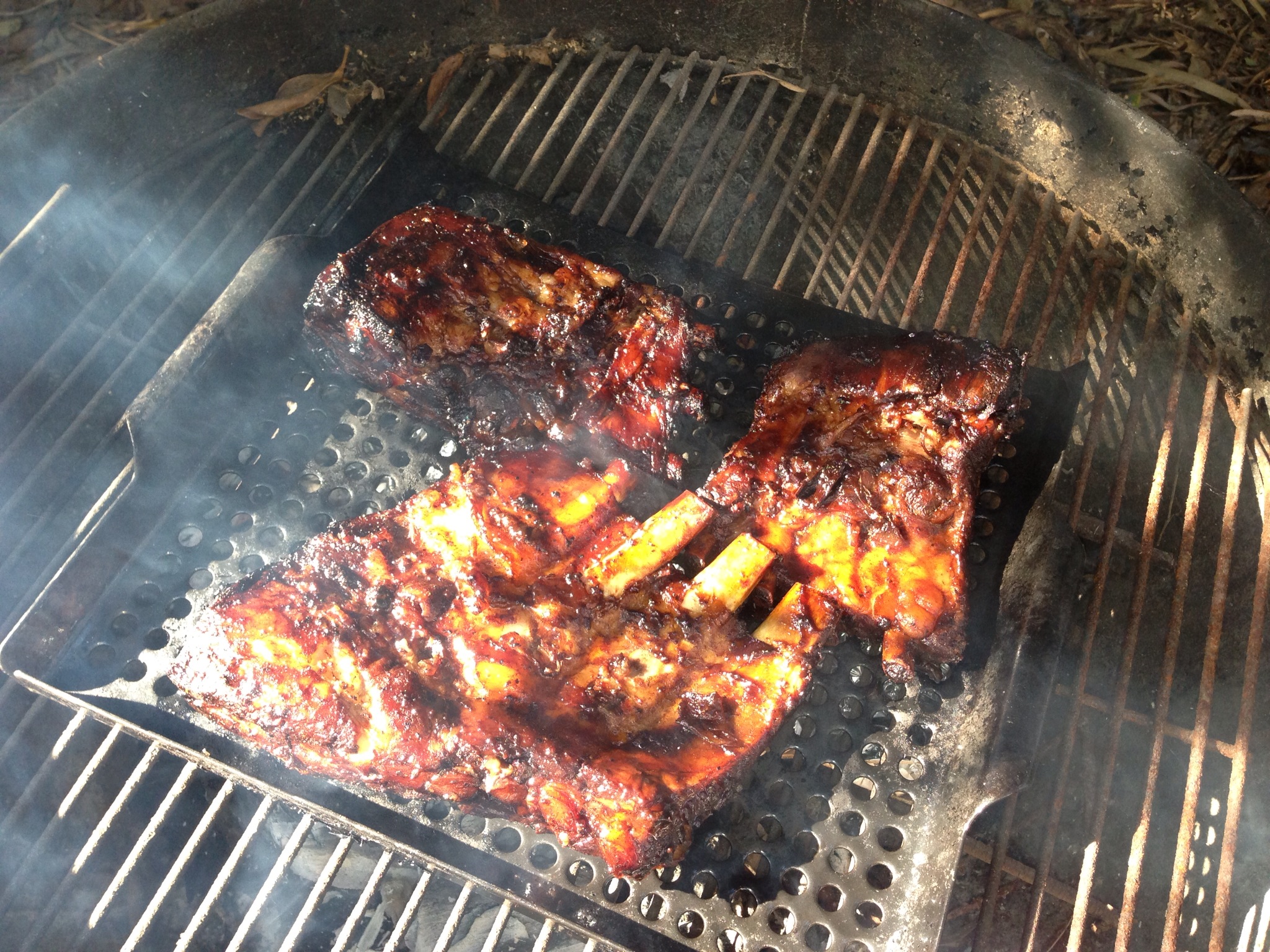
* pork spare ribs prepped in advance finished on the grill

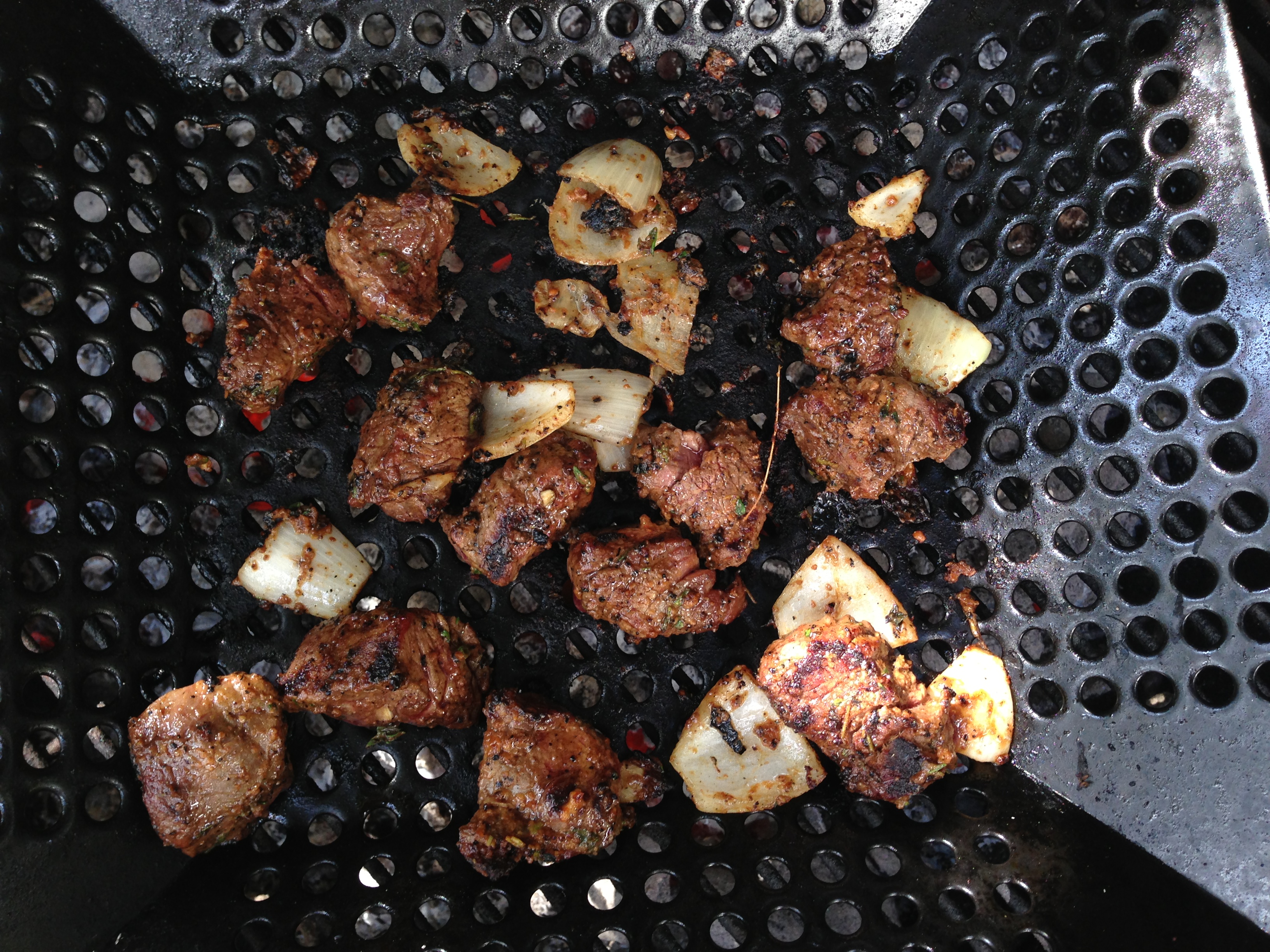
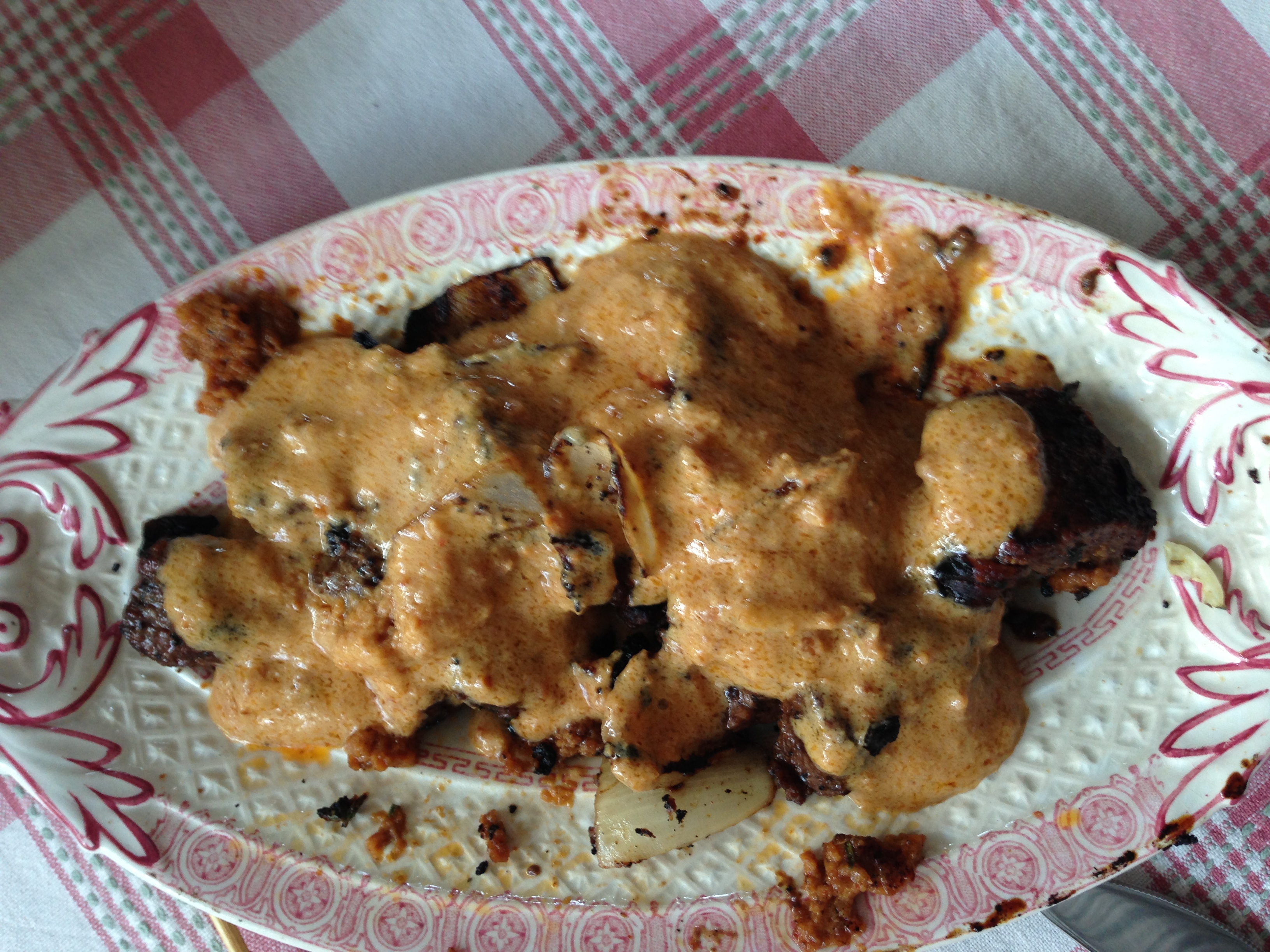
Indonesian Sate Beef (sate marinate and sauce)
 Tandoori Lamb chops in tandoori paste marinade (everyone’s favorite, though not in a tandoor)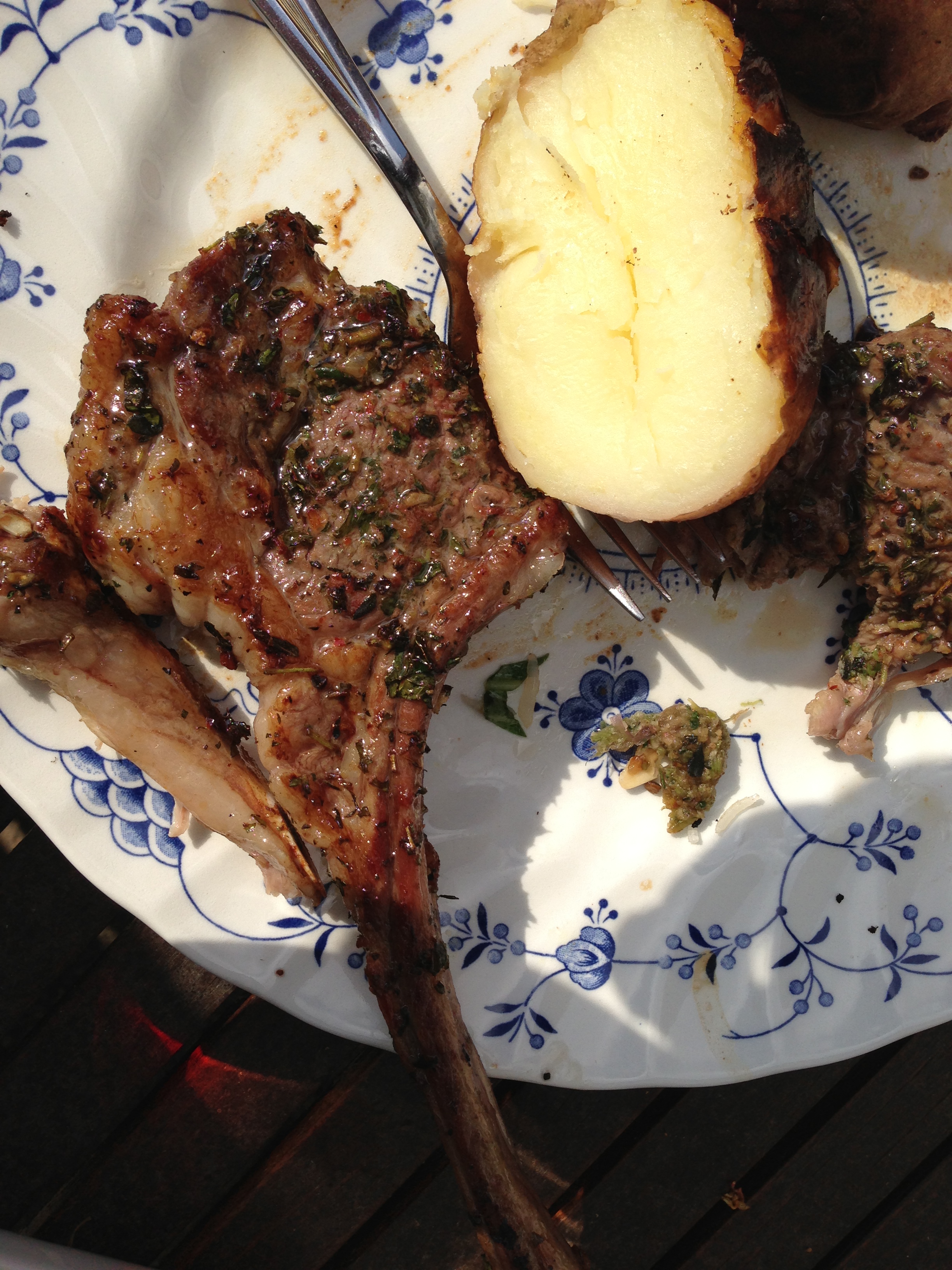

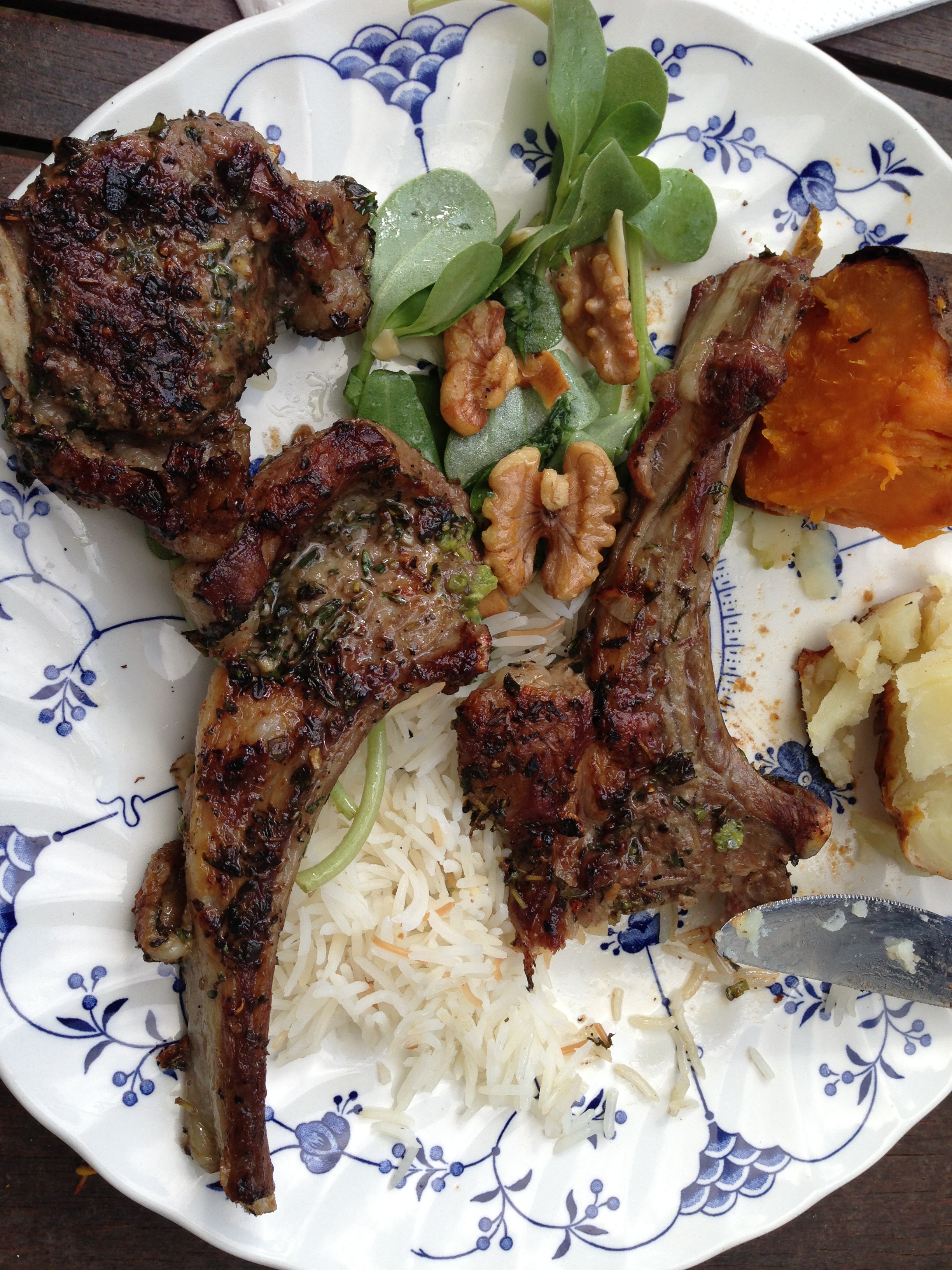
Mediterranean style Lamb chops (garlic, thyme, mint, rosemary)
some Basmati rice for the south Asian fare, and grill roasted potatoes and sweet potatoes with salad as side dishes
The wines
2010 – Simon Bize Bourgogne Blanc Les Champlains
The 2010 les Champlains turned to be a great bottle of wine worth every penny of its relatively low cost. The great nose soars from the glass in a blaze of green apples, with some peaches and citrus blossoms, with a floral note of acacia blossoms. On the palate the wine is substantial and elegant, pure and full of fruit, good length keeping fresh all the time. Wait 10 minutes for the wine to settle down than a gush of green apple peel on the Nose with apple, pear, some tropical fruit. This is not a great wine by definition or pedigree although it comes from a single lot above Savigny les Beaune in Côte de Beaune, Bourgogne. It is an (AOC) with slightly less than 15 per cent chardonnay grapes with no Grand Cru vineyards within the appellation. Great value for money.
Simon Bize is a terrific producer continueing a family tradition since 1880 and making wines in a more meticulous manner around 60 years (early 1970’s)
Dugat Py, Gevrey Chambertin, Coeur du Roi 2003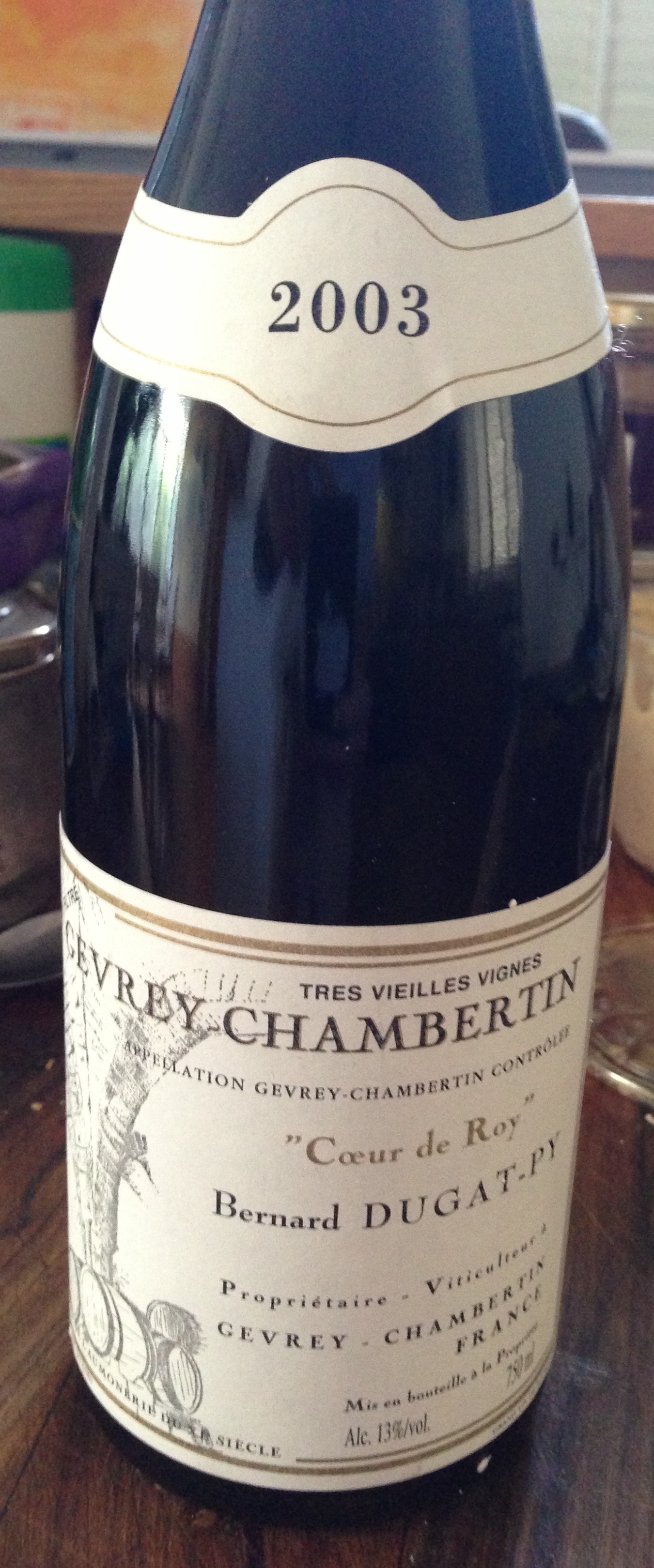
Dugat Py claim for fame comes from the American wine import industry as a true modern day Burgundian superstar. I know this is not my favorite wine making style in the Burgundy area, too much effort on colour, fruit and tannin concentration, Usually I personally prefer the less purple more light reddish translucent traditional elegant wines with a “true” Bourgognian touch, we had the Dugat Py, Gevrey Chambertin Coeur du Roi 2006 a few weeks ago and the wine was still too firm even too tight and failed to open to its full potential even after a long time (the rest of the case will have to wait in my cellar for at least another 5 years I am patient), Yet Dugat Py wine complement juict fatty BBQ meats more than extremely delicate and elegant Gevrey, and so it was chosen; A Dugat Py, Gevrey Chambertin, Coeur du Roi 2003, now at its 10th year (an enigma that has to be solved I also have a case of these…) On the first sniff I was relieved, the wine had some other undertones of the soul and soil of Bourgogne that overcame the strength and power the wine was intended to reflect. Great smell of cherries more than strawberries with lovely wet soil and mushroom scent, on the palate flavour is luscious fruit with pleasant fresh compost/hay or cabbage (on the pleasant side) traces, seasoned with thyme and mint overtone evolving so well. Full to medium body with a full feel and a very long palate, tannins still not round enough for my taste but I was impressed and content with the choice.

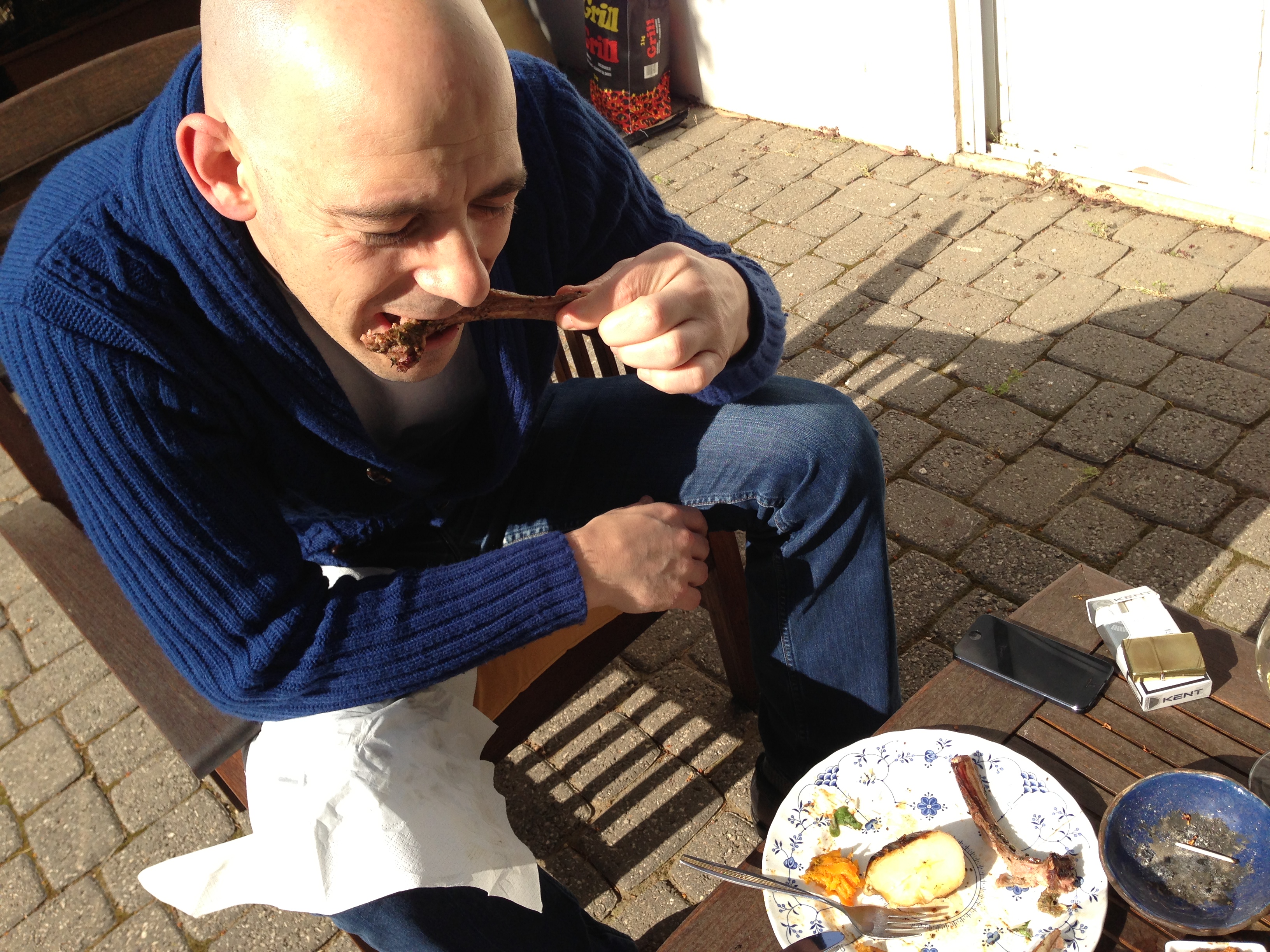
We thought we would not celebrate this year with a BBQ, as it happened we did, in a company of three, a grilled holiday lunch, cooked on charcoal with the moon smiling at us up in the afternoon sky, great wines and company, and my very own tarte Tatin to end the meal.

Your WINEGUIDE
A meal at Yauatcha Soho – A Birthday Party


One of my devoted “followers” is Daphne, and she has her birthday each year on 31st of March. (Yes I invite my regular “followers” to dine on their birthdays, it is a means to increase the volume of readers of my blog: WINE4SOUL.com, a PR stunt and it works) [press play to hear music].
Her choice was; dinner at Yauatcha Soho. Not for the first time may I add and the joy, as always is complete. YAUATCHA is basically a Dim Sum joint at the edge of Soho London. But… there’s dim sum and other “touches of hearts”. This is dim sum at its best with other Chinese nibbles on the side. See menu: http://www.yauatcha.com/soho/files/2011/07/Yau_ALC_271112_no-prices.pdf It serves some of London’s best and most exciting Cantonese food.
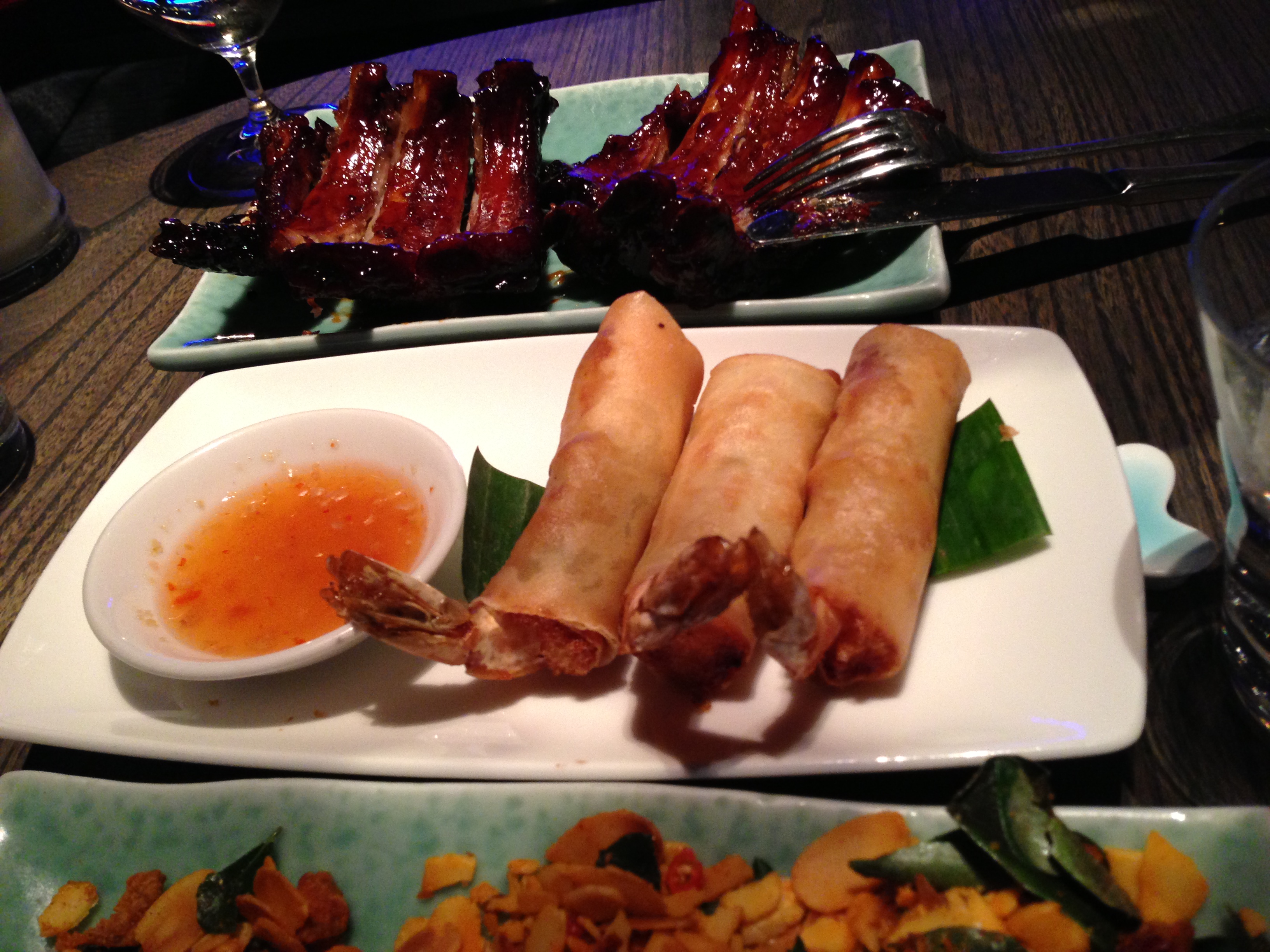
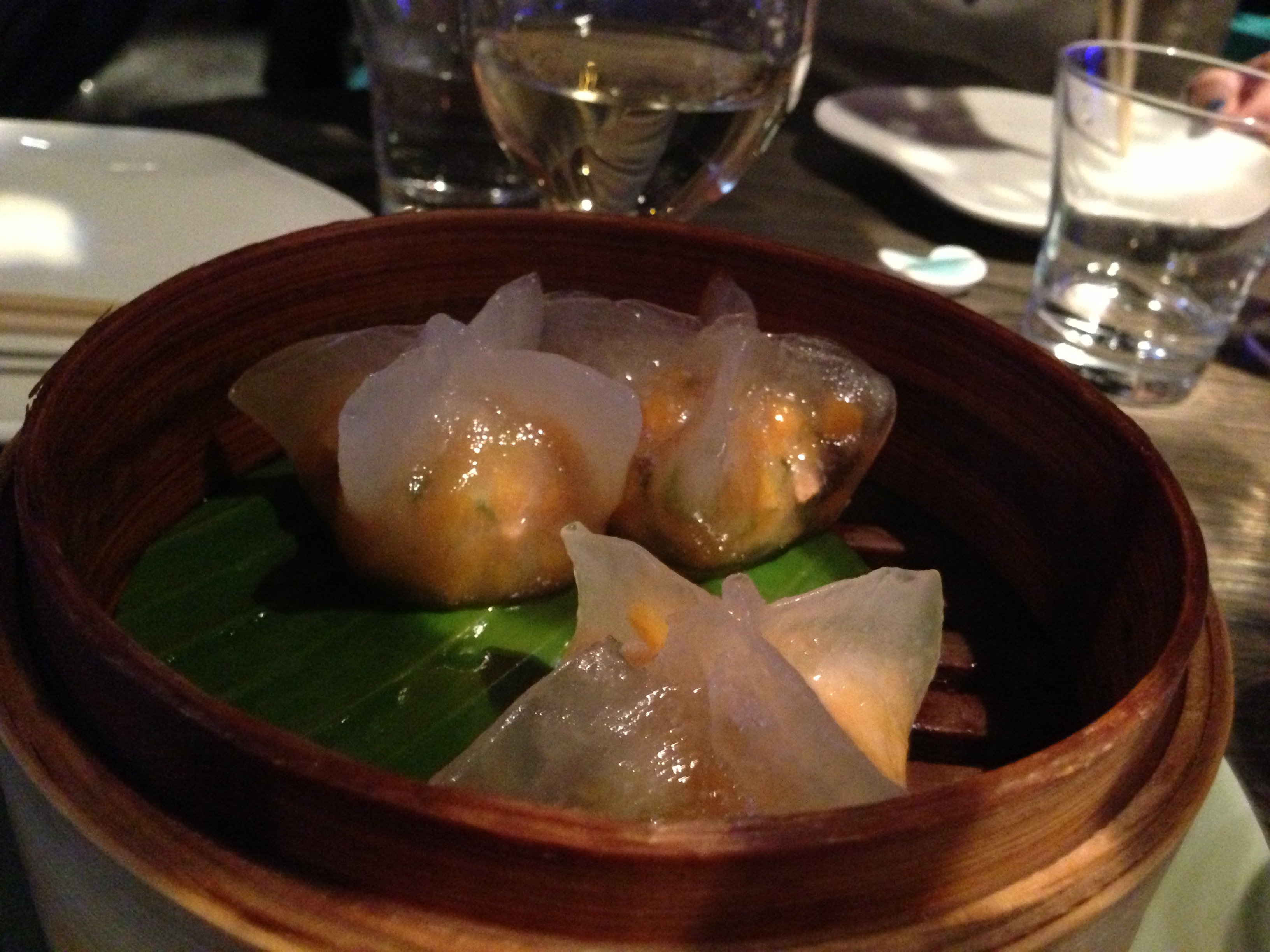

Dim sum 点心 (meaning in Chinese: touch the heart) is (as you all know) a style of Cantonese food prepared as bite-sized or 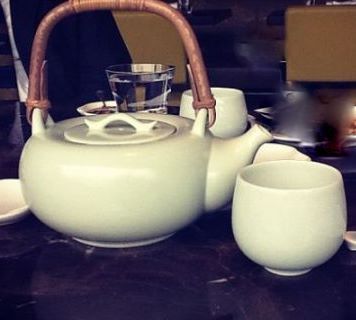 individual portions of food, served either steamed in small steamer baskets or fried, grilled, or baked bite size gems . Eating dim sum at a restaurant is usually known in Cantonese as going to “drink tea” (yum cha, 飲茶), as tea always was typically served with dim sum.
Dim sum has its roots in small establishments that serviced travelers on the ancient Cantonese traveling routes. Those small tea houses, served at first as stations for travelers needing a rest and have a cup o’ tea. Teahouses were established along the roadside. Travelers, merchants and farmers, would go to teahouses for a relaxing afternoon of tea. No food was served as it was considered “inappropriate” to combine tea with food, for dietary reasons. While dim sum was originally not a main meal, only a sort of snack, meant to “touch the heart”, (very much like “Spanish Tapas” traditionally served with Sherry, rather than tea), it is now one of the pillars of Cantonese culinary culture.
The unique culinary art of dim sum was transformed from “yum cha” a relaxing tea break to an exciting dining experience. The traditional dim sum restaurant typically serves dim sum until mid-afternoon. However, in modern society it has become more common for restaurants to serve dim sum at dinner time, Yauatcha follows this trend. In Hong Kong, and in most cities and towns in Guangdong province, many restaurants start serving dim sum as early as five in the morning. It is a tradition for the elderly to gather and eat dim sum after morning Tai Chi exercises.
The characteristics of the elaborate cooking methods of Chinese imperial cuisine, of strict selection of material, which are often extremely expensive, rare, or complicated in preparation, visual presentation as a crucial aspect, and significance of color and shape of the dish arrangement were adopted by Dim sum “masters” who transformed the dishes into Art on a plate.
Dim sum by the way, should not automatically be assumed to be healthy as it contains fatty dishes and ingredients that should be balanced with lighter vegetable dishes.
At Yauatcha, as they testify themselves, “you can sample the delights that first made the restaurant famous when Alan Yau opened it in 2004: top-quality dim sum that’s served day and night. (Yau has long since released control of the business), but standards remain high. Yauatcha is a modern reinterpretation of the old Chinese teahouse. Designed by Christian Liaigre, the restaurant’s open-plan layout and visible kitchen energizes the entire space, engaging both the outside street scene and Yauatcha’s customers. Yauatcha received a  Michelin star within a year of its opening and retained it to date”.
A limited number of restaurants are chosen for the MICHELIN Guides and all aspire to be nominated for entering their “star system” but earning a star is one of the highest honors in the industry. Although The only known criteria on which they judge a restaurant for a Michelin star are: Quality of the products, Mastery of flavour and cooking, techniques, The “personality” of Chef in his cuisine, Value for money, and Consistency between visits, which are vigorously kept at Yauatcha, it is usually more than just that… that enters the list of considerations and very few bustling, noisy, multi service packed restaurants are awarded the Honor of the restaurant industry, Yauatcha, is rightly awarded the aspired accolade. 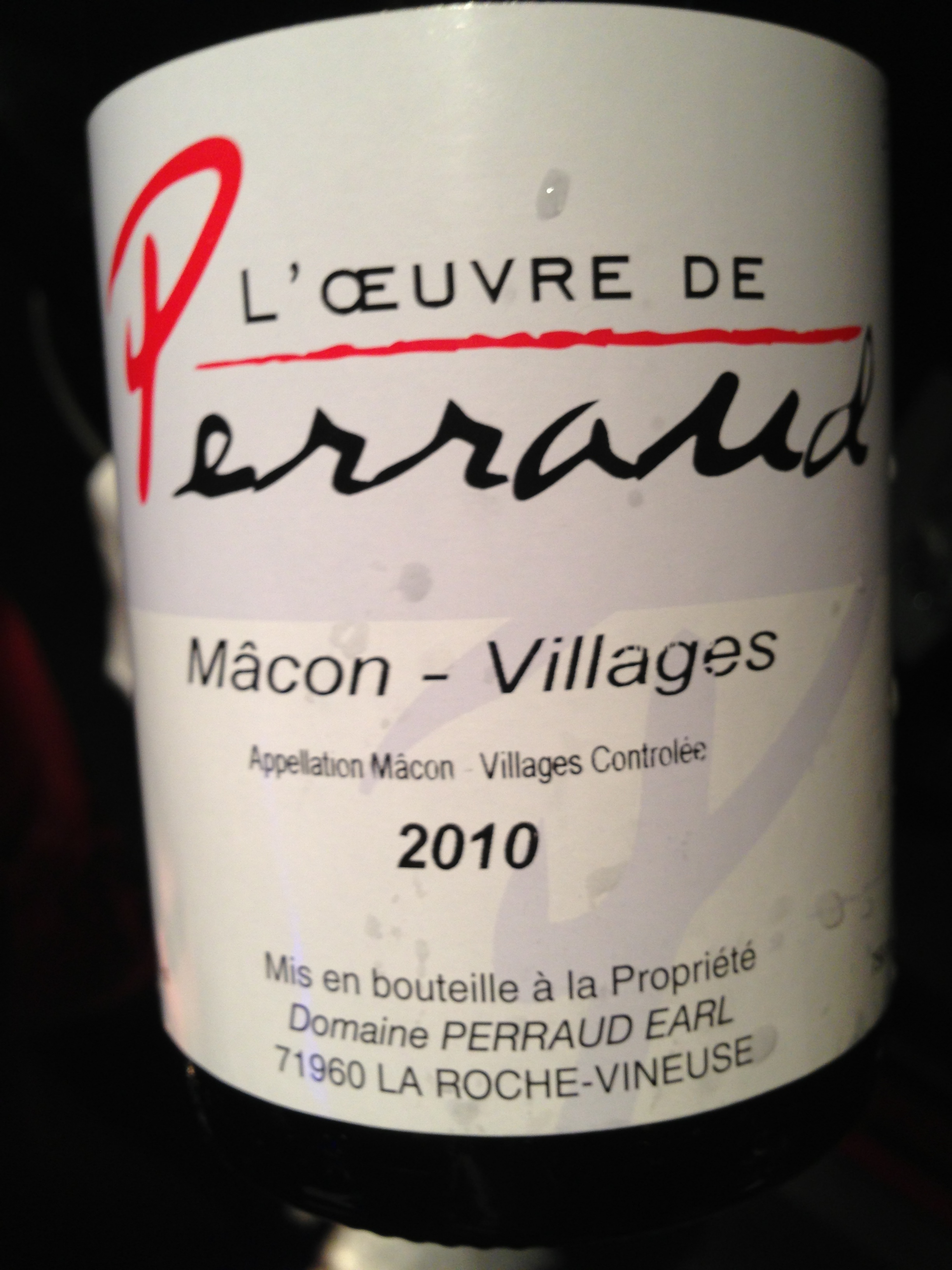
One star indicates a very good restaurant in its category, offering cuisine prepared to a consistently high standard. (A good place to stop on your journey, as defined by the guide). It is worth a visit even out of your journey, I’ve been doing it since the day it was opened.
On this visit we had a selection of the following Dim Sum, and other dishes accompanied by 2010 L’oeuvre de Perraud,Domaine Perraud Mâcon-Villages not a great wine by any standard but perfect for the meal ahead, fresh multilayered with green apple and touches of tropical notes, a light and easy fun wine with no apparent faults.
We had:
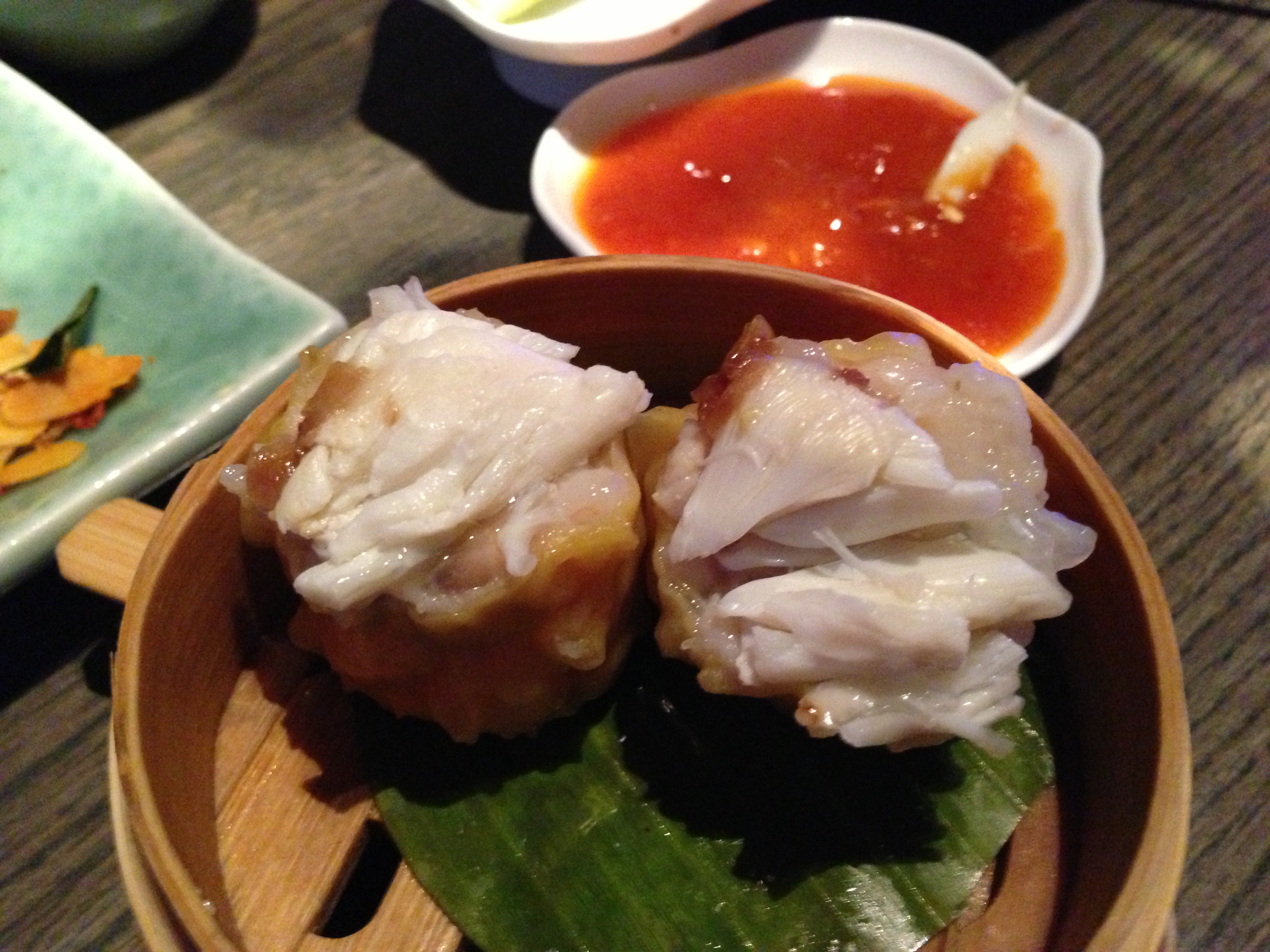 Blue swimmer crab shui mai with pork was an interesting combination of white crab meat and minced pork.
Steamed vegetable dumpling – so well performed and presented the photo says it all
King crab dumpling – simply delicious
Prawn and bean-curd cheung fun an old favorite of mine and one of the ” spécialité de la maison” the perfect balance of oral touch sensation the bite starts at the outer smooth jelly, followed by crispy lining of bean-curd that crunches between your teeth as you get to bite the springy fresh prawn exquisite!
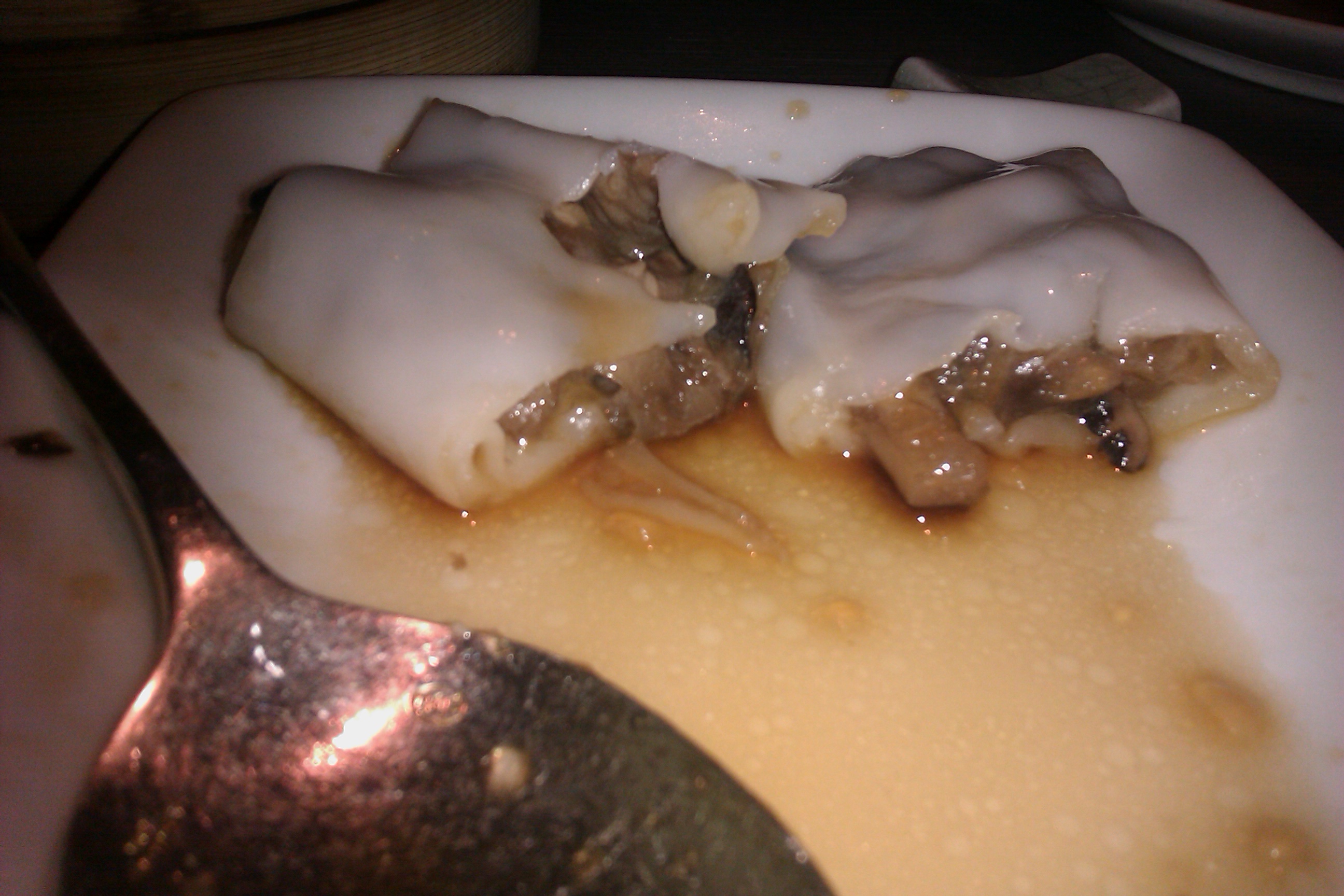
Three style mushroom cheung fun another “house specialty” the gelatinous “flat rice noodle” wraps precisely spiced and deliciously scented mushroom filling.
Of course we could not resist the fried Spicy soft shell crab so we ordered 2 and could have devoured at least 2 more between the 4 of us. The chilly spiced roast almonds with fried and fresh curry leaves and a well fried soft shell crab “swimming” in a yellowish saffron colour, a delight with every bite.
Soft-shell crab is a term for crabs which have recently molted their old exoskeleton and are still soft, most crabs molt their shell and are a delicacy at this precarious stage of their cycle.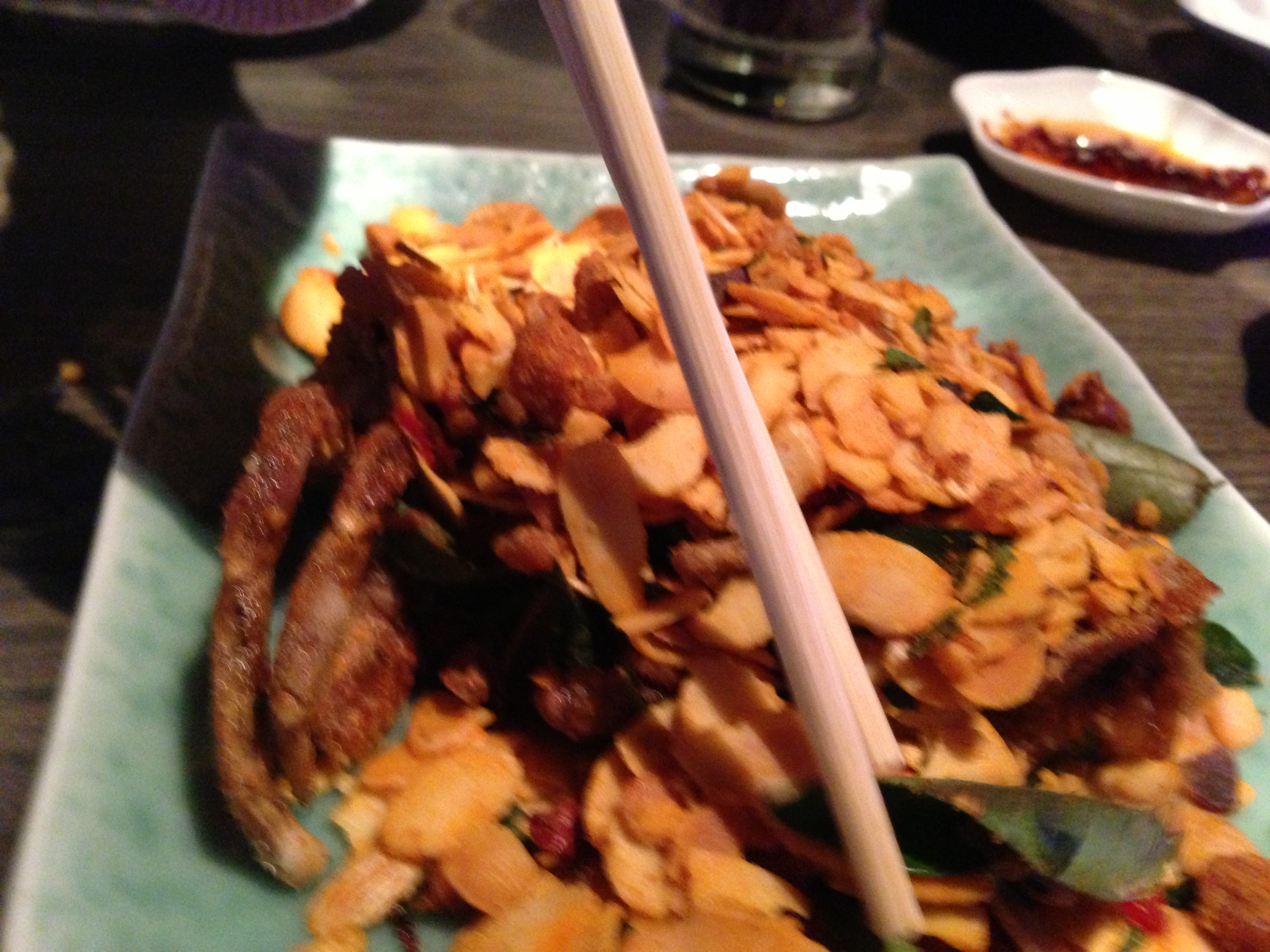
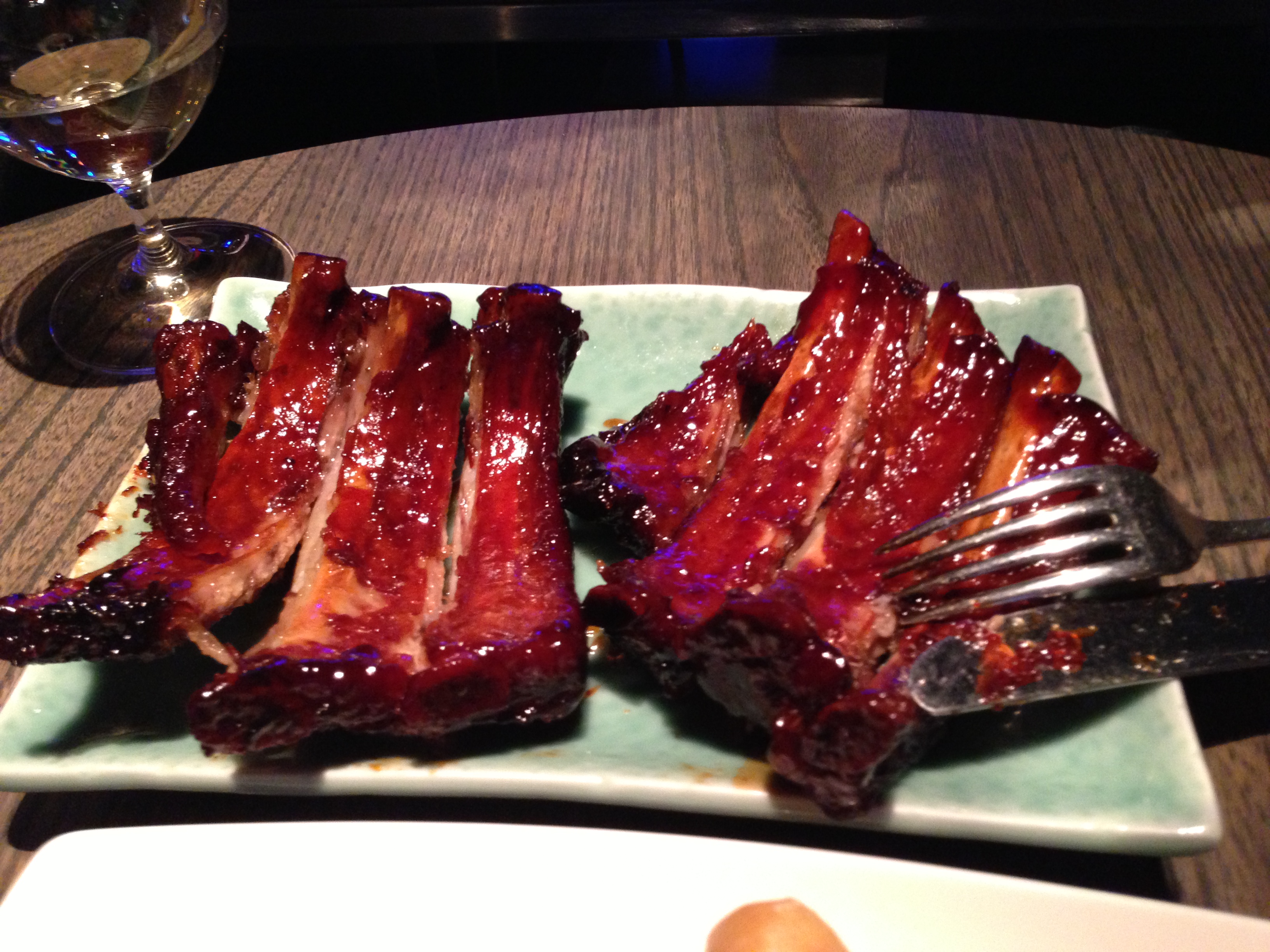 Jasmine tea smoked ribs – so tender and well seasoned to “die for”
Crispy aromatic duck – this is almost a fetish of mine to sample crispy aromatic duck (a most common dish) in every chineese mealand this one tops them all all the fat turned to crunchy crisp deliciously spiced and scented, I like it here, I can skip the whole self wrapping part and just eat it on it’s own.
For vegetables Spicy aubergine, Sato bean, okra and French bean – the wide array of tastes enhanced by the Hedonistic peculiar 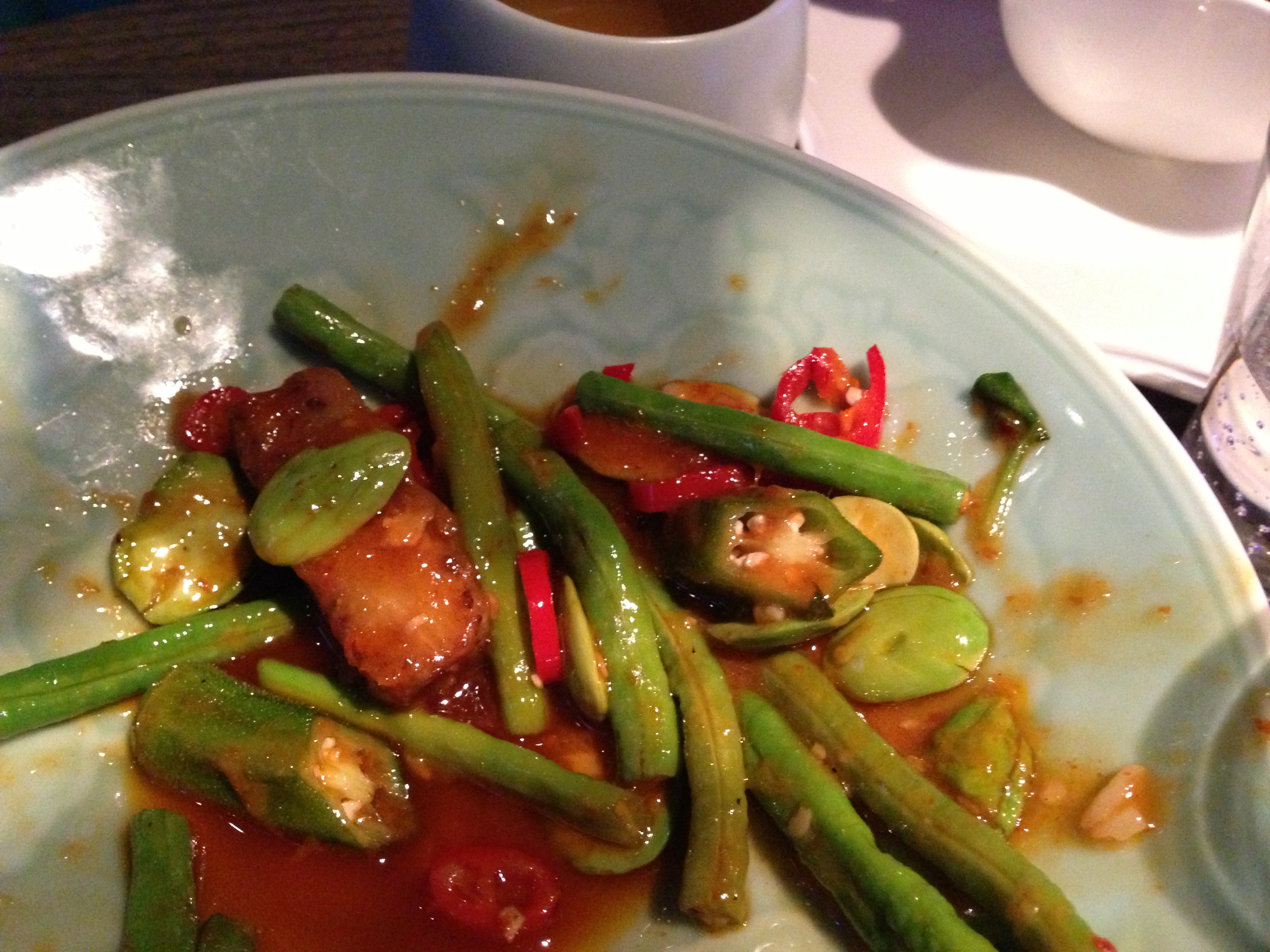 taste of the Sato bean is sensually perfect.
 Sato Bean is a plant of the genus Parkia in the family Fabaceae. It has almonds shape, long, flat edible beans with bright green colour which have a rather peculiar but Hedonistic smell, similar (but stronger) to the Shiitake or even rotting mushrooms. A popular culinary ingredient in most south Asian countries, mainly: Indonesia, Malaysia, Singapore, Laos, southern Thailand, Burma, and northeastern India.
Egg white fried rice with dried scallop and asparagus – my favorite rice here
We finished with a well brewed cup of tea and a complete balance of body and mind was achieved yet again.
The service (as always), was kind supportive informative and efficient.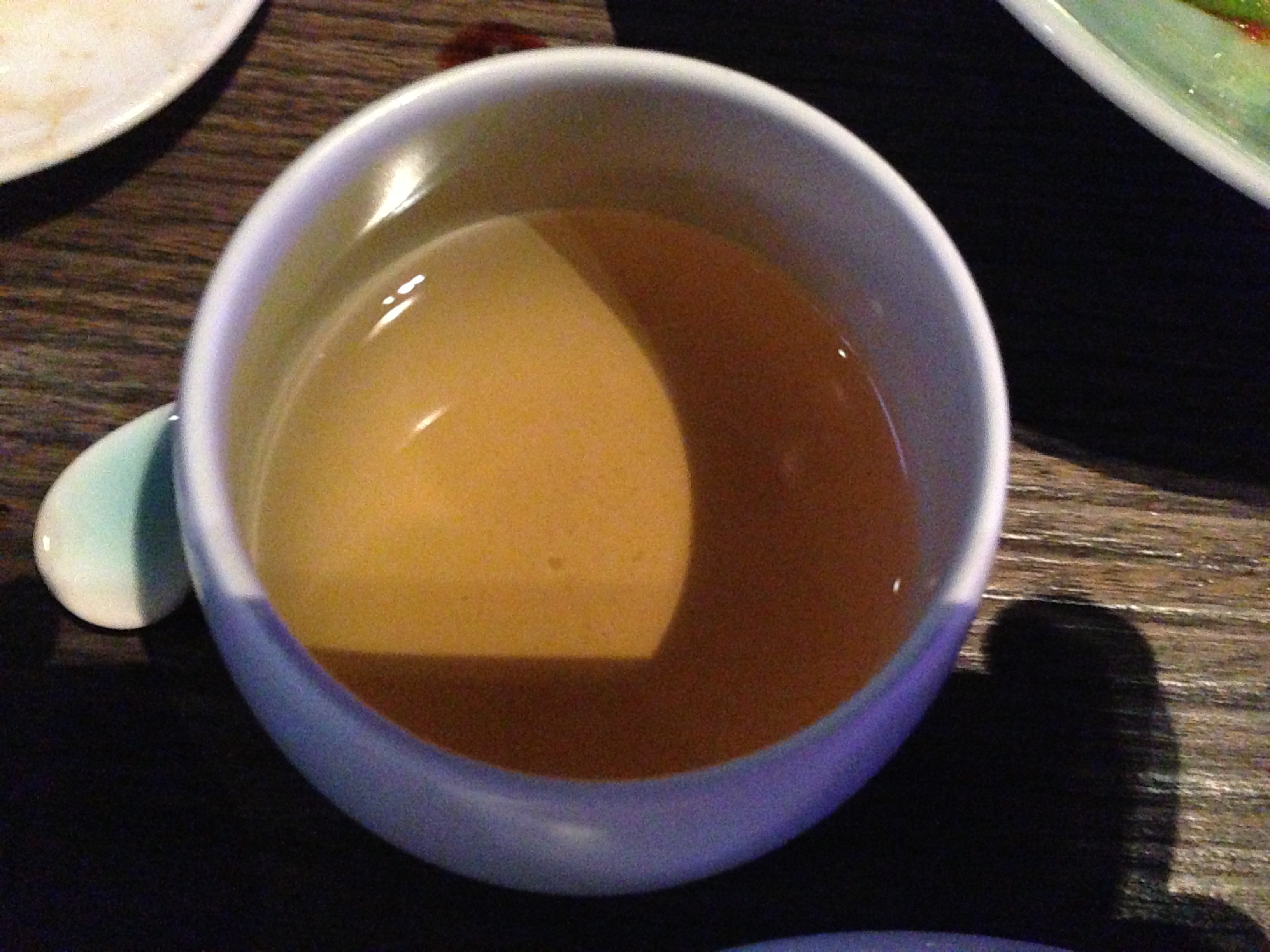
Yauatcha :15-17 Broadwick Street. Soho, London, W1F 0DL,
Tel:+44 (0) 20 7494 8888.
Happy Birthdat dear Daphne
YOUR WINEGUIDE

Soufflé, ‘Le Beauvilliers’ Restaurant 1782 Paris, Hot Air Balloons and the Montgolfier brothers.
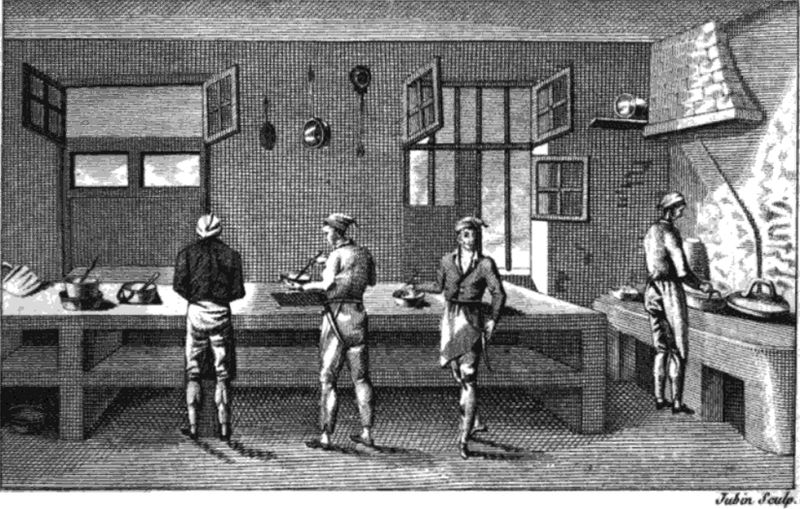 The first true big restaurants in Paris, worthy of the name restaurant as we know it, was ‘Le Beauvilliers’ . It was opened in1782 on the eve of French Revolution in Palais-Royal district, by Antoine Beauvilliers, a famous French restaurateur, once cook of King Louis XIV and later owner of the first real restaurant in Paris, served many soufflés in his career, although his L’Art du Cuisinier containing the first printed soufflé recipes wasn’t published until 1814. The restaurant, ‘Le Beauvilliers’, under his own name, was one of the nicest restaurants of the capital. In fact, Antoine Beauvilliers, is considered to be one of the top “culinary artists” of his century, and is also known as the “inventor of Soufflé”

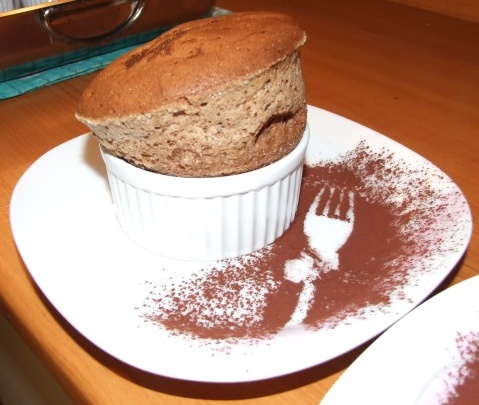

The first hot air balloon was created on December 14, 1782 by the Montgolfier brothers, shortly after a visit to Restaurants ‘Le 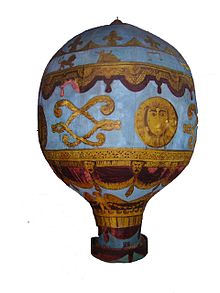 Beauvilliers’ in Paris. The Montgolfier’s, while enjoying their dish of ” Soufflé du jour” noticed that the baked, fluffy, light, airy dish was puffed up by expending hot air bubbles trapped in egg protein of the whisked eggs in the mixture. Soon they borrowed the idea to heat up air in a large balloon shaped envelope that would expand fill up with hot gas and pick up their balloon and the basket attached to it up in the air. This is not really how things happened but you must admit it is a nice story (the “connection” was inevitable).
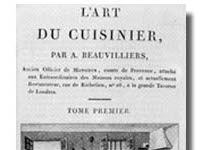 During the time Political changes and persecutions that made Antoine Beauvilliers leave his beloved trade, he composed, one of the best works known in the culinary arts, the famous, 2 volumes cookbook: the “Art du Cuisinier”, published in 1814; This cookbook was translates into English under the title of The Art of French Cookery, in London, in 1825. Antoine Beauvilliers, (1754-1817), is buried in Père-Lachaise cemetery in Paris possibly near Jim Morrison’s grave??
The physical law that explains the rising of souffle as it is baked was described a few decades after its  “invention”, also by the French scientist and balloonist, J.A.C. Charles. It describes how gases tend to expand when heated. Charles’s law says that: the volume occupied by a given weight of gas is proportional to its temperature.
 If you heat air into a balloon the balloon expands (fills up with more air), and lifts up. So if you put a soufflé mixture in the oven the air bubbles trapped in the mixture will heat up, swell, and expand out beyond the top of the dish. Since there is also evaporation of water from the whisked egg bubble walls inwards, the bubbles expand even more when they reach the boiling point and turn into gas, as more liquid water becomes gas, the quantity of gas in the bubbles increases applying pressure on the bubble walls, which causes the bubbles to expand even more, thus our Soufflé rises more and more. If the Soufflé bubbles cool, the air they contain contracts in volume, the vapor condenses to form heavy drops of water and the Soufflé falls, but only as it begins to cool. So Soufflé’s tend to “fall” as they cool down which is why they have to be served immediately from the oven.
(partially from “On Food and Cooking: The Science and Lore of The Kitchen” by Harold McGee [Scribner:New York] 2004, (p. 109-113)
My friend Judy sent me this wonderful Video: Il Carciofo di Aimo e Nadia by Elisia Menduni that “speaks” for itself from
 Gazzetta Gastronomica :
Last New Year’s Eve I made a wonderful soufflé: soufflé of French goat cheeses and fresh porcini mushrooms, as one of the dishes that comprised the meal as described in one of my early posts: https://wine4soul.com/2012/05/08/a-new-years-eve-dinner-2/, a few days later, my friend Shaul Evron, after looking at the photos, as I was describing to him the meal, surprised me in saying: “I really miss souffle’s I have not had one in ages”. I’ll make you some I replied, they are real easy to make and I get them right each time. He said “maybe you should come one day to Yoezer and make some with the kitchen stuff”. They were not enthusiastic about the idea cause it would engage one of the ovens at all times, just for that dish, in case Shaul would decide he would like one on the menu. So the idea was “kept on ice” for the time being and now Shaul is gone… and this post is dedicated to HIM.
 A soufflé is a light, fluffy, baked preparation made basically with a good Béchamel sauce, egg yolks combined with other ingredients that give it the specific flavor, fluffed with stiff beaten/whisked egg whites, baked in a special dish and served directly from the Oven while it is still well risen above the rim of the Soufflé dish. It can be as a savory starter, main dish or sweetened as a dessert.
The word soufflé is the past participle of the French verb souffler which means “to blow up” or more loosely “puff up” which is exactly what happens to this combination of custard/ Béchamel and egg whites.
Beauvilliers was making soufflés, possibly as early as 1782 (though he did not publish his L’Art du cusinier until 1814). Mentions of recipes for various kinds of soufflé appear in Louis Ude’s (a French Cook) cookbook 1813, and later, in 1841, Careme’s Patissier Royal Parisien, goes into great detail on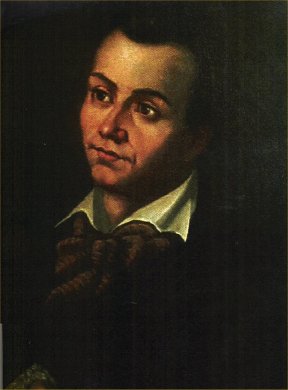 the technique of making s soufflé, which acquired an undeserved reputation for being difficult to prepare and deserving special care and “silence” in the kitchen while making it, (from: Oxford Compantion to Food, Alan Davidson [Oxford University Press:Oxford] 1999 (p.735).
In fact, souffles are reliable and easy to prepare as long as there is sufficient air in the mix, the laws of physics will take over your culinary expertise and cause it to rise in the oven, all legends concerning special care and no opening of the oven door are quite false and usually do no harm. As long as a soufflé is in the oven it will be well risen Just don’t over bake it or let the top burn. It is when the soufflé comes out of the oven that it will start to fall after a few minutes depending on the room temperature, (as any other baked dough)
The traditional dish to make soufflé in is a ramekin.
Basic Béchamel sauce
60g butter,
4 hipped tablespoons of plain flour
2 cups milk (400ml)
75g parmesan cheese, finely grated
1/4 teaspoon salt
pinch ground nutmeg
Melt butter in a medium saucepan over medium-high heat until foaming. Add flour. Mix well into a smooth paste constantly stirring, about 1 minute over low heat, until slightly bubbling. Remove from heat!!. Slowly add milk, whisking constantly, until mixture is smooth. Return to heat. Cook, stirring with a spoon or whisk, until the sauce starts to the boil, starts to thicken and coats the back of a wooden spoon. Remove from heat. (You don’t want it too thick keep it nice and cearmy). Stir in parmesan, salt and nutmeg, set aside to cool.
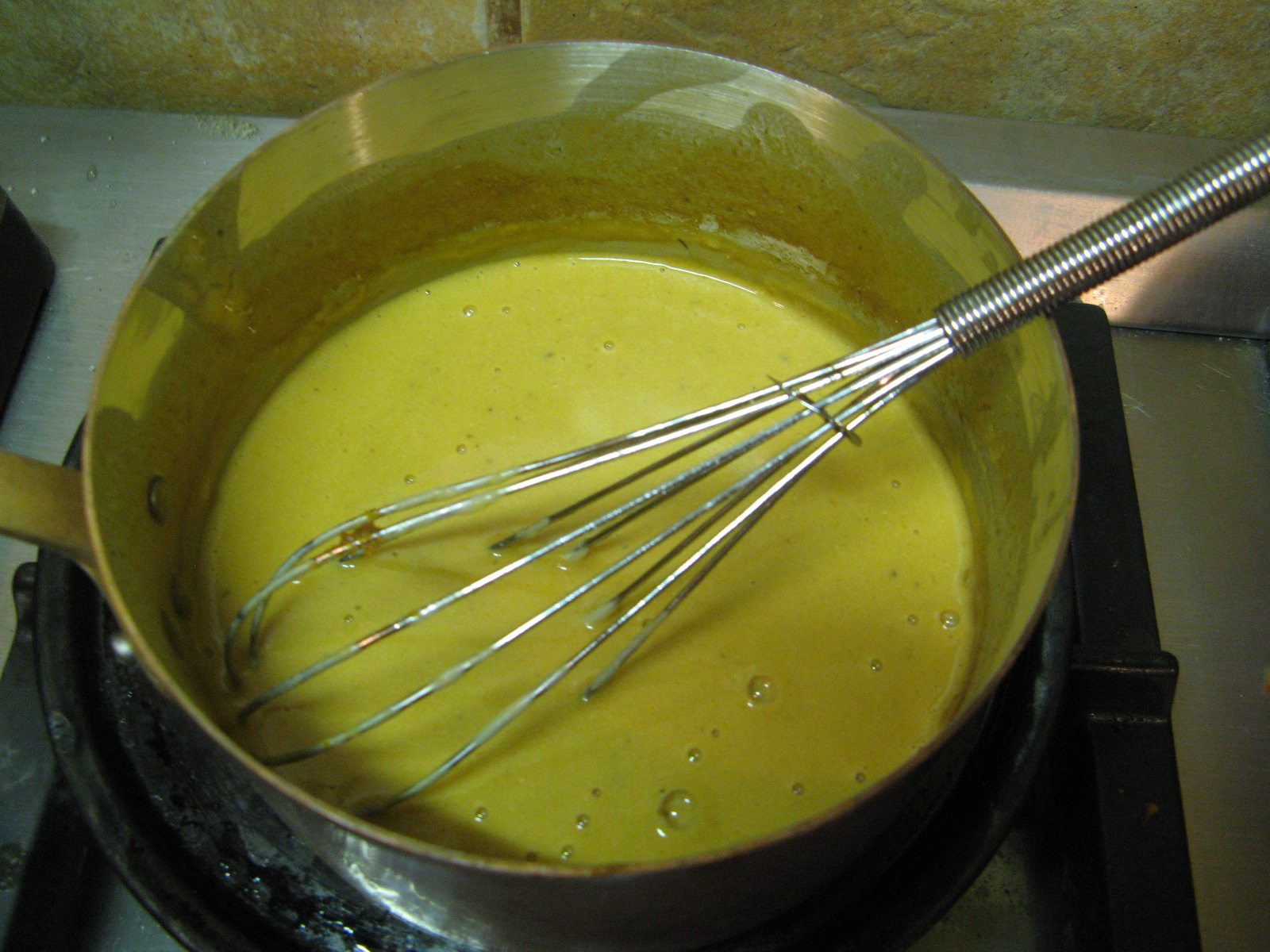

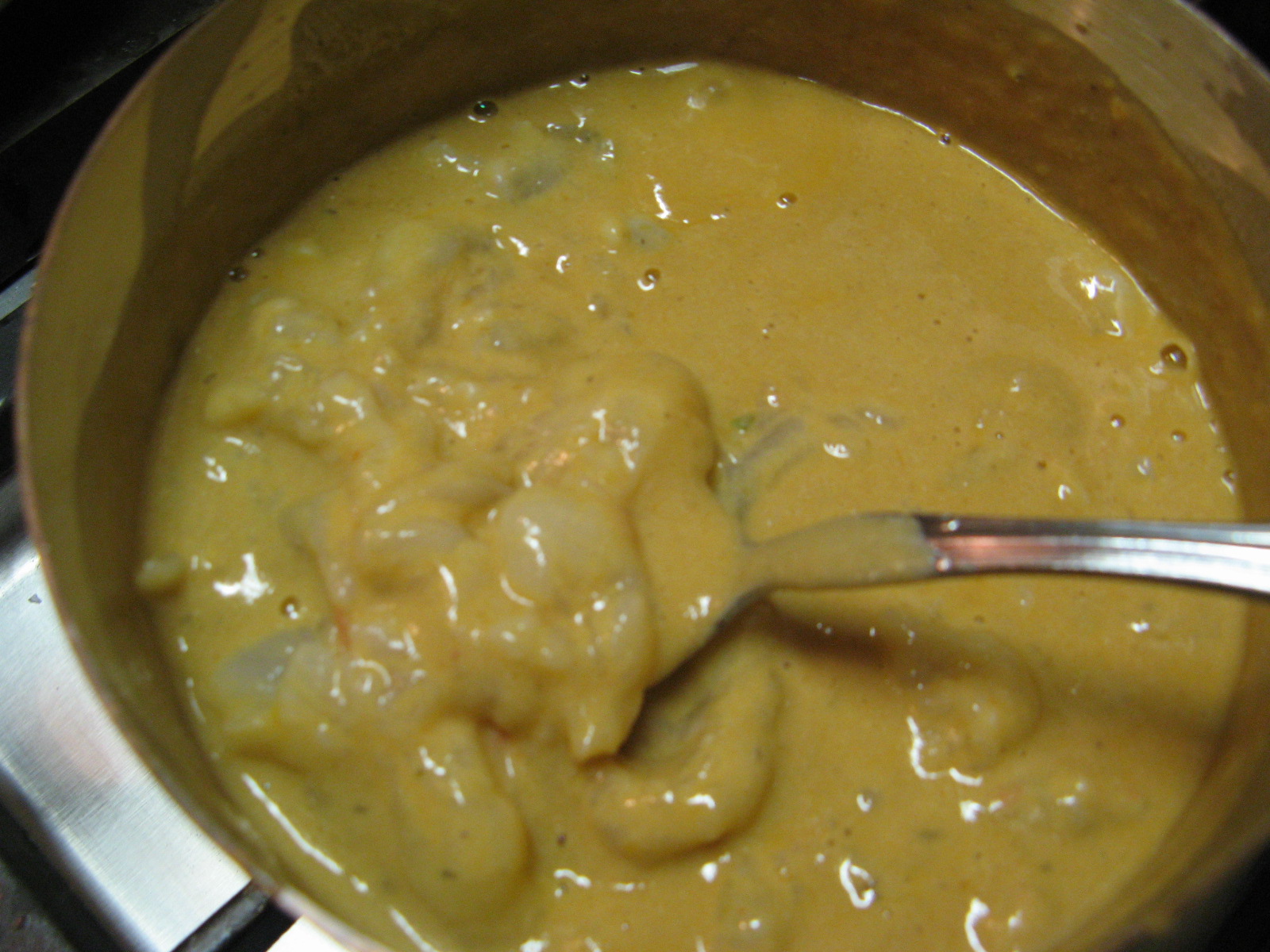
Sometimes I flavour the Béchamel sauce by using the stock of the flavouring part instead of half the liquids added (milk), langoustine or crab stock for instance will give the Béchamel sauce colour and flavour and will concentrate the character of the main ingredient
 Now comes the flavouring part, of turning the Béchamel and turn it to the “soufflé base”, for cheese and mushroom soufflé, fry a few shallots and several kinds of mushrooms, fresh thyme, oregano, salt and pepper, add to the Béchamel sauce , mix well and add to the mixture 4 egg yolks, keep aside, next fold in the whisked 4-5 egg whites (the heavier the base you will require more egg whites to fluff it up, when you fold the egg whites in keep some “islands” of pure egg whites whisk in the mix). start with about a third of the beaten stiff egg whites to lighten up the flavoured Béchamel sauce than add the rest by carefully folding in the rest. One last tip all ramekins have to be well oiled/buttered and than dusted
 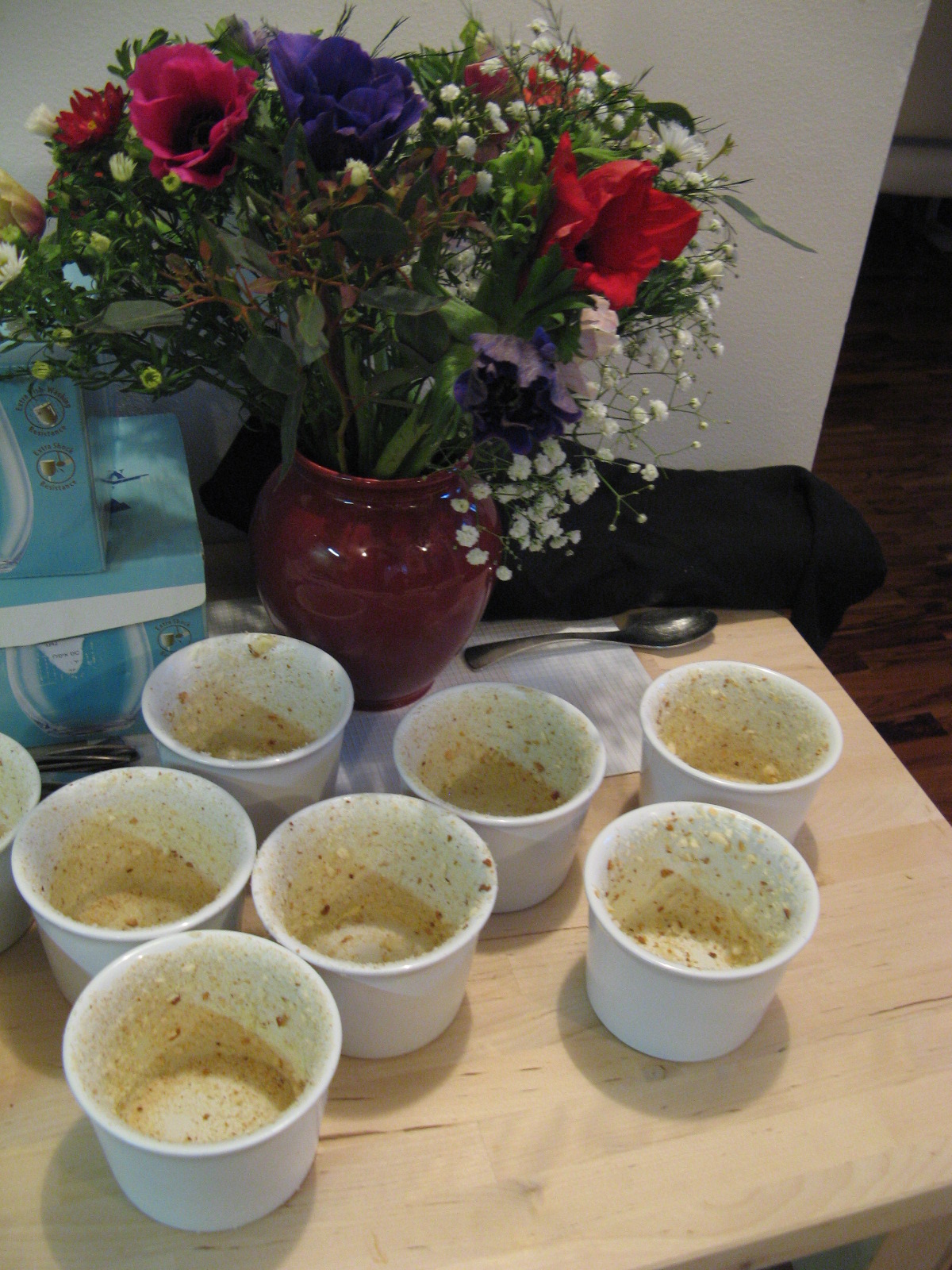 either with Parmesan cheese or fine bread crumbs or a mixture of both and for sweet soufflé granulated sugar, all are good for making the inner side of the ramekin coarse and rough enough to ease the soufflé in climbing up and beyond the rim without “slipping down”.
Larousse Gastronomique lists a long list of both savoury and sweet soufflé, any flavourings of the base for savoury goes, from brain soufflé, cheese, liver, crab, langoustine, fish, game or any poultry, any vegetable : potato, endive, asparagus, tomato, spinach mushrooms, truffles (“à la Royale”) cheese of all kinds be creative but keep the combinations in context with each other, don’t just mix ingredients off your sleeve !
For sweet: from chocolate to coffee, all berries, (pureed) all fruits some sweet liquors, fruits of your choice etc. of these the most delicate recipe is of course Freddy Girardet recipe (below)
Famous soufflé Recipes
Michel Roux’s soufflé Suisesse (swiss cheese soufflé as Served at Le Gavroche)
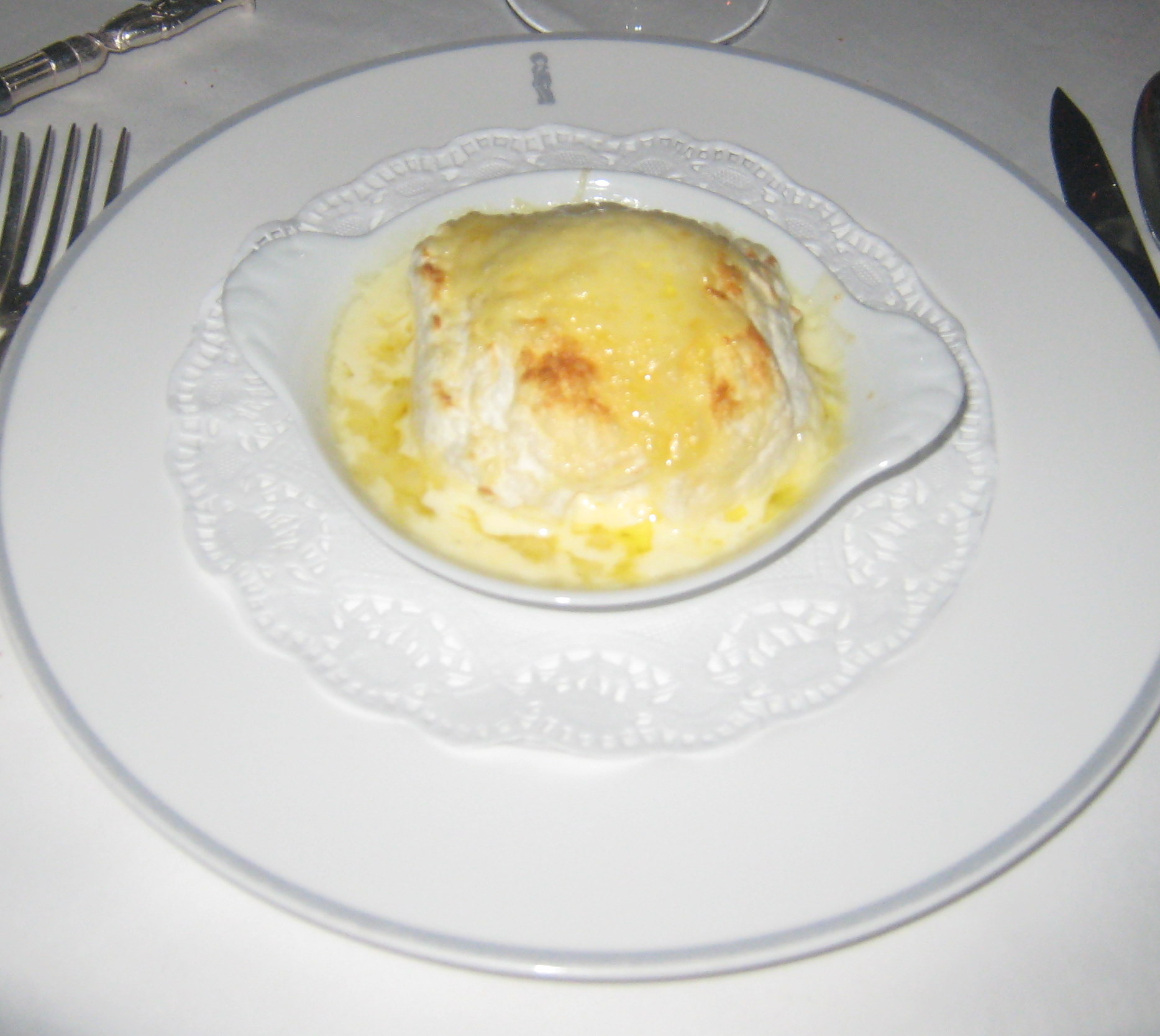 Serves 4
45g butter
45g plain flour
500ml milk
5 egg yolks
salt and freshly ground white pepper
6 egg whites
600ml double cream
200g gruyère or emmental, grated
Heat the oven to 200ºC/gas 6. Melt the butter in a thick-based saucepan, whisk in the flour and cook, stirring continuously, for about 1 minute. Whisk in the milk and boil for 3 minutes, whisking all the time to prevent any lumps from forming. Beat in the yolks and remove from the heat, and season with salt and pepper. Cover with a piece of buttered greaseproof paper to prevent a skin from forming.
Whisk the egg whites with a pinch of salt until they form firm, not stiff, peaks. Add a third of the egg whites to the yolk mixture and beat with a whisk until evenly mixed, then gently fold in the remaining egg whites. Spoon the mixture into four well-buttered 8cm-diameter tartlet moulds and place in the oven for 3 minutes, until the tops begin to turn golden.
Meanwhile, season the cream with a little salt, warm it gently and pour into a gratin dish. Turn the soufflés out into the cream, sprinkle the grated cheese over the soufflés, and then return to the oven for another 5 minutes. Serve immediately.
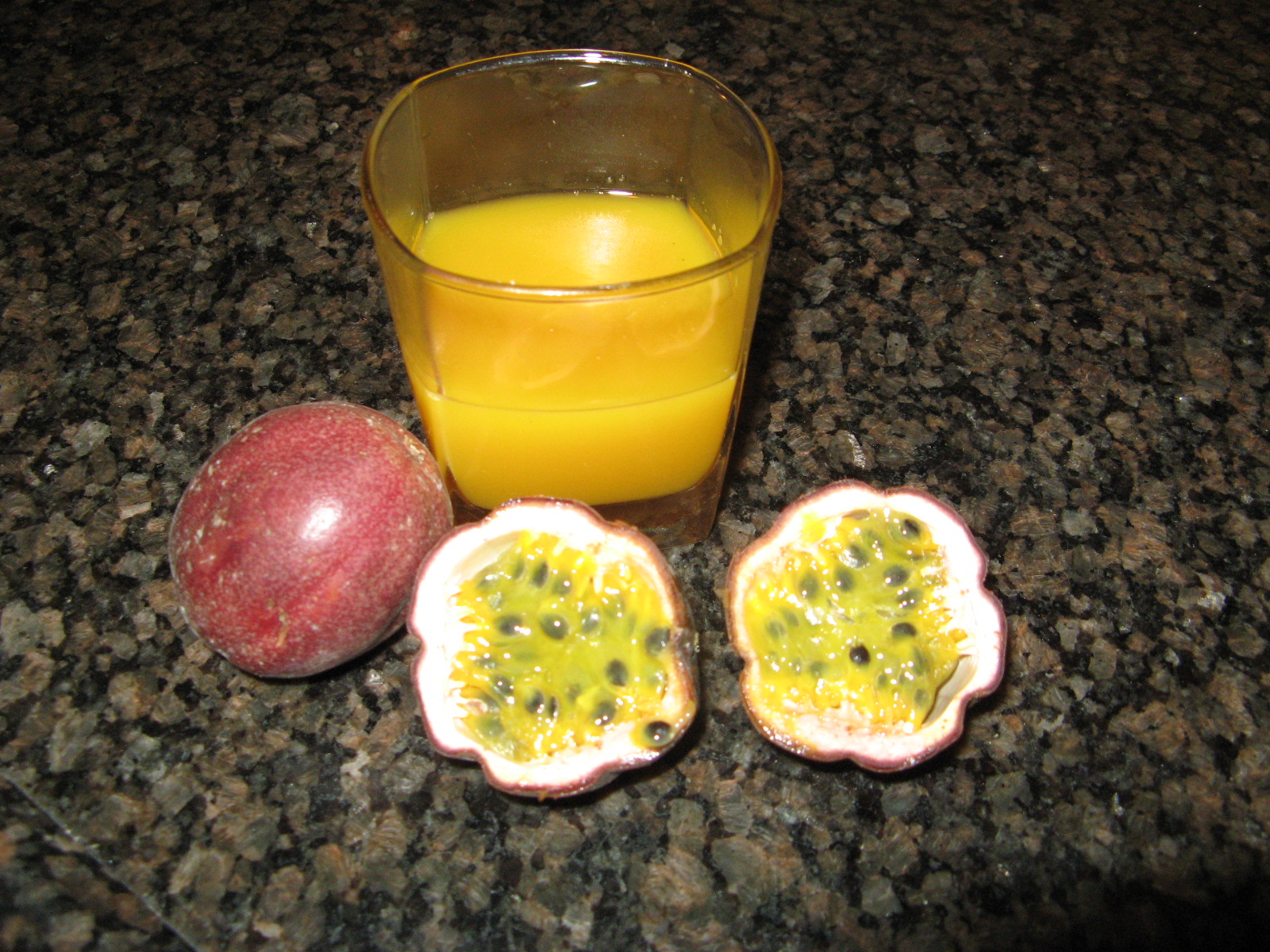
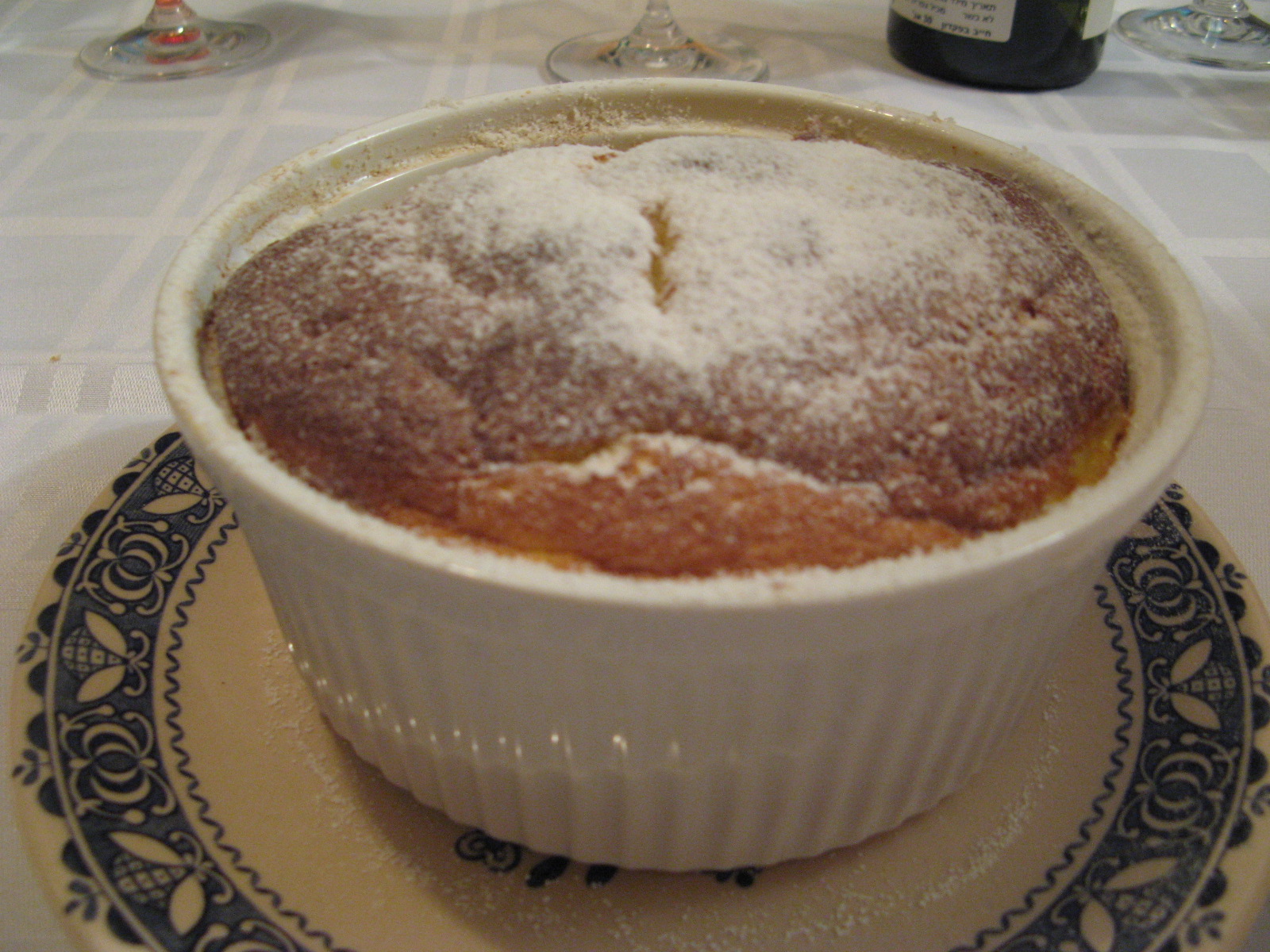
Fredy Girardet’s passionfruit soufflé– In my book, the most delicate and the lightest ever soufflé, sublime!
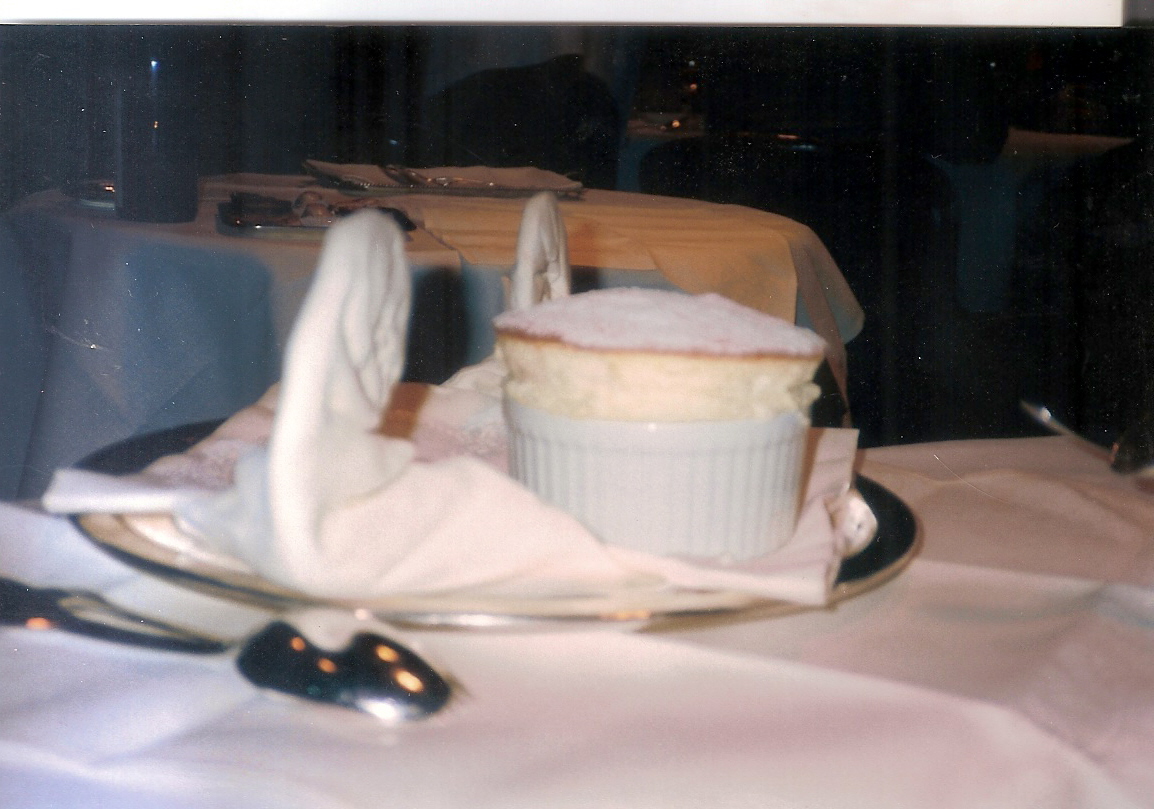 4 eggs, separate to 2 yolks and all 4 whites (keep the other 2 yolks aside)
100g caster sugar
3/4 cup of seedless passion fruit juice
1. Whisk the yolks furiously with half the sugar, added bit by bit, until the mix thickens, then becomes light and fluffy and lighter in colour. Incorporate as much air as you can into the yolks. You can’t have too much air, the more the merrier with any soufflé.
2. Whisk 4 egg whites with the remaining half of the sugar until you reach a soft but firm peaks consistency.
3. Lightly butter individual soufflé bowls- ramekins and coat the buttered container with granulated sugar, just the amount that sticks to the oily surface. Pour 1 tea spoon of passion fruit juice into the bottom of each of the buttered bowls.
4. Add the 2 spoonful of the remaining passion fruit juice, a little at a time to the egg yolk mix, whisking it in as you go. Fold 1/3 of the whisked egg white into the mixture than daa the rest and fold with a spatula. Leave Islands of egg whites whisk. Fold gently, trying to keep the mix the light. Continue drizzling the rest of the juice into the mix as you fold. It should have a strong smell and taste of passion fruit.
5. Fill each bowl, and bake in a pre-heated, 190°C oven for somewhere around 15 minutes .
Dust with caster sugar and serve immedeiately.
The souffle should be firm on the outside, soft and creamy and just warm in the middle. The top should be raised above the rim and brownish in colour.
Girardet’s souffle turns out so light because it is basically air, held together by sugar, egg yolks and whites flavoured by passionfruit juice, NO FLOUR!!!
Some old soufflé recipes
 Marie Antonin Carême (1783-1833), often called the father of French “Grande Cuisine” and known as “The King of chefs and the chef of Kings” was not the inventor of the soufflé. He was certainly one of the best and the most inventive pastry chefs of all times and was one of the first to publish a detailed recipe for soufflé.
To Carême the soufflé was “la reine de la pâtisserie chaude, ancienne et moderne” (the queen of hot pastry, ancient or modern). In his days soufflés were baked in a pastry case, called a croustade prepared in the “Pâtisserie de la rue de la Paix”, his Parisian pastry shop.
The original recipe for strawberry soufflé (Soufflés Parisiens aux fraises), as written in one of his many cookbooks: (Le Patissier Royal Parisien ou Traité Elementaire et Pratique de la Patisserie Ancienne et Moderne, 1828, pp. 364-365. )
“After picking over a large basket of good strawberries and fruit, crush them. Strain them to a purée through a fine-meshed sieve. Temper with one and a half pound of powdered sugar, than fold with eighteen stiffly beaten egg whites. When everything is well mixed, you mix in the strawberry purée until it is perfectly absorbed. Pour the preparation in a pastry crust as usual and bake. You can proceed in this manner to make soufflé with raspberries, red currants, or any other pureed fruit“.
For me Champagne is the most appropriate wine to go with any soufflé, some go with Blanc de blancs some with blends, some soufflés call for a blanc de Noirs or even Rosé, just use your judgment and preferences the rest will fit in…
About Marie Antonin Carême, and his amazing unique 127 dish The Regency Banquet – 18 January 1817 at The Royal Pavilion, Brighton Staged by the prince regent for the state visit of Grand Duke Nicholas of Russia on one of my next Post.
Till then, lift you spirits, rise over your own little ramekin rim and stay warm.
Your WINEGUIDE
PORT for the HOLIDAY SEASON
“Any time not spent drinking Port is a waste of time.”, Percy Crof.
Port is regarded historically as a British drink especially as a traditional British Christmas drink. Surprising for a country that has embraced drinking Port since the 17th century, most English households buy just one Port bottle a year – mainly at Christmas! Do you see the French or Italians buy just one bottle of wine a YEAR??? Or Russians buy just one bottle of Vodka per annum? Still, most Brits drink Port as a festive drink on a festive season; Christmas.
 Christmas or “Christ’s Mass” is actually Jesus Christ’s Birthday, it is a Christian holiday, celebrated in the old Jewish tradition of celebrating an occasion or a holiday on the eve of the day (from sun set to sun set), as the “official” birthday is on December 25th, millions of people around the world celebrate evening and midnight masses on a very important date on the Christian calendar Xmas eve, on December 24th. The reason celebrations occur on Christmas Eve, is because the traditional Christian liturgical day starts at sunset, an inheritance from Jewish tradition, which is based on the story of Creation in the Book of Genesis: “And there was evening, and there was morning – the first day.” (Genesis 1:3-5) –“ויהי ערב ויהי בוקר יום אחד”
 Christian religious, old pagan and secular themes are mixed in this holiday which is near or on the days of winter solstice. The ancient Egyptians decorated palm branches during the winter solstice to symbolize resurrection. Ancient Greeks decorated evergreen trees in worship of Adonia, who was resurrected by a serpent. Romans covered their trees with metallic decorations and candles to honor Bacchus (our wine
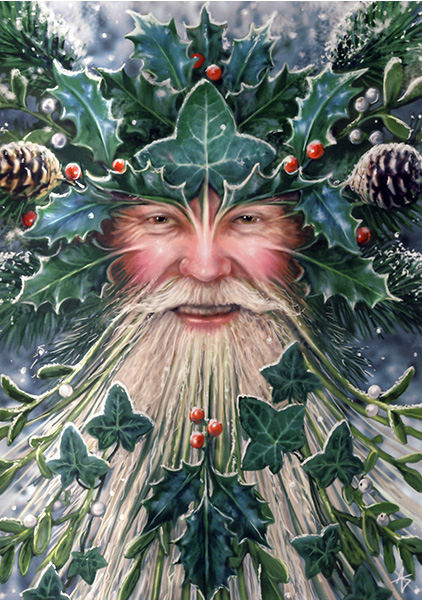 god), The ancient Germans decorated evergreen trees in worship of Woden. Apart from Christmas tree, and presents giving (of course), the holiday include a special meal. The Christmas dinner is the primary meal traditional for Christmas Eve and Christmas Day (at Lunch). Christmas dinner around the world may differ and the local traditional aspects affect the content the traditional products used and even the colours of the dishes, they all usually serve as symbols to commemorate aspects of life from religious to cultural and local even climatic points of view. In the United Kingdom the main Xmas meal is usually eaten as lunch on December 25th.

The dinner usually consists of roast turkey or better stills goose, duck, pheasant, or other Roasts, in medieval England, the main course was either a peacock or a boar, in fact King Henry VIII was the first English King to have turkey for Christmas. Served  with stuffing, gravy and cranberry sauce or redcurrant jelly; bread sauce; Side veggies are traditionally: Brussels sprouts, parsnips and carrots (as if there was any other choice at the time the tradition was laid down and throughout the centuries and up to the late 1980’s). The dessert is Christmas pudding (or plum pudding), sometimes mince pies or trifle, with brandy butter…Port of different qualities may be served with each of the traditional dishes including the Roasts, but the best and most classic combination is Vintage Port served with a good quality Stilton or other blue cheese even well matured Cheddar, and Parmesan, accompanied by nuts mainly Walnuts, chestnuts, cashews, and hazelnuts that bring out the best in port.
One story regarding the appearance of Port is that a wine merchant from Liverpool, sent his sons to Portugal in 1678 to find a wine source due to shortage of Bordeaux wines (Clarets). They came upon a monastery in Lamego in the Douro Valley where the abbot was adding brandy to the wine already during fermentation rather than after, producing a port-type wine with higher sugar and alcohol content. A nice legend which happens one hundred years after the first recorded shipment of Port in 1588, and so remains a legend, but certainly sometime during the end of the 1600’s or beginning of the 1700’s, someone came up with the idea of stopping the fermentation with brandy while the wine was still sweet, fruity, and strong of which the English aristocracy could not have enough…

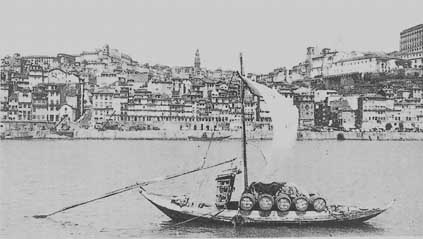
British wine merchants moved to a suburb of Oporto, Vila Nova de Gaia that lies opposite Oporto town and made it the true home to Port. The wine comes used to be shipped down the river from the spectacular terraced hillsides of the Douro valley to Oporto, shipped down the river by distinctive looking boats called ‘barcos rabelos’ . Oporto which lies at the mouth of the Douro river. Vila Nova de Gaia became dominated by British Port wine lodges, with over fifty wine companies based in its narrow, twisting streets many still carry British families names: Barros Gilberts, Sandeman, Robertson’s, Graham’s, Warre’s, Smith Woodhouse and Cockburn’s, The Symington Family, Croft, Taylor etc.
It is here in Vila Nova de Gaia, that aging and blending of most of the world’s supply of Port wine takes place. One of these families (known as Croft), was originally Phayre & Bradley founded over three hundred years ago. The earliest evidence of the firm’s activity as a Port shipper dates from 1588, coincidentally the year of the first ever recorded shipments of Port wine. after its founding partners and took its present name Croft, in 1736 when it was joined by John Croft, a member of an old and distinguished family of Yorkshire wine merchants.
Although well established in Oporto, the Crofts never lost touch with their Yorkshire origins. In his treatise, John Croft describes himself as ‘Member of the Factory at Oporto and Wine Merchant of York’. The family returned to England in the nineteenth century, after the Peninsular Wars, and there are no longer any Crofts in the firm. The family maintained its affection for the fortified wines of the Douro and the late Percy Croft, who died in 1935, is credited with the famous words: “Any time not spent drinking Port is a waste of time.” (I just can’t resist in reciting again this wonderful saying.)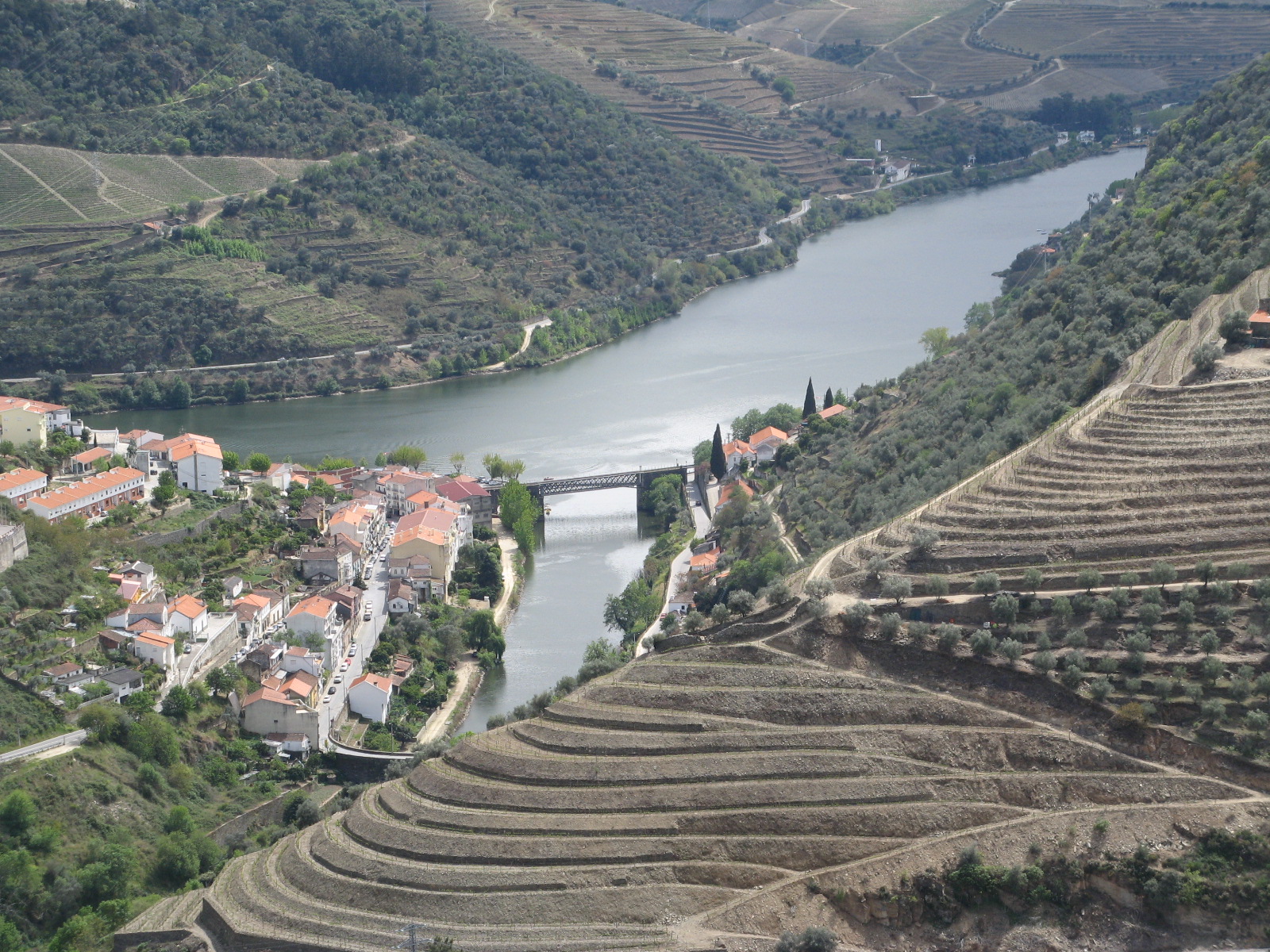
In 1911 the House of Croft was acquired by the Gilbeys, the distinguished English wine trade family. It is now owned and run by descendants of two old Port wine families, the Yeatman’s and Fladgate’s. It is those wondrous vineyards: the famous Quinta da Roêda, that are largely responsible to its ownership of one of the finest estates of the Douro Valley, earned for centuries by croft, that keep on ,the place of distinction earned by Croft and its wines.
The best and most classic combination is Vintage Port served with a good quality Stilton but also consider blue cheese or a Cheddar, or Parmesan, accompanied with walnuts or chestnuts, in fact nuts of all sorts bring out the best in port.
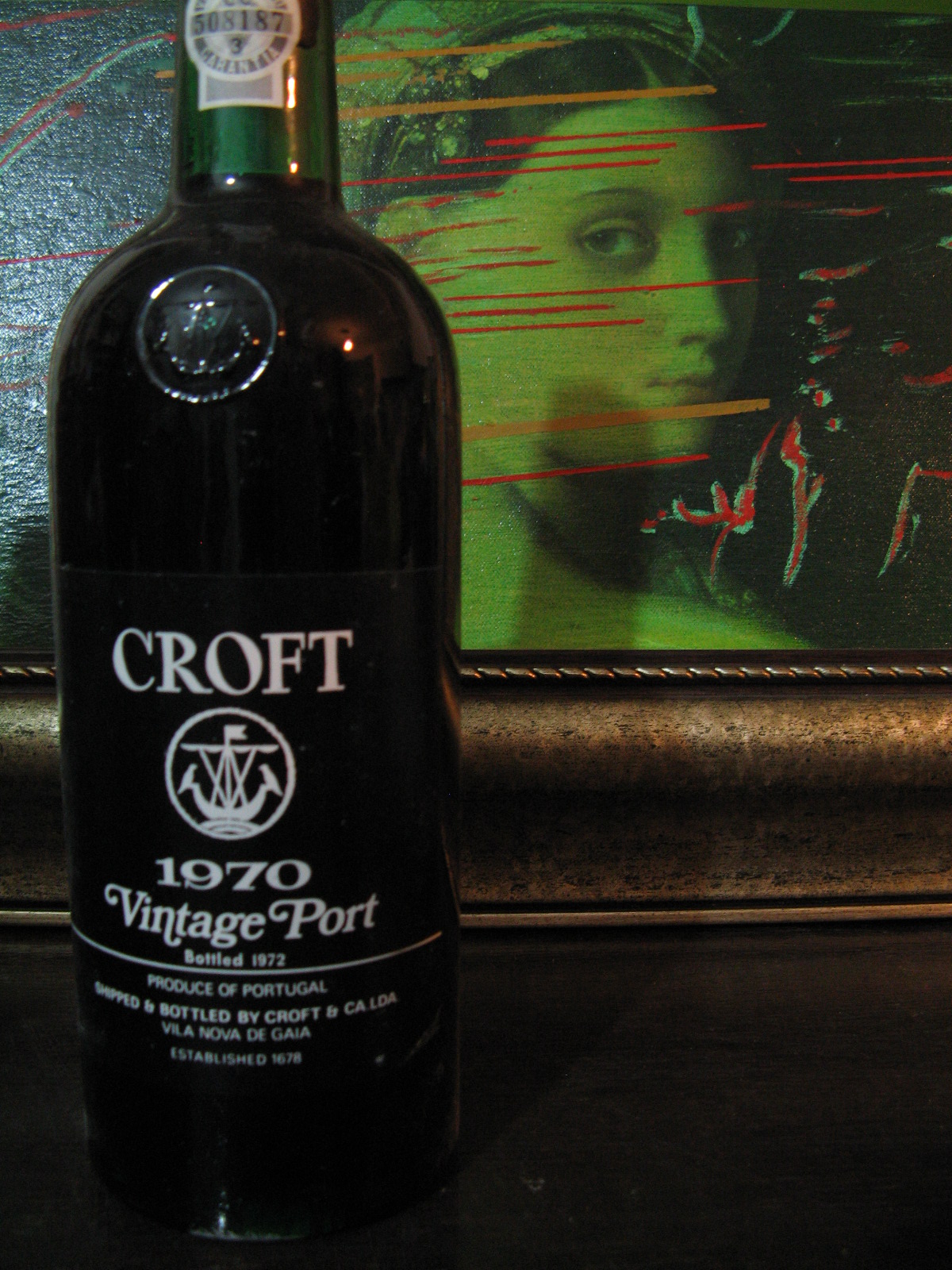 ‘Declared’ Vintages are the best Vintage years, averaging 2-4 each decade, which produce wines of great concentration and longevity. They are usually blended from the best produce of more than one estate. Croft’s declared Vintage Ports, although based on the wines of Quinta da Roêda, sometimes also contain wines from other top estates. Croft is one of the most famous Vintage Port houses and it’s declared Vintage Ports, such as the legendary 1945 and more recently the award winning Croft 1994 are among the most sought after Ports. (from Croft www site)
This is all written due to my recent acquisition of one case (of 12 bottles) of Croft 1970) I have has a few bottles of this port in the past (from the Cambridge University cellars yearly “clear out”) and they were simply divine. The Croft 1970’s has incredible structure and good acidity and residual tannins to make it last, even beyond 2020. Croft 1970 has a tawny red colour with a touch of deep purple, the nose is delicate and refined. The fruit is still apparent with flavors of dried fruits: sultanas and prunes and touch of tobacco, aand a mixture of dried exotic sweet spices. Some bottles are better than others depending on the cork quality and endurance they tend to start seeping at a certain stage, I am sure it will give me pleasure in the coming years.
But the cellar has more to offer:
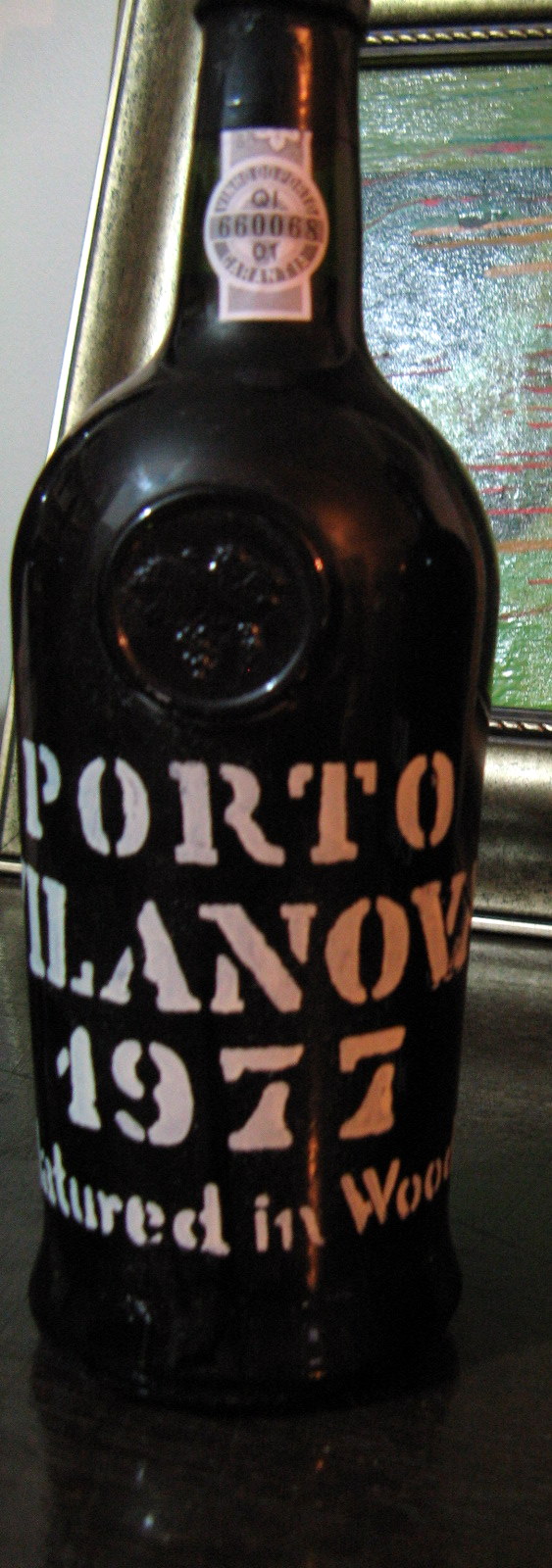 One of my favorites is a non “pedigreed” LBV (late bottled vintage) from a co-op called Porto Vilanova vintage 1977 (a great Port Vintage year,) which were bottled for me, on different years as the time gone by from 1987 and on, and it got better each time I tasted it and as the years went by and the wine was still “brewing” and maturing in its original Barrel (I shared one whole barrel) and still have some for special occasions. It has deep scent of spiced coffee, chocolate and black prune concentrated prune (Powidl style) taste, simply delicious.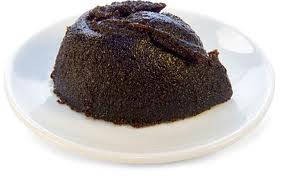
Powidła or Powidło in Polish is a plum stew. Unlike jam or marmalade, Powidl is prepared by cooking prunes (for hours) without additional sweeteners or gelling agents just sheer dehydrating, and achieving concentration of the fruit natural sweetness. The plums used should be harvested as late as possible, ideally after the first frosts, in order to ensure they contain enough sugar.
1937 and 1963 Barros Port


The 1937 Port has brownish red appearance with deep amber hue, seducting aromas of vanilla scented tobacco, golden raisins and chocolate gingerbread. The rich, hazelnuts and dark raisins and a touch of fig.
There are also: Grahams 1994 LBV, Cases of 1994 Vintage Warre, and Dow’s many more mainly 1977 and 1994 Port to sweeten our lives for years to come..
Not to forget the young but beautiful Neipoort Vintage Port 2009 and Neipoort 2001 Colheita we had recently (the complete story https://wine4soul.com/2012/05/15/the-magnificence-of-the-douro/ )
Now I have to choose which one is my “Festive Port” for this year’s celebrations, I have this tingle at the tip of my fingers and tongue to “go for” the 1963 Barros, This is an LBV in the Best British tradition as Yair says, and LBV’s always surprise you to the better, it is a good Barros Vintage, we’ll see after all I always choose by the guests, atmosphere, and the meal.
…In the meantime
I will leave you with warmest season’s greetings a a delightful version of this Christmas classic Vintage 1954 by the Drifters. Sweet animation with Santa and Reindeer Singing White Christmas (Animated version), of this Colheita quality Song. judge for yourselves!
Cheers and a very HAPPY NEW YER from the very Holy Land…
Your WINEGUIDE
A Tasting meal at Catit Restaurant Tel-Aviv (Part 2)
 I was so busy with the exquisite meal at hand and the wonderful champagne was such a suitable company, that I
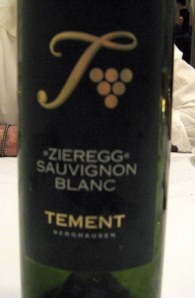
 forgot all about our second white wine the Sauvignon Blanc (Morillon) – Zieregg – Manfred Tement Austria Manfred is considered to be amongst the best Sauvignon producers in the world. It is a powerful Sauvignon Blanc, a bit too muscular for my taste especially for the delicate meal we are enjoying , it has a strong yellow color, very long lasting on the palate, fully ripened now (a bit on the oxidized side). Haidu says Zieregg is the “baby” of the tireless Manfred Tement, who is never quite pleased with his wine and constantly in search for new challenges and better achievements in his vineyard and winery, on the hills above Berghausen (in the south east of Austria a few miles from the border with Slovenia).
we continue with our meal https://wine4soul.com/2012/11/24/a-meal-at-catit-restaurant/ , and now open the GRUAUD LAROSE 1970 (St. Julien Bordeaux) with a sense of enigmatic 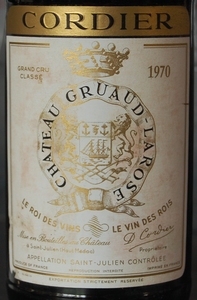 anticipation the wine is Just above shoulder in the bottle, a fairly low level that might have allowed extra oxidation to affect the wine. In the meantime as the Sauvignon Blanc (Morillon) – Zieregg is being consumed I stick with the lovely champagne.
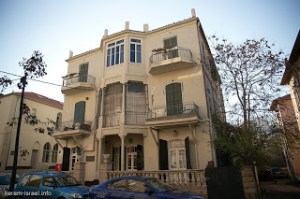 We are sitting in Catit Tel-Aviv (since 2006), The restaurant resides in a beautiful period building built by the Jerusalemski family in 1911 and was known as The “Jerusalem’s House” Later it became the first Hotel in Tel-Aviv “The American Hotel” till the early 1950’s. It was restored to its glory to house the present restaurant, the exterior of the building complements the content of the indoors
In the Hebrew Midrash, (which is the interpretation of biblical stories beyond their semantic meaning). Catit is the first and second temples that stood = CAT in Hebrew Gematria= ‘כת’ years= 420, the 2nd temple, and IT =years ית= 410, the first temple, the exact number of years each of the 2 temples stood before their final destruction, Catit is also the Hebrew word for extra Virgin Oil which is a “crushing” of olives to produce oil Just as the Temples were Crushed… This culinary Temple is standing proud producing products of excellent quality like CATIT oil.
Our next dish was:
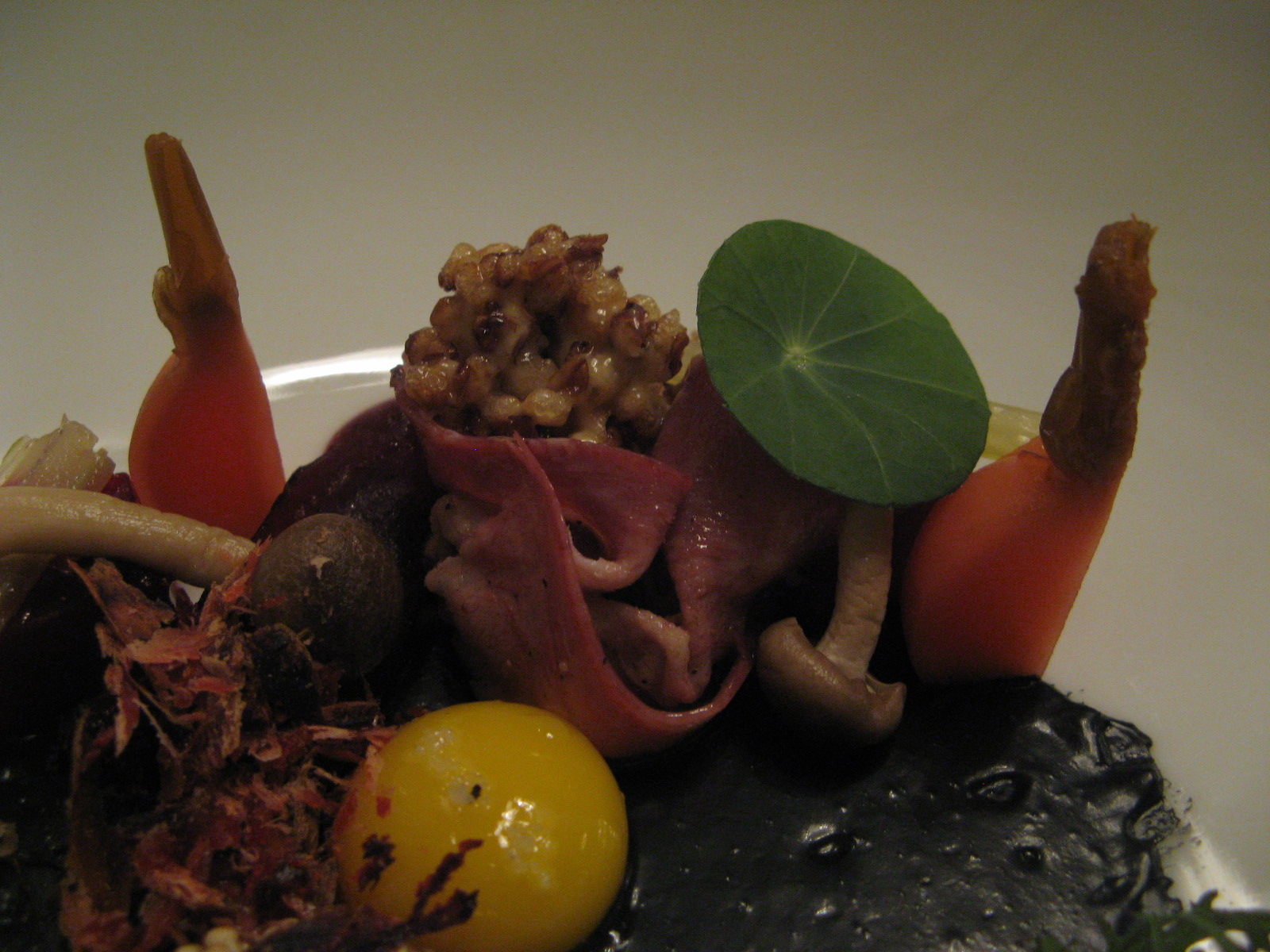
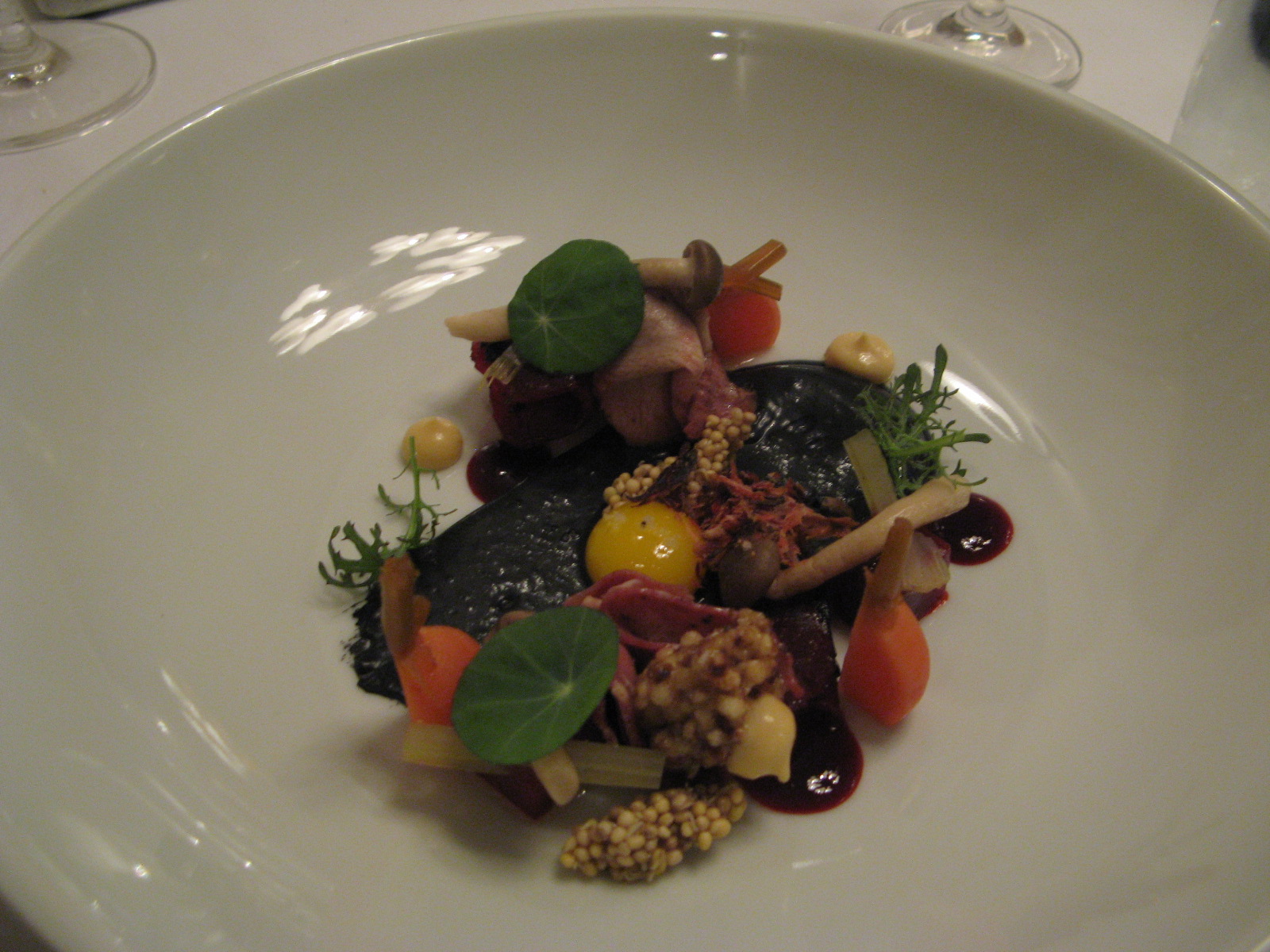
Smoked & Pickled Veal Tongue
Black smoked cream fresh, Bonito flakes, Lightly pickled Shimaji mushrooms, pickled mustard seeds and mustard stems, Asian aioli and crispy Buckwheat, reddish, beetroot vinaigrette and Quail’s egg yolk.
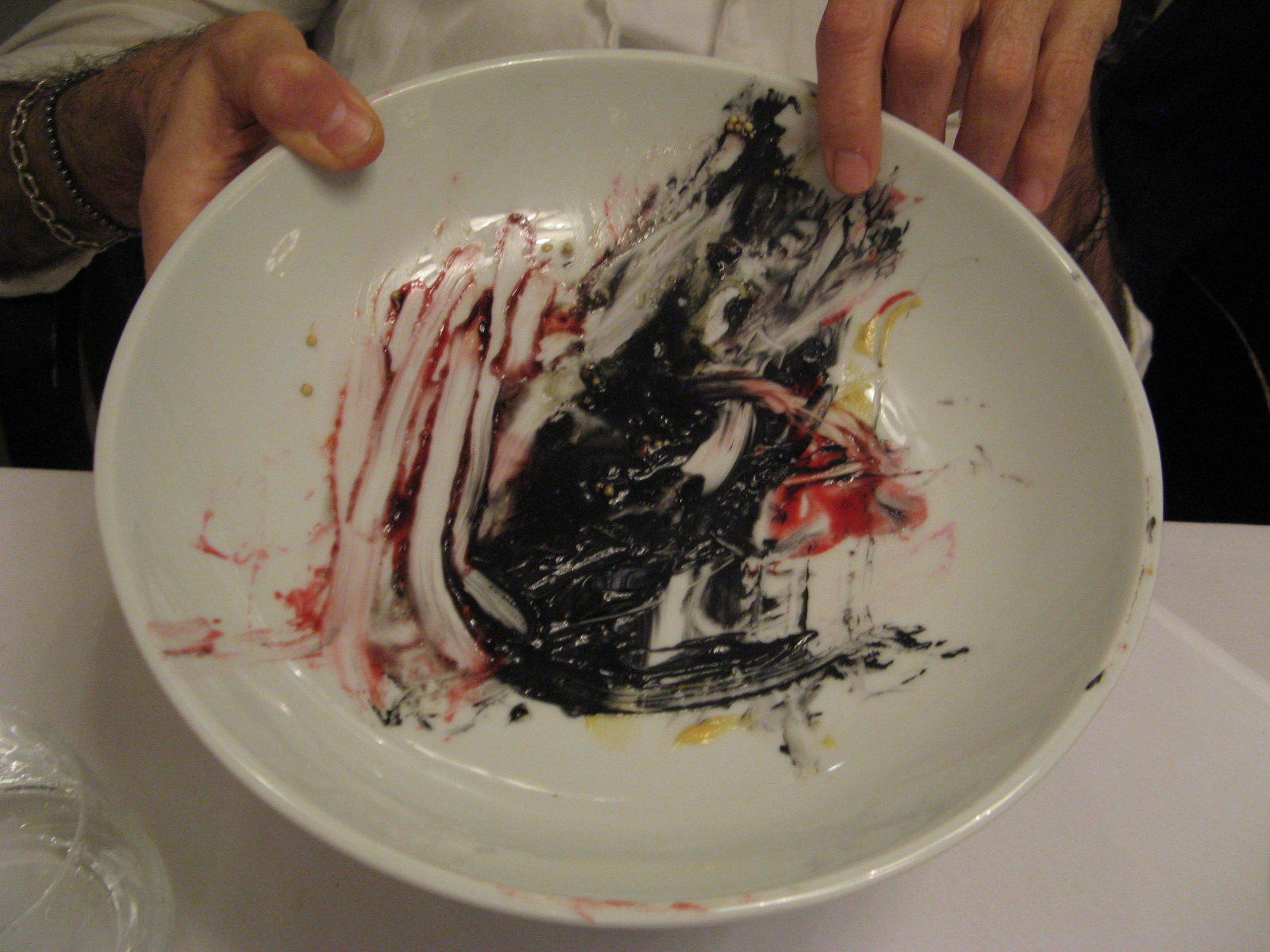
 This dish is as beautiful upon serving as the dish remains upon clearing the black cream fresh and purple beet the yellow cream left artistic smears of colours reminiscent of a good and tasty abstract painting a Jackson Pollock on a dish…unintentionally the guest becomes an artist as well by the mere action of consuming this dish.
The tongue is light and tender and nicely supported by the pickles and steamed carrots. Bonito, the dried, fermented, and smoked skipjack tuna (Katsuwonus pelamis), is used as an Umami taste enhancer, and indeed increases the presence of the “umami” taste of the dish: from Japanese: umai (うまい) “delicious”, mi (味) “taste”, the meaty taste of beef broth which is complementary to this dish. The carrots and mushrooms are reminiscent of the “Pot au Feu” method of traditional Jewish Ashkenazi preparation of boiled tongue, as well as the Buckwheat, a traditional grain accompanying boiled meats in eastern European Jewish cookery.
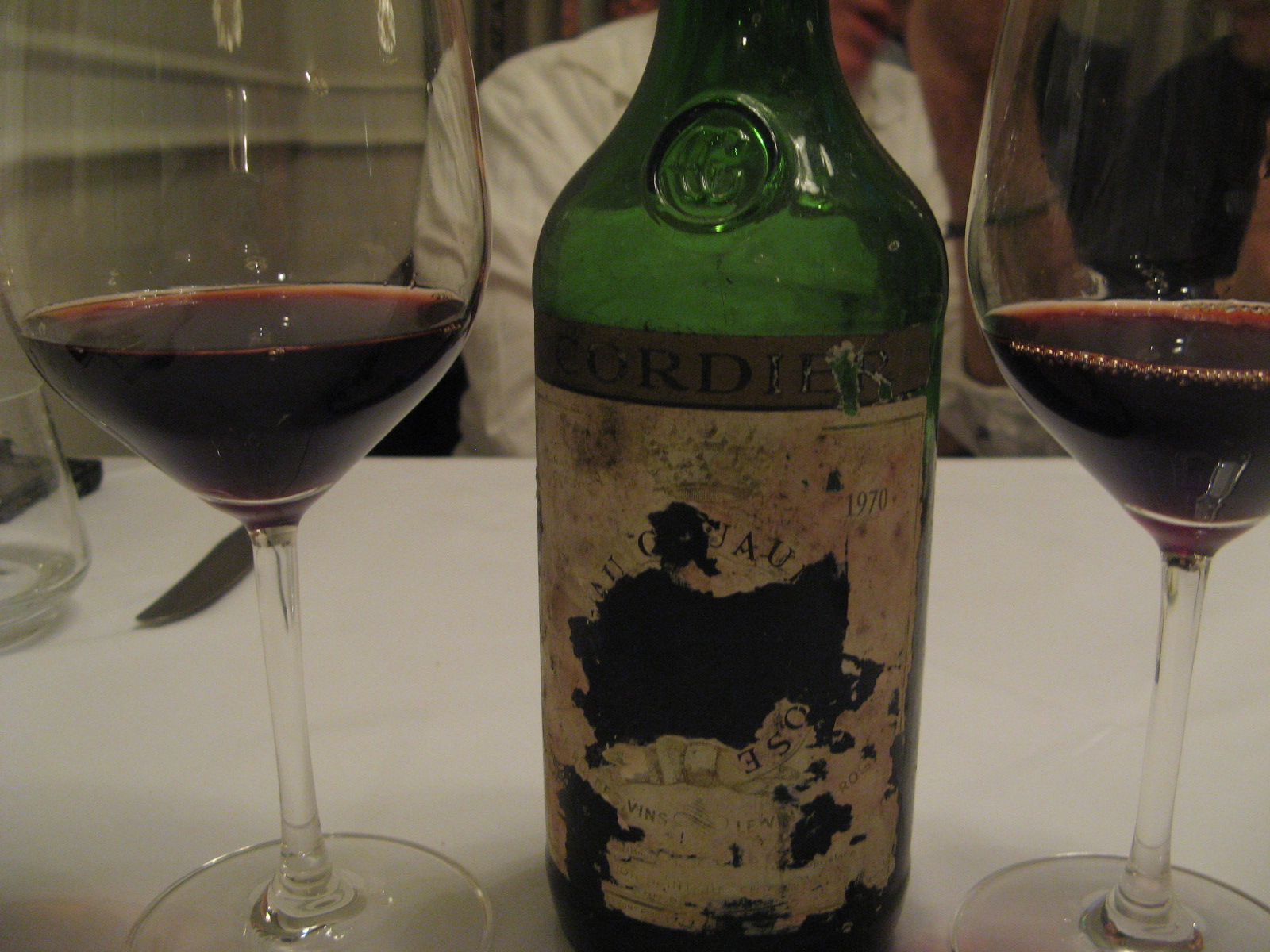
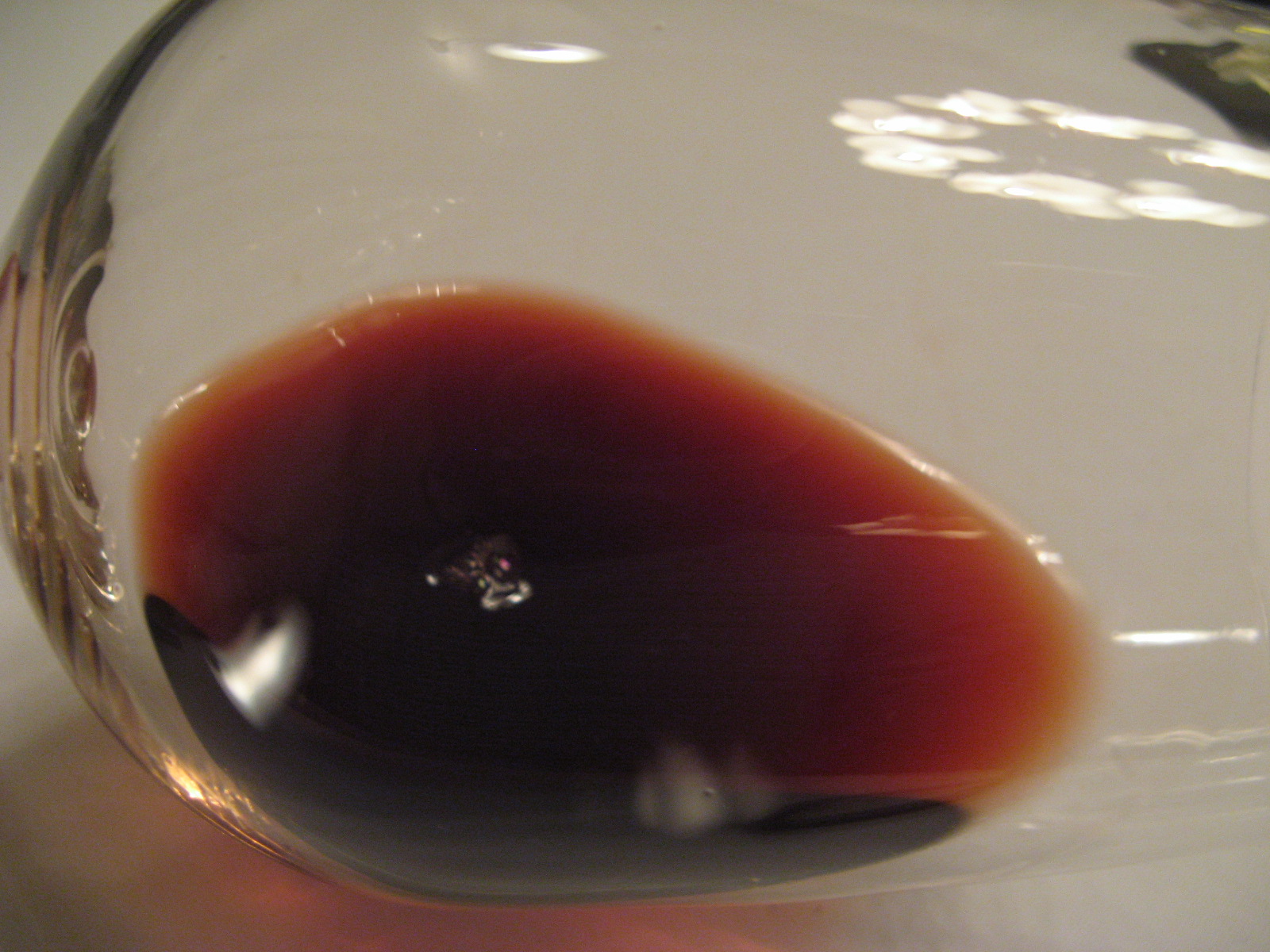
Our GRUAUD LAROSE 1970, is in a great shape (a great sigh of relief) and is showing all its tertiary aromas and flavours of coffee, dried figs, bouquet of spice box and dried tobacco with ripe red currant jam touch and notes of green peppercorn. The soft tannins are fully integrated, with enough fruit and acidity to hold the wine throughout the rest of the meal.
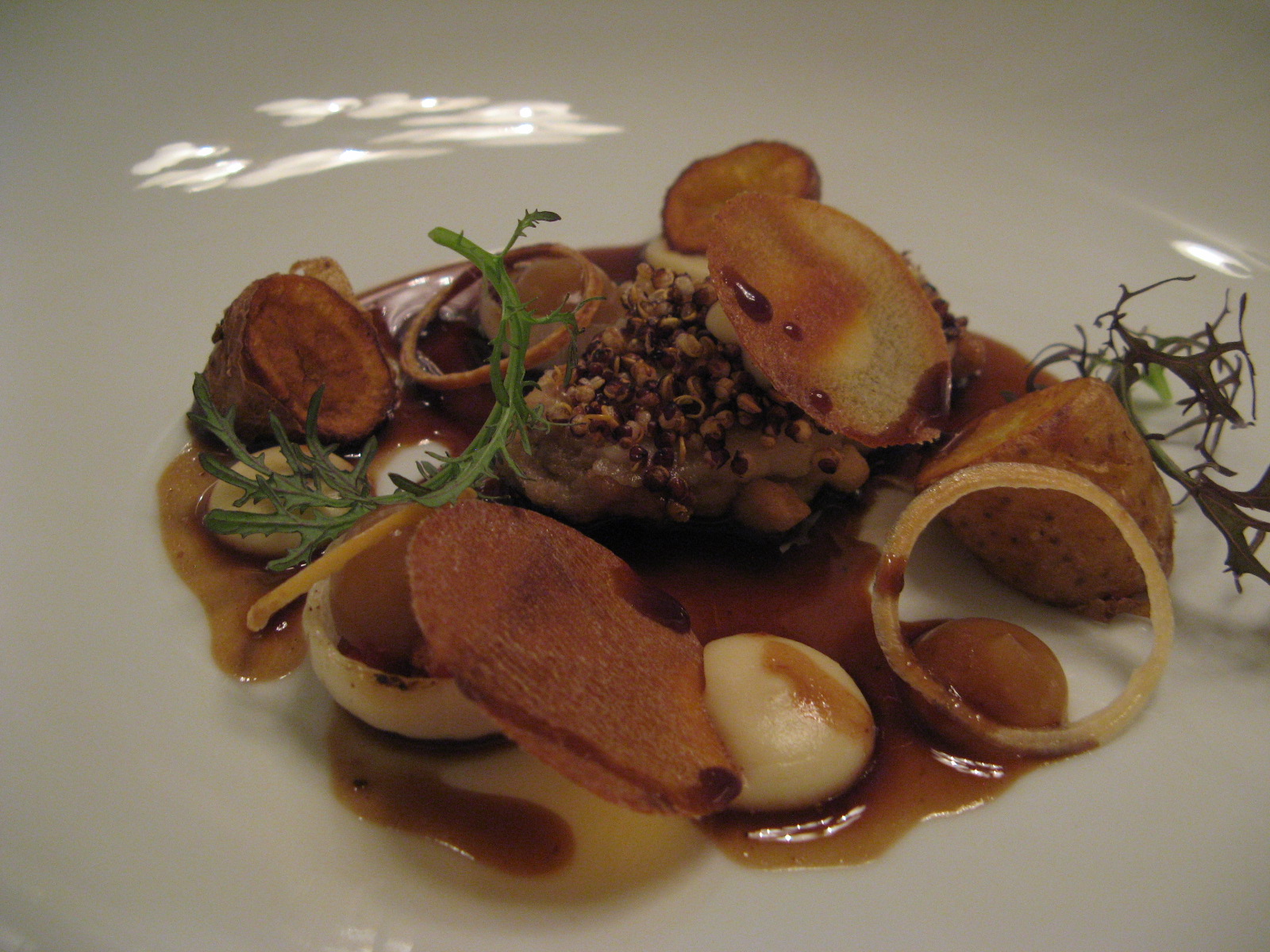

Calf’s brain Sofrito
Cream of garlic, puffed crunchu Kinoa with herb seeds, grilled onions, lamb pancetta, onion cream, sugared onions, crispy Ratta potatoes, red wine and Juniper sauce
This is a real successful take off on a traditional Sephardic Jewish dish, with brain as the main ingredient as customary in Moroccan Jewish cuisine. (other recipes use Lamb, beef or chicken). It has all the Sofrito fragrant sauce, from my mother in law’s kitchen (she makes excellent Sofrito, and is a direct descendent of the Great Sepharadi Kabalist Rabi Abraham Ben Samuel Abulafia from Zaragoza, Spain, (1240-1291). Basicly Sofrito is a water based pot roast of meat onions, potatoes and carrots, which is exactly what we got, dissected to its separate ingredients, with each and every one of the products keeping the essence of its role and aroma of the original dish (very clever idea of culinary deconstruction). Deconstruction in cooking, also known as “destructured” cooking, was introduced to cooking in the early nineties by the Spanish chef Ferran Adrià, who produced his restaurant El Bulli dishes that were physically unlike the originals but with all their combined flavors preserved, and that’s exactly what we got here, I love and know real traditional Sofrito BRAVO!
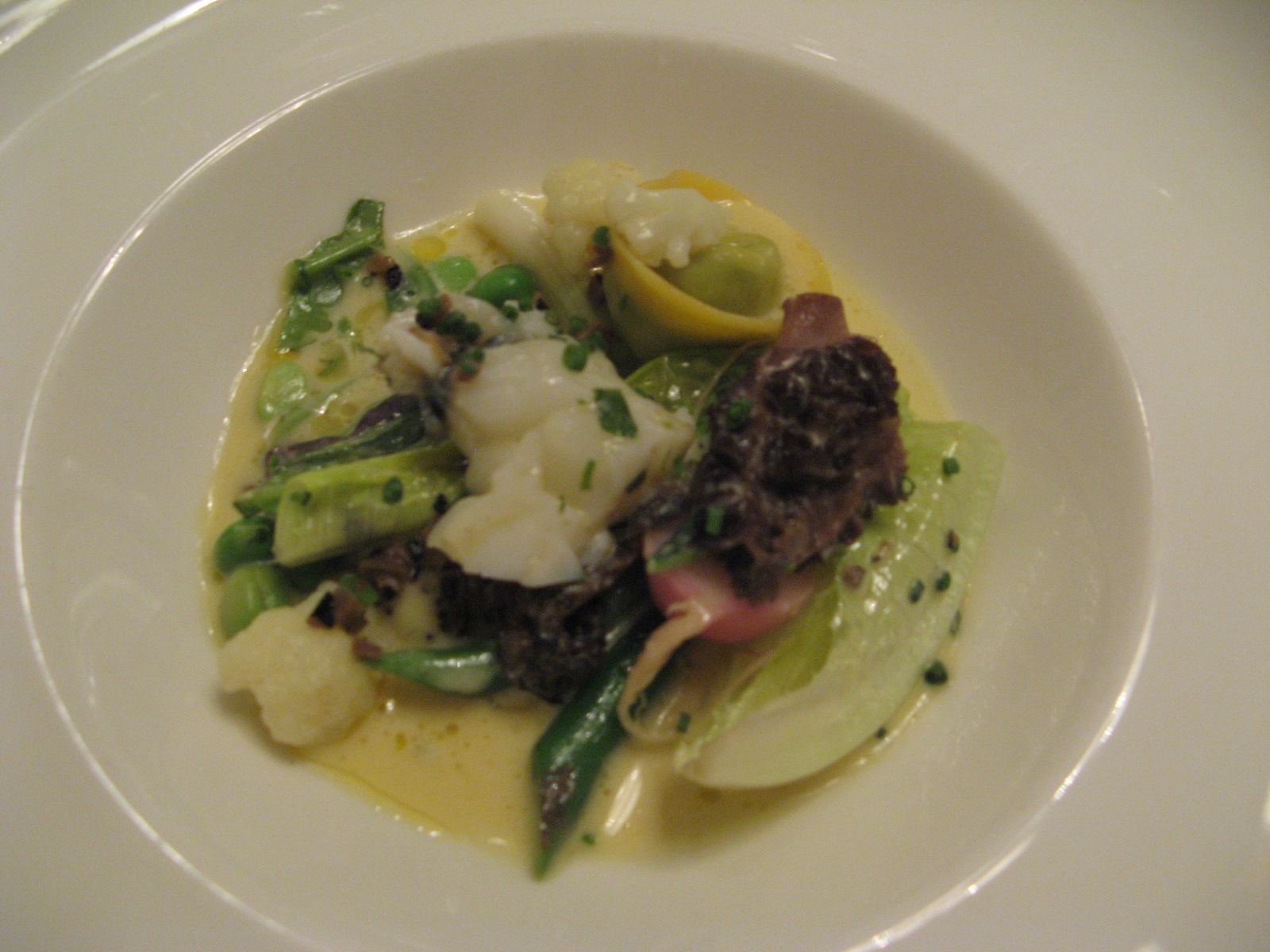
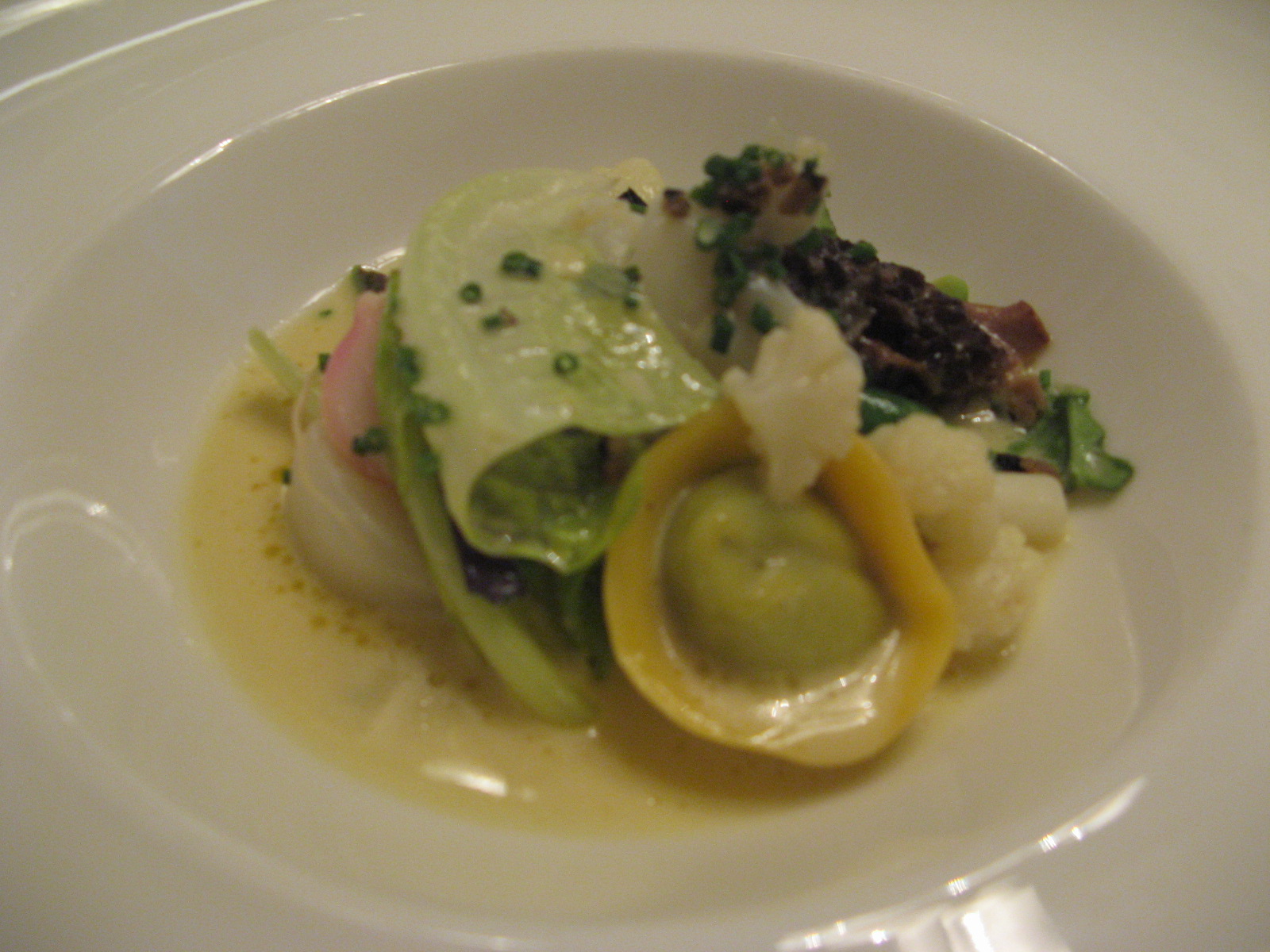
Roasted Mediterranean Slipper Lobster
Tarragon butter, young Autumn Vegetables, morilles- mushrooms, black truffles, white butter sauce, pea cream tortellini and poppy seeds patissière.
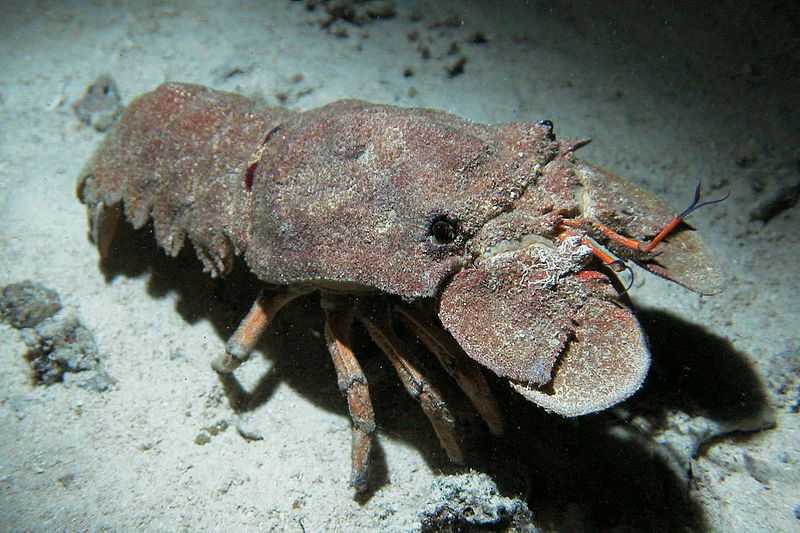 Local slipper Lobsters called Seegals by local fisherman along the warm eastern Mediterranean shores. Slipper Lobster is an “ugly little fellla” with the best tasting meat of all known Lobsters in my mind. Despite being “called” lobsters, they are not true lobsters, but are more closely related to the clawless decapods: spiny lobsters and furry lobsters; they have NO front large claws like lobsters, (just ten legs).
The crunchy fresh vegetables, and the cream of green peas tortellini swimming in the butter sauce, pull the dish to the delicate, sweet side which goes very well with the morilles. I take the opportunity to sip on the last drops of the champagne, a perfect match for this dish.
We brought in along in case the 1970 Gruaud will be faulty, but on our 4th hour around the table and with our final “main” dish we could not resist opening the St. Joseph at hand. We opt to open our 100% Syrah (extra, spare bottle of red wine):
 La Dame Brune 2001 Domaine George Vernay Saint Joseph. It turned to be an impressively intense, clean and pure wine with lots of intense raspberries aroma, a touch of pepper and a hint of tar and creosote finished by exotic candied violet touch. It was fresh and crisp and luckily did not lean towards the usual “sweet” finish, reminding more it’s neighboring Crozes Hermitage and Cote Rotie wines. The St. Joseph region gained its AOC only in 1956. It was a small appellation covering less than 100 hectares, nowadays the potential size of the appellation is around 3000 hectares.


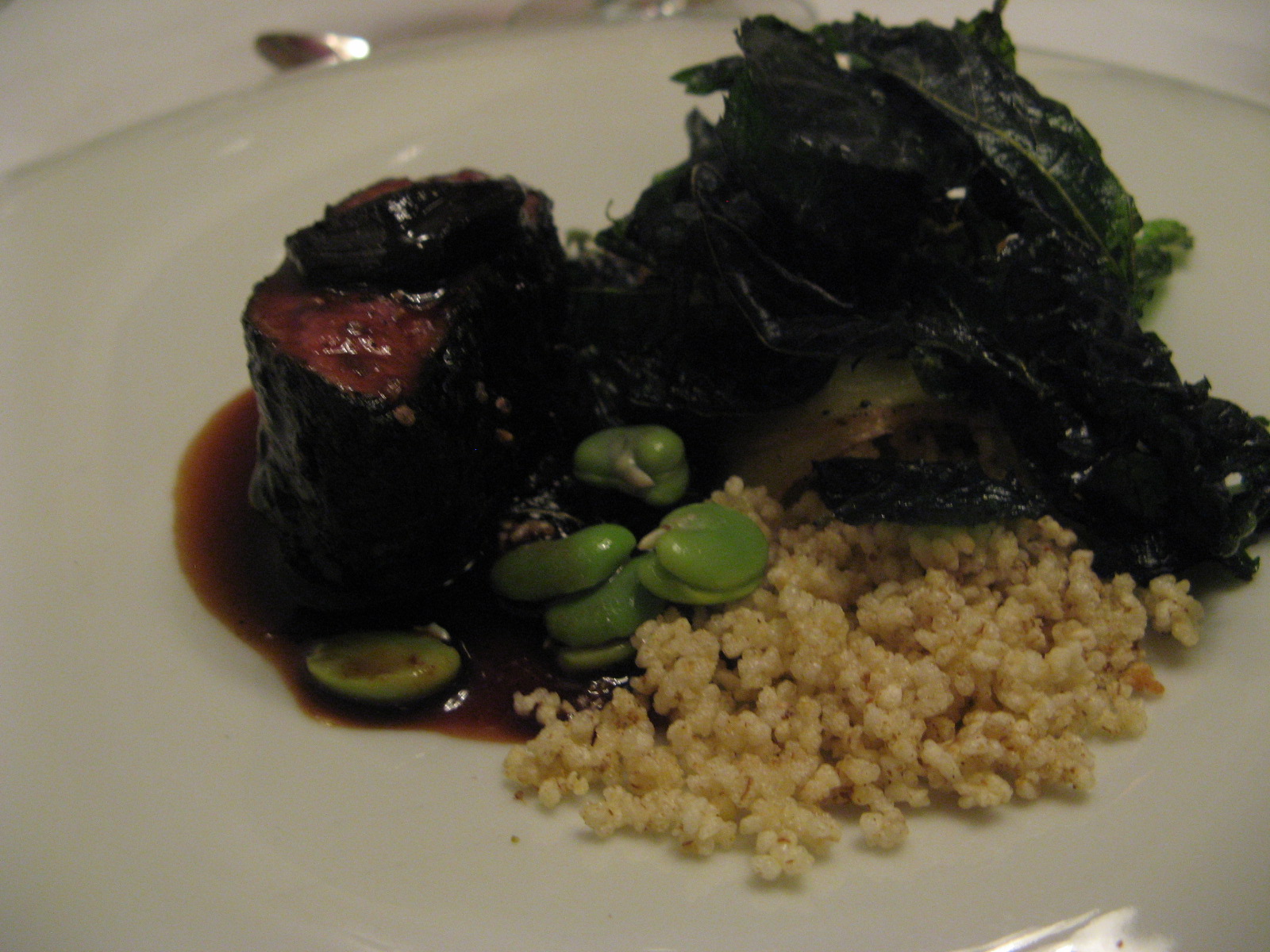
Sirloin of Lamb
Dusted in onions ash, green Fava beans, crispy leaves of Malva, crispy crushed wheat, roulade of roast potato with Gruyère patissière thyme and sage, red wine sauce.
Malva leaves or Marsh mellow, from the Okra family are edible leaves used extensively by Bedouins and in Egyptian dishes. The meat is tender and juicy going well with our “dark haired lady” (La Dame Brune), the crispy leaves kept their shape to perfection following the dehydration and light frying process (reminded me of what the London Soho Chinese restaurant call “fried seaweed”) their light touch on the palate while crunching is appealing and the other ingredients (apart from the slightly heavy roulade) complement the main ingredient of the dish nicely.
To break down the intense flavours of the meat dish we are served a mouth cleanser with a twist:
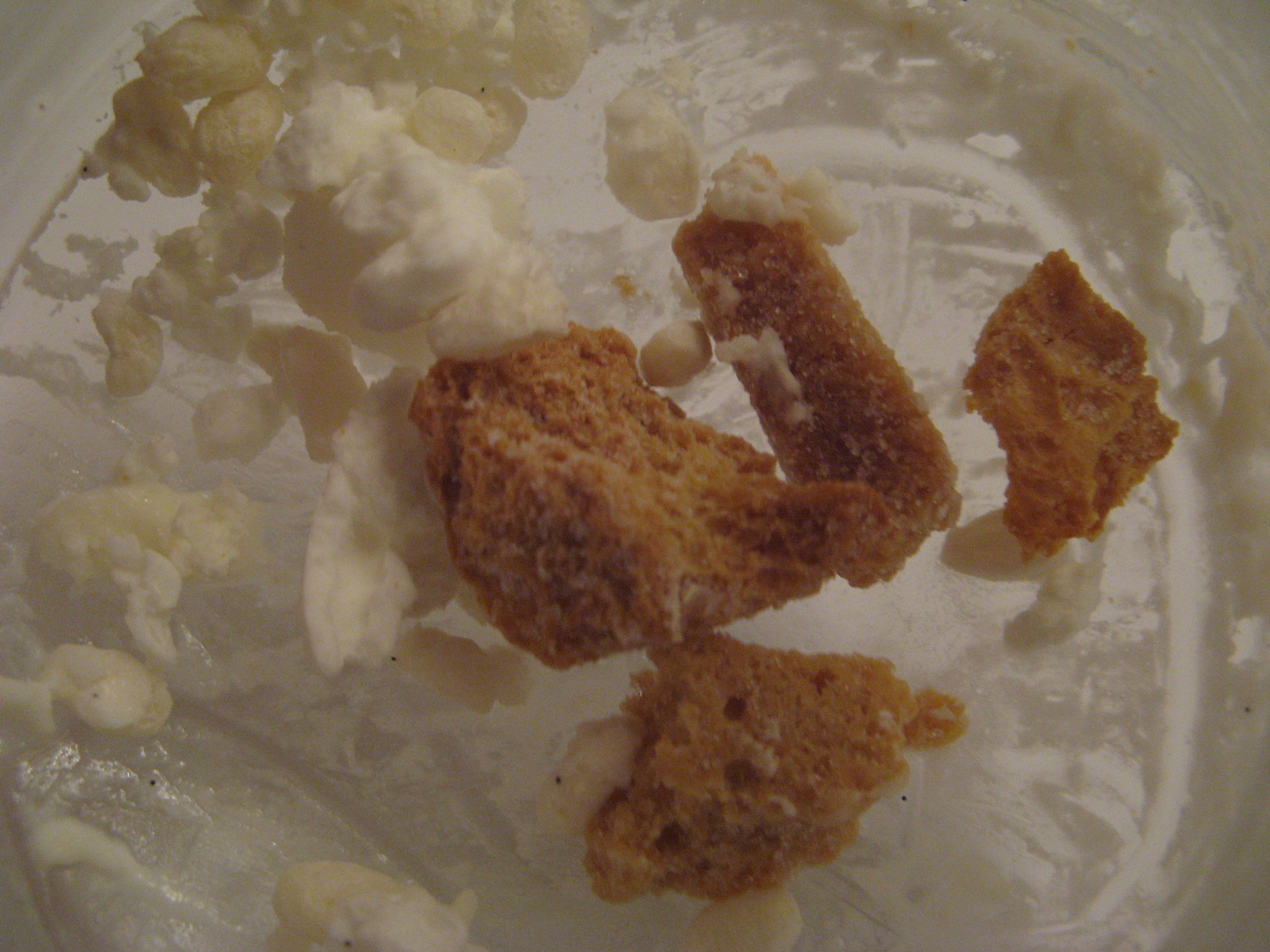 Lavender Panna cotta
Lime Sorbet, brioche croutons, rice crisps, frozen light yoghurt and lemon marshmallow.
A frozen dish that only when melted in your mouth reassembles to become a Panna cotta (from Italian cooked cream) with the croutons resembling crunchy light Biscotti, the lime sorbet and frozen yoghurt adds a much needed refreshing touch on the palate a perfect mouth cleanser.
Our two deserts arrived at the table together


Valrona Chocolate pastry,
Financier of wild AMARENA Cherries, mouse of nougat and hazelnuts, crumble of pumpkin and nuts, almond crisp tuile biscuits, caramel ice cream.
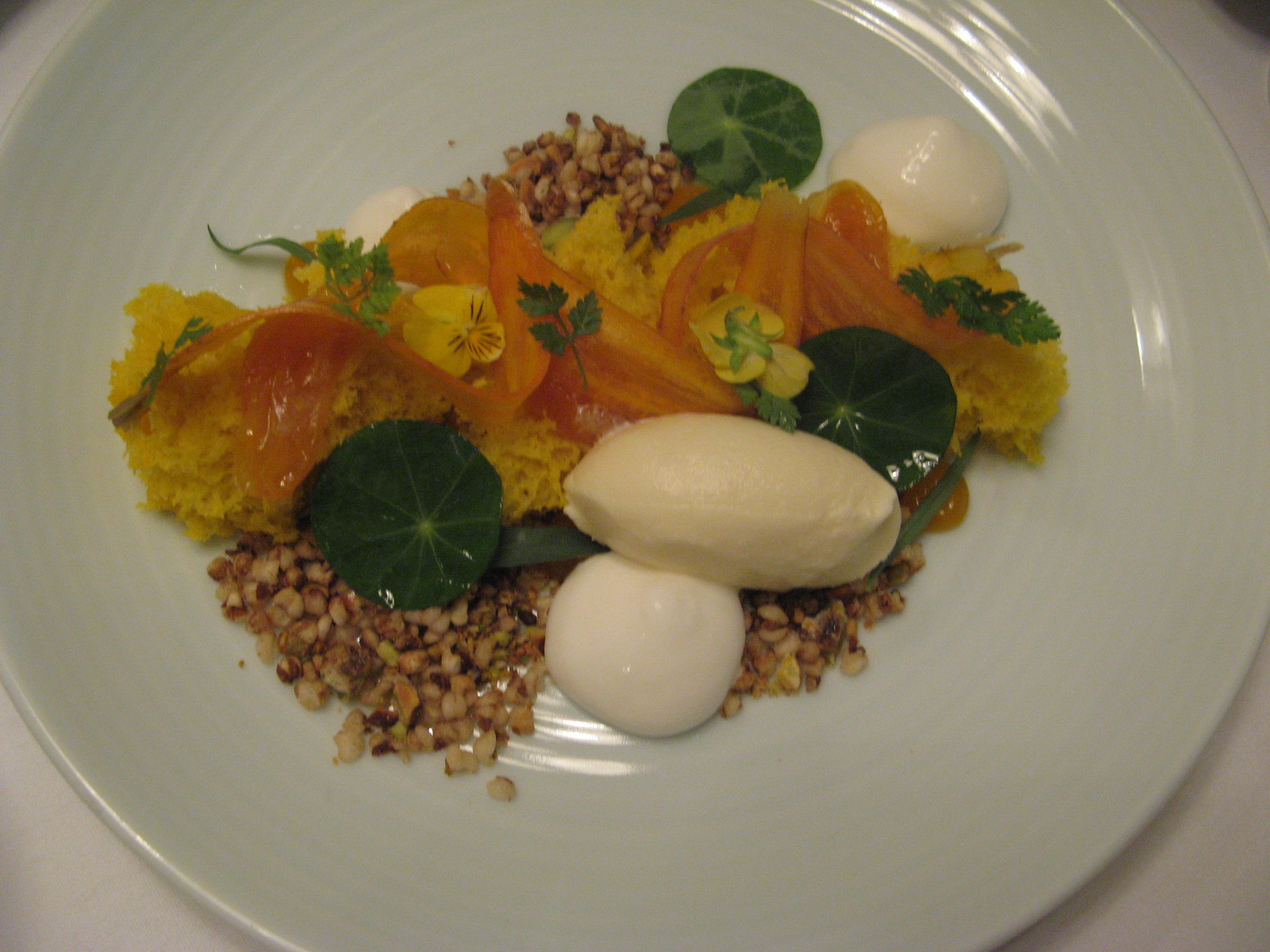
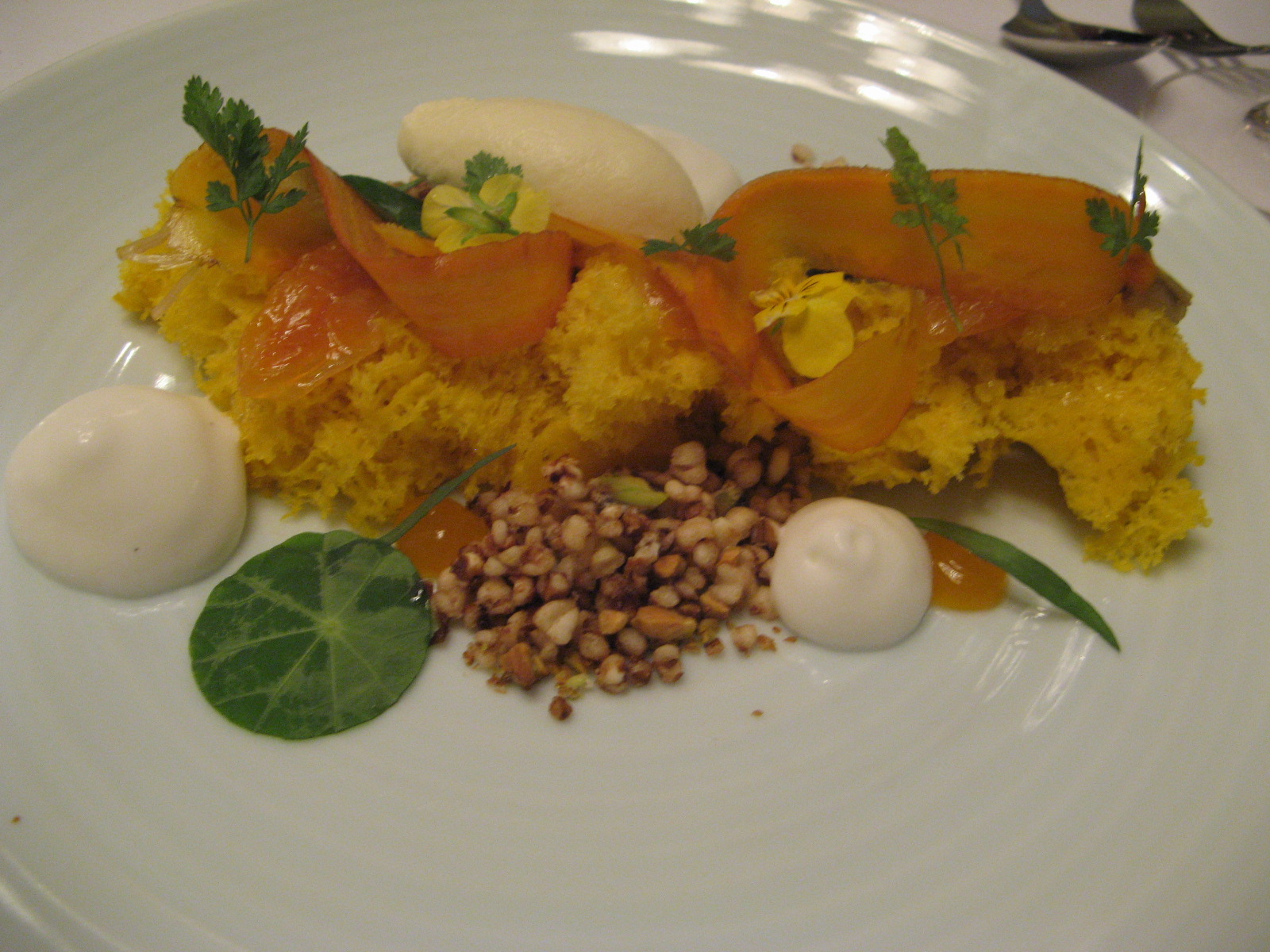
Carrot Puff
Crispy buckwheat, plain yoghurt mouse, fresh herbs, honey and sage ice-cream, pumpkin marmalade and sugared carrots.
Both where exquisite to look at and very light with each ingredient (there are lots!) rightly balanced and measured (even the chocolate mangery was melting into the mouth without the overpowering heaviness that can be associated with fondant style deserts)
The carrot puff was a pleasant surprise, (I do not like carrot based cakes usually) but the light feel and delicate touch of the carrot was impressive. Two great deserts to sum up a meal that equals and even surpasses some great meals I had at times in great restaurants around the world, the easy pace and wonderful service, the inside each dish and within the whole menu was impressive.
 I was DARED, Meir Adoni won the dare! This was a meal to remember, of excellent quality and most importantly GREAT FUN.
We sipped the last drops of wine with the restaurant stuff sampling all the wines we brought, our Joy was complete as we parted the restaurant almost five hours after we started, the pace of the dinner and the “touch of culinary genius” (YES), that came out of the kitchen onto our plates was heartwarming and most importantly perfectly measured (we were not stuffed to our necks).
Thanks to all at CATIT, we shall meet again soon.
Catit Restaurant : 4 Heichal Ha- Talmud St, Tel Aviv Phone 03 510-7001
Your WINEGUIDE
A Meal at Catit Restaurant Tel-Aviv Israel (Part 1)
A story of a DARE
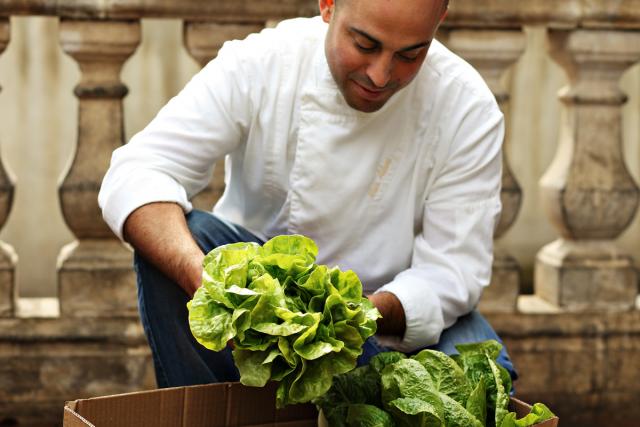 It is not often that a GREAT chef DARES me to sample his new menu at his Restaurant. Well… one of the most talented chefs in Israel Meir Adoni of CATIT Restaurant in Tel-Aviv, did just that! He dared me to put his “cooking creations” to “contest” against any other meals I had with renowned chefs around the world. (2-3 Michelin star restaurants) and he knows the restaurants I visited lately.
For me it was a win win situation. The deal was give me 5 hours of your time and Just 60% of the cost of a GREAT meal abroad, (wines not included) for me and one or two other experienced diners of my choice. We bring the wines, (we’re good at that…), and come with open minds, allow ourselves to immerse unconditionally into his world. Between us I could not have been Happier
Now, I know this young, talented guy, Meir ADONI, (almost since he first opened his first restaurant outside Tel-Aviv in Kfar Ruth and later in the astonishing Allenby Farm House at Kibbutz Netzer Sireni, what a great venue! (unfortunately for him not at the center of things). That day I dined at his place with amazement he was an eager youngling, with lots of ideas circling in his culinary mind, at times overdoing content and dish size, but the talent and sparkle was there from day one, we all mature to excellence, the hard way…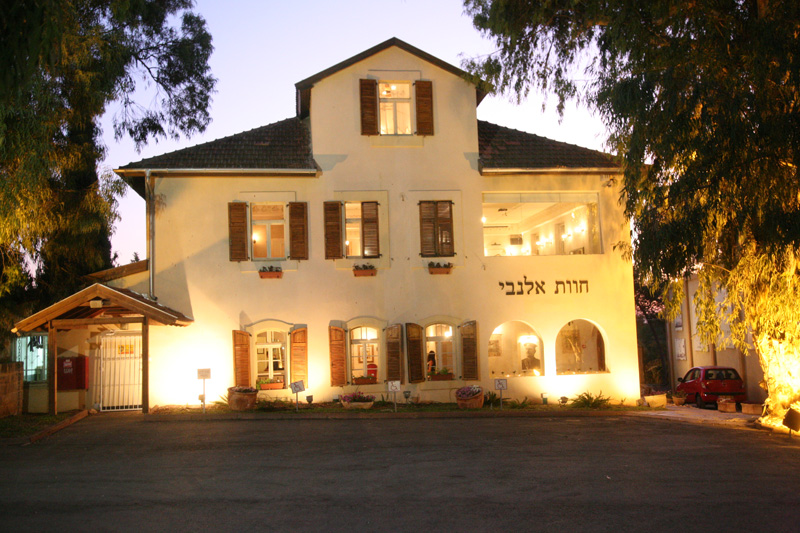
The man who cooked at the house where the british headquarters and personal residence of General Edmund Henry Allenby, the British General and administrator, Alenby, who led the Egyptian Expeditionary Force during the Sinai and Palestine Campaign in the British conquest of Palestine and Syria in 1917 and 1918, during the First World War, The man who “freed” Jerusalem from 400 years of Ottoman rule, a great friend and commander of T. E. Lawrence (“Lawrence of Arabia” one of my favorite characters). As Lawrence wrote in his book seven pillars of wisdom, an autobiographical account of his experiences of British soldier:
I loved you, so I drew these tides of men into my hands
And wrote my will across the sky and stars
To earn you freedom, the seven pillared worthy house,
That your eyes might be shining for me when I came
So does Meir Adoni who started cooking at General Alenby’s headquarters, preparing his tour de (culinary) force, his very own seven pillars of culinary wisdom, for me personally I must say I was flattered.
To sum it up we did get a virtuoso culinary experience on the day the first Palestinian Rockets fell on Tel-Aviv (9/11/12), a meal that allowed us to forget all the worldly follies of human deeds such as war, death and destruction and allowed us 5 hours of calm bliss with a rare combination of our 5 senses, mainly smell and taste, in balanced aroma’s, visually exquisite artistic presentation to touch the realm of all our senses in each and every dish from start to finish. It certainly was an impressive expression of Chef Adoni’s passion, to food and culinary excellence.
The wines we brought :
Pierre Gimonnet, Fleuron 1996 1er Cru Champagne
Sauvignon Blanc (Morillon) – Zieregg – Manfred Tement Austria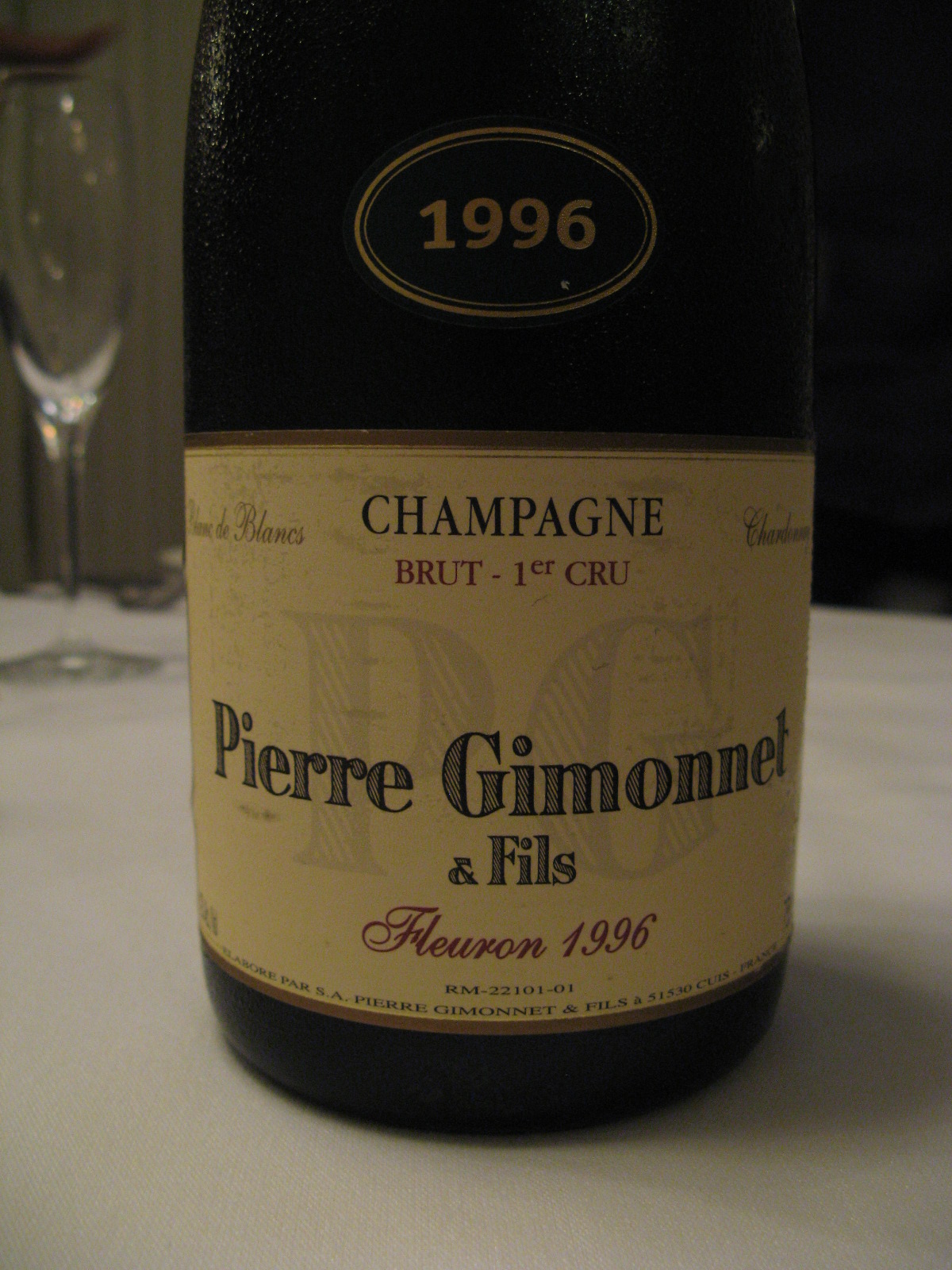
GRUAUD LAROSE St. Julien Bordeaux1970
La Dame Brune 2001 Domaine George Vernay Saint Joseph
The Meal:
The champagne Pierre Gimonnet, Fleuron 1996, was opened all dressed in a lovely straw yellow colour, leaning towards gold with nice stream of elegant delicate bubbles, this maturing excellent wine is full of notes of a mature champagne aromas of compote of apricots and golden apples, with a touch of roasted almonds and a nice tone of yeast bouquet (the alluring side of a great champagne), still refreshing with a good balance between fruit and acidity, it turned out to be a most suitable wine for the meal that lies ahead…

1. Gillardeau oyster.
Grean Apples, celery, cuecumbers, Tapioca pearles Jus of parsly and Youzo
One fresh oyster laid gently in a jus of parsley and Youzo with small cubes of green crunchy vegetables and fruit, the scent of greens balance by the acidity of the Youzo compliment the fresh oyster (with its juices) and a decoration of Tapioca pearls, a dish fit as a start to a regal meal.
Gillardeau oysters are a brand of edible oysters that are produced by the Gillardeau family founded in 1898 in Bourcefranc-le-Chapus near La Rochelle and the Île d’Oléron in western France
Tapioca is a starch extracted from cassava. This species is native to Brazil. The term “tapioca” is used to represent the root of the cassava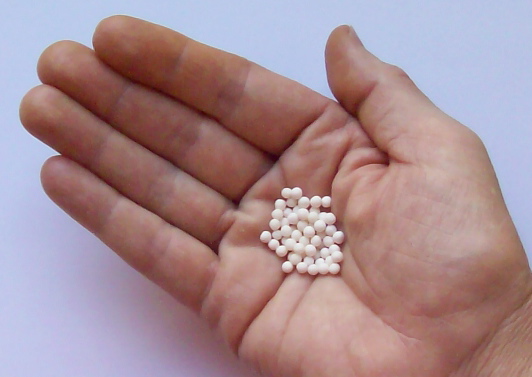 plant, rather than the starch
The pearls must be soaked well before cooking, to rehydrate them; they will easily absorb water equal to twice their volume, becoming leathery and swollen.
2. Triptych of seafood
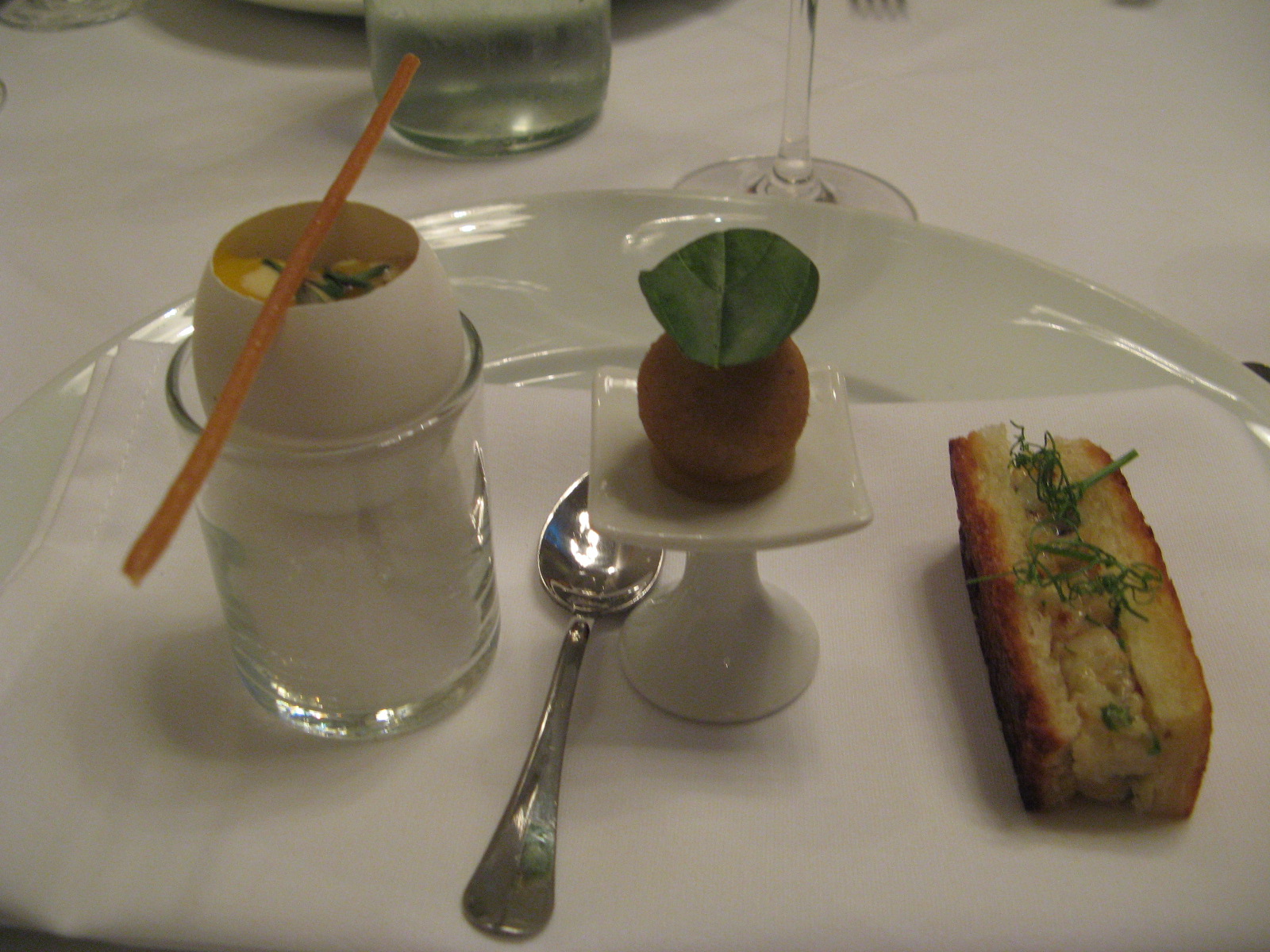
An eggshell filled with Blue Crab flesh, spinach, white almonds, quails yolk and shrimp butter, “Cromesquis” of Langoustine Bisque, Toasted brioche with shrimp butter.
This is a triptych of delightful bites of seafood first the content of the eggshell delicate comes to life upon crunching on a bleached Almond every once in a while the combi of quails yolk and spinach is precisely balanced with the freshly steamed crab flesh, the Kormosky is a crunchy ball / truffle filled with creamy langoustine bisque that bursts through the “shell” as you bite on it, very clever and perfectly performed langouste doughnut, the toasted brioche (slightly scented with truffle oil) can be eaten on its own or used to dip into the eggshell to wipe off the remains of the dish excellent!
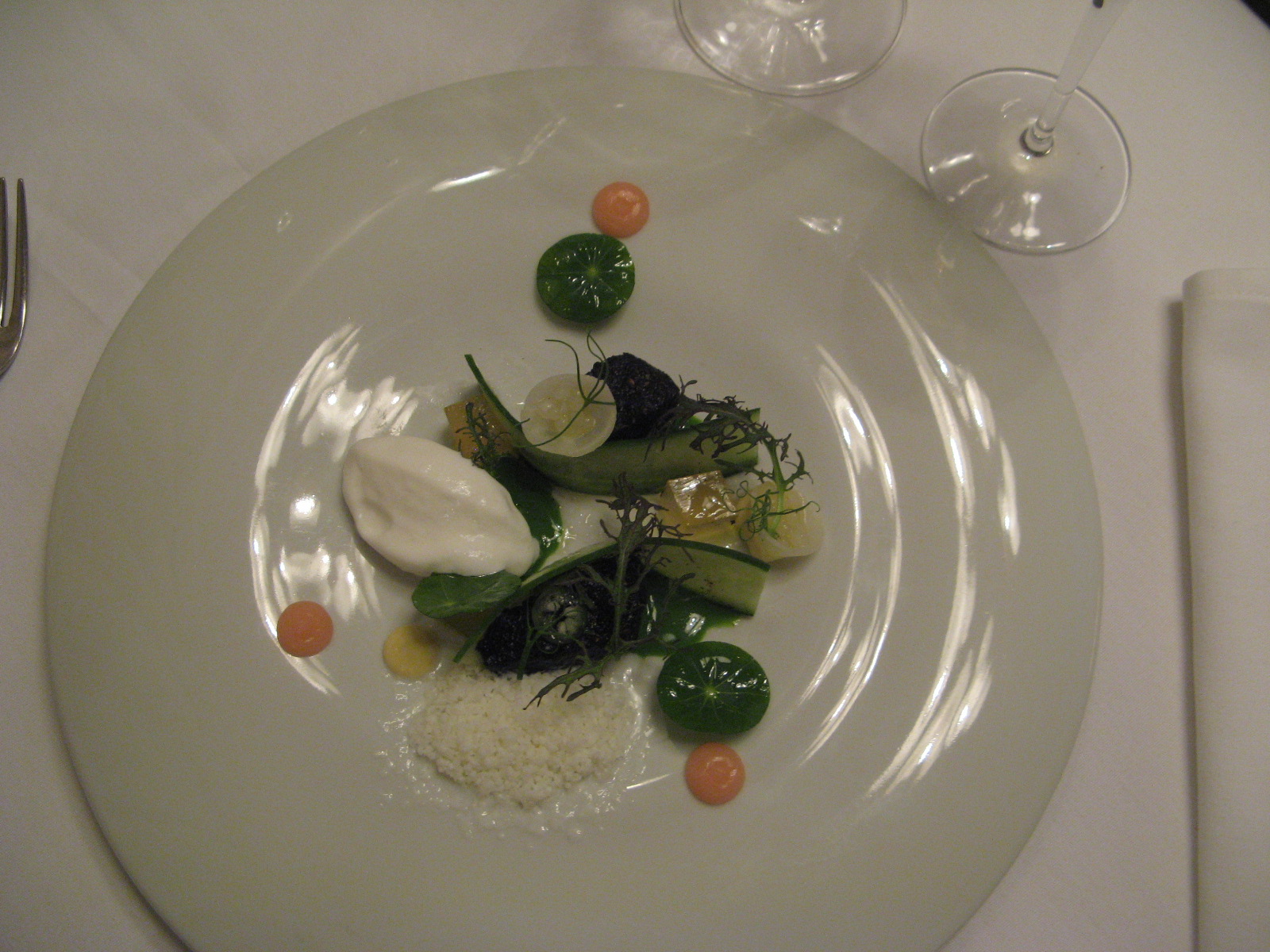
3. Sashimi of Amberjack
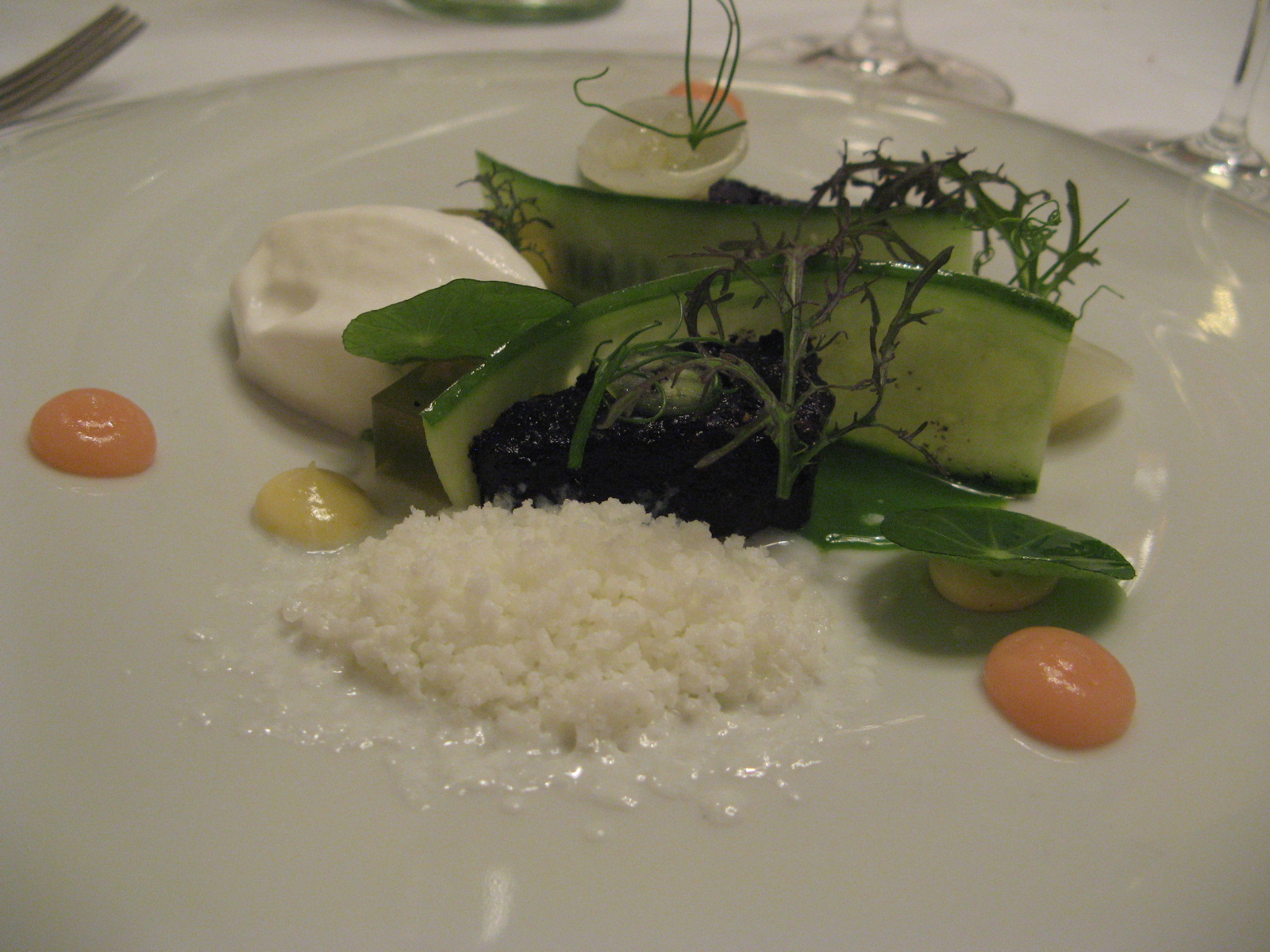
Amberjack (Intias) dusted in Nori seaweed, Ginger cream, Youzo aioli, a Jelly of honey and horseradish, yoghurt parfait, Horseradish Granita, and herbal vinaigrette.
The combination of the fresh sashimi and the perfect horseradish granite, is just right the other bits and bobs add to the presentation and the wider scope of flavours but is not essential.
Granita is a semi-frozen Sicilian rough sorbet of sorts, it is coarse, and has crystalline texture. It is made from water and fresh horseradish juice and grated flakes and maybe an added secret dairy ingredient, I guess…)
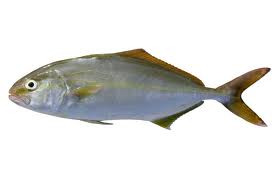
Amberjacks are voracious predators, which feed on squid, fish, and crustaceans in the mediterainian the smaller, lesser Amberjack (up to 5 Kg are more common than the Atlantic Greater Amberjack, one of the best fish for Sashimi in our waters.


4. Steak Tartar
Tartar of “skirt”/Onglet, Cognac, shallots radishes lightly cured Mediterranean anchovy Dashi cream and smoked egg yolk.
A delicate version of steak tartar from the diaphragm of the steer Though rough in texture, adding a nice sense of touch on the palate, it is smooth and precisely spiced with a nice balance between the elements (meat and fish), served with the smoked yolk in the “traditional tartar manner” with the Dashi opening the Umami touch on the tongue’s taste buds (nice touch).
Dashi is a simple broth or fish stock, shaved Katsuobushi and dried kelp – kombu – it forms the basis of many soups (such as miso) in Japanese cuisine. The element of umami, considered one of the five basic tastes is introduced into dashi from the use of katsuobushi, due to it’s especially high in sodium inosinate (MSG) content, the source of umami taste.


5. “Caprese sea”
Carpaccio of scallops, sliced “Tamar” Tomatoes, Basil leaves, on a bed of white eggplant cream, Kalamata Olive Tapenade, grilled crystal mediterainian shrimp, basil oil and fresh oregano
Caprese (salad in the style of the island of Capri) is a simple salad from the Italian region of Campania, made of sliced fresh buffalo mozzarella, tomatoes and basil, seasoned with salt, and olive oil.
Here the mozzarella is substituted very ingeniously with slices / Carpaccio of tender, sweet scallops, sandwiched between the traditional slices of fresh tomatoes and a basil leaf in a light green sauce reminding the parsley jus but without the Youzo , basil oil and fresh oregano add the Italian touch to the dish which is light and delicious in every bite, the eggplant cream is so delicate it adds mainly to the touch and dissolves in the final spicing which works well enough on its own. (Another thumbs up!)

6. “Sea and Citrus”
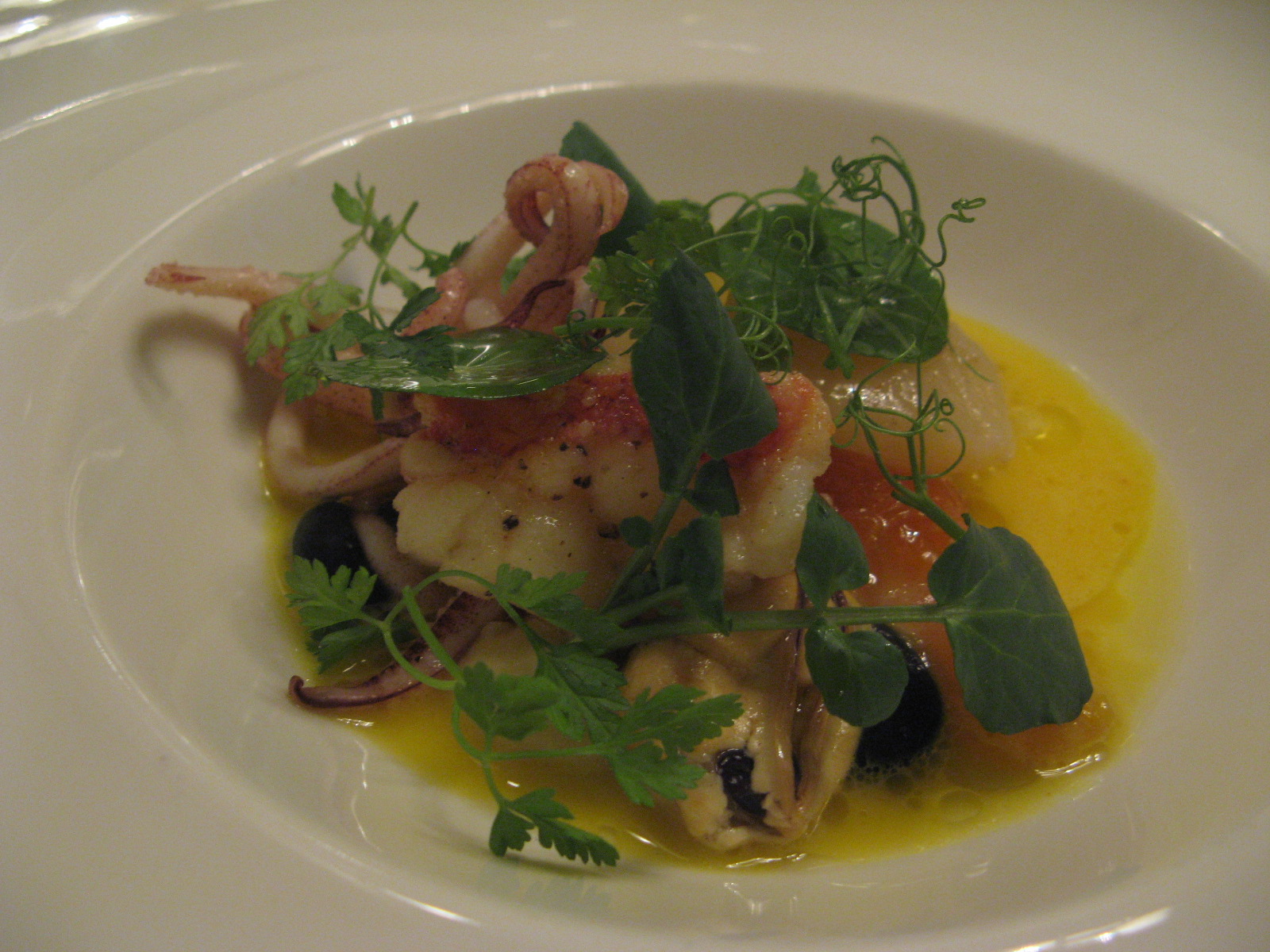
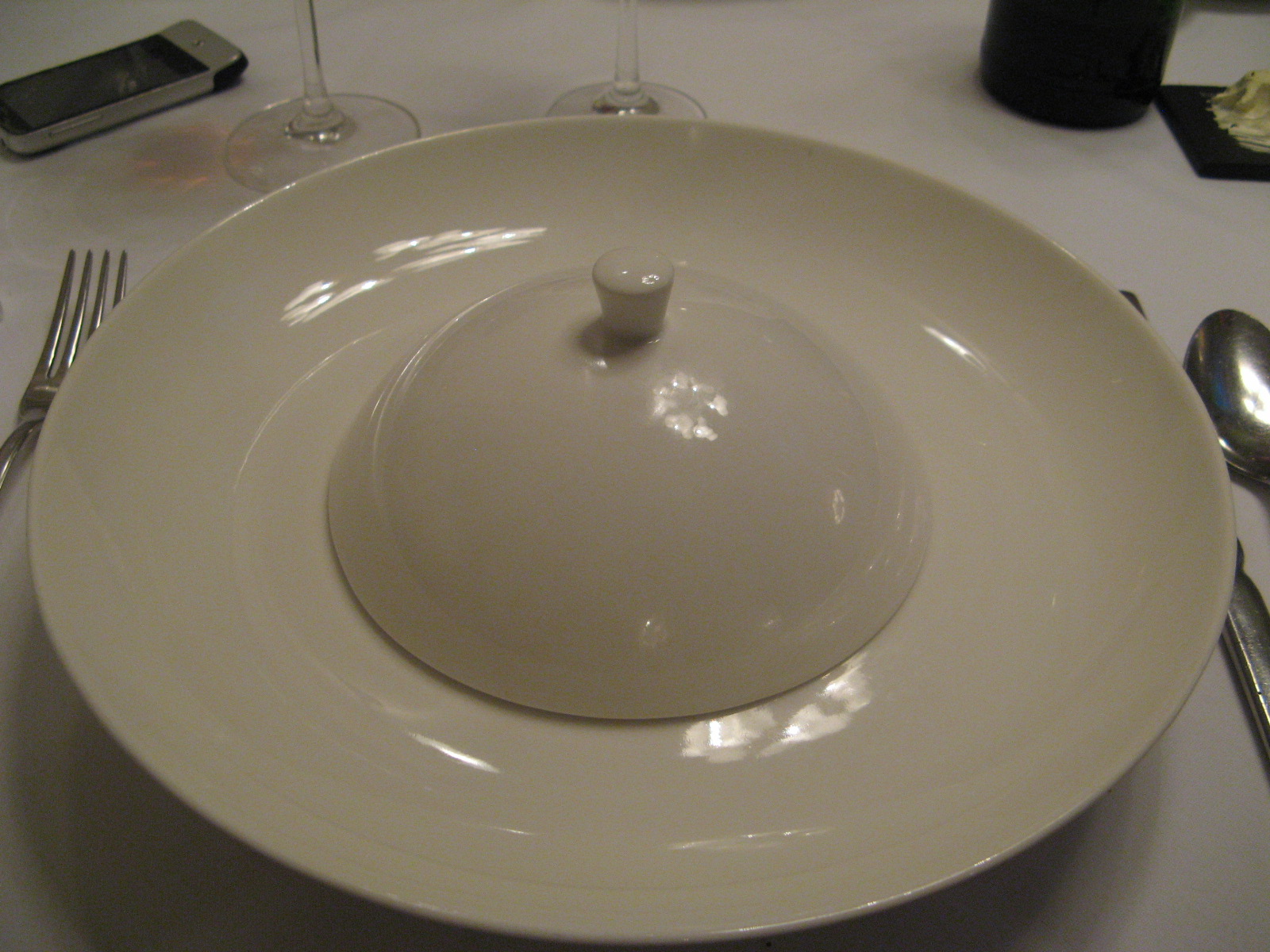
Lobster, Calamari, scallops and mussels steamed in olive oil, Fennel cream, on a bed of organic rice (risotto) in youso, Liquorish coulis, confit of mandarins, orange slices mandarin and saffron vinaigrette
All seafood ingredients are prepared to perfection, with meticulous cooking time, a real whiff of citrus smell is combined into the flavour of the dish that brings out the best of both ingredients with an admirable balance between the seafood and the citrus, there is no overpowering of any product over the other. The clear orangy colour of the mandarins oranges and saffron sauce is so alluring and the light touch of the prep and presentation is compelling (envy me! You should!)
The next 7 dishes offered to us on this occasion in the next post very soon, why not extend the joy we had a little longer…
This is becoming a wonderful experience to be added to the list of the best of the rest (Thank god I have more than a few).
Until next week with humble thanks to Yonathan Dannon and the entire Catit team.
Catit Restaurant : 4 Heichal Ha- Talmud St, Tel Aviv Phone 03 510-7001
Your WINEGUIDE
Shaul Evron 1944-2012, Sweet Dreams my friend

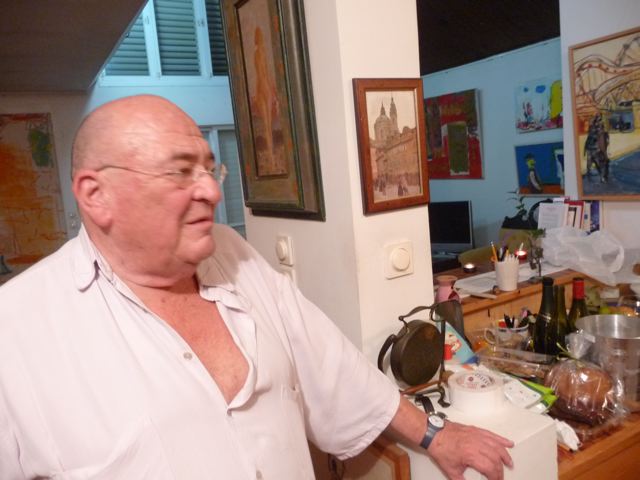
The story of the man who did not try to cheat the Angel of Death and finally succeeded
 My very dear friend Shaul Evron, the undisputed center pillar of Israeli wine and culinary scene, died an untimely and unnecessary death last week following an accident 15 days ago, what a waste!
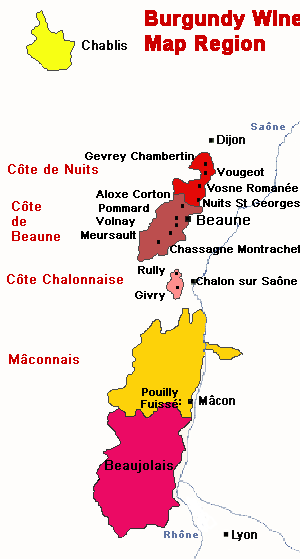
Vintners and winemakers of Bourgogne from Chablis in the north, all the way south to the Rhone, be ware, there will be a sharp fall in demand for your products. A great Bourgogne wine consumer, wine lover and expert have deceased.
We take our close friends for granted and when they go, a great void opens within us. Shaul is just gone and I already miss him. But memories are such a great consolation, they give us comfort at times of need and in times of grief and this is just one of these occasions.
For everyone in the small community of wine and food professionals in Israel He was the Grand Priest, a legend… the man, Shaul Evron, was a great culinary and wine sage, For me, he was a good friend, from whom I have learned and whose company I enjoyed since the early 1990’s.
His taste was so sharp that even the slightest of hint of sweetness in a wine was thumbs down for him, he shied when people used to commend his accuracy in tasting mainly because he knew his likes and dislikes, he could dislike a “great wine” just because it was not within his taste scope: “It’s a good wine but I do not like it”. He did not give a damn to label or pedigree beyond the cork. When his sharp taste detects a hint of corkiness, in a great bottle just opened he would rarely try to “taste it beyond the fault” and get to the bottom of what is “on paper” a great wine. At times after half an hour of breathing as the wine fault evaporated he would taste the wine again, a rare occasion!
 He used to call me at times saying: “we just got this amazing Calf, if you pass by Yoezer we’ll have some stuff prepared for us from
 the best cuts plus some inner organs (brain, sweetbreads, liver, kidneys)” sometimes I would and at time I would regret missing the expression of joy from a good cut of meat in his eyes, if I could not make it. What a unique and enviable expressiopn.
Maybe the fact that he used to rinse his mouth (at the dentist’s – me), not with water god forbid, but with Perrier can shed a light on his peculiar but thoughtful actions . He used to bring a bottle with him, to the practice, each time he would come for an appointment. This may sharpen your understanding of his ways, which basically were Shaul’s way! S. Pellegrinno or Plain Water will JUST NOT DO!!!!!!!!
Being the owner of one of THE best restaurants “around”, Yoezer (my favorite Bistro in Israel https://wine4soul.com/2012/08/30/meat-of-lust-eating-in-yoezer-wine-bar ), he followed a dream to have his very own Bistro in 1995, (it is a cave in Old Jaffa) arranged to his very own taste, along the way and from day one his old friend from primary school days, Zipora decided to get on with him on a personal rollercoaster car, the most unlikely partnerships that worked for 17 years.
Yoezer Wine Bar offers a wide variety of wines, all chosen personally by Shaul and Shlomit (Sommelier, Maitre D. and personal care taker), with an emphasis on the wines of Bourgogne, Shauls Favorites.
 Yes he was a conservative Pinot Noir / Chardonnay kind of guy; he loved wine-dungeons and bars, a lonely guy with hundreds of “friends”, he had no family but they were “all his sons”, a lone wolf at the head of a wine guzzling pack.
He loved French cheeses I think his favorite was Époisses de Bourgogne, from the village 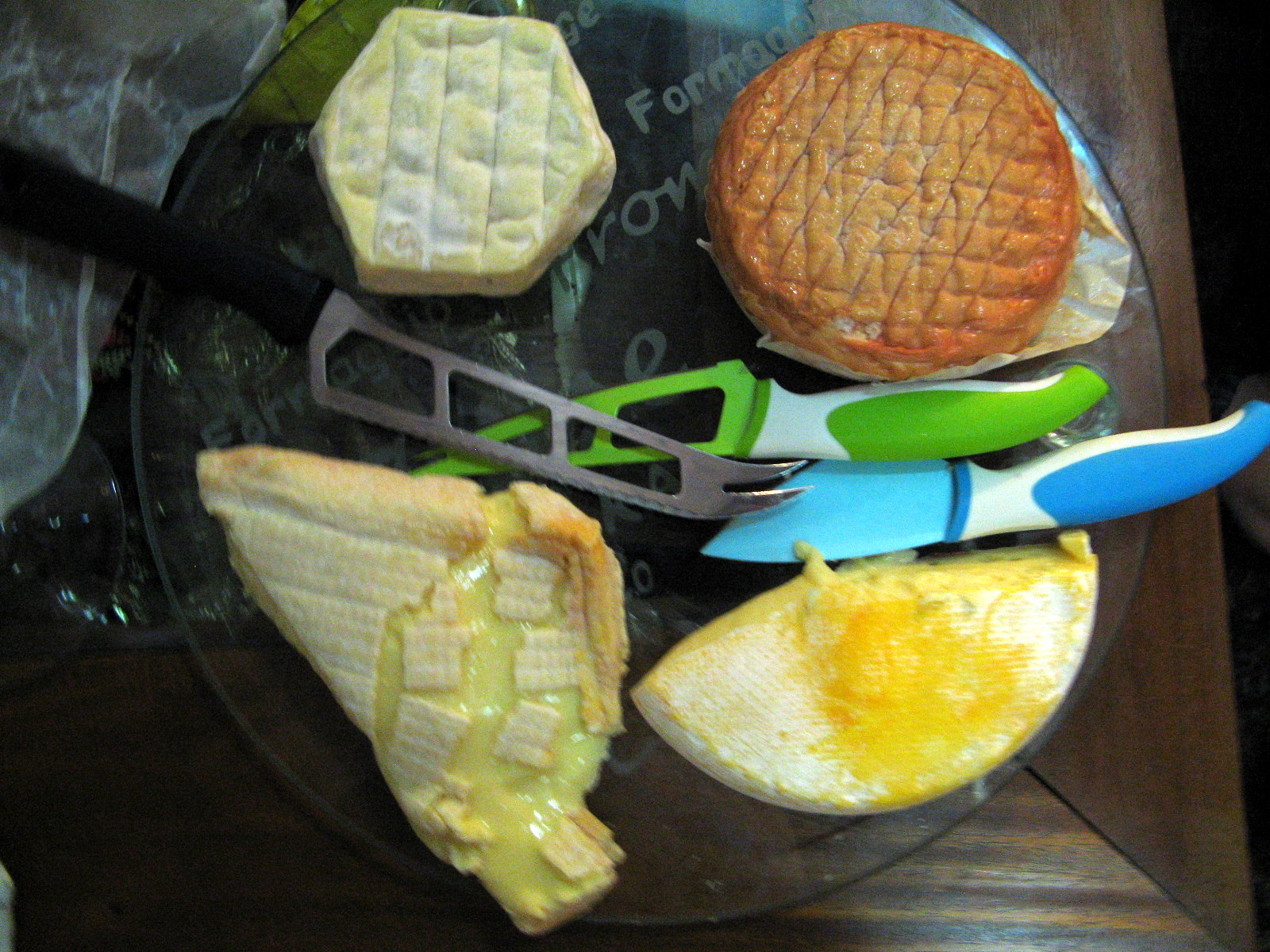 Époisses, in Côte-d’Or. Commonly referred to as Époisses, it is a pungent unpasteurized cows-milk cheese, washed daily in marc de Bourgogne until ripened.
He used to say that I am a “wine necrophiliac”, I like wine corps (too old) and I say he was a wine pedophile (He loves them young), I think he just could not resist his urge to taste a wine even when it is too young to enjoy (for me). But through the years we’ve managed to prove each other wrong on many occasions.
He liked to feel the harsh kick of wine, the storm of fresh tannins and took them in as if they were all rounded and smooth.
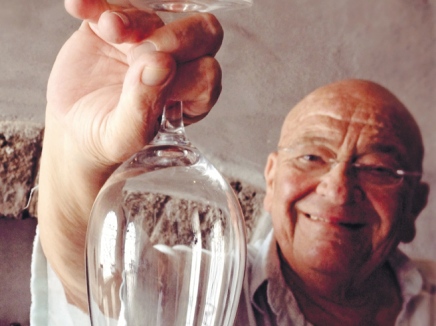 He was an excellent journalist and excelled in food writing, this short tale describes it all, in his very own words: “When I got to Paris once, I tried a 1983 Echezeaux at La tour D’argent it was harsh (trop dur as the French say) but beautiful, exactly the way I like them, so when I got a table for lunch at L’Ambroisie, the “grande dame” of Haute Cuisine, “discreetly situated” on the Place des Vosges (9 Place des Vosges, 75004 Paris, Phone: 01 42 78 51 45), which was then freshly awarded its third Michelin star, I have ordered the 83 Echezeaux The house sommelier said as expected: “trop dur” (too harsh) I told him: “no I don’t care”. He said that he could give me the 1984 Grand Echezeaux, which is ready for drinking, for the same price or something like that. I said to him: “Don’t like 84” he said to me: “Try it, what do you care, if you won’t like it, we will replace the wine, he opened a bottle for me, I tasted, I didn’t like it, I gave it back, I took the-83 “, it was ‘hash’ but again, sublime. A Japanese couple sitting at the next table pointed at my bottle when they were asked to choose a wine he tried his “Trop dur” exercise on them as well to no avail “. Shaul always knew what he wanted, his choice was hard to sway (I am sure he enjoyed that bottle more than the Japanese couple…)
At Yoezer, the Bar and kitchen stuff hold his culinary and wine views and understanding in such reverence and respect, that it feels they cook to please him personally with each dish that comes out of the kitchen, and we the diners are benefited by getting almost always the best according to Shaul, what more can one expect from a meal?
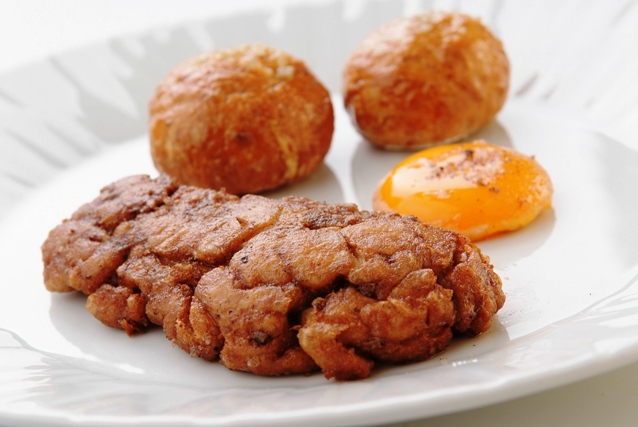
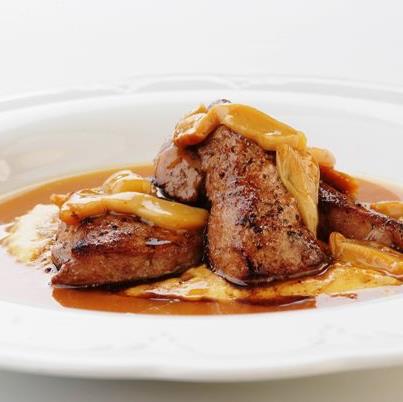

Our memorable wines together are numerous, they all started in my garden whilst photographing a BBQ article I was co writing for the 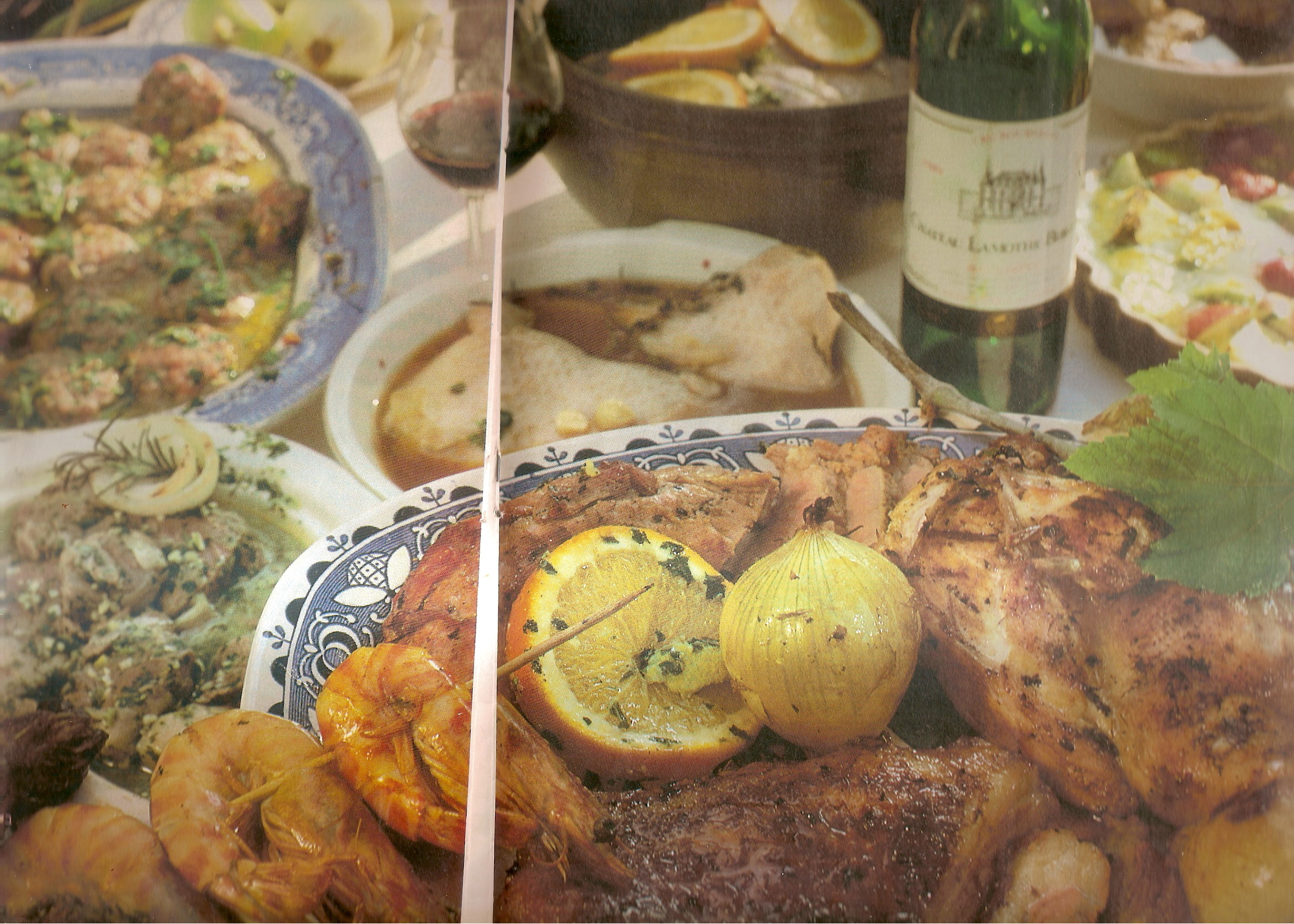 food Magazine CHEF (April 1994) with the late Cheni Farber (a food writer and talented chef) we prepared a
  FEAST for the article photo shoot, a huge meal just for the magazine photographer, but there was tons of great food and I invited a friend to help with the consumption of the fare, who brought a friend with him, SHAUL. We spent a lovely spring afternoon on the lawn eating and drinking, drinking and eating, having a wine cellar at home was a novelty those days but I was fairly fresh from 10 years in London and the cellar was full of gems and surprises rarely seen in Israel, but the bottle that opened the door to his heart and started our friendship was a perfect Champagne 1978 Moet & Chandon
  Dom Perignon Rose. With almost perfect score of 19.5 from my wine mentor and teacher, Jancis Robinson. Never mind the score that wine which would “melt” anyone’s heart, initiated a friendship that lasted 18 years (aren’t we getting old?), that was my first intimate meeting with Shaul and “the beginning of a beautiful friendship”
Other Champagnes that come to my mind:
1989 Heidsieck Monopole Diamant Bleu, with its roasted hazelnut and wet mushrooms aroma and a perfect balance between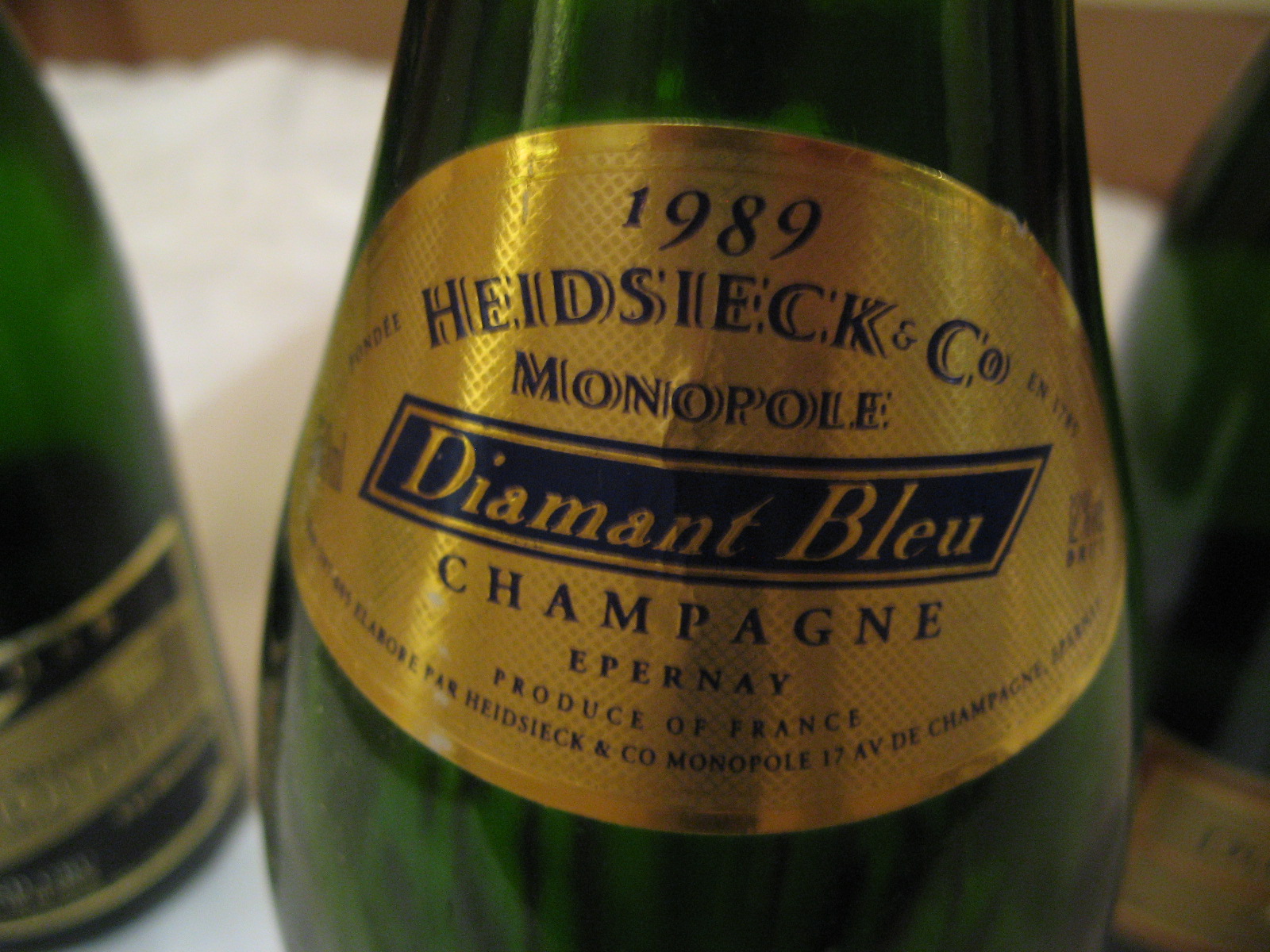 acidity & fruit.
1995 Bollinger Grande Annee , so open, expressive, and forceful in character that these qualities carry through 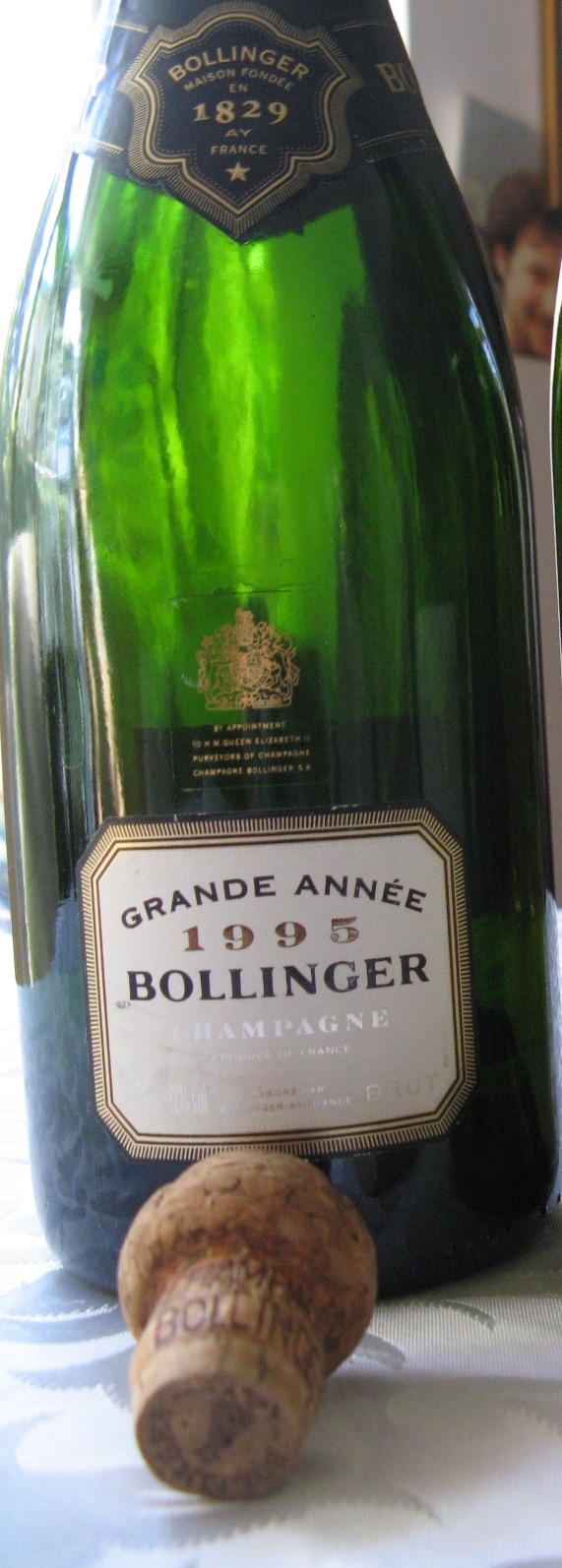 onto the palate where there are notes of honey, brazil nuts and dried mushrooms, even hints of truffles and caramelized dried orange peel.
Many 1990 Bollinger Grande Annee (one of my Favorite years) with its mature aromas, of roasted almonds, toffee, even creamed coffee with burnt caramel or honey, than wet mushrooms (it’s the alluring “rotting” mushrooms aroma which is so compeling to both of us)
Many Bourgogne whites, he did not like Meursault and preferred Montrachet especially Chassagne-Montrachet, 1996 and 1990’s
Bourgogne reds – Aloxe Corton and Corton these Grand crus have to mature at least 10 years he would drink and enjoy them young (Trop dur), 1983 Echezeaux a year you could hardly get your hands on…Vougeot and Vougeot Premier Cru, The wine around Vosne Romanée with its grands crus such as Grands-Echezeaux and Richebourg which make of Vosne Romanée terroirs the best of Burgundy red wines. (he had an expensive taste, and was generous sharing with others.
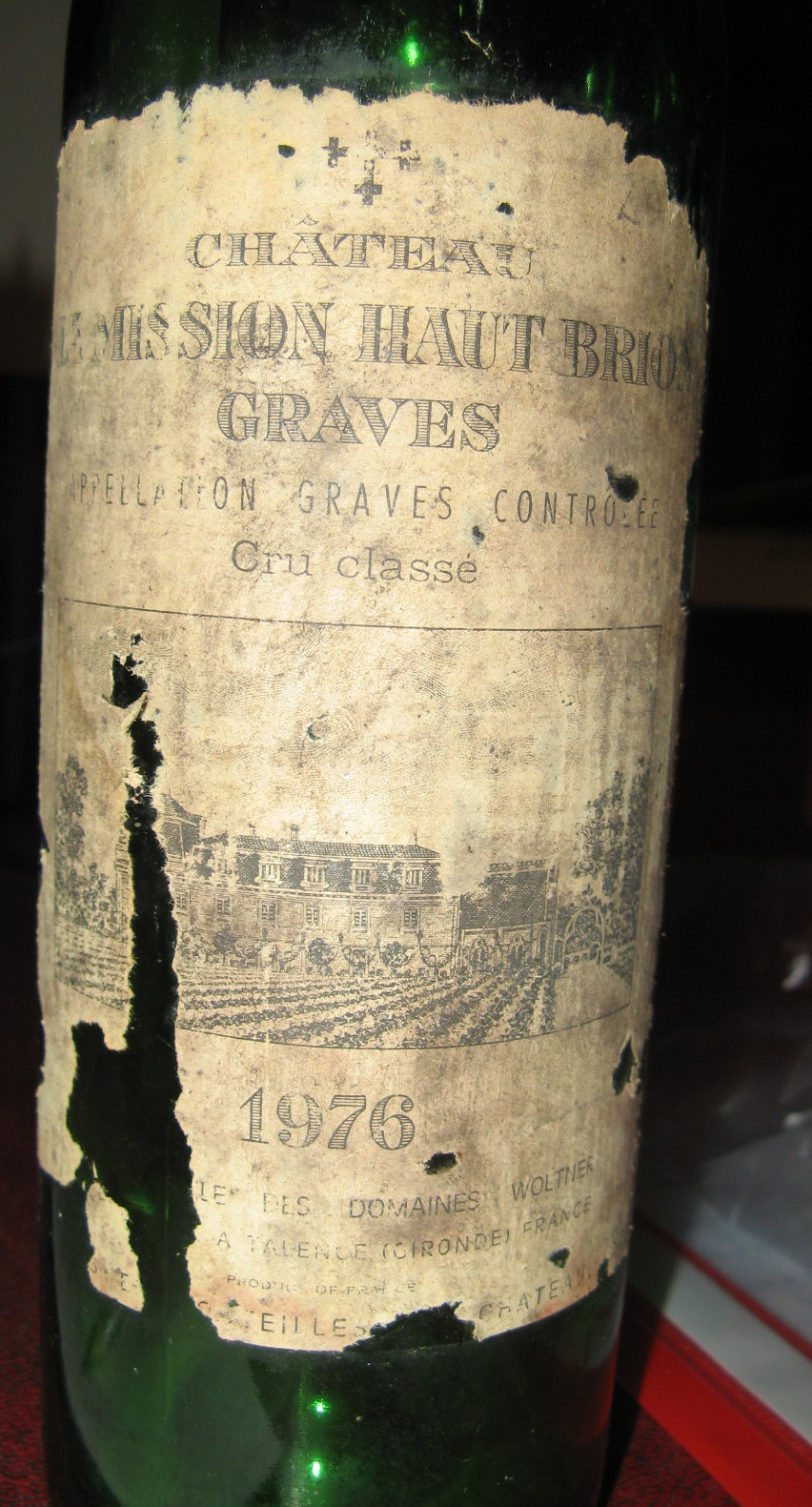 Red Bordeaux – He did not like bordeaux’s as a general rule still I can recall several moments of success (a great challenge when you open a bottle of good Bordeaux for Shaul) not only it has to be excellent it must NOT have any traces of “sweetness” hint (even oaky vanilla touch would make a great wine too “sweet” for him), but a bottle Chateau La Mission Haut Brion (Graves) 1976 melted us both after opening 5 bottles of other great bordeaux’s one night between the two of us until I was successful in getting the satisfaction glitter in his eyes and the certain verbal expression concerning the wine to put me at ease regarding my guests satisfaction.
Without a doubt the most memorable and the very last bottle of the case was the near perfect 1982 Chambolle- Musigny 1er Cru Les Amoureuses Domaine G. Roumier. A reference 1982 great by any standard. I’m so happy we had that last bottle together just between the two of us, we squeezed the very last drop from that bottle with unsurpassed JOY.
Shaul had an enormous heart and even greater stomach capacity he could eat a bull for lunch and have a full dinner a few hours later, he would drink alcoholic drinks from spirits to his favorite wines from dawn to dawn (not dusk) without ever becoming obnoxious or behave as if under the influence, as a matter of fact he quit resented people around him who did…
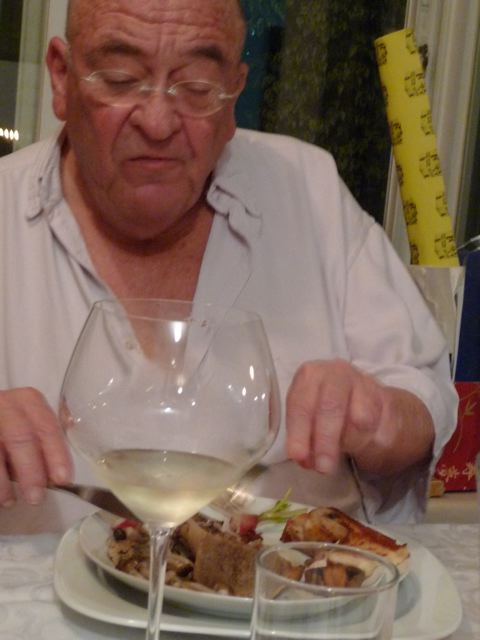 He was an Olympiad of wine and food with no match (that I know of, and I know some serious drinkers), I guess he believed his body could take any such sort of abuse forever, he never had regrets or remorse regarding the accumulating effect of such abuse to his health and went on as if there is no tomorrow. But tomorrow came yesterday and left him defenseless, but I guess he “greeted” the angel of death as an old friend and equal not with fear or regrets. We had a “sort of” WAKE in his memory at Yoezer, after the funeral. A wake is a ceremony that takes place in the house of the deceased (and Yoezer was his home), it is often a social rite which highlights the idea that the loss is one of a group: friends or family and affects that group as a whole. All the chefs and restaurateurs of the land came to pay respect each with his own memories of Shaul, we all raised a glass maybe in his memory but mainly to console ourselves. We humans are such a selfish breed…I guess Shaul would have done the same. Farewell dear friend and thanks for the memories, they last forever.

Naama Abramovitz, Shaul’s ex wife and best friend to the very last day (she knew him best I think) said that everyone talks about Shaul in relation to wine and food but: “his greatness were words, (his expression ability to write or converse or convey), we all learned to write and speak in Shaul’s language which was extremely personal, most of us eat drink and speak in Shaul’s tongue”. I guess she’s right, what an excellent teacher we had!
Maoz Alonim owner of the BASTA (Bisrto in tel-Aviv main Fuit & Veg. market – Shuk HaCarmel said: “Shaul, in your way, you taught us to aspire for the better things, Thanks”


Shaul is gone the legacy goes on, Yoezer is open for business as usual with enough good people, Zipora, Shlomit and Ben to carry on his aspirations and vision. The bar is certainly orphaned without Shaul in his usual left corner spot but his spirit is there and will continue for the foreseeable future and beyond.
Yo’ezer Wine Bar / Bistro ( Yo’ezer Ish Habira 2 Jaffa) Tel: 03-683-9115
Sweet dreams my friend, missing you, Amir
The WINEGUIDE
.
Memoires Gastronomique 1 – Fredy Girardet
The phone does not stop ringing at the hotel de Ville. It must be the first Monday of the month. This is the only day you can book a table at Fredy Girardet’s Restaurant Girardet fg in Crissier, not for the coming month but rather 3 months in advance. Their phone is ringing constantly mine, well to be exact my friend’s Kobi‘s auto dialer is working overtime and the line is engaged all the time. Luckily autodialing prevails and Kobi books us a table for two at Fg, the 80’s are about to end in a year or two and we’re about to meet the chef of the century and his creations for the first time.
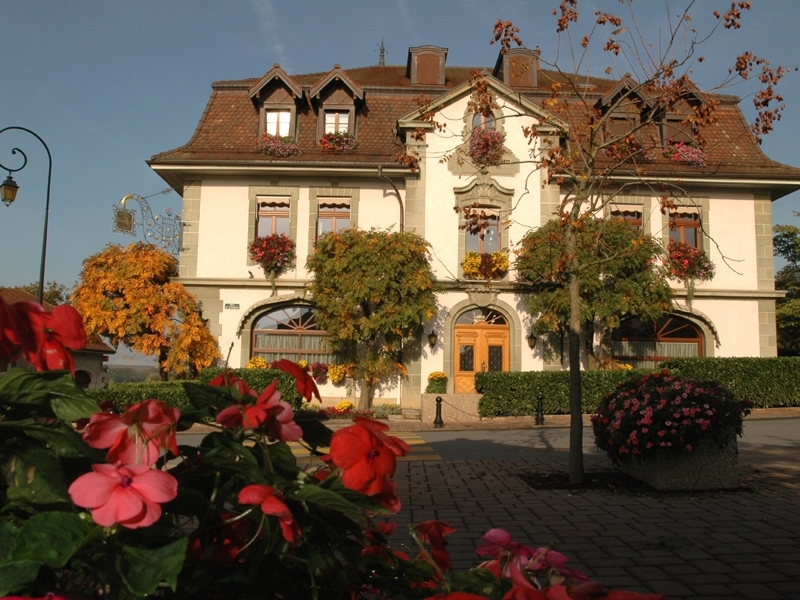

Great meals or dishes leave us with memories that linger on for a long time beyond the event. A good meal at a perfect restaurant is an event, a lifetime event. This is surely the aspiration of every chef, cooking a meal for his guests. A meal to remember, but alas very few manage to attain this goal.

Contrary to the notion that the perfect wine as a whole, is relying on the imperfection of its parts: (https://wine4soul.com/2012/05/02/perfect-wine-and-the-paradox-of-perfection-12/), A perfect meal must be perfect in all its aspects: The products, cooking technique, balance within the dish, balance between the dishes on the menu, the decor, ambiance, service, wine list, general atmosphere, even light or the ability to see the food or read the menu and many more. But above all, it is the chef’s declaration of his own taste and preferences as they are expressed in each and every dish. No “almosts”, no trying to aim slightly low, to a mediocre common denominator taste, but rather a declaration: Welcome to my restaurant here you will be served (with the outmost of courtesy) my dishes, spiced the way I like them, presented the way I see them and Bon Appétit !
A perfect meal is a memory for life. Some people even have to talent to be able to relive the memory / experience as a real sensation of lingering heavenly taste. I for one carry these good memorable memories and they last a very long time, forever? I can only hope so.
I must say I had quite a few of these memorable culinary moments, that enriched the “essence” of my life, or as defined in Traditional  Chinese Medicine (TCM), JING:: 精; it is the Chinese word for “essence”, it is considered one of the Three Treasures (Sanbao) 三寶. Ancient Chinese sages said we are born with a fixed amount of Jing, consume Jing continuously in life; by everyday activities and when jing is completely consumed… we die. Jing can rarely be replenished, mainly by forms of stimulation such as meditation, Chi Gong, sex practices etc. I guess that being a part of an event I describe as a perfect meal is without a doubt one of the few Jing replenishers. It is good for the mind, body and soul, the perfect medicine.
Reminiscences of great meals are a great joy and to start my Gastronomic diary, a meal at Fredy Girardet fg Restaurant is the most fitting prelude.
Fredy Girardet was born on 17th November 1936 in Lausanne Switzerland. At the end of September 1996, Fredy Girardet, chef of the Century and owner of restaurant fg in Crissier, Switzerland, announced that he will retire from the Restaurant business at midnight on 30.11.96 as he turned 60, and the world of gastronomy Cried.

After 40 years of work in kitchens, twenty year of them at his own restaurant (at the hotel de Ville at the center of the village), he deserved a break but what about us????
As a child all Fredy wanted, was to become a professional football player. During a wine-buying tour in Burgundy for his father’s restaurant, a vintner took him to La Maison Troisgros in Roanne. Girardet describes the meal, his first visit at a renowned restaurant, as an almost “spiritual experience”, that convinced him to become a chef. When his father died unexpectedly at age 56, he took over the bistro. He started cooking in classic French cuisine style, it did not take long before he began to experiment with lighter and more innovative styles, joining forces with his contemporaries to develop the emerging nouvelle cuisine movement, no one knew than that he had decided almost from the start to “hang his apron” at the age of 60
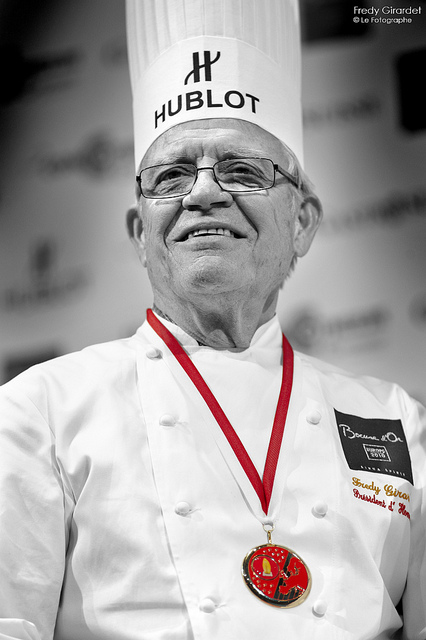 Freddy Girardet is not just chef, the Gault Millau guide awarded him the Gault-Millau Cle d’Or and selected him Chef of the century with 19.5 points out of 20 the title of honor received together with Paul Bocuse and his good friend Joel Robuchon.
In my view after dining several times at the restaurant for Dinners, through the years he was the personification of the genius of culinary art. A combination of rare stimuli of all five senses in one creation, A DINNER. There isn’t an artist in any one of the arts who can successfully stimulate all of the senses, Freddie, Ladies & gentlemen did it every day for a small group of happy 84 Diners, 42 around noon for Lunch and then again 42 lucky ones for a Dinner Event, 84 happy winners of the chance to dine in the Artist’s atelier: the Restaurant at the Hotel de Ville in Crissier.
It was he who provided me, whenever I visited the restaurant with everything and anything I always expected from a meal. The meal  always combined all the wonderful elements that make a meal at a three-star Restaurant an exciting event, an unforgettable experience. Every detail was perfect, starting from respect for the food product and their origin, details of the finished dish, the pure balance between tastes color, even position on the plate. Of course the restaurant’s location, décor and service, the staff attitude towards their guests, all “thrown into one neat careful “packet”.
The Meal:
The photos were taken in an era of analogue cameras and film/prints documentation (late 1980’s) most are slightly out of focus due to the effort to take the pictures without flash not to disturb the other diners. I have decided to include them as is.
Royale de blanc de poulette aux truffes a la crème de celeri pistachee
Imagine a consommé of chicken frothed with truffled celery cream that is so smooth clean and delicate. got it? That’s it! And with the array of wonderful breads and first class butter, who can complain?
The meal is very laid back, there’s a “wait” of 20 minutes between dishes, after a while you get the hang of it and see the reason behind the pace, calm down this is not an eatery, enter the experience of a meal event…and it works well we’re sipping on the wines, now about the wines we did not have the knowledge to order the right wines and let the sommelier guide us through the huge wine list/book for the white he picked the ultimate white wine for this meal:


Domaine Ramonet Chassagne Montrachet Les Ruchottes 1986 At the time I thought what a wine, although this wine improved and reached its peak only at around 2000 -2003, it was crisp yet rich with exotic white & yellow fruit aromas, excellent concentration but the wood oakiness felt on the slightly strong side with little minerality and great fruit. powerful at its young age still delicate with a very long buttery finish. (I had this wine on many occasions later when the wood all blend in and it still kept it’s freshness and fruit)


Raie bouclee a l’agretto de Montevertine en verdure de poireaux
Reduction of sweet Italian vinegar (Agretto de vino santo) from Montevertine in Toscana with blanched young green leaks sauce. The touch is very delicate feels almost steamed done to perfection with a great balance between the fish and the leak complementing and flavoring each other, melting in your mouth on each bite…remember me…remember me! (We did).
A double fillets of thornback ray, this kite shape exquisite looking fish, is so delicate in the sea and on the plate.

Greque de Langoustine safranée aux legumes croquants
A single large langoustine forming a bridge over a delicate saffron vegetable and langoustine stock, clear and light, yellow orangey in color with an arrey of crispy squares of spring vegetables, each done to perfection and precision in cooking time. This is what we came here for I have never had 3 consecutive dishes so precise in execution and each projecting the essence of all its products, BRAVO! This is the ultimate glimpse into the secrets of genuine Haute / Nouvelle cuisine. This is the base of what we all eat today in great restaurants, Thank you Fredy.


Coquilles Saint-Jacques aux oignons nouveaux, jus beurré au thym citronné
A fresh Saint-Jacque steamed over onion infusion served in its shell with the Saint Jacque liquor reduction of butter lime & thyme frothed over.
Why do all these dishes fell as if they where steamed and not cooked in any other cooking method? I guess this is the secret, the touch that separates the premier league players, teams and managers from all the others, this guy scores goals (around his kitchen) every time he touches the ball (our meal products)
 The white wine is all gone and it is time to choose our Red wine, unfortunately not knowing better at the time we opted for a Bordeaux and were proposed by our Maitre D’ the Château Sociando-Mallet 1987 ( he said “The 1986 is too powerful”) thankfully we opted for his advice and the wine which is according to Jancis Robinson in the list of this wine’s “Over-performing vintages” it was light, Smooth, Supple and approachable with cassis and light cedar notes. It gave us great pleasure throughout the next part of the meal. (nowadays I would opt for a Bourgogne wine but I was young than)
On the menu the next dish is the Cote de veau but our devoted Maitre D’ Louis Villeneuve saw that we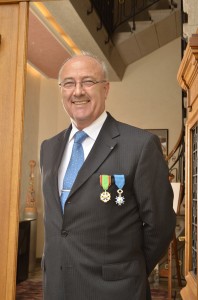 came to sample as much as we could (who knows when we would be able to revisit this experience), so he kindly offered treat us with 2 separate meat dishes and allow us to share 2 different dishes off the menu which is extremely irregular for a menu degustation for two, it is the small gestures like that that enhance your dining experience at the palace of the KING. Almost a year later when we revisited the restaurant for another meal his utmost professionalism as a Maitre D’ (head waiter / “master of the establishment,” ), when while ordering our menu he pointed out: “You had this dish last year so I will change it for you to another dish off the menu” What a bliss, this guy saw us once, it is true we are full of enthusiasm and expectation allowing ourselves to be immersed in the meal experience, still he saw us once in his entire life and remembers minute details? Another piece in this puzzle of perfection. Thank you Louis Villeneuve the dedicated liaison between the kitchen and dining hall, who welcomed the guests, recommended wines, did the meat and poultry carving on a pedestal table, in front of the guest (an old custom he has reintroduced in Crissier), and was rightly awarded the “Welcome and Service Prize” by the International Academy of Gastronomy, the first time this prize was awarded to someone who is not a chef . I don’t know about you but I am impressed not surprised though. So, first we were offered (off our menu as I said):

Volaille de Bresse en cocotte aux morilles at asperges vertes.
The flesh of this chicken from Bresse is juicy full of delicate poultry flavors bursting in your mouth, mind you “chicken roast” is probably the most difficult dish to serve at a sophisticated restaurants but give Fredy a product and trust him to raise it to gastronomic heights after all this poultry posses a gamey depth of flavour, with fine, tender flesh and delicious clean-flowing fat together with the fresh morilles and asparagus which are in season this time of the year, the jus of the Bresse chicken is sublime.
The cocotte as you know is a shallow individual baking dish the rest of the secret lies with Fredy.

Côte de veau en casserole à la fricassee de béatilles at aux asperges.
A casserole of milk veal with a fricassee of “tidbits” mixture of inner organs: liver, sweetbreads, kidneys etc. in a casing of Vol-Au-vent or puff pastry shell.with asparagus and casseroled new potatoes, carved and served by the table to the last drop of the light sauce, delightful.

Than came a large selection of cheeses from the trolley (a very large selection I might add, which surprised the young cheese waiter attending to us) cheeses from the various appellations of France and Switzerland to “die” for with the breads they were perfect, enhanced I might add with a glass of Port Porto Barros 1963 and a glass of 1985 Chateau Suduiraut, Sauternes,.


Just before the Chariot de desserts with at least 18 different desserts of fruits, tarts, cakes and other delicious sweets on a trolley, we politely asked if we can share before sampling (most) of the desserts the famous Passion fruit soufflé, which was served to us with great pleasure I guess (it was on the house, looking now at the bill which I found amongst the menu and photos all of these contributed to enhancing the memories of this meal) from the deserts pears in white wine and vanilla (had it on a different occasion as white peach in vanilla) .
Now the soufflé as you see in the picture is served in a Porcelain Ramekin puffed up and fluffy, a slightly warm lightly sweetened passion fruit juice is poured in the center and you get to eat a passion fruit cloud that dissolves in your mouth both passionate and calming (I think I’m gonna try and make it for tomorrow’s New Years dinner (Jewish New Year) the recipe is in the book Cuisine Spontanee – Fredy Girardet (Papermac UK edition 1986) .
We were also served 3 types of sorbets: Banana, Raspberries and red grapefruit but the ice creams chocolate and sublime Vanilla and the two spoon serving method I encountered for the first time are still in my mind. We ended the meal with pettit fours and coffee and a glass of Armagnac XO, not noticing that we are the last guests in the room, guests were sitted along the walls and the center of the room was left for the service crew to function. (at 42 diners each sitting this is possible.) Mr. Villeneuve with the utmost politeness told us he took the liberty to order us a taxi so we don’t get stuck in Lausanne before the last train to Genève takes off around 1.00am, and so we left after a short visit to the already clean and polished kitchen.


Fredy entered the room after the last diner was served his main dish.His apparent shyness, his modesty (felt when he would enter the dinning room at the end of each service) was not expressed in his style of cooking, that was exciting, creative, full of imagination and always accentuated the flavor of the main product of this dish be it a vegetable, fruit, meat, poultry, fish, or seafood, each in its short season. He called it cuisine spontanée, I call it HEAVEN!
The secret of the approach was that sophistication was born out of simplicity. The approach was: minimum cooking, maximum flavor, minimum vanity, maximum service, minimum talk, maximum action, Maximum occupancy, all tables are booked months ahead 48- 49 weeks a year for lunch and dinner day in and day out. Max points 19.5-scoring and no compromise in quality.
The restaurant lies in the neutral zone at the border between Italy and France, in a small town. There were significant touches of French and Italian influence, Italian truffle risotto and frogs legs. An amazing combination of exquisite and refined cuisine of both worlds and all the ingenious touch won slightly reminiscent of greatness in the ultimate meeting of the three basic cuisines: French Italian and Chinese cooking.
These elements brought out the artistry of cooking to produce a meal that left every guest who dine on a table thinking as if he was the only guest at a special one off occasion that was not like it before and who knows if there will ever be such an experience any time after. A feeling that repeated itself on each and every visit.

He was rightfully awarded the: Gault&Millau golden key, agricultural Knight of Merit, an entry in the Petit Larousse, honored for outstanding achievements in cooking, Golden Form Award given by the International Food & Wine Travel Writers Association, cook of the century at the same time as Paul Bocuse and Joël Robuchon, international grand prix in the Art of Cooking, awarded by the International Academy of Gastronomy, plus 19.5 points awarded by Gault&Millau, “Memory and Gratitude” grand Prix, awarded by the International Academy of Gastronomy, Knight of the Legion of Honor, 3 stars in the first edition of the Michelin guide for Switzerland. So although I use too many superlatives and adjectives of awe and amazement they are all justified.
Thank you Fredy for opening the gates to the world of true cooking for me, my perspective was changed completely after visiting Crissier. Thank you Kobi for being persistent on the phone, for being a good companion throughout the years, on all our food trips, for having such a good taste And Thanks for the memories…
YOUR WINEGUIDE
 WINE FOR SOUL