
Tagged: Wine Cellar
Wine and Dine with SPIKE

Chef Ferran Adrià – El Bulli
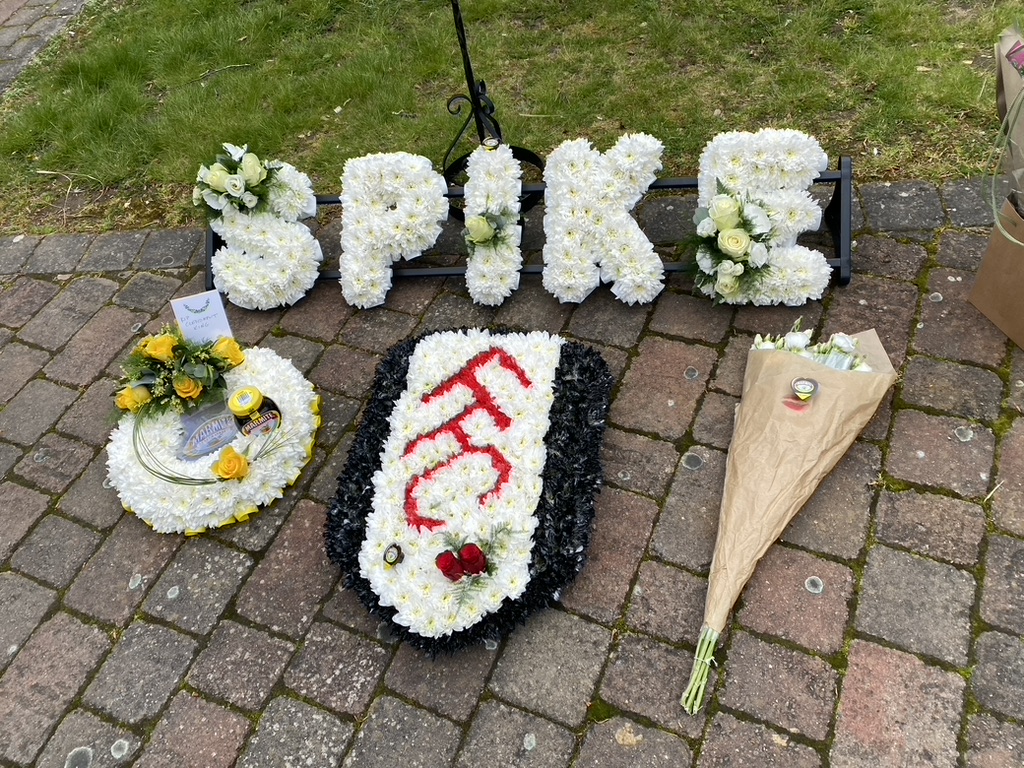
Spike was my best friend (your Bestie) as Abigail my daughter told me, when I found the strength to tell her of his passing away.


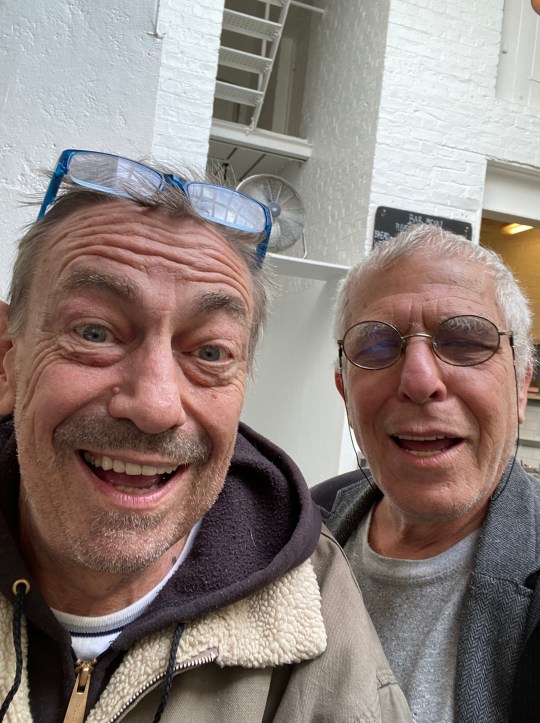


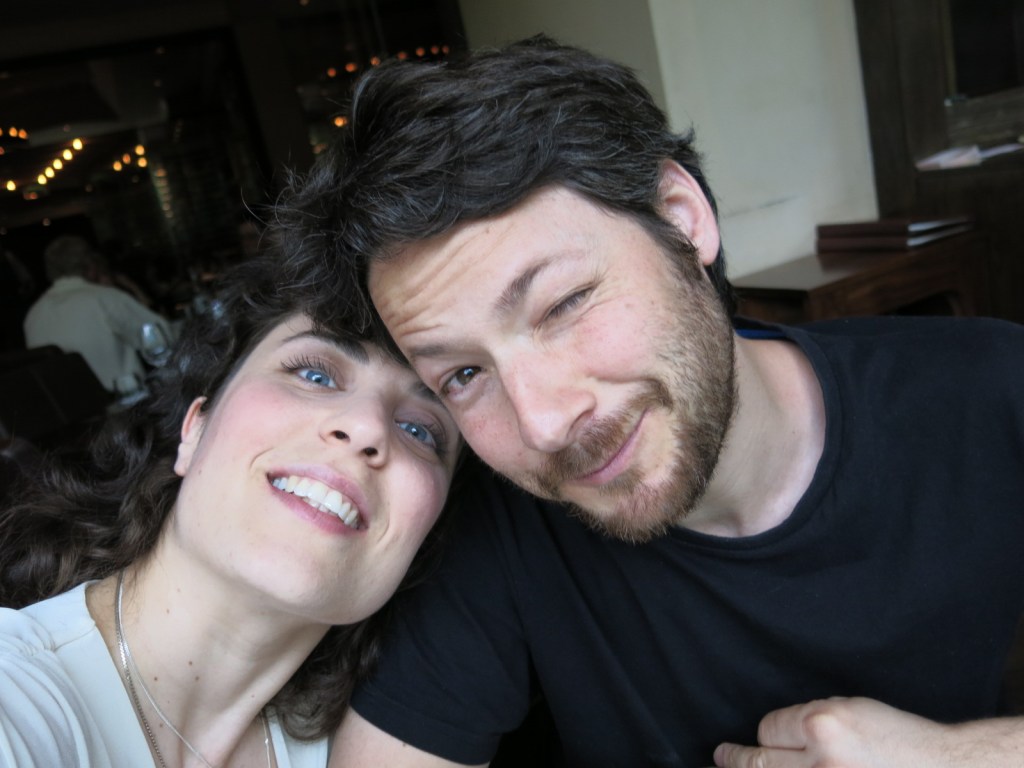


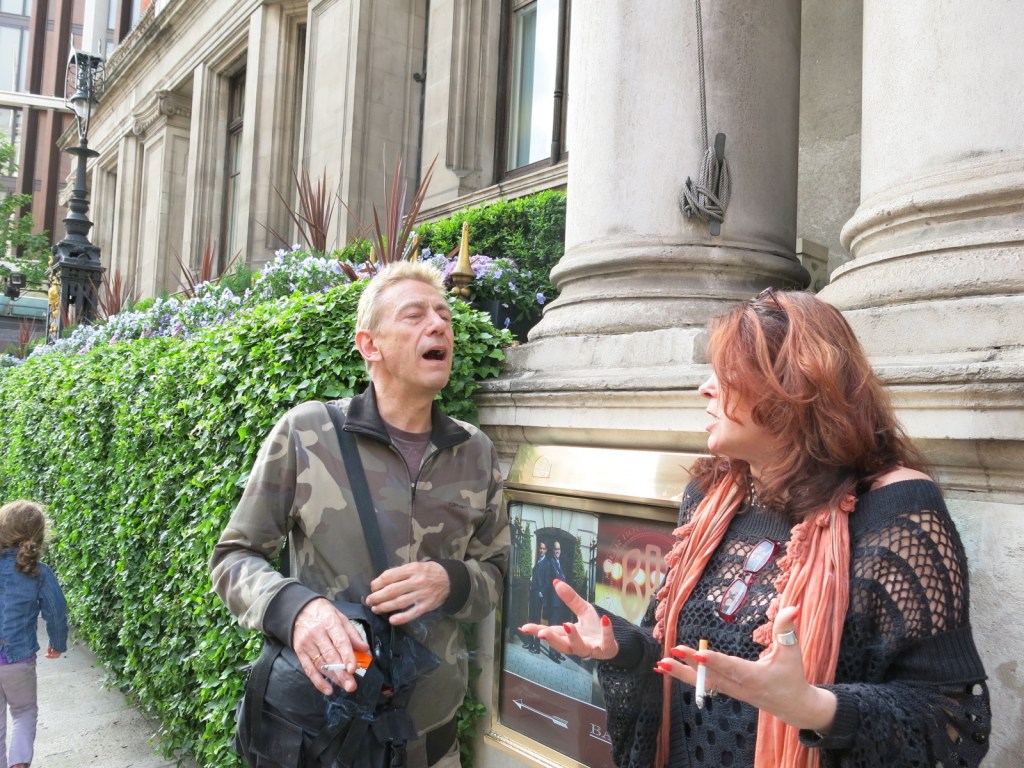

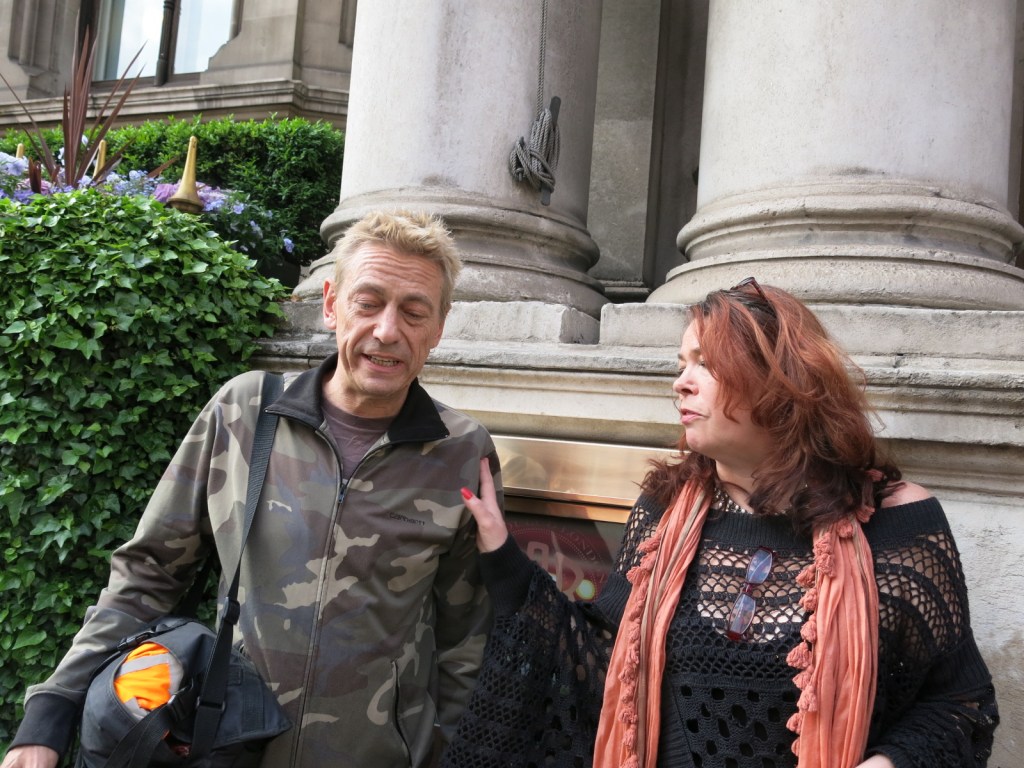
Since Julia his devoted sister told me of his passing away there’s a void in my chest, a sense of disbelief thumping the unbelievable fact Spikey is gone!
Today August 15th is SPIKEY’S BIRTHDAY,
Time to remember and have fun with the wonders of good memories.
So we Start with a song he sang for me 10 years ago for my 60th birthday. (press play…)
Spike knew and befriended so many people in so many different aspects of cultural living, the Arts, Theatre, Music, Movies, and Food – chefs and restauranteurs.
He was also the “Fix it up chappy.” (as Dr Seuss would describe), He could organize entrance to any: ..music Gigs (“spikey, Bob Dylan is in town …with Mark Knopfler…” and tickets would be arranged),
Of course some movie premiers, and through his foody connections a table at (Fully booked) newly opened restaurants.
Sometimes my requests were a burden of achieving the “impossible” to which he acquiesced being his caring self: “FOR THE TEAM” he used to say and was proud of achieving the task at hand.
He really liked food and wine, He was a great companion to a meal and like most of us remembered the fun of meals in many great restaurants we went to together. For us, eating a good meal at great restaurants was an excitement filled with pleasure and fun.

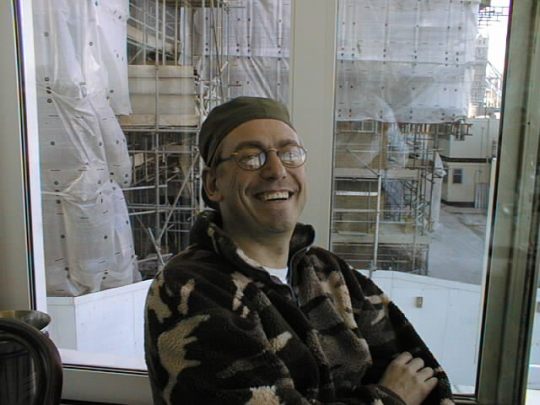


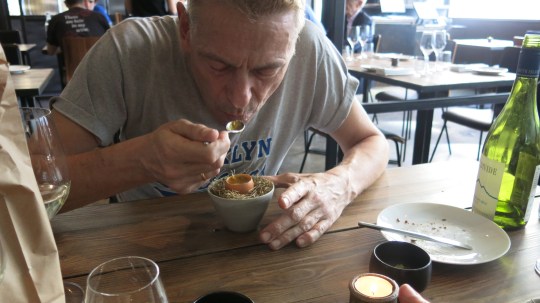
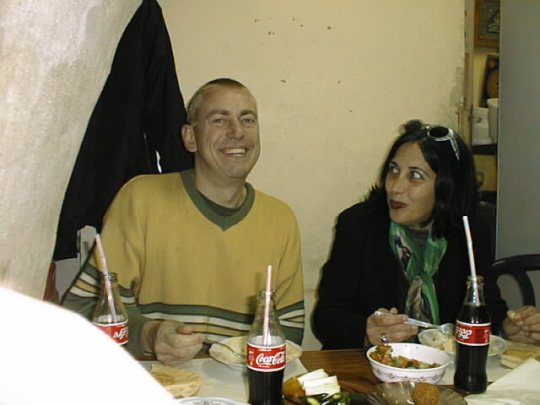
And we had so many on our list, some of which I recall now with much love and longing.
But I will start with a meal we talked and laughed about on our last meeting (a few days before he passed away): our Lunch at Pierre Koffmann’s La Tante Claire in Royal Hospital Rd. Chelsea. All the way to the restaurant I did not stop talking about The signature dish of the restaurant’s legendary dish: Pied de Cochon, pig’s trotter with chicken mousseline, sweetbreads and morels, that Marco Pierre White, (amongst my favorite chefs ever), has called this his “favourite dish of all time” amongst other superlatives
…

We arrive and get seated around one of the smaller round tables in the centre of the room, the maître d’ comes to take our order Spike (as always) ordered a Bloody Mary (Very spicy hot please) I had a look at the wine menu and a glimpse at the menu but had only one thing in mind, Pied de Cochon please, M D’ : “ sorry sir, pied de cochin is served only for dinner, to Spike’s amazement I said: “look here sir, with all due respect, I have travelled 6000 miles just to have this dish and fly back home, so either you ask the chef or maybe I should go and have a word with him myself? The service is more than correct (and efficient) at La Tante Claire, “I will see what I can do said the polite yet amazed Maitre D’hotel (he is used to British politeness, but I come from the middle east, yet to my credit, this dish takes long to prepare and long to cook so.. it is probably ready to serve by now 3-4 hours prior to dinner service time.
In the meantime, the first courses from the a la carte menu were served, Coquilles Saint-Jacque in calamari ink (sauce à l’encre de seiche), and the Langoustines with quail egg and hollandaise au foie Gras, they were exquisite BTW, and low and behold for the main course I received my Pied de cochon it looked out of this world in its red colour next to a white potato mash made with duck fat from another world and crispy pig’s skin decoration with port and Madeira sauce … D E V I N E !! The stuffing of the veal sweetbreads morel mushrooms and the chicken breast mousseline, a delicacy that melts in your mouth, covers the tongue and palate with a buttery comforting layer of sweet gelatin rich as Godly Nectar it is indeed one of the best if not THE BEST dish I ever had. A masterpiece!
Richard Corrigan – Lindsay House in Soho, London


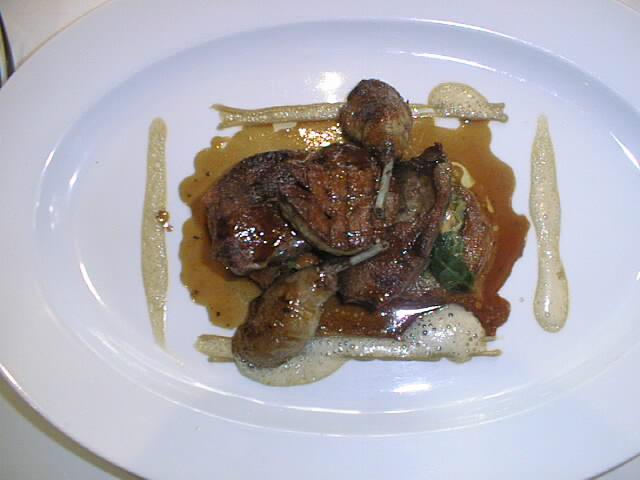


Spike invited me to dine with (his mate Stephen Fry) at Richard Corrigan’s restaurant Lindsay House in Soho, (formerly at 21 Romilly Street, Soho, London, W1D 5AF)
This was more like a club or a house than a restaurant you rang the doorbell to enter its a quite cosy little place, it was claimed in 1998 or 1999 to be the best deal in town considering general ambience, food creativity, and the price for a 3-course lunch.
Apart from the wonderful company, we had a great lunch :
for first I had Tomato and Melon Gazpacho with Langoustines or red and orange pepper’s gazpacho mixed with “langoustine milk” crushed langoustines shells bisque mixed into the Gazpacho adorned by a quenelle of green herb pesto (I Think, it’s been a long time…)
and for main I had ‘a favorite of mine cooked to perfection Pigeon.
From Here we went to the Groucho Club just around the corner at 45 Dean Street, Spike is one of the founding members and can get in visitors, me.
After a quick visit to the bar, off we moved to the Billiards room where we had a long doubles session with Stephan Spike me and Simon. A fun day indeed.
Bibendum at the Michelin House
81 Fulham Road London SW3 6RD
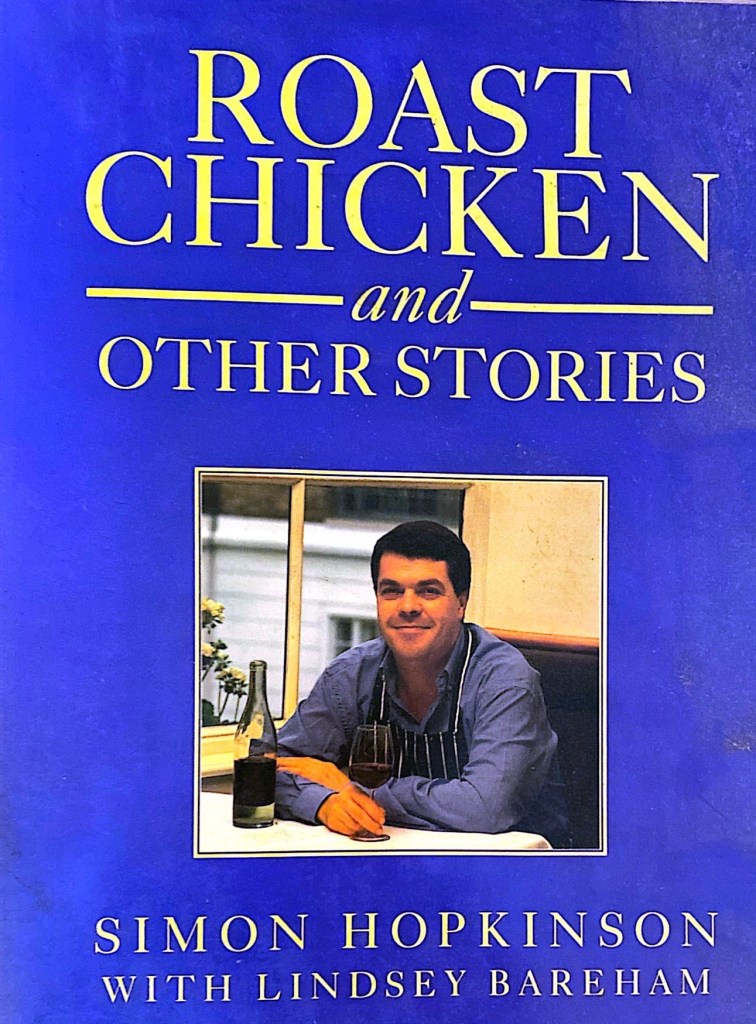
Chef Simon Hopkinson is yet another friend of Spikey… He knows all the right people, good for me \ us, he arranges, we Enjoy I top the bill (only right so!), this is between Spikes’ first flat in Brixton, and my place in Pimlico so we meet halfway Yet another meal that got to be published (in Hebrew) in Magazine “CHEF” I was writing monthly at the time.
When Simon’s book Roast Chicken and Other Stories, 1994, came out Spike sent me his complimentary copy (for old times’ sake)
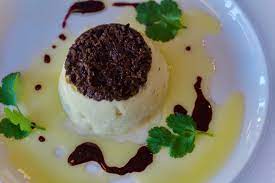
Kensington place – Rowley Leigh another acquiescence of Spike, serving modern British food in deliberately informal and noisy surroundings, very much like a London version of a French neighbourhood brasserie serving my favourite dish at the restaurant: Chicken and goats cheese mousse – olive Tapenade. I begged Spikey to get me the recipe for this dish from Rowley. When it arrived, this small savoury mousse, turned out to be quite a complicated and time-consuming dish to prepare if you follow the instructions to the letter. DELIGHT!
River Café
Oy I’m off to cut hair for the Rogers family, Ruth Rogers wife of Richard Rogers THE architect. She took over a disused warehouse building next door to her husband’s Offices by the river and turned it with a friend Rose Gray, into an Italian Restaurant. I did not need an introduction as it has already been a well-known establishment. While waiting for Spike to finish his grooming chores, I enjoyed watching the gathering of the restaurant staff for their pre-service lunch of plain pasta in butter and Sage tagliatelle with Greens side salad and final instructions for the coming service.
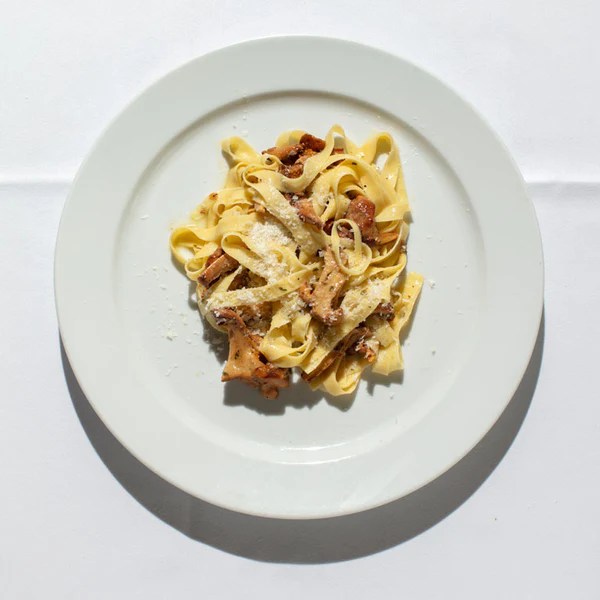
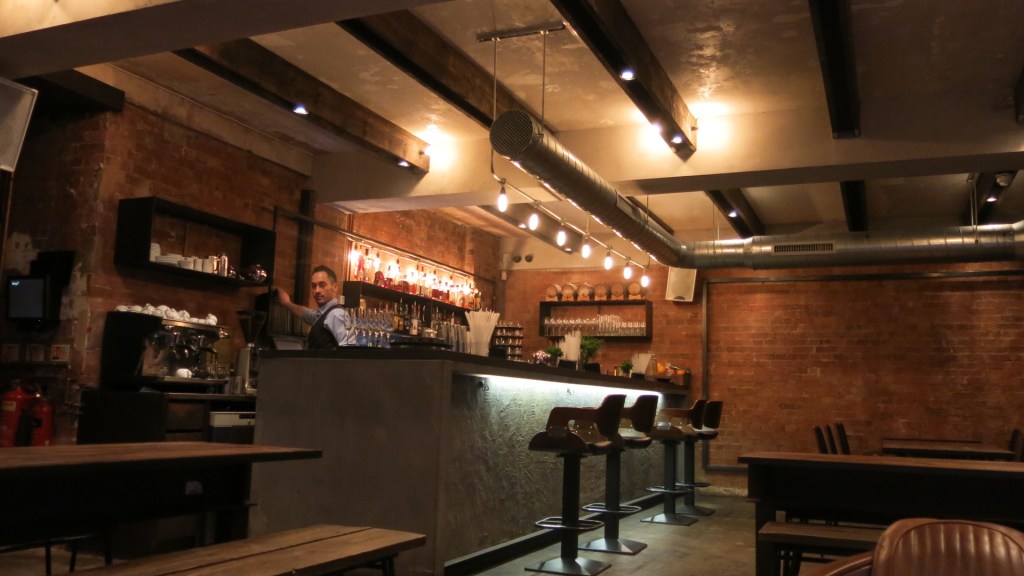
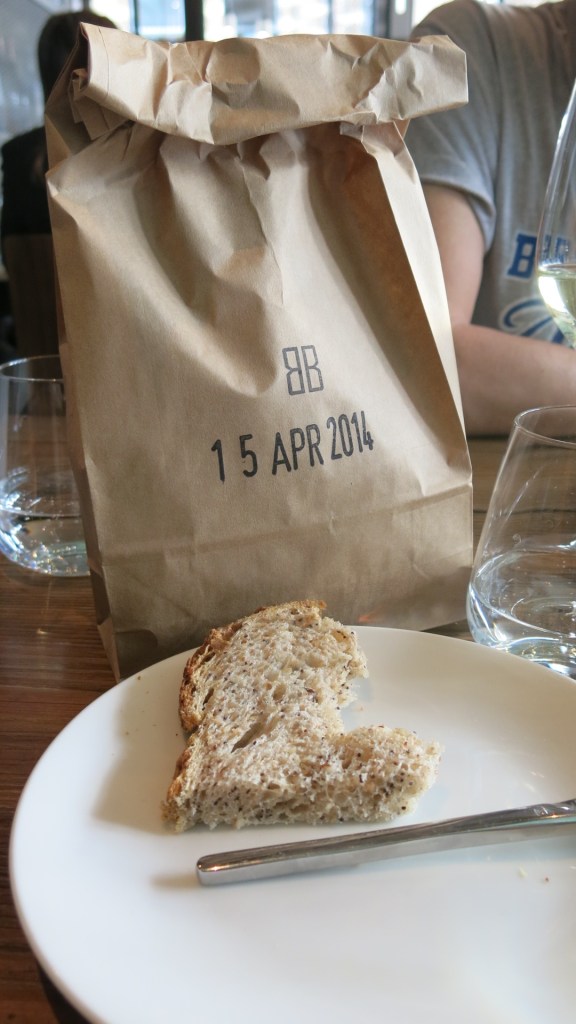
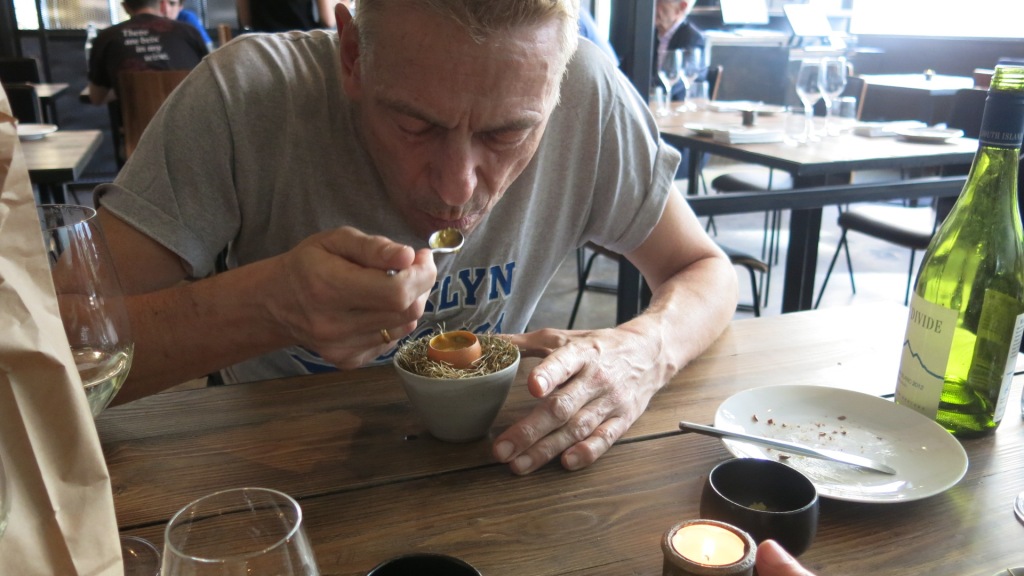
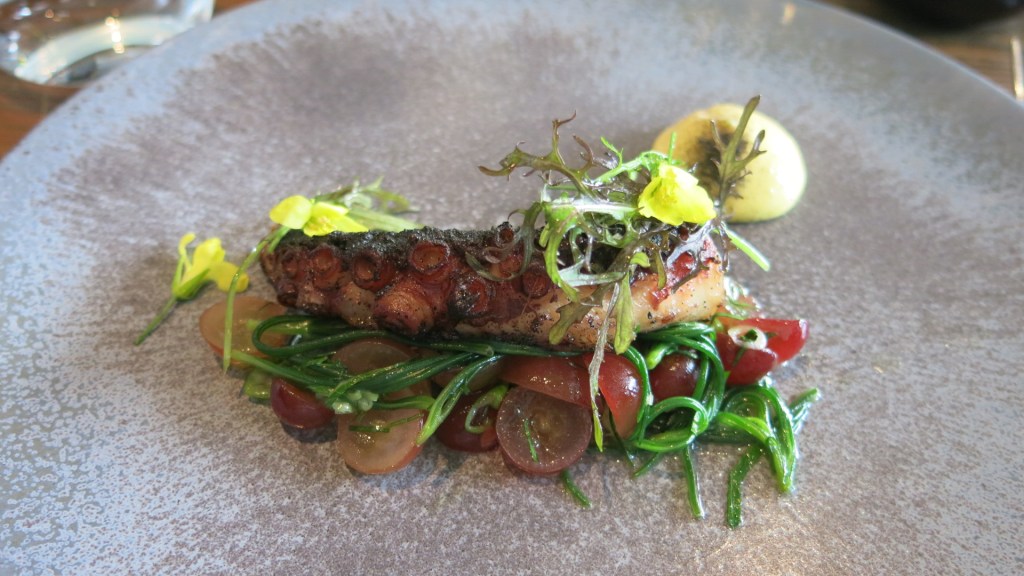
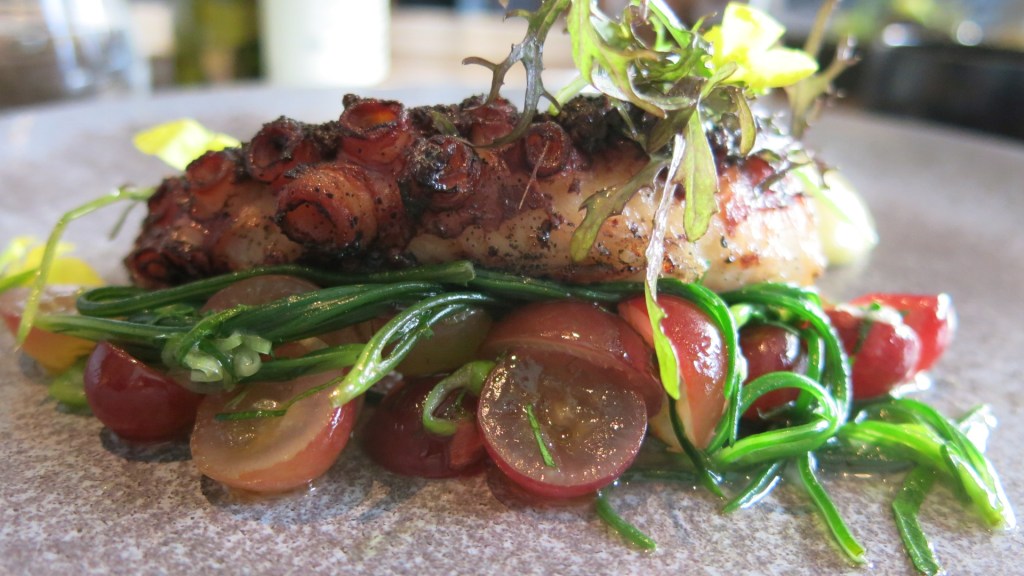
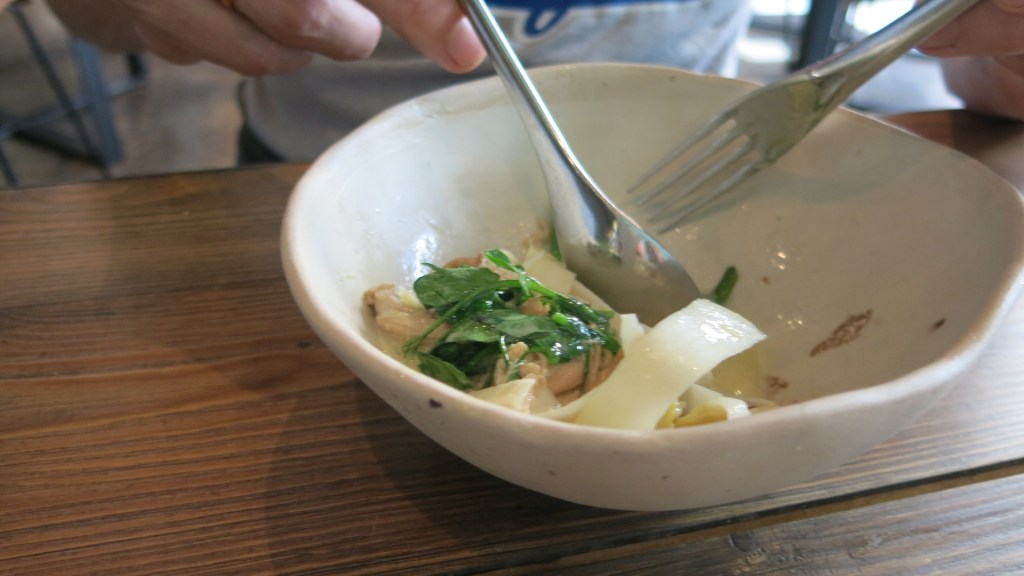
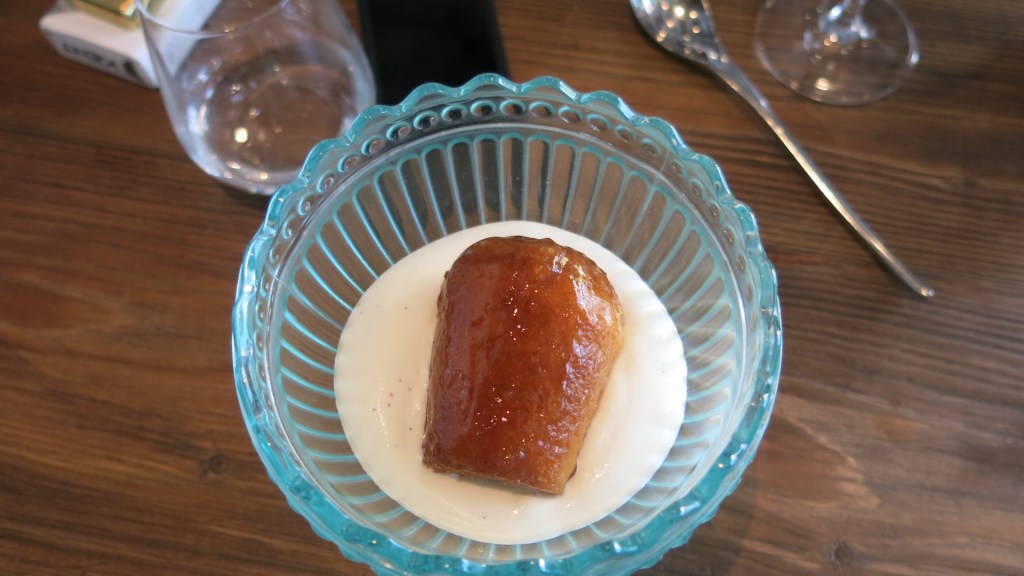
The Ledbury – another lunch this time in Photos
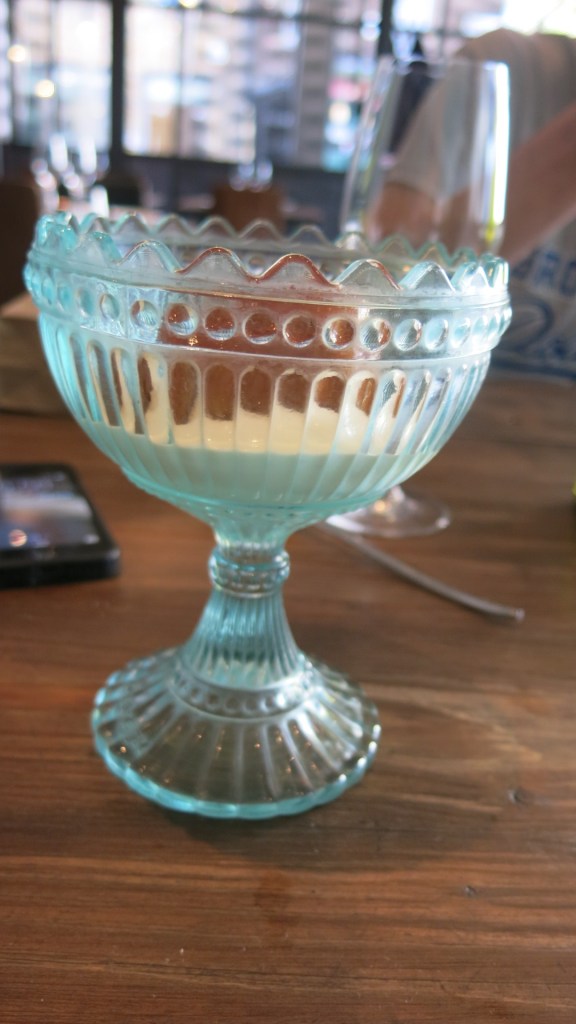
We treated ourselves for pudding with a 1950 BANYULS what a delight of a dessert wine at over 40 year old a nectar which would easily keep for another century.
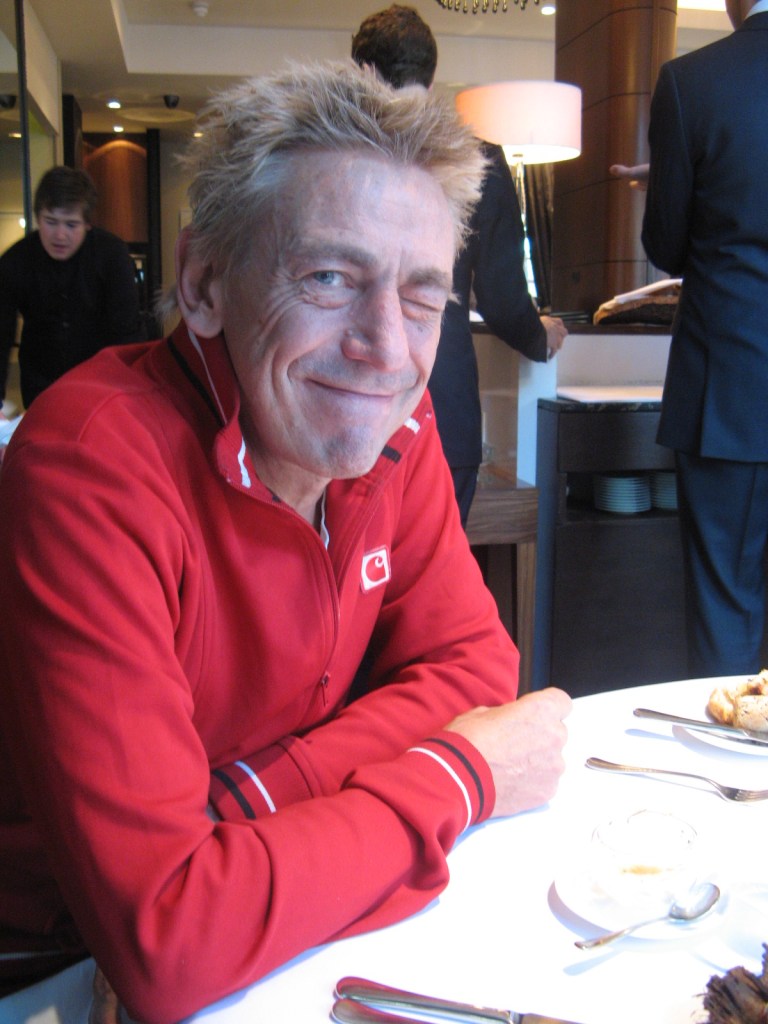
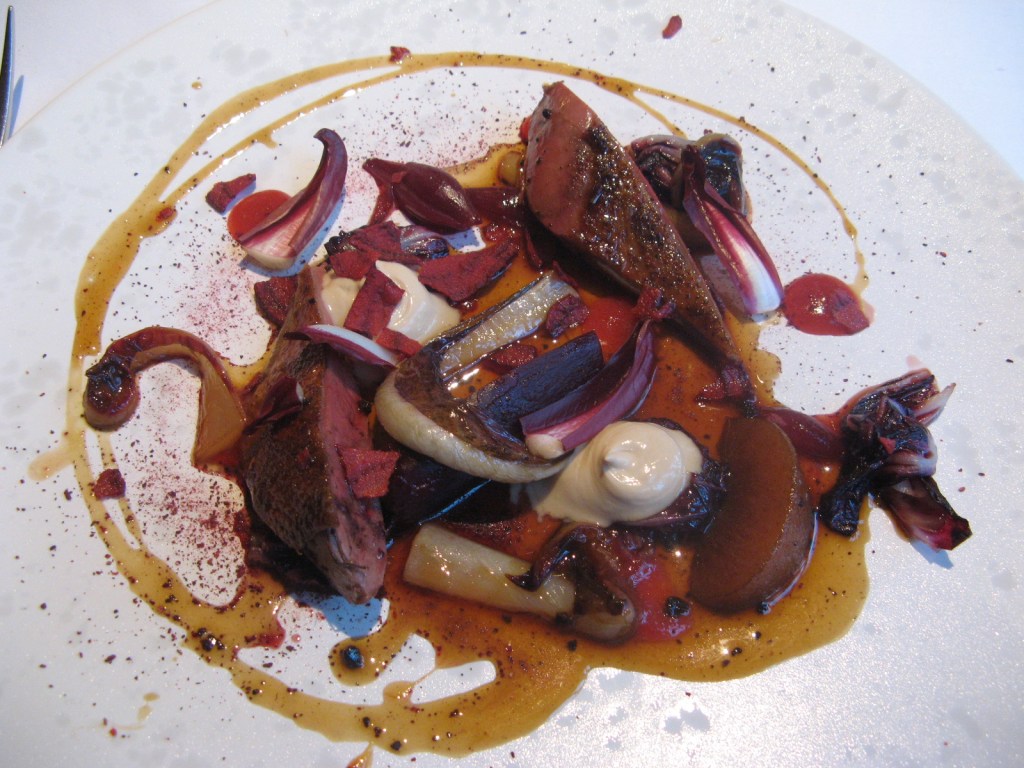


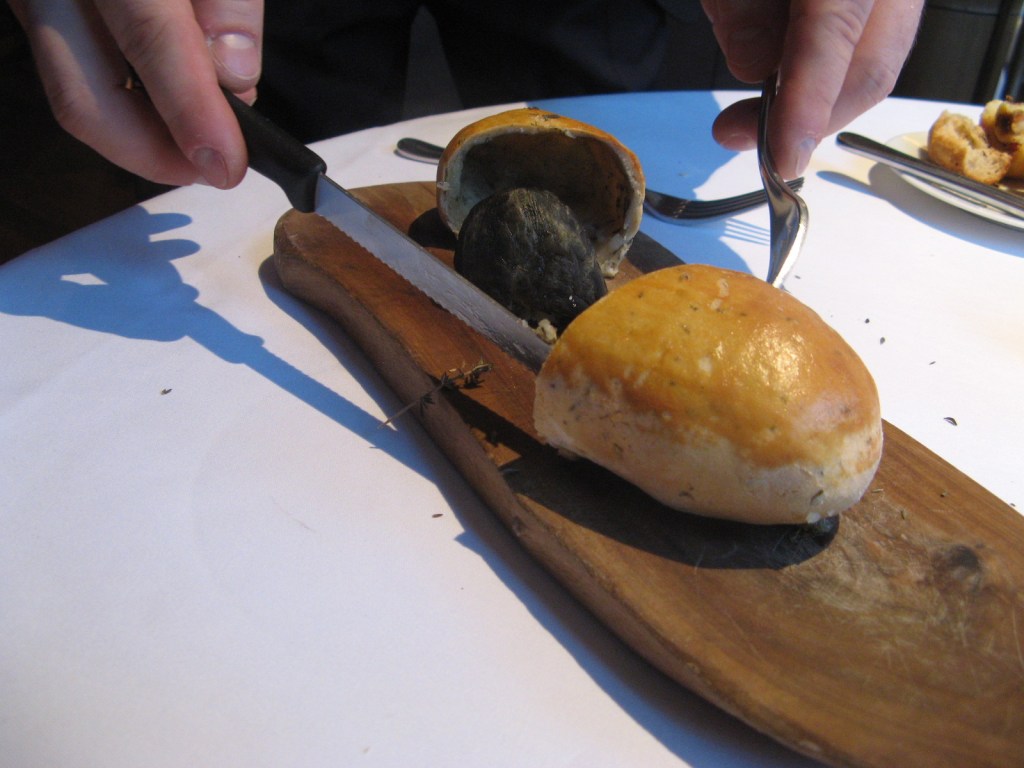
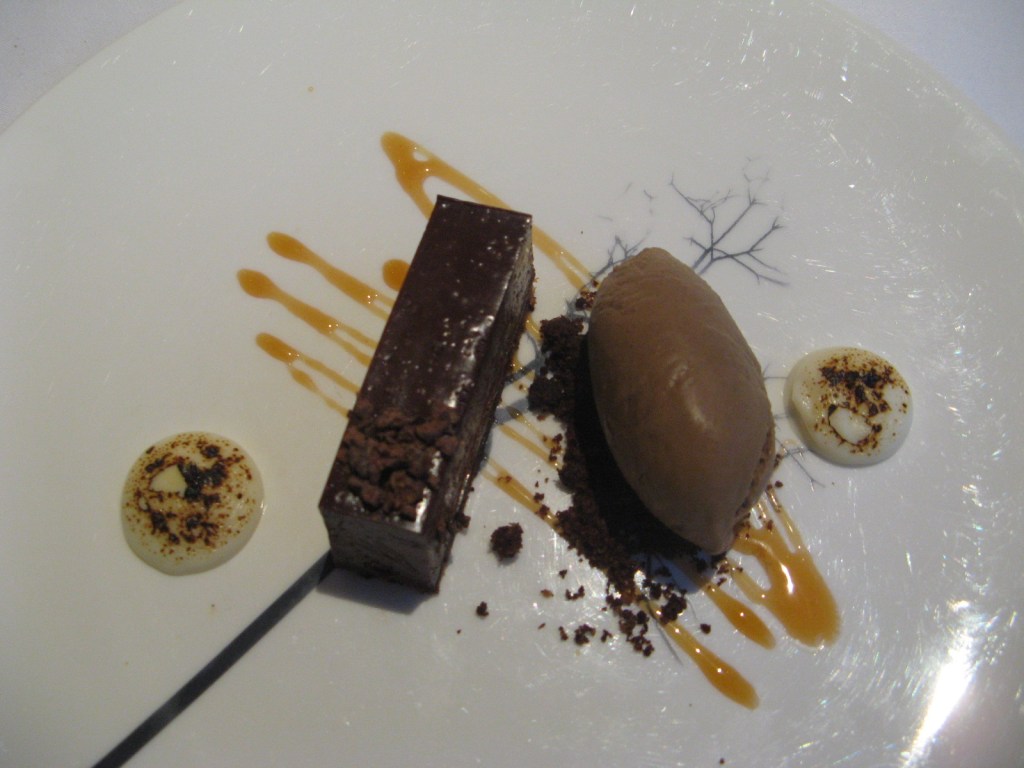
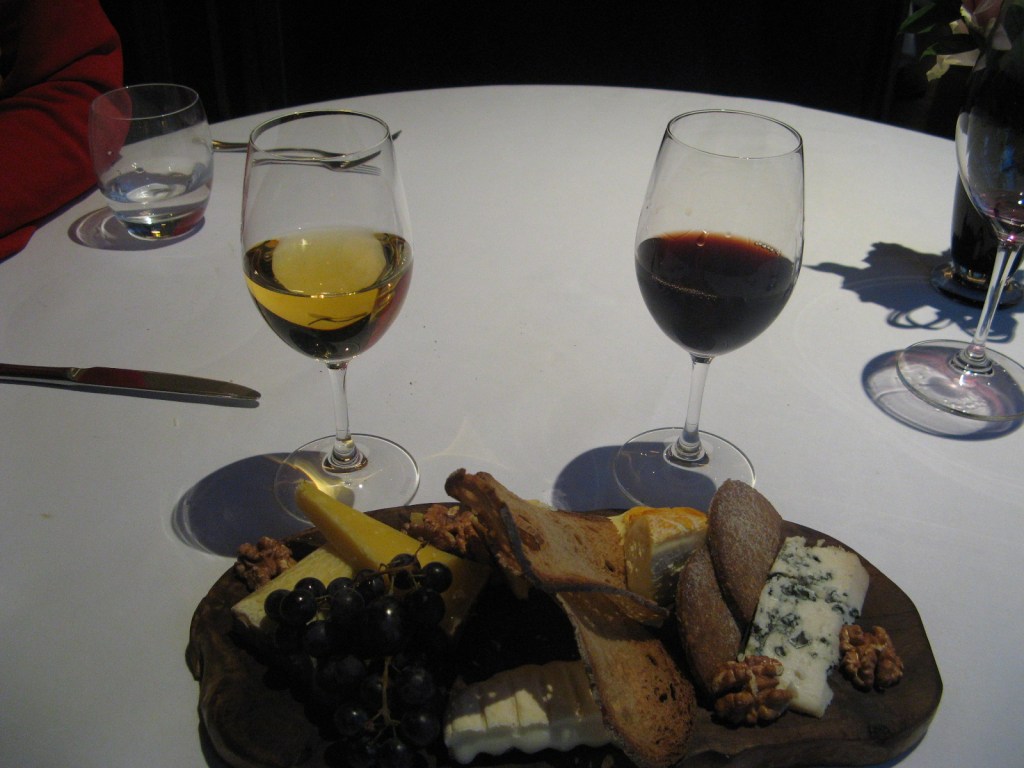


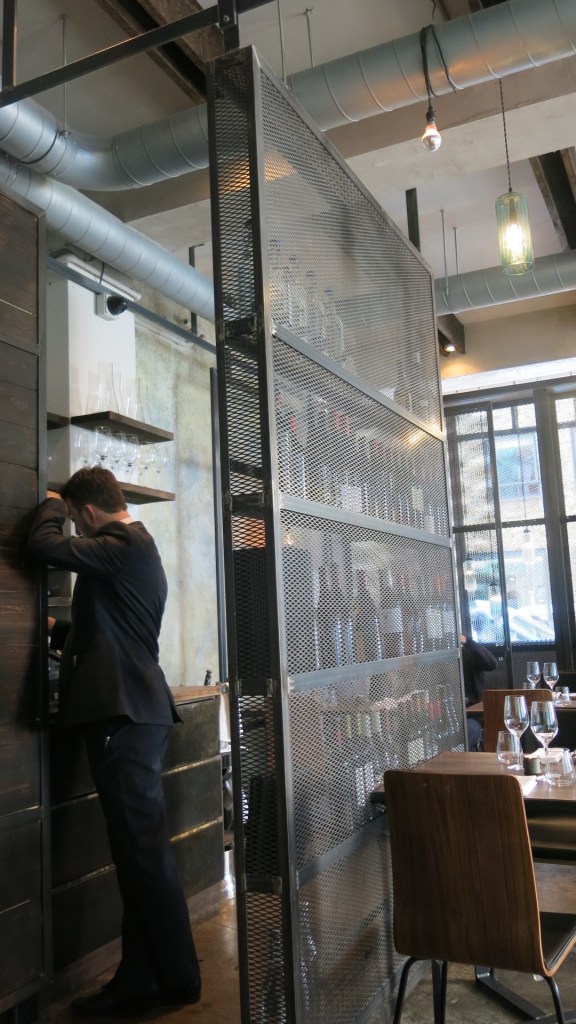
Dabos – Lunch with another good friend of Spike, Varda (my wife ), we waited for him by the table, used to him not being the most punctual person, when all the time he was enjoying one or two of their Special Very Hot Bloody Mary at the Basement Bar. The rest in the Photos that follow.








Hummus and Falafel at Abu Shukri , the old city JERUSALEM
In my mind The best Hummus in Town !!!



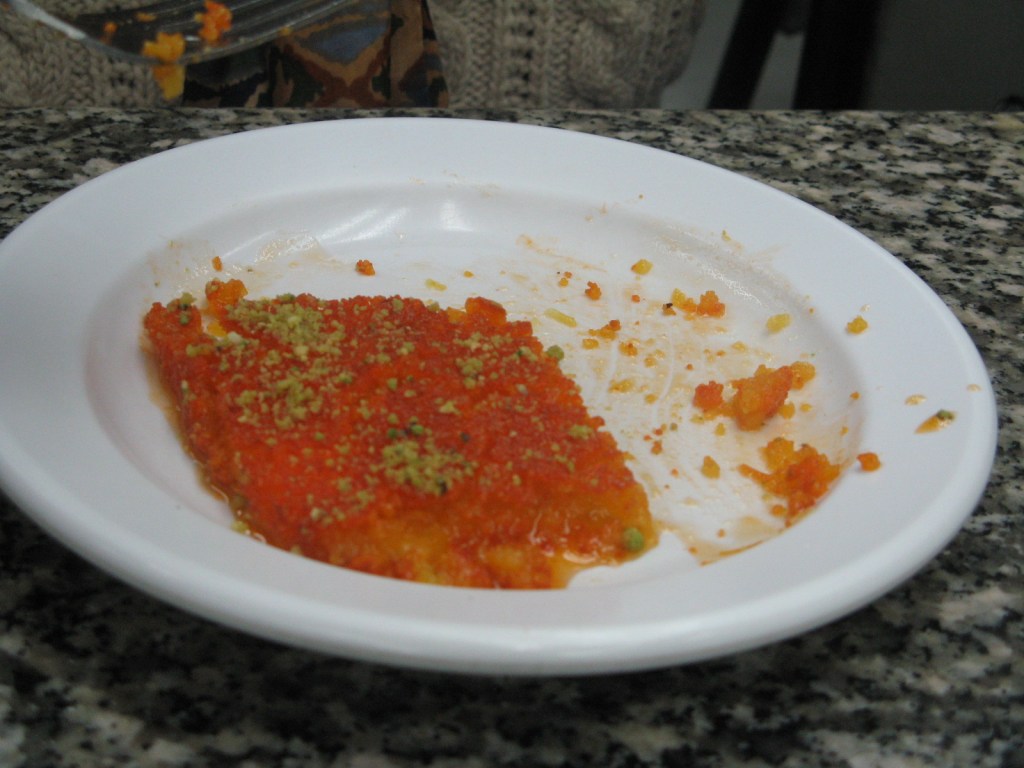
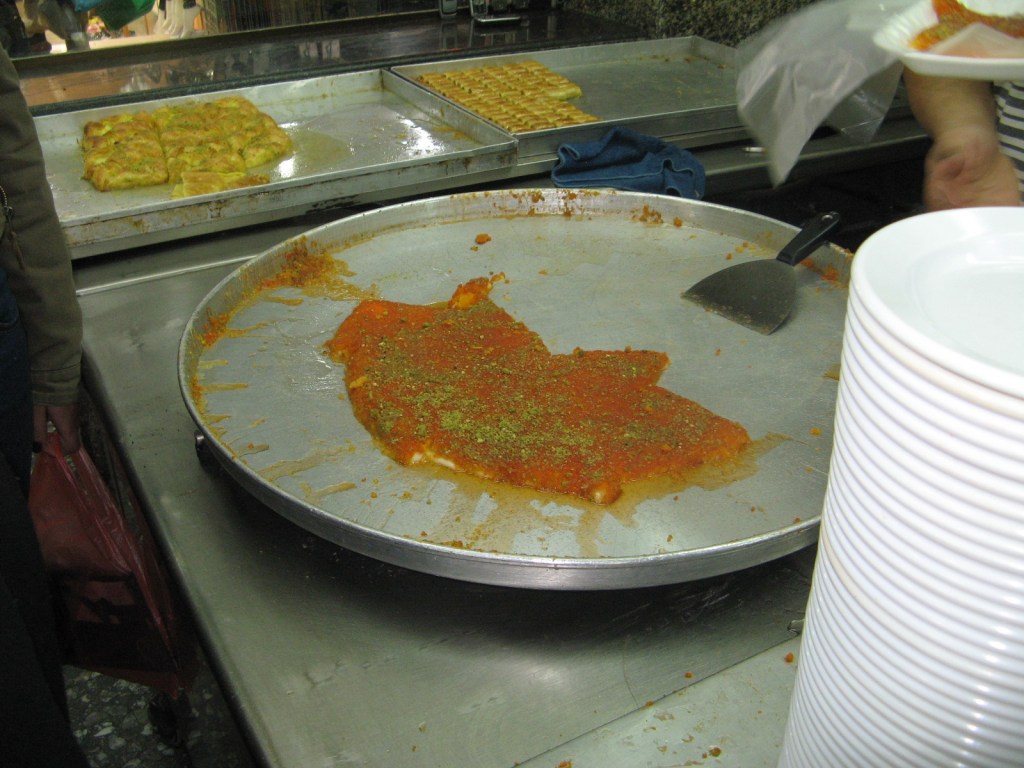
A meal at Abu Shukri cannot be complete without a Kunafa (Knaphe in Arabic) and Baklava at
Jaffar Sweets – Khan Al-Zeit Street, Old city Jerusalem (take a right turn at the fork down Nablus gate towards the Via DOLOROZA )



A meal at A Wong – Forbidden City
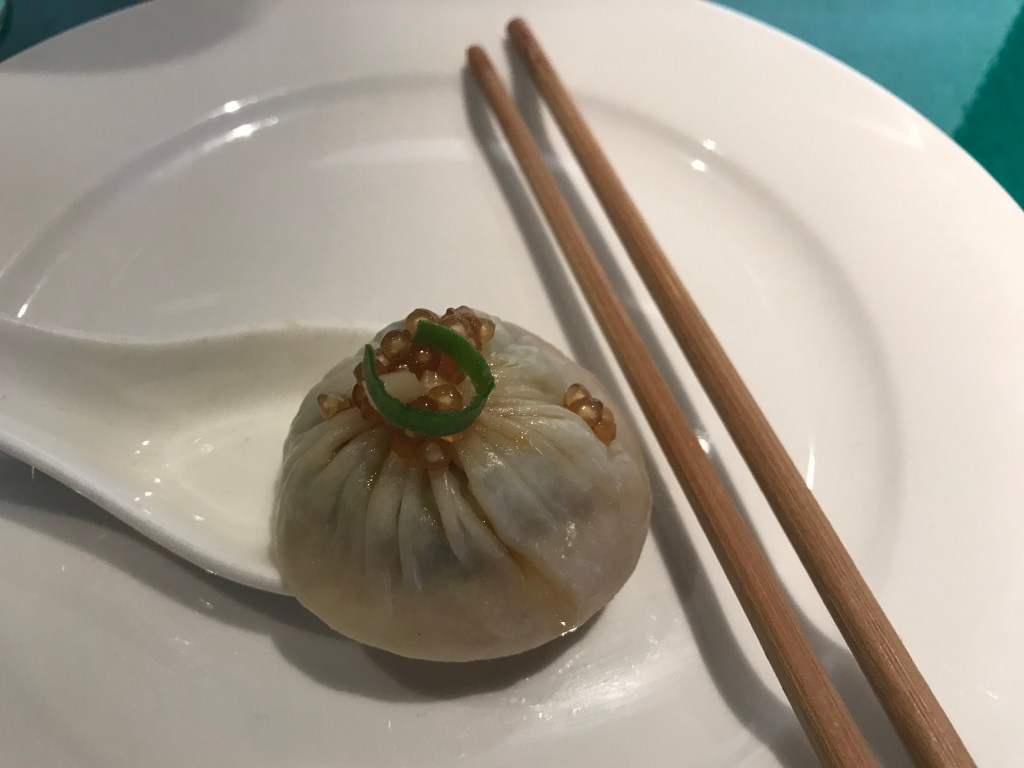
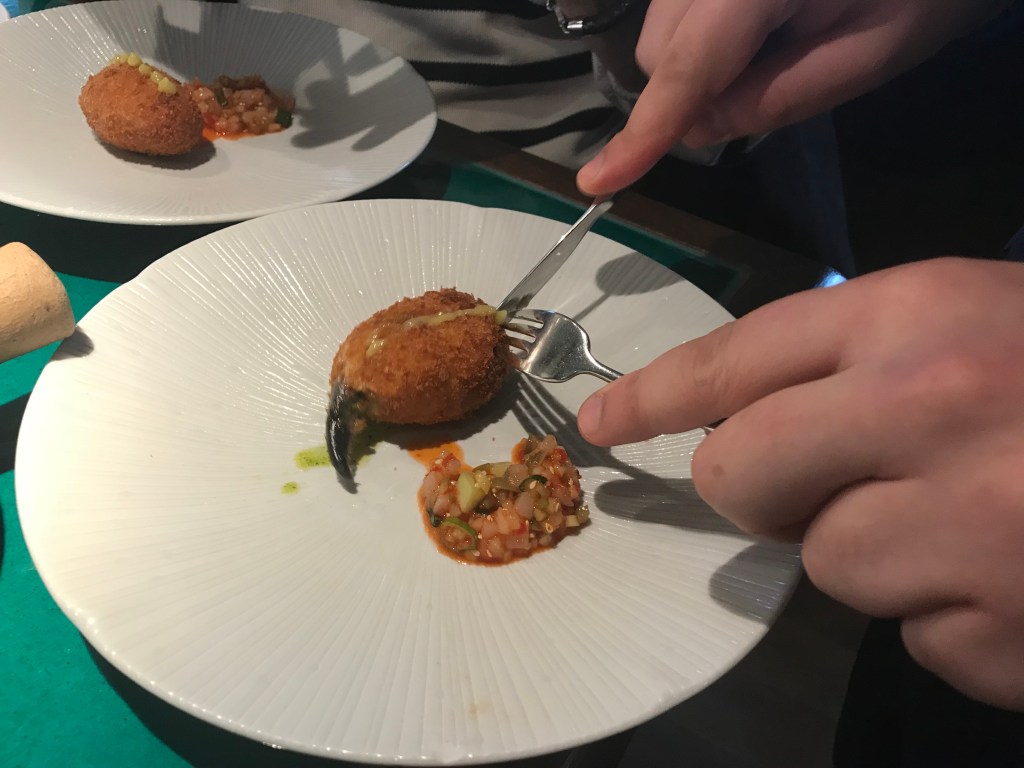
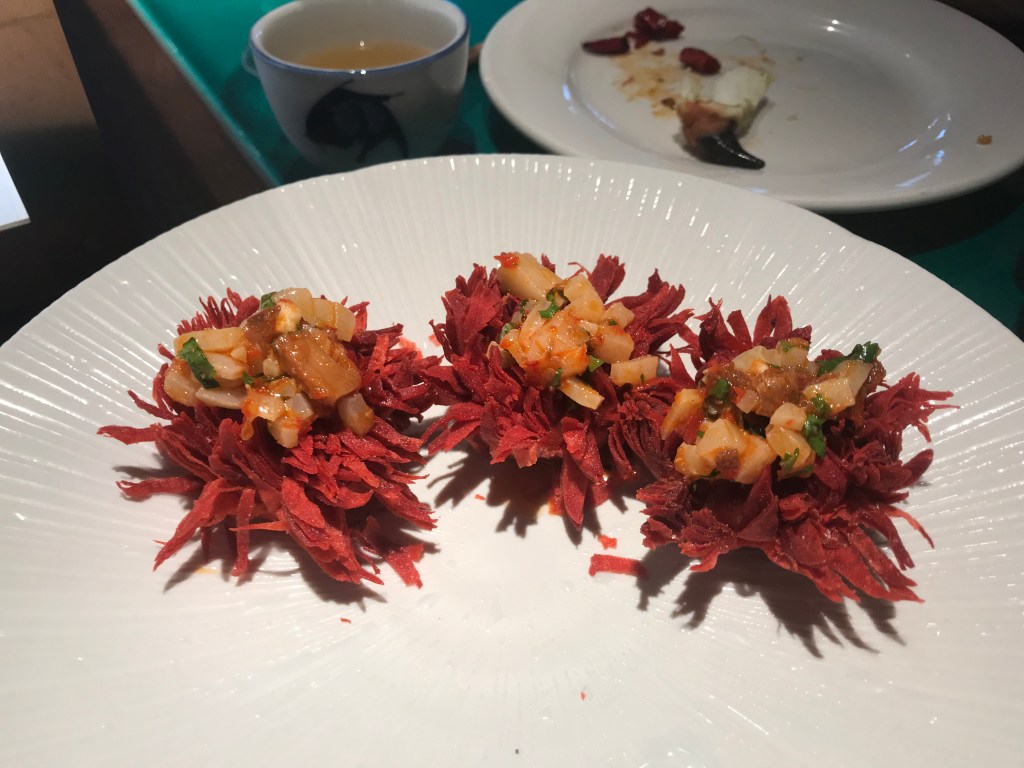
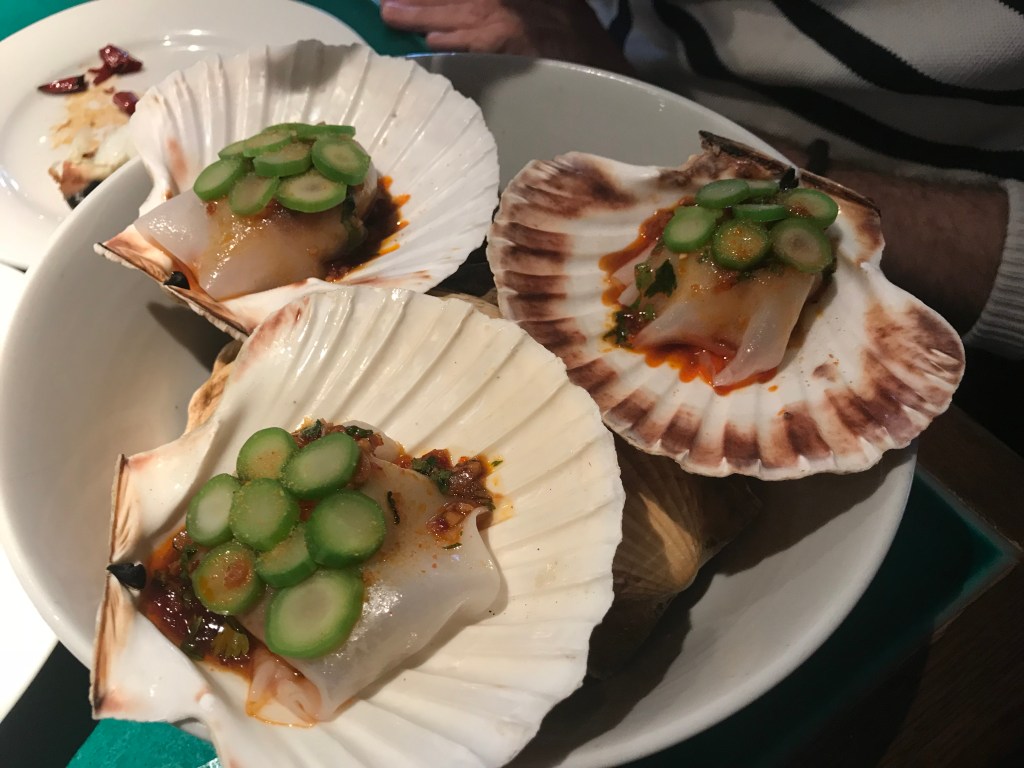
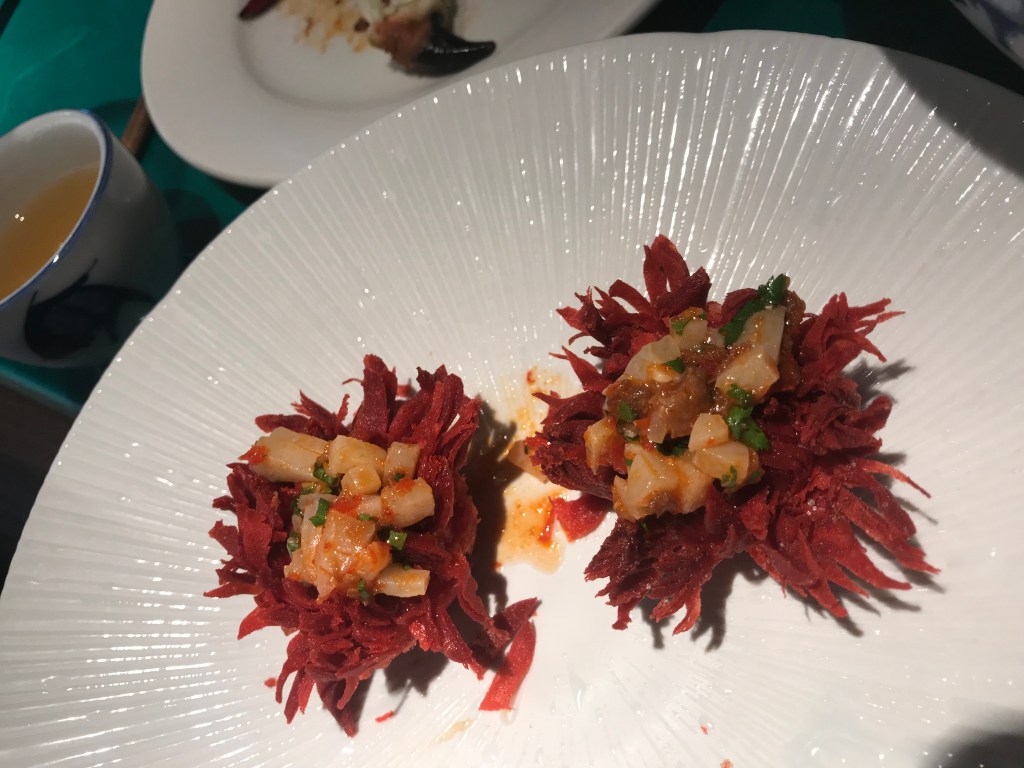
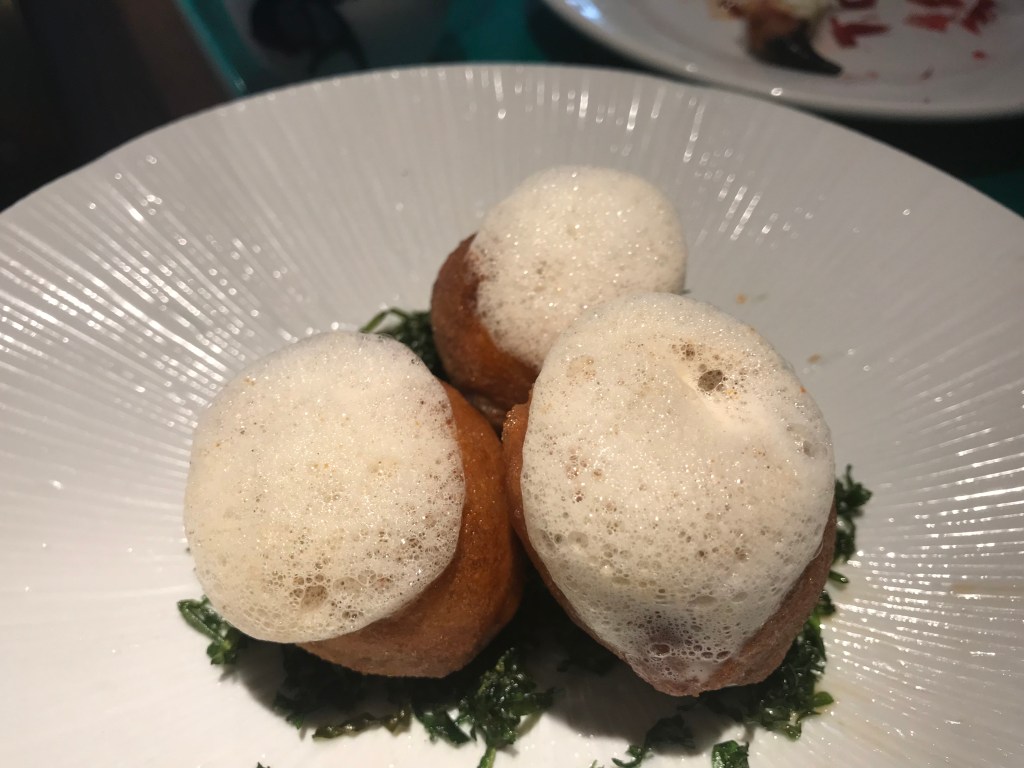
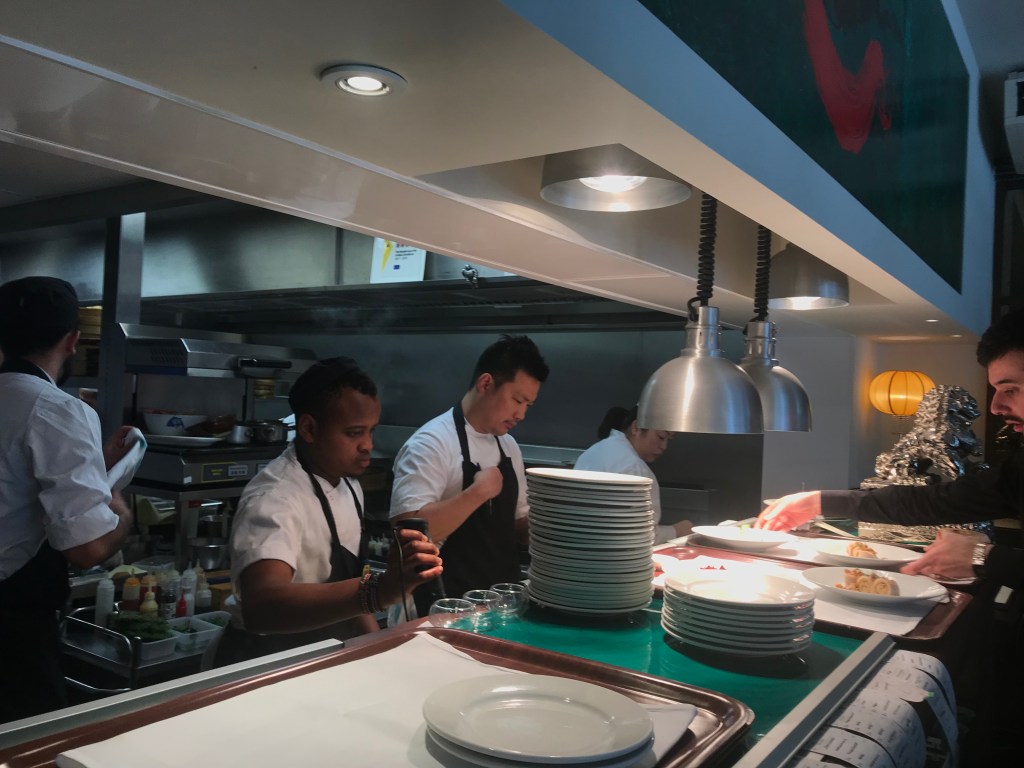
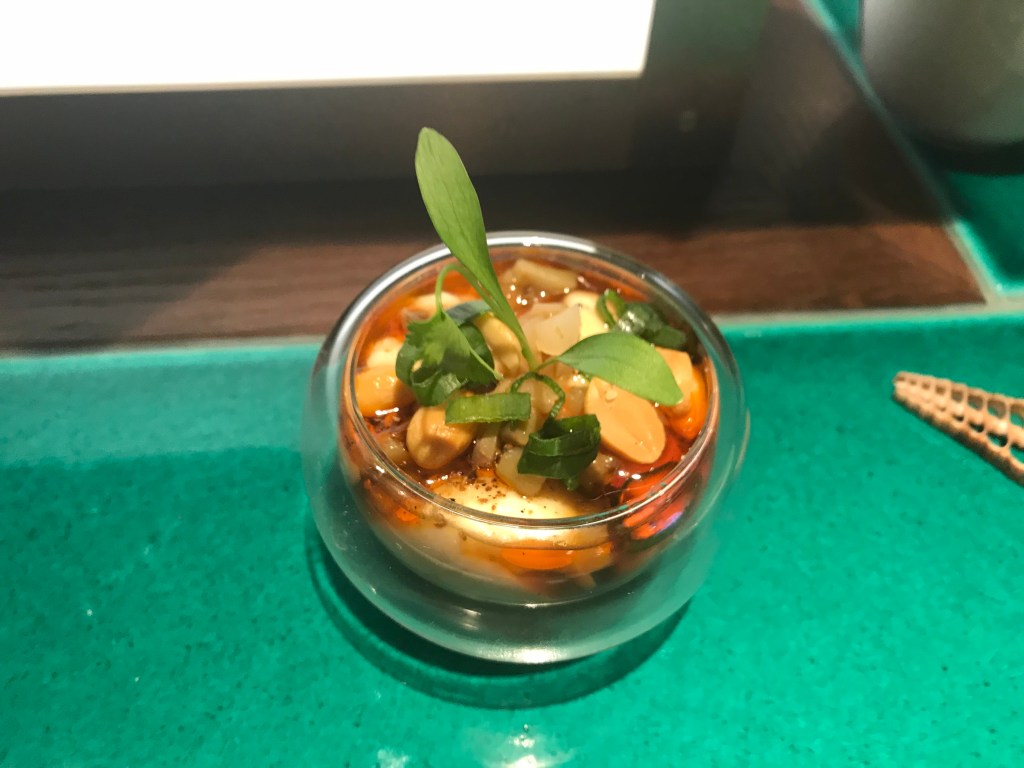
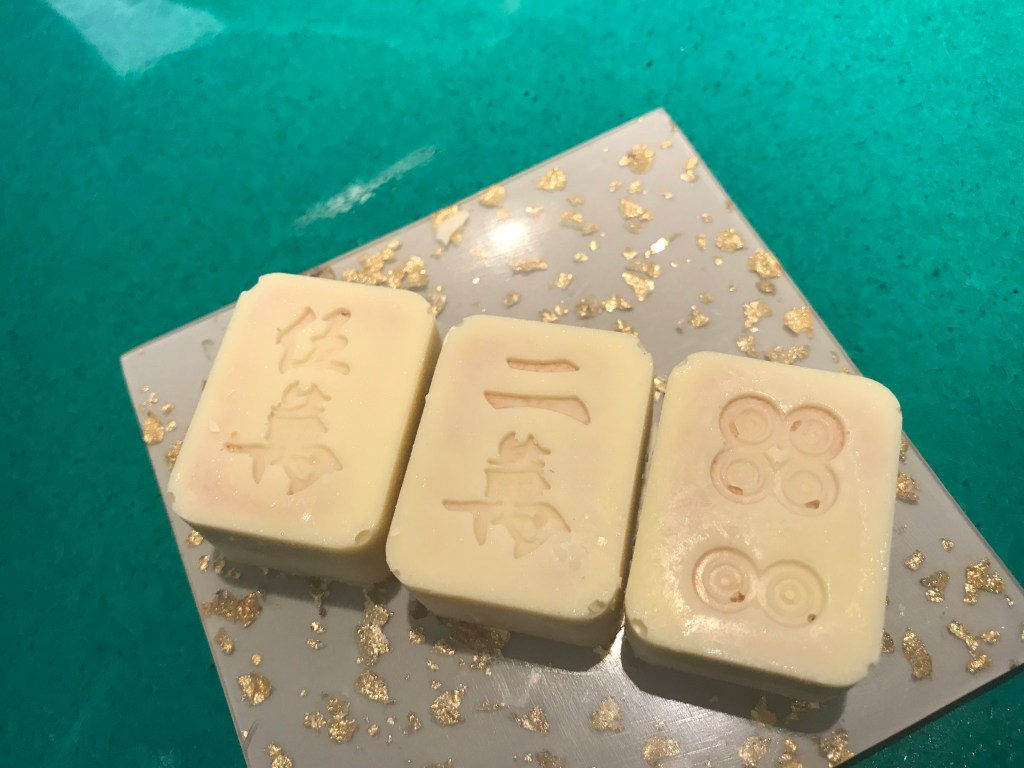
in my book the best Chinese / dim sum in Town by Far (now at 2 Michelin stars) what a meal, a tasting menu left for Mr. Wong to choose. Traditional Chinese dishes in disguise Rabit meat as a carrot, a mushroom that is not a mushroom and many other surprises.











Some other restaurant dining, with SPIKE you can read in the following blog posts :
https://wine4soul.com/2012/05/27/lunch-at-the-fat-duck/
https://wine4soul.com/2013/06/21/lunch-dinner-by-hb-part-1/
https://wine4soul.com/2013/07/01/lunch-dinner-hb-part-ii-main-dishes/
https://wine4soul.com/2013/07/08/dinner-by-hb-desserts/
https://wine4soul.com/2013/06/09/restaurant-story-london/
https://wine4soul.com/2013/08/14/a-matter-of-the-heart/
Quite rightly Spike said: “Heston Blumenthal must be as mad as a brush!” What a load of fun… And that is the basic idea behind all this thing called food… innit?
Food at Home
On his visits to Israel Spikey used to stay with us and I used to boast some Home cooking
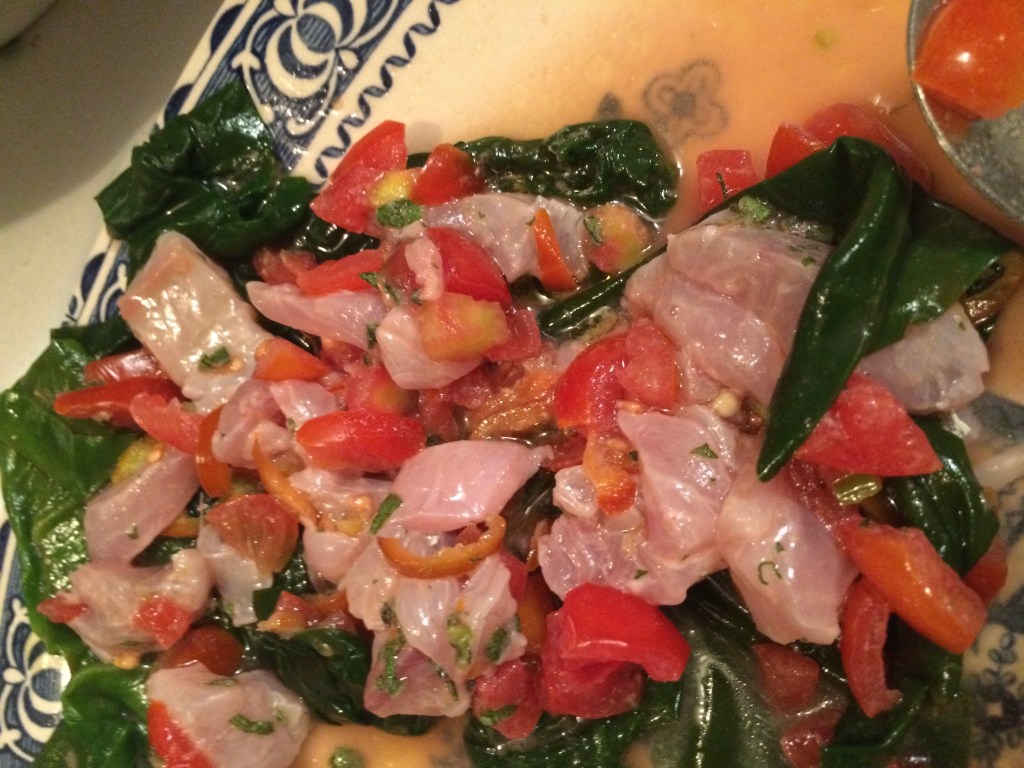

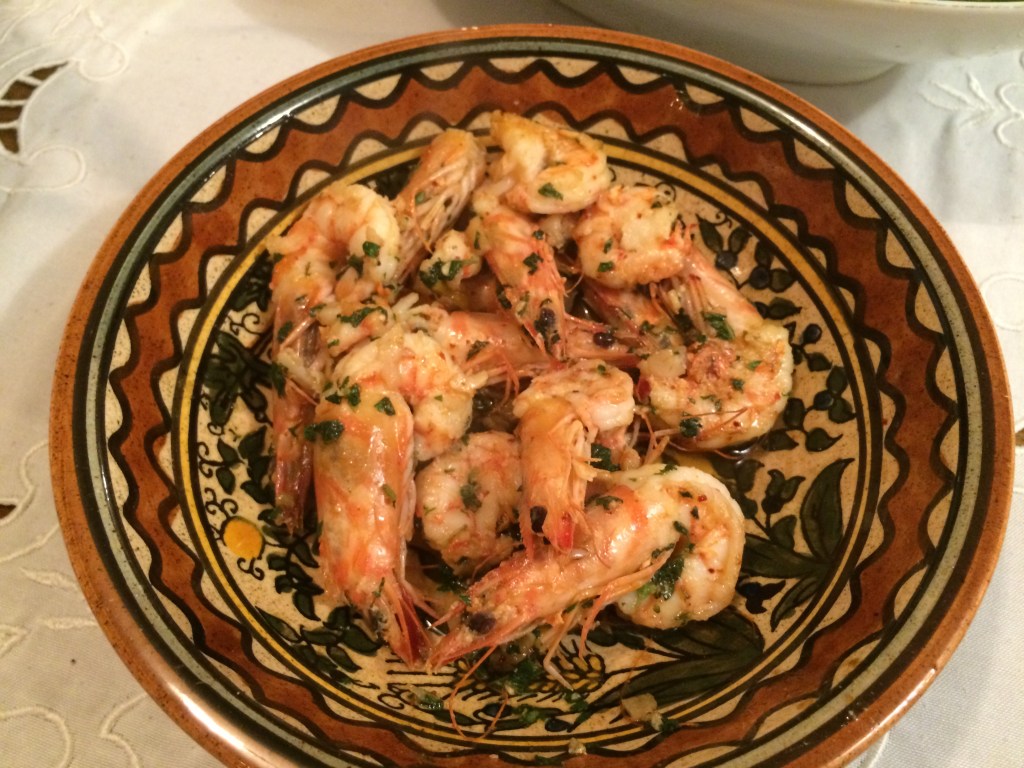

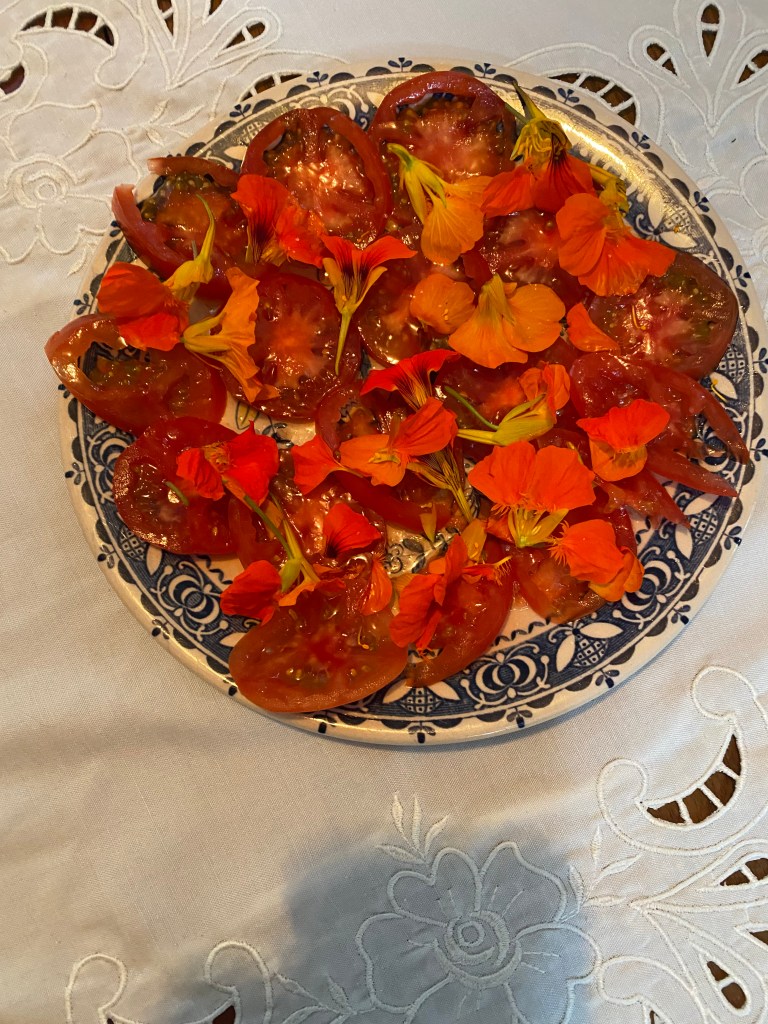

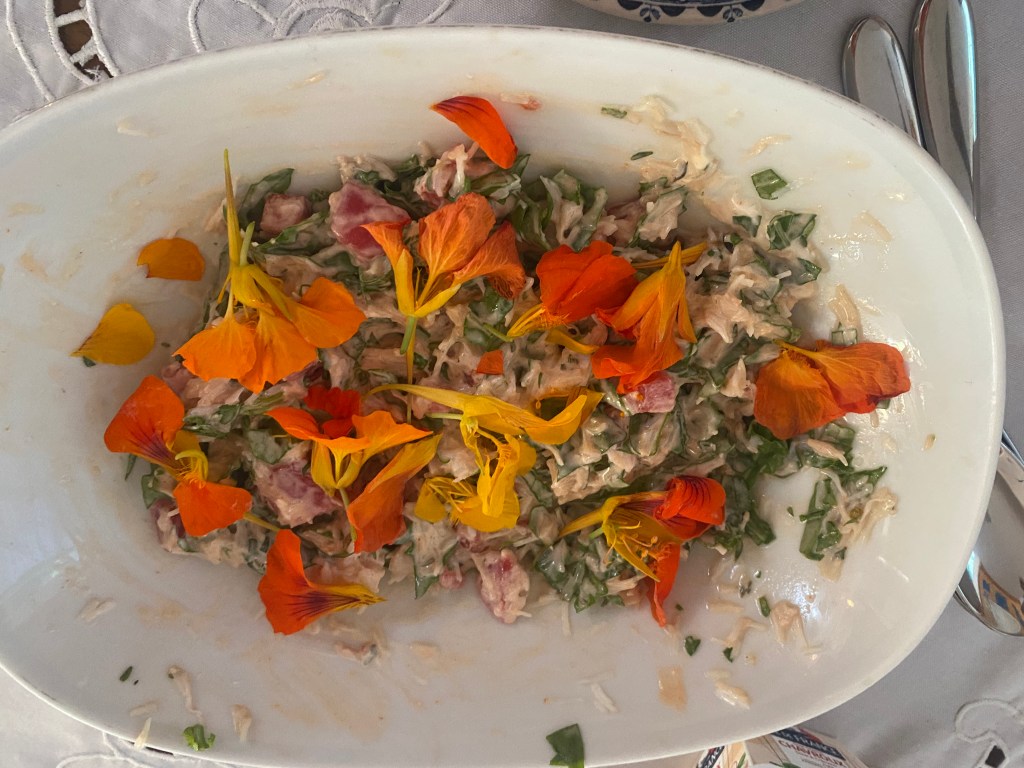


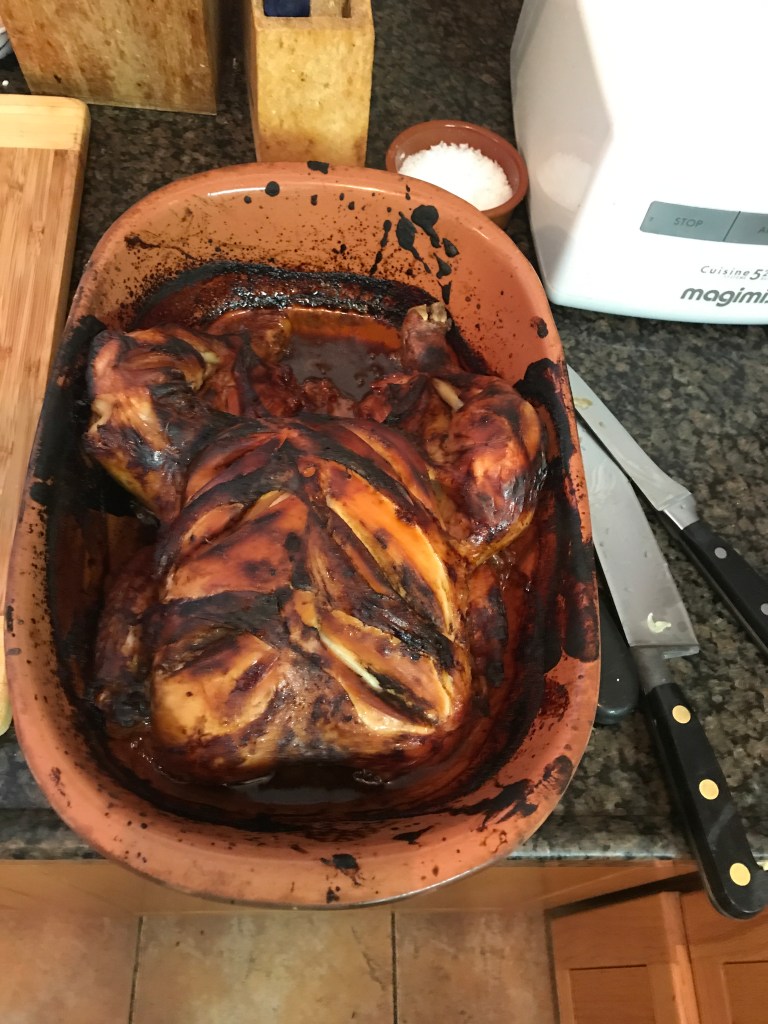

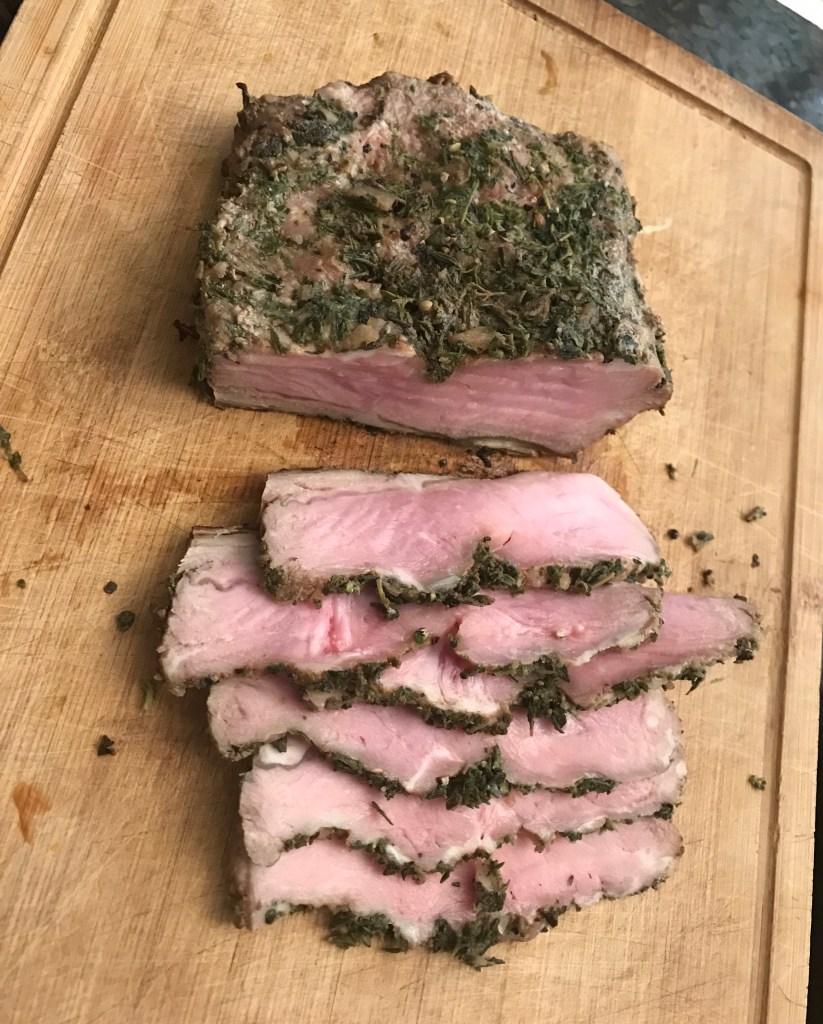


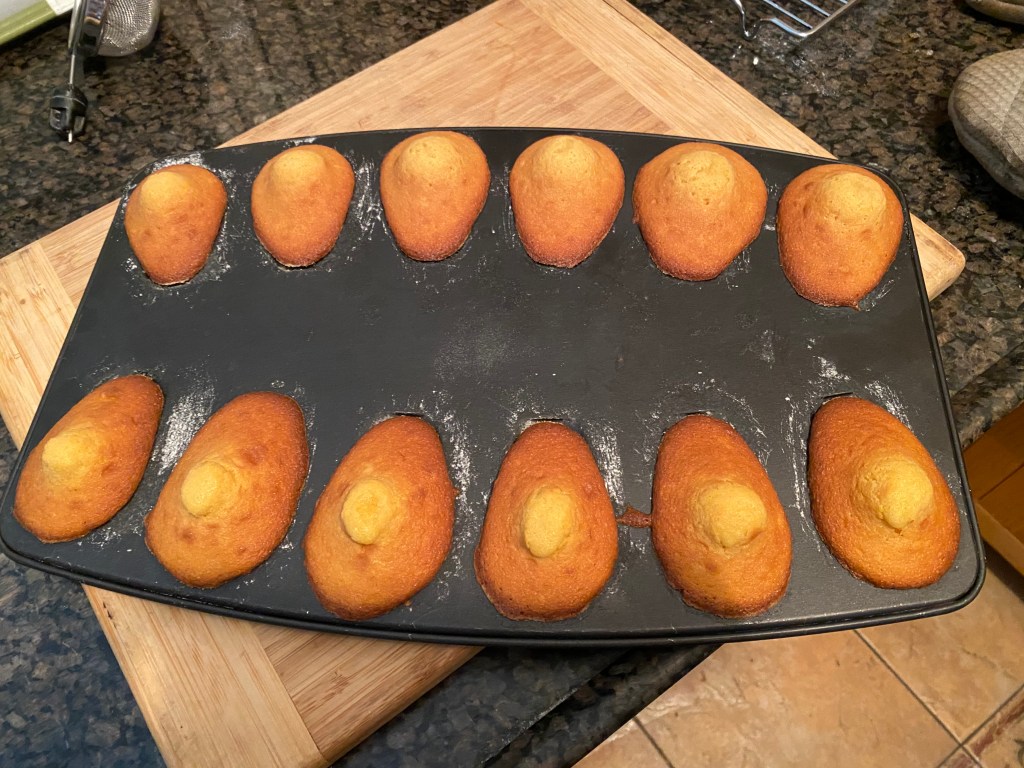


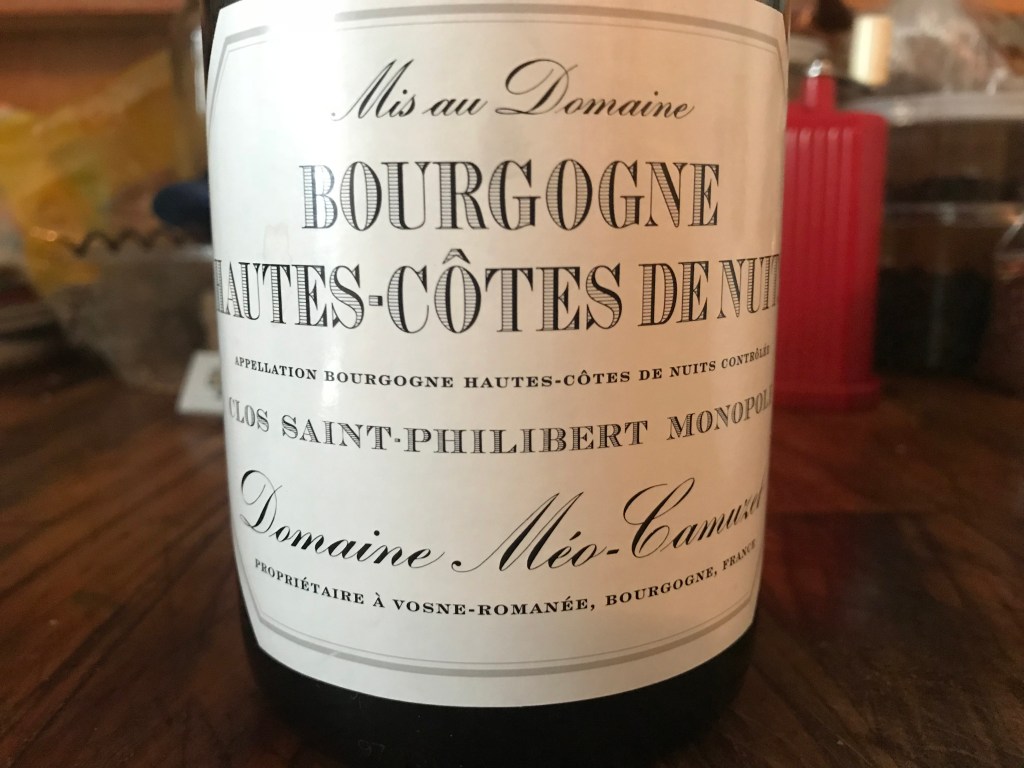


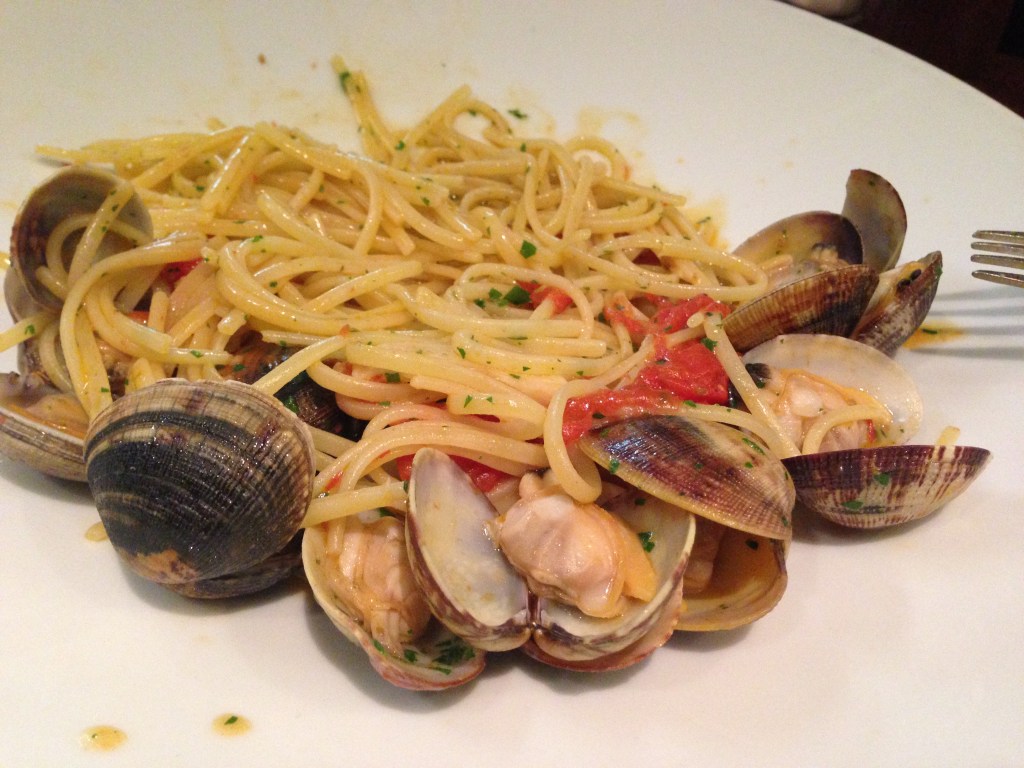

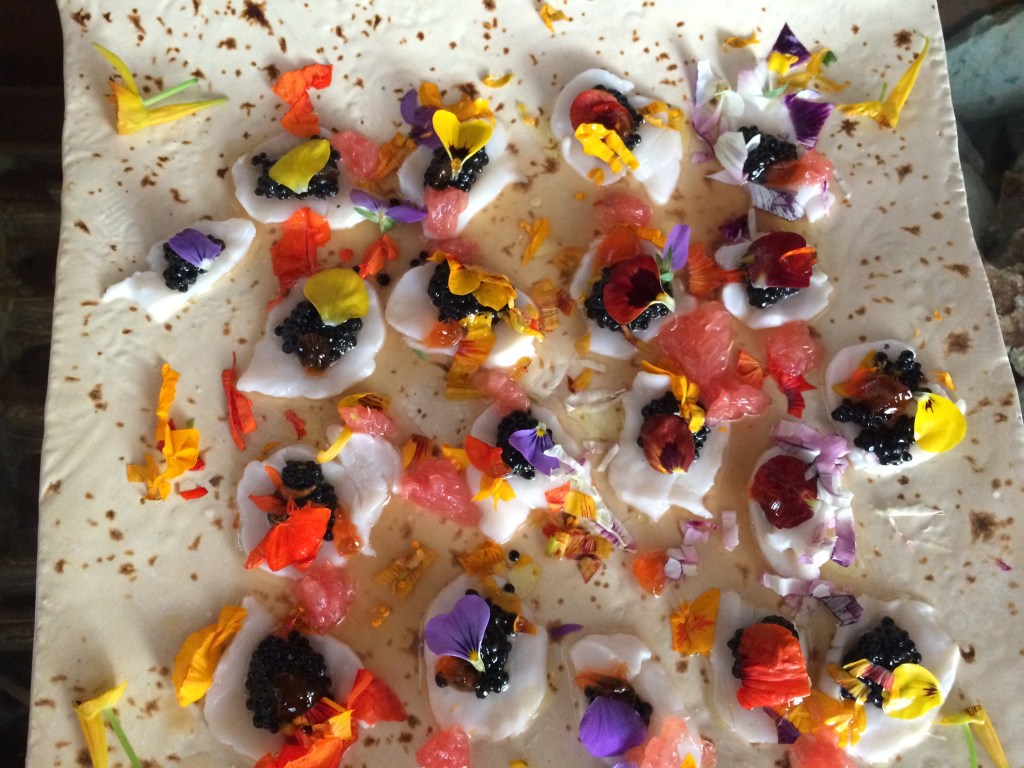


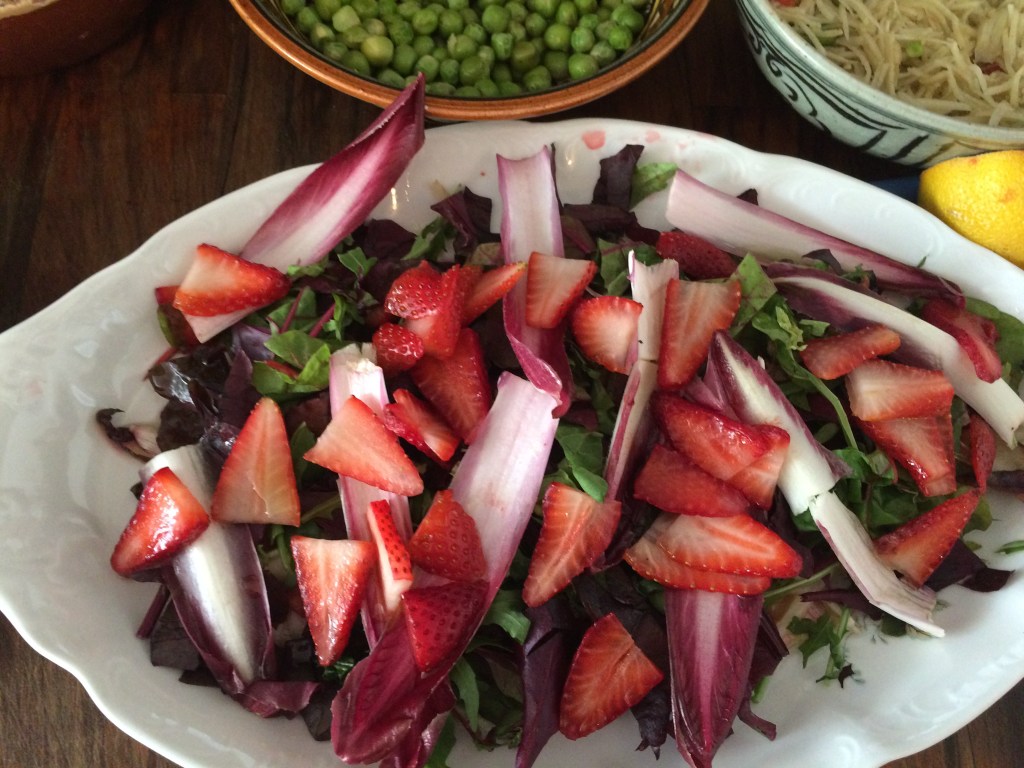


and wine from our cellar. God knows how many fine Meursaults and Montrachets were drunk through his visits to everyone’s delight.


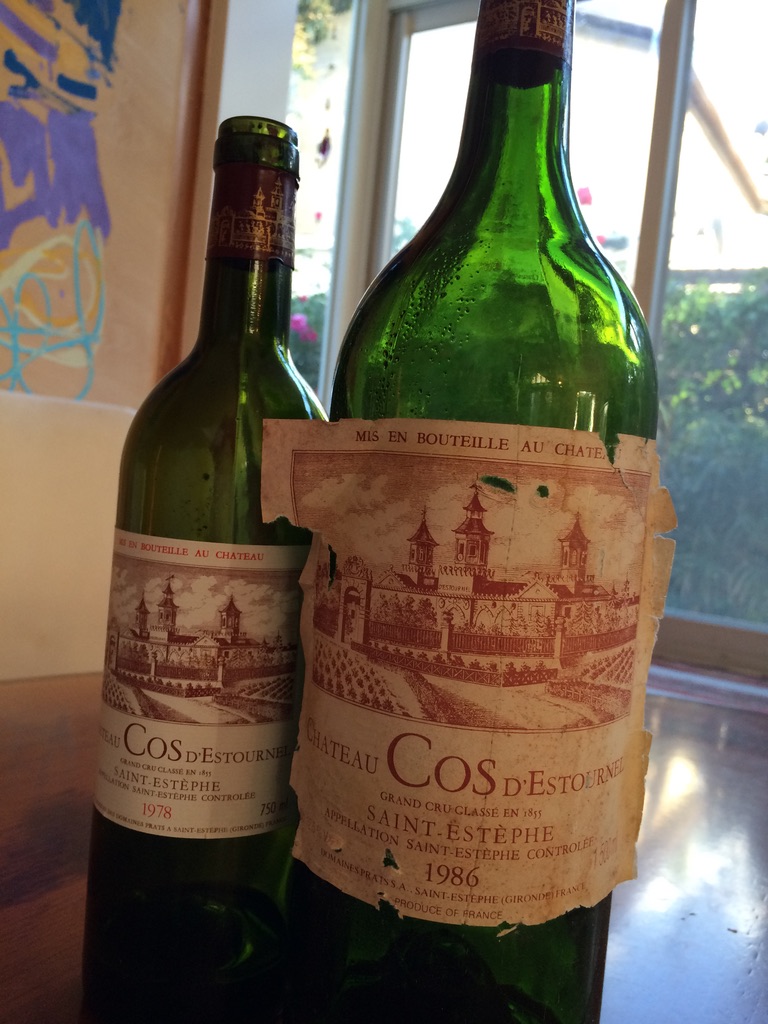


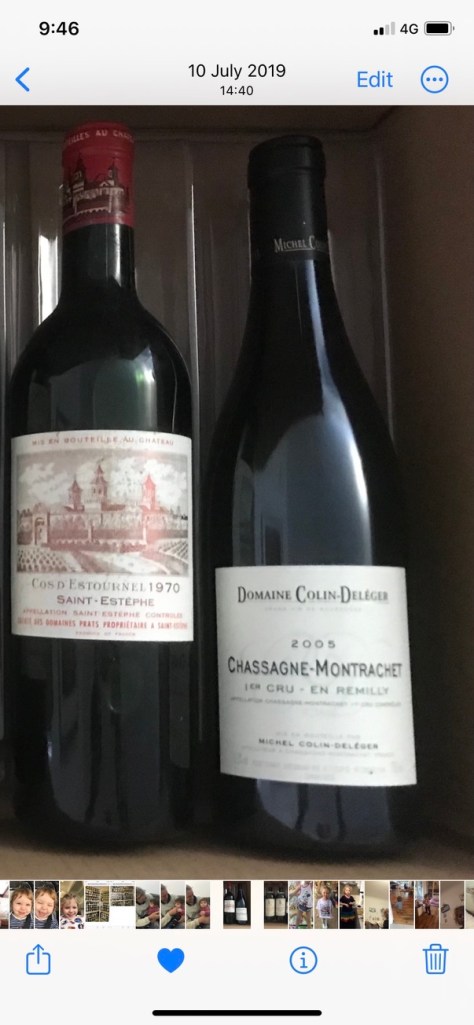
There are so many more Restaurants we have visited and enjoyed but I guess I gave you a taste of the basic idea and that should surface !!
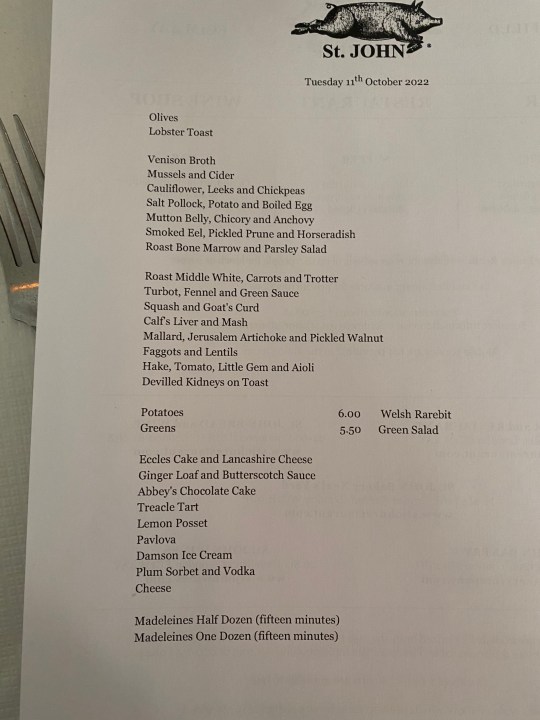
St John Restaurant, owned by another one of his besties Fergus Henderson in fact he was a sort of “family member” at Fergus and Margot house. So when the Complete Nose to Tail book was published he sent me a birthday present.


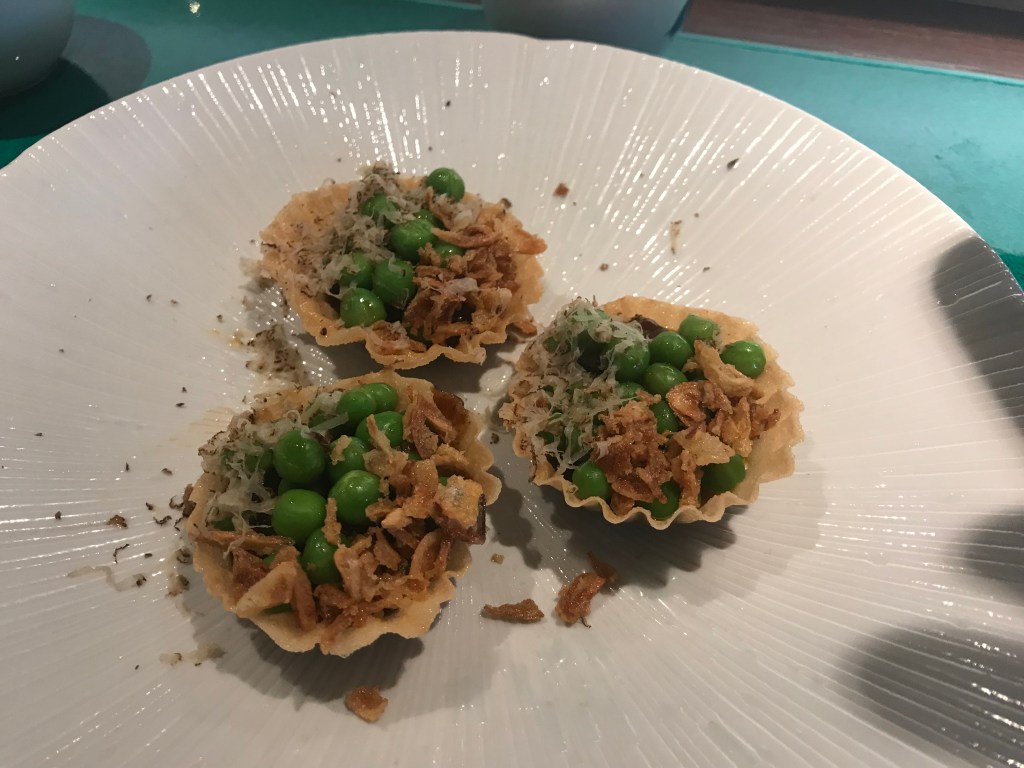
We visited St. John in early 1995 a few months after it opened, Peas in the Pod as one of the starters, a genius outrage and why not? It may seem a CHUTZPA to some of the restaurant diners but I come from the middle east, In the Arab Villages and towns, around early May-mid June green roasted chickpeas in their pod, are being sold salted in newspaper cones to the delight of all. They are called H’amla (H’amel meaning Pregnant). Basically Hummus in Hebrew.

and it was the last Restaurant we visited together (just a few months before he passed away on Tuesday, October 11th 2022) one of his / my favourite restaurants





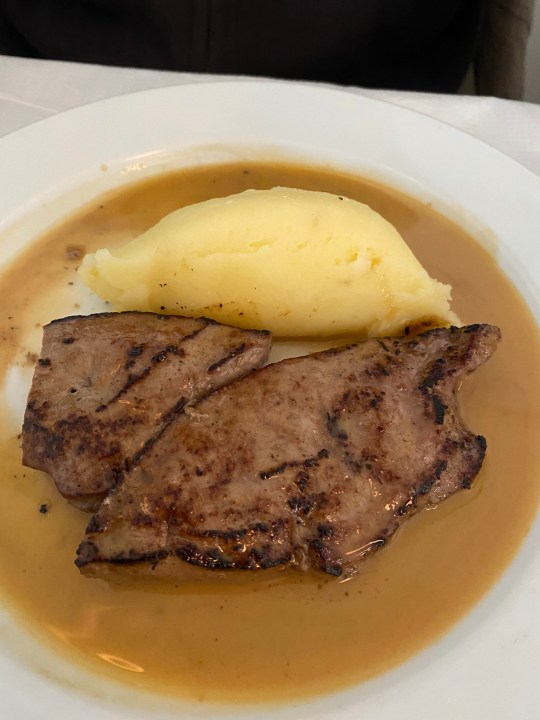
As St. John the Evangelist is known to be a patron saint of a prolific nature, but he is mainly identified as the patron saint of love, loyalty, friendships, and authors, How more becoming can it be?
BTW the very same St. John and Peter were the only two apostles sent by Jesus to prepare the final Passover meal which was the last meal for Jesus, so he’s kind of a food

Dear Spikey
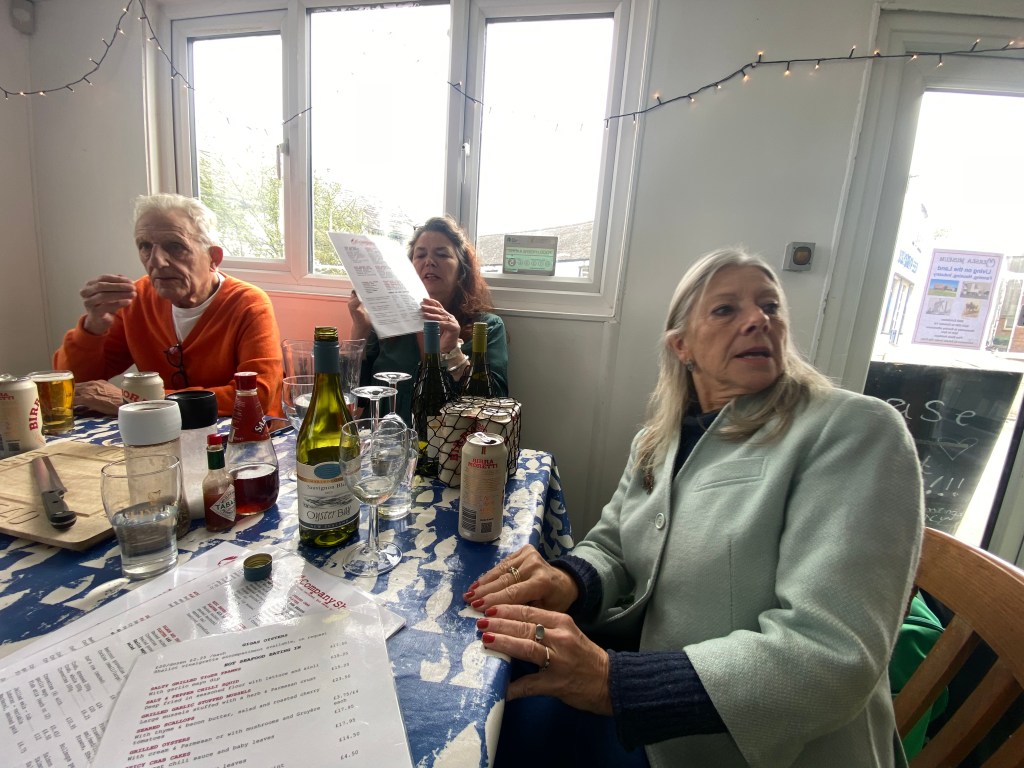
After the touching service, we had at Colchester and the “wake” that followed, we (Lisa, Garry, Sheila, Linda, (uncle) Bob and Louise, Linda and I), decided to have Lunch in your Honor, in one of your favourite Oyster Joints in Mersea Island – The Company Shed.
And there we all are …




Cheers my dear friend, and as Groucho Marx’s supposedly last words were:
“Die, my dear? Why that’s the last thing I’ll do”
So long dear friend, I miss you every day
Your Bestie
AMIR – THE WINE GUIDE
Wine colours and the Brain, Anatomy and Physiology of Vision in Wine Tasting – Part 3 The Brain
Reality is an illusion that occurs due to a lack of wine.
Anatomy and Physiology of wine tasting as appeared in part 2: https://wine4soul.com/2012/12/08/wine-sight-receptors-brain/ continues… How We See Colour?
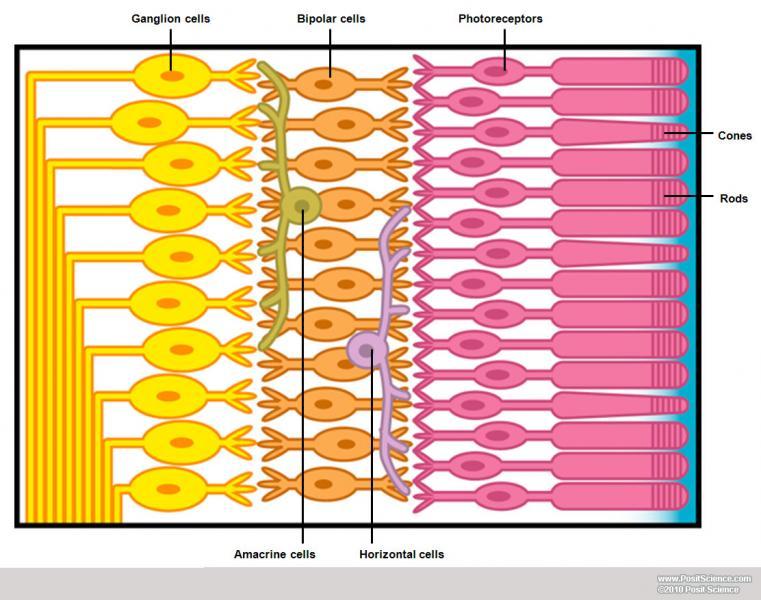
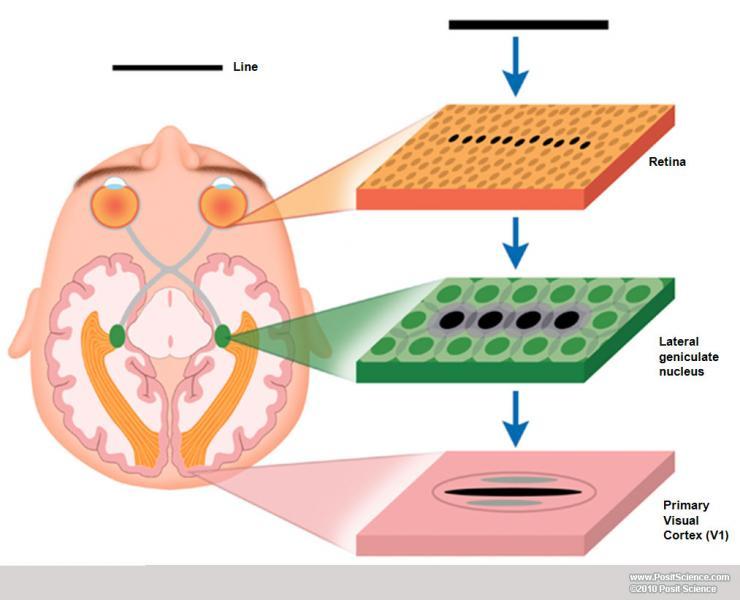
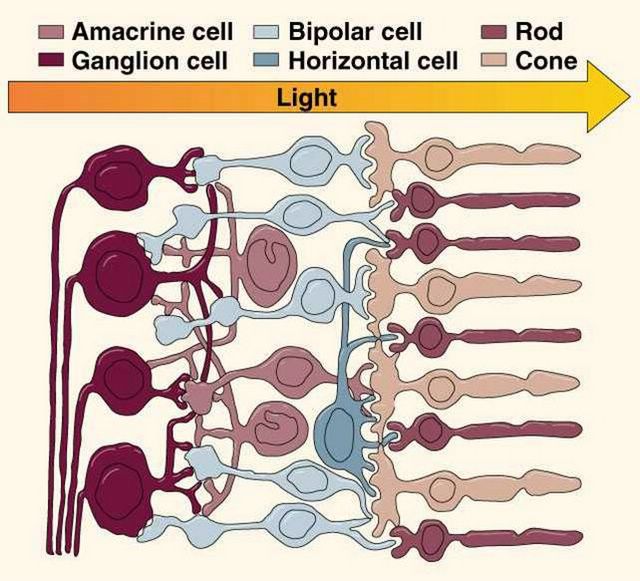
There are millions of colour photoreceptors; cones in the retina, and three different types of cones, each type of cone is sensitive to a different wavelength of light. Different wavelengths correspond to different colours. When light strikes a photoreceptor it releases a chemical that begins a process that enables the brain to recognize the “right” colour. In order to see colour properly, all three types of cones must be present, or the person’s eye will not have the photoreceptor that reacts to that particular wavelength, and colours are a combination of a variety of wavelengths. The chemical stimulus, from the cone to the brain that enables colour vision is facilitated through a chemical reaction of the reflected light with a light-sensitive protein called: Rhodopsin, which is present in the disk membranes of rod cells, and causes a reaction that acts as a trigger inside the cell. Rhodopsin requires the help of an intermediary chemical called the G-protein (I guess this is complicated enough). The human eye and brain together translate a certain reflected light into colour. Light receptors within the eye transmit messages along the optic nerve to the vision center in the brain, which produces the “recognition” of a certain colour.
The brain’s neural mechanisms also uses “memory” and experience to help with speedy identification, of which colour belongs to what object, so we do not mistakenly see a translucent wine in a red glass.
Without the neural processes of the brain, we wouldn’t be able to understand colours of objects any more than we could understand words of a language we hear but don’t know,” said Steven Shevell, color and vision specialist .
The surface of an object reflects some colors and absorbs all the others. We perceive only the reflected colors. Thus, red is not “inside” red wine. The surface of the wine reflects the wavelengths we see as red and absorbing all the rest.
 The immediate process of judging a colour begins in the retina, which has three layers of cells. Signals from the red and green cones in the first layer are compared by specialized red-green “opponent” cells in the second layer. These opponent cells compute the balance between red and green light coming from a particular part of the visual field. Other opponent cells then compare signals from blue cones with the combined signals from red and green cones.
The human eye can perceive more variations in warmer colors than cooler ones. This is because almost 2/3 of the cones process the longer light wavelengths (reds, oranges and yellows).
ROSÉ WINES

Rose wine displayed above exhibit hues of Pink, a pale tint of red. Pinks can range from:
Onion outer skin,
Salmon hue,
Raspberry Rosé,
Coral pink,
Pinkish Orange colour.
All the above depend on their grape origin and variety, plus the wine making method. Although they may exhibit exquisite colour array, these wines are rarely suitable for keeping more than 2 years beyond their vintage year. Their colour is not as stable as most reds and quality white wines.
The Colors of Red Wine:
 Blue & red Anthocyanins which are present in the grape skin dissolve into the grape juice while crushing
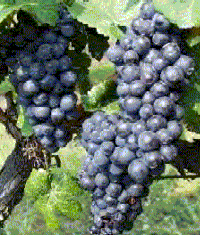 than before the fermentation process, the juice and skins are moved into the fermentation tanks, and because anthocyanins are soluble in alcohol they tint the liquid RED. The style and “depth” of the pressing process facilitates their dispersal into the wine. The dissolved Antocyanins are the contributors of the red / purple color of red wine. The aging process of wine in oak barrels and in the bottle tie these dyes to tannins to form long and heavy tannin molecules become less lively, loses a little from the purple shade and develops into shades of Red that vary, depending on the grape variety, region of origin, exposure to oxygen, climate/fruit ripeness before harvest etc.. Within a few years these molecules get “older” in a bottle and turn to rusty shades of red to maroon or even brown.
RED WINES

Main Shades:
1. Ultraviolet: Almost all young red wines of deep purple, purple color usually indicates age young wine or wine is
2. Purple- Crimson: Dark red color with a little blue. This is the color of most reds from all over the globe including those of Bordeaux and Bourgogne in their youth immediately after bottling.
3. Red Bordeaux: Bordeaux wine colour: colour that is colour of the majority of Bordeaux wines during the transition between shades and hues as they start to mature, as they approach readiness and full maturity, Scarlet.
The English used to call it CLARET a red wine from Bordeaux. Indicating it being also clear.
4.Cherry- Bright Red: The higher the wine’s acidity (low pH) amount of red pigment to a higher and more active radiating health and indirectly implies the ability the wine’s ability to preserve fruit flavors for a longer period, with chances of maturing in proper balance increasing. Cherry is also the colour of fresh Sangiovese, and Zinfandel.
5. Brown-Red Tile: The colour of the fully matured red Bordeaux wines. If this colour appears in a relatively young wine, it usually indicates exposure to intense heat in various stages of the wine-making process, including the period before the harvest (extreme heat wave), or over exposure to oxidation in the barrel.
6. Reddish Brown mahogany colour – milder than the above, less extrovert colour, is the shade of a typical high quality red Bordeaux wines aged 15-30 years or less, fully “ripe” and ready for drinking, or unfortunately wines from a lesser origin , beyond their peak showing signs of fatigue.
7. Orange-brown colour of wines more than 30 year of age that might have oxidized to oblivion. This color is missing a spark and suggesting the “death” of the wine we look at, wine gone bad?
.
Many terms are used to describe the main colors in red wines are:
Purple-red: the common shade for young, often immature wines. Purple is also the colour of Barbera, and Amarone
Ruby ; the color of the polished ruby gemstone: a more evolved but still youthful shade also the colour of young Pinot Noir, or Tempranillo.
Garnet: the color word for classic wines at the peak of their maturity
Lust: is a rich shade of red.
Crimson: is a strong, bright, deep red color combined with some blue, resulting in a slight degree of purple.
Rusty is red colour with brownish tints of rust – some Old Bordeaux’s of over 25 years of age exhibit this colour
Fire Brick color of oven fire brick. – Old Bourgogne wines of over 25 years
Redwood rose – the colour of the wood of the Sequoia/ redwood tree
Maroon – chestnut brownish red – Tawny Port
Blackish red – Shiraz, Vintage Port
Maturing wines tend to change to Brick red: paler shades associated with older but still healthy wine, sometimes Copper as in Aged Grenache, Brick red Mature Pinot Noir, aged Bordeaux, Garnet as in Cabernet Sauvignon, Merlot, Nebbiolo.
Depth of color

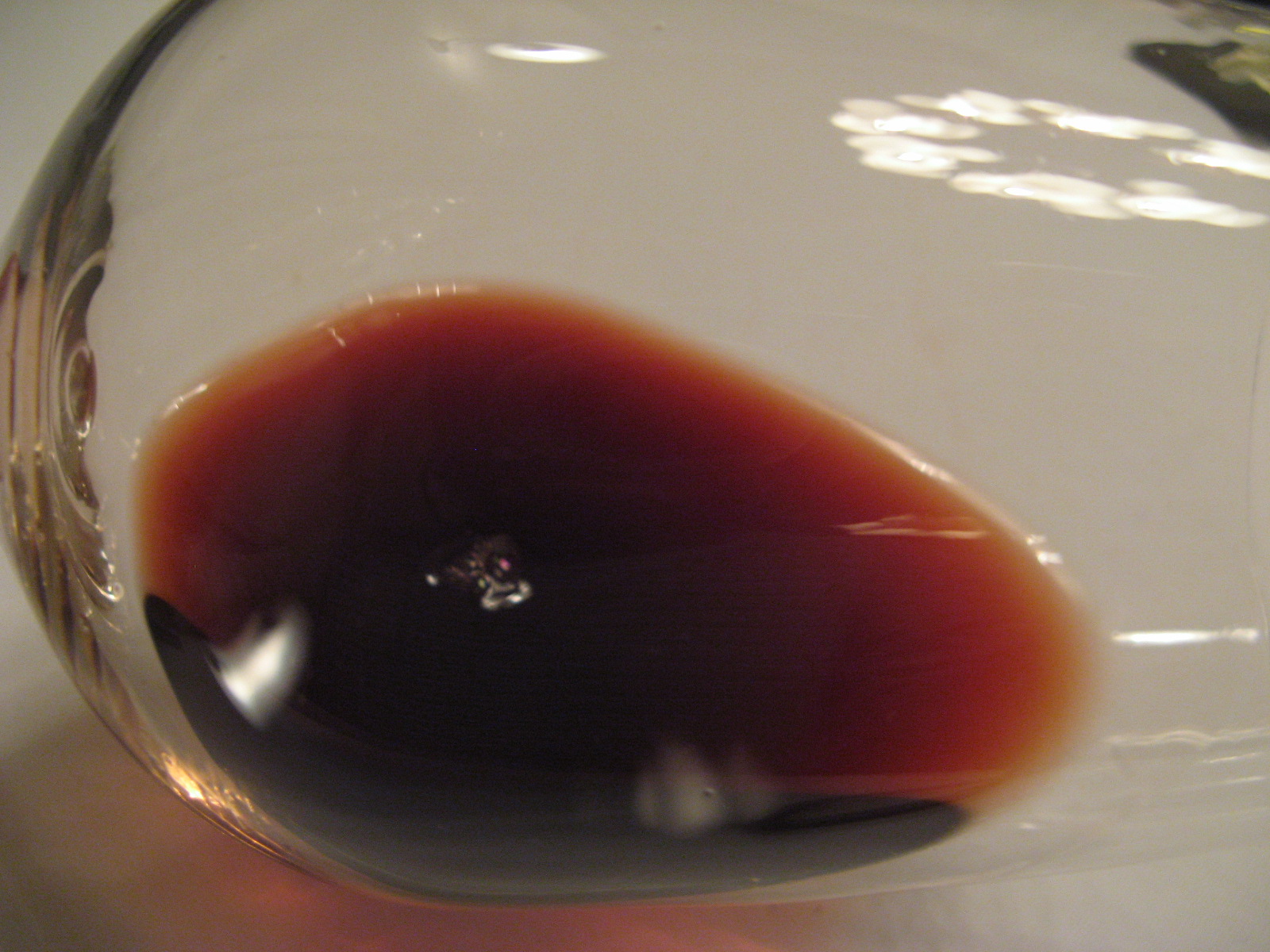
Wine colour’s depth or opacity measure of how dark is the wine. In wine tasting, the depth of color results from the concentrations of color and the wine substance, the more deep the color the less light to passes through it and it will appear darker, or “richer” in colour. Wines with less depth may appear diluted, watery almost transparent.
Depths of wine colours vary greatly depending on the grape variety used to produce the wine, the vintage conditions, production process methods: fermentation steel or oak vats, aging methods before and after bottling.
Depth of color, when used as a measure of quality, typically applies to red wines, as they naturally contain more coloring, tannins, and other components that can alter the wine’s depth.
depth of wine colour is defined as: watery, pale, medium, deep, dark, or opaque.
Visible Defects
 Various types of defects in manufacturing – affect Wine faults in clarity.
Wine with faint colors that do not sparkle may suggest a flaw, Light cloudiness such as milky appearance, reminiscent of the appearance of whole unfiltered apple juice.Some wine fouling is associated with air pollution or related to metal parts (iron or copper) or residual products in genetically engineered residual yeast and in wine that was not filtered or sank at the bottom of tank / barrel..
An old wine with sediment that was violently shaken prior to its opening, will introduce dairy cloudy effect even though it has no real fault, but it may tarnish the visual enjoyment from the wine and as we see this is an important introduction to our primary approach to the wine.
Faded or dull colours in wine appearing “unpolished” might refer to a fault, surface of wine after pouring to the glass should appear shiny if it has “stains” reminiscent of oil floating on liquid, or as a soap bubble surface that reflects prismatic rainbow appearance all of these are an indication to a fault in the wine or contamination that is problematic. Small bubbles remaining for a very long time around the rim of very mature / old wines might refer to over maturity… the wine yielded to the “pressures of time” and is beyond its peak.
Hue
The hue of a wine color is the inner definition of colour description beyonf the basic colours: red, yellow, pink. Your own interpretation of what colour you see and how would one describe it?
When you describe what you see, association comes into mind and affect the semantic interpretation of what you actually see.In white wines the most common descriptions would be anything from transparent through greenish to yellows in varying depths to gold and amber. Rosé wines range from pink to salmon and orange. Red wines, from purple-red, ruby, to garnet brown and even black,. Take note if the color hue is consistent throughout the glass when tilted or does it form a rim of different hues. Some wines, particularly older wines will start to show color changes within the body of wine in the glass towards the outer edge – the rim or meniscus.
Clarity was discussed on the previous post, As a rule most wines are relatively clear sometimes sediments are present in the wine they are residual fruit that sank slowly in the bottle, these sediment are not harmful and perfectly safe to drink it but may add a bitter taste to the finish if chewed. If sediments are stirred while pouring wine it can give the appearance of a slight haziness.As a rule, severe cloudiness in wine is considered a flaw.
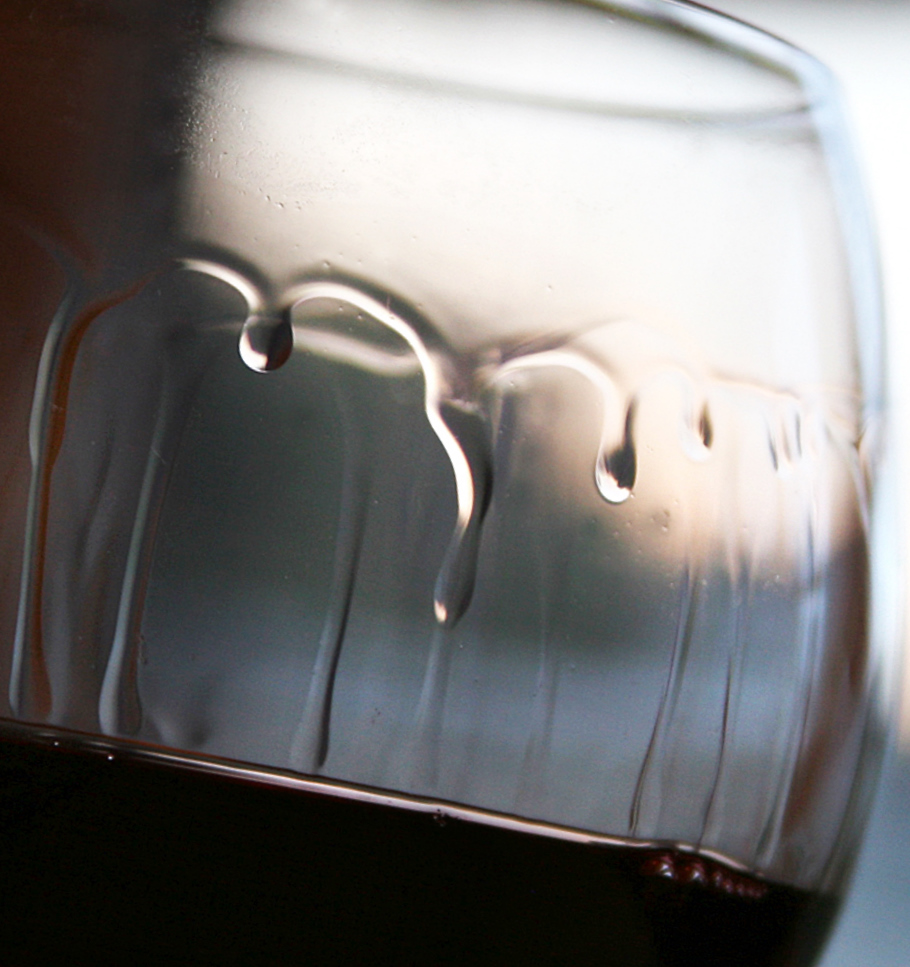 Viscosity: “Legs”
Wine “legs” are the stripes of translucent liquid that runs down the sides of the glass after swirling the wine. Sugar concentration is one of the several factors that influence wine legs. With higher sugar content, the liquid is more viscous. Therefore, dessert wines will always have much more pronounced legs. Another factor that influences increase in viscosity of wine is alcohol content. Since alcohol is more viscous than water wines with more alcohol will have more legs. Any compound that affects viscosity produces wine legs.
 All of these factors in wine Colour: shade, hue, clarity and depth are “met” by just the first sense in wine tasting: Vision and its sophisticated organ the Eye. And all these electrical signals that somehow are interpreted by our brain to what we call sight, It is a wonder, that is only partially understood (let alone explained) but that will have to do for now.
Next post we “move” to sense number 2 in wine tasting SMELL and the fun will continue…
Your WINEGUIDE
My Favorite Wine Cellars, Part 1 – Private Homes
A wine cellar is a storage room for bottled or barreled wine, in which some important factors for wine keeping such as temperature and humidity are maintained either naturally (underground) or by a climate control system.
Wine cellars protect wine bottles from potentially harmful external influences such as light, heat,dryness. Since wine is a beverage that can ultimately spoil, proper storage of wines, protects their quality and with certain wines will even improve their maturing stage adding tertiary aromas, flavors, and complexity as they continuously mature in the bottle.
Most wine bottles are tinted green because direct sunlight can react with the phenolic compounds (polyphenols) in wine and create “wine faults” mainly to color stability and in lowering their anti-oxidizing qualities.
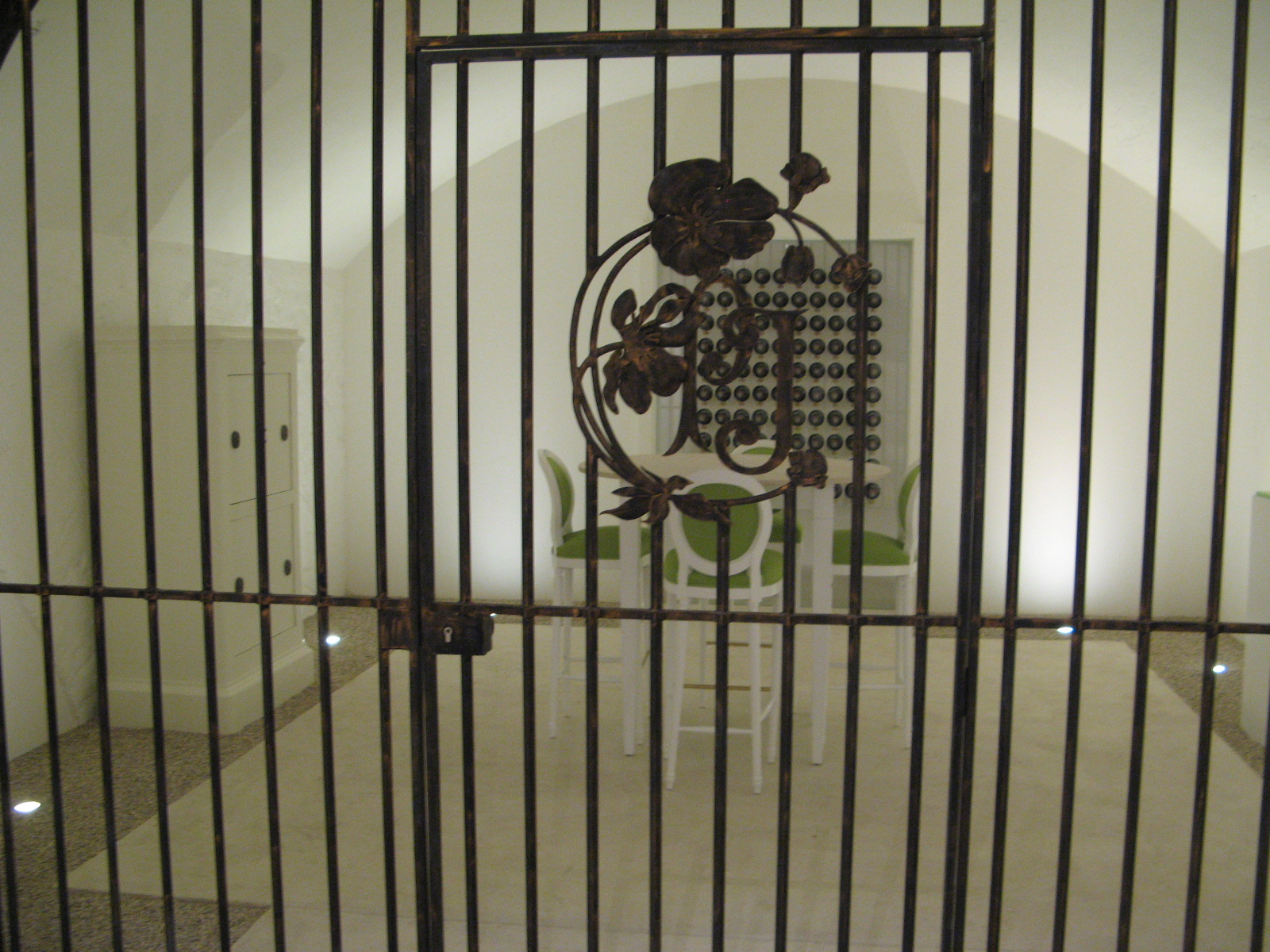
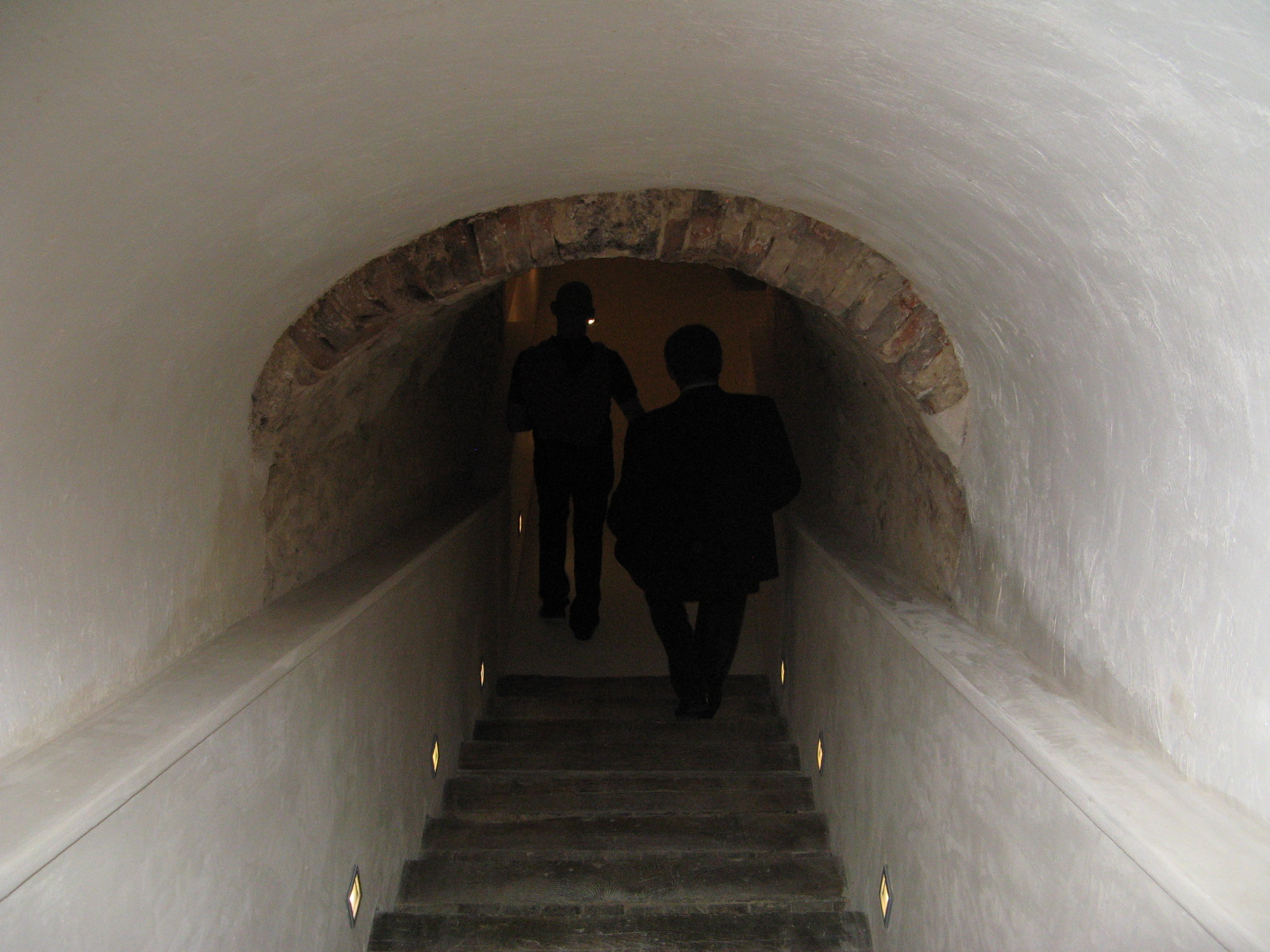
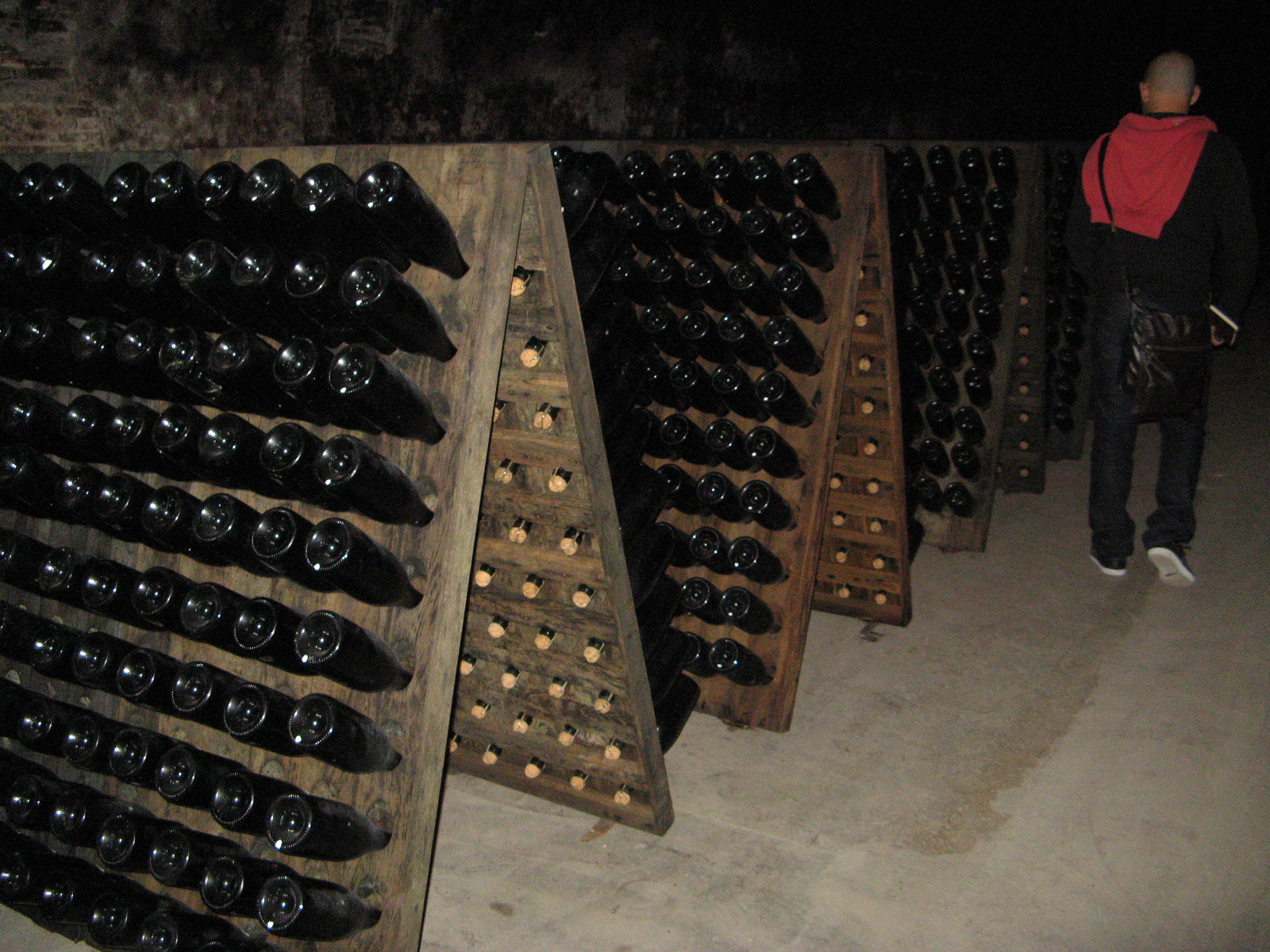
Most underground European Wine Cellars keep temperature of between 7–14 °C with variations developing gradually during the hotter months. Lower Temperature will slow down the evolving / aging process of the wine, it keeps wines fresher and fruitier for a longer time. French wine caves and English wine cellars naturally maintain 60-70% relative humidity. Low humidity can be a problem because it may cause organic corks to dry prematurely causing either seepage from the bottle through the cork or oxidation due to lack of tight seal.
So if you are about to build yourself a wine cellar it must be DARK, COLD & HUMID (basically a dungeon).
If you follow these rules most wine cellars will look the same. Some wine cellars are more impressive than others, the kind that get stuck in your mind for a very long time, for ever!
Caves or winery cellars Like the Ruinart famous deep chalk cellars (called the crayeres) which were excavated by the Romans around 50BC, (considered a French archeological monument), or some of the old “Grandes Maisons de Champagne” with kilometers upon kilometers of chalk cave/cellars at a constant 11º C, serve their purpose by providing the best conditions for wine making and winery storage during production and maturation, these are not the wine cellars our post is concerned with (yet a virtual tour of the Ruinart cellars is on their internet site is a “must visit: http://www.ruinart.com, check it out (there’s also a wonderful free, I pad app version).
My three most impressive wine cellars contain wines from many different makers and wine regions, they are in fact Grand Libraries of the great wines of the world (some more than others).
My choice of wine cellars, of those I have personally visited or was guided through with the owner or Chef de cave are:

La Tour D’argent cellar at the basement of the restaurant in 15 Quai de la Tournelle Paris, France, the Berry Bros. cellar, in 3 St. James’s street London and across the Ocean in the “Americas” The Graycliff Hotel, & Restaurant wine cellar in Nassau, Bahamas. These belong to large or well established groups or companies. All of these on the next “Post”, For now I prefer to start with two, more private cellars:
My own cellar, between us, I have a wine room (it used to be our bomb shelter which is obligatory to every house in Israel) but by definition because it is A. Underground and B. has more than 500 bottles it satisfies the wine cellar “definition”.
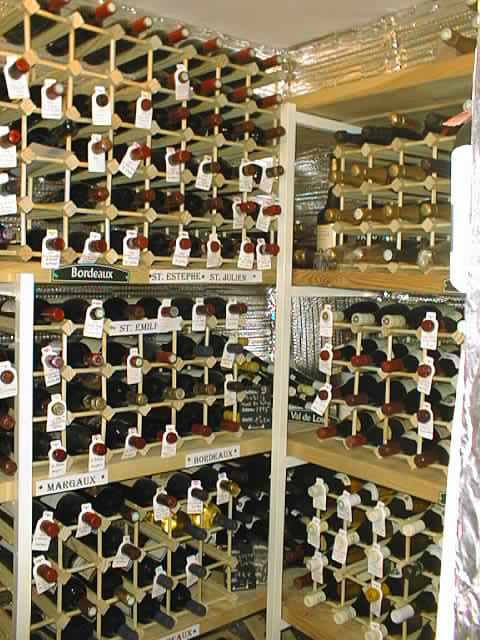
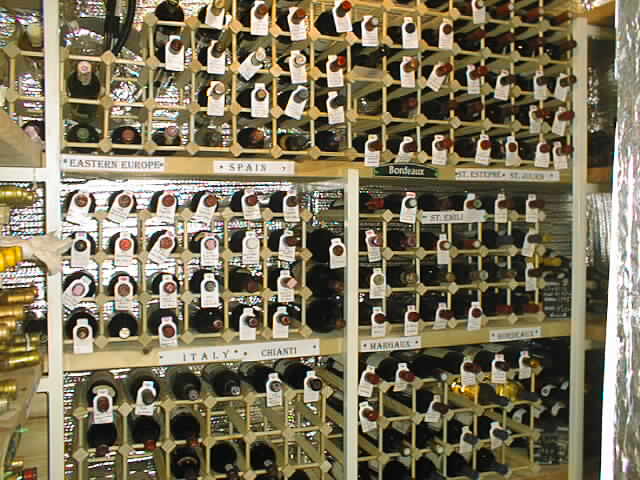

It had, has and will have GEMS of it’s own I know you like names so I will tell you what I do not have. You will not find a Petrus or any DRC’s, but you will find Great Bordeaux’s from amazing Vintage years 1970,79,82,83,85,86,88,90, and on… some single bottles cause I drink my wines, some full or half cases, Lovely Sauterns, spanning over almost 45 years (Yes I have D’yquem’s), but mainly Rieussec, and Suduiraut from the 70’s onwards, Excellent Vintage Ports from 1937 onwards (mainly super Vintages), some great Vouvrey, Vintage Champagnes from 1979 onwards, White and Red Bourgognes etc. It is a live cellar wines flow in and out and it is always a great pleasure to open a great wine with a good company for a meal. Lets say my Cellar Book is much larger then the wines I have at any given moment, I have no regrets ONLY great memories!
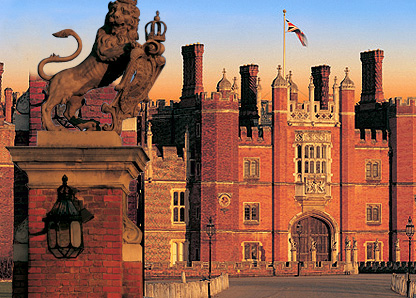 The private cellar at the Galton House, just across the wall from Hampton Court Palace. The Palace of the Tudor Kings and queens, Built to House and feed the kings of England from around 1529-1760 including the Court of King Henry the 8th, with kitchens expected to provide meals for up to 600 people twice a day.
I had the privilege to visit my friend Lisa Galton at her dad’s house, her dad is by the way the legendry Ray Galton, scriptwriter and author (in collaboration with Alan Simpson) of Radio and TV shows such as Hancock’s Half Hour, (without a doubt amongst the finest examples of British comedy). But never mind that, for quite some time I have heard this guy, Ray, is into wine and has some fine collection of wines in his cellar. So when I finally got to visit them (with a very modest “offering” of the best available Israeli dessert wine).

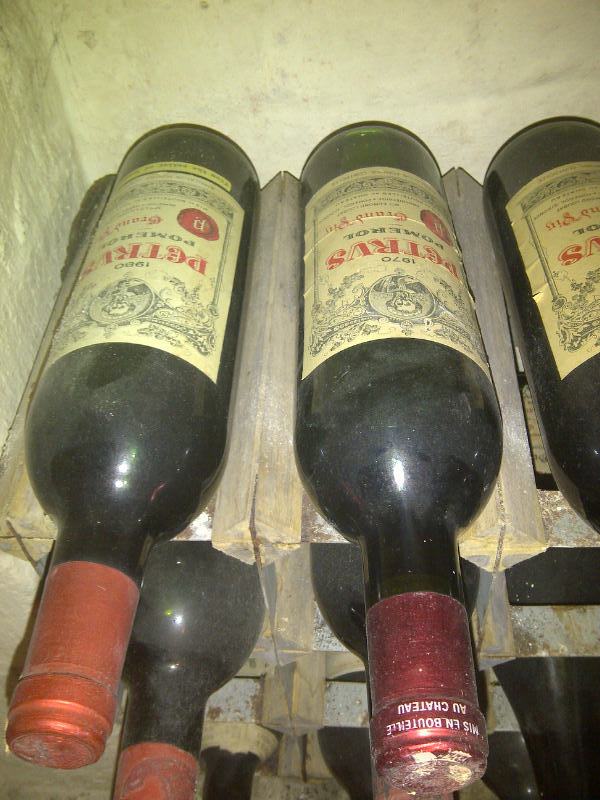

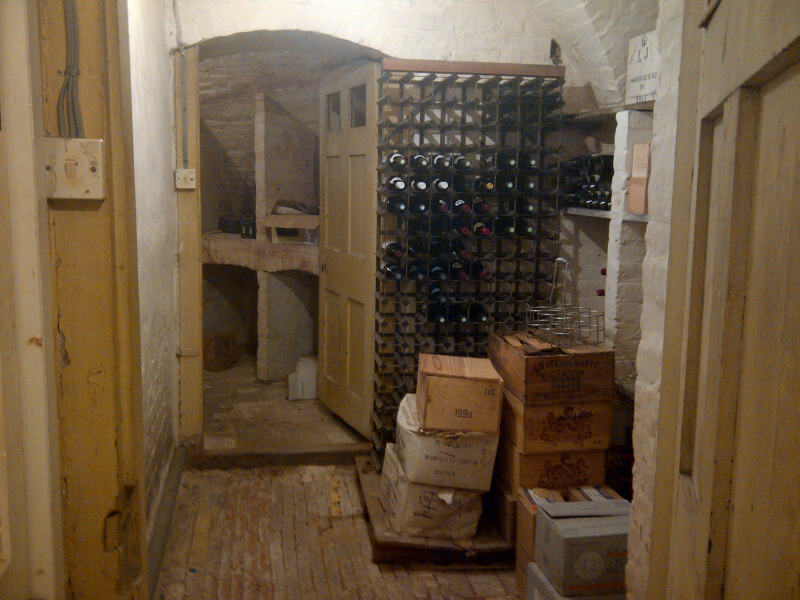
I asked to see the wine cellar if possible, “be my guest, which cellar would you like to see?” D’you have more than one? Yes one for whites and one for reds! Well I said: Both I guess… “Choose any bottle you like and let’s drink it…” I was lead down the stairs to a cellar quite large with 2 doors. One for the whites and then the Reds as you might have guessed, there was a musty smell in the air, the shelves around the walls were not full and in the center of the room a large heap of some wooden but mainly cardboard wine cases, partially rotting, hence the smell. Wines kept “pouring” in on a yearly basis, from the merchants but there was no one to keep the order and spread them around in their rightful place, and so they were heaped in the center of the room. The lucky bottles on top were drunk occasionally, which left the older vintages right at the bottom. In the “white room” although most wines were from Bourgogne Premier and Grand Cru lots some have gone over their prime like the 1975 Bienvenue-Batard-Montrachet JJ Vincent, I have chosen out of curiosity although I knew it was going to be problematic, from a mediocre vintage but a Grand Cru lot which usually transcends the general quality of the Vintage Year.
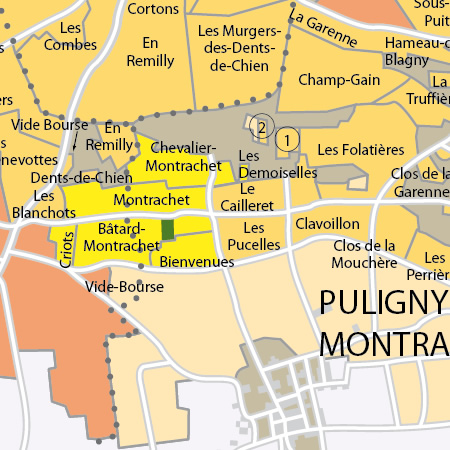 The Batard-Montrachet portion of the wine’s name is a reference to the illegitimate (bastard) son of a local lord Chevalier-Montrachet the lot’s owner. Bienvenue means ‘welcome’ as the site is a direct entry point to the Grand Cru vineyards from Puligny village The wine has mineral qualities, With the limestone reflecting heat and light back up to the vine the grapes reach optimal phenolic ripeness, making it the white wine with Red wine qualities making for slightly heavier, richer wines. It is lacking the more elegant fine qualities of wines from the Great Le Montrachet. It was slightly over oxidized still with firm traces of minerality and black truffle aromas it was a perfect example to a wine that was great in it’s times and was fading away lacking the fruit and acidity leaving all the secondary and tertiary aromas locked in the bottle..
The Red room was at a better state since most wines came in wooden cases There you had some of the best of the rest from Bordeaux , the likes of Petrus Pavie etc. and some lesser known premier Crus reds from Bourgogne, all of which I yearned to taste but did not dare!
Now 10 years after I am told by Lisa: “We nearly finished all the whites, some good reds left..” I guess it’s time for a revisit…
You will be posted re: Galton House revisited in due course Till than
CHEERS
Your WINEGUIDE
 WINE FOR SOUL